Homeowners
The Most Trusted Roof Inspectors TM
Protect your biggest investment with detailed inspections and certified LeakFREE® Roof Reports. A roof issue can lead to costly repairs, water damage, mold, and even structural failure—but most homeowners don’t discover a problem until it’s too late. Our certified roof inspections identify small issues before they become big ones, helping you budget responsibly and avoid emergency repairs.
In some cases, homeowners request inspections to confirm whether their roof was installed correctly or meets local building codes. Our inspectors are trained to evaluate workmanship, identify deviations from standard practices, and flag code compliance concerns—giving you peace of mind or the documentation you need to address contractor accountability.
With our LeakFREE® Roof Certification, you receive documented proof that your roof is in good condition and free of leaks under normal weather conditions. This certification also helps lower risk for insurers and can improve your standing with mortgage lenders or buyers if you ever decide to sell.
Even more importantly, annual inspections create a timeline of your roof’s condition—vital if you ever need to file a storm-related insurance claim. By having dated photos and professional reports on file, you avoid disputes and expedite the claims process.
Schedule Your LeakFREE® Roof Inspection
Protect your home with a detailed. NRCIA-certified roof inspection and receive a Leak FREE Roof Certification backed by documents.
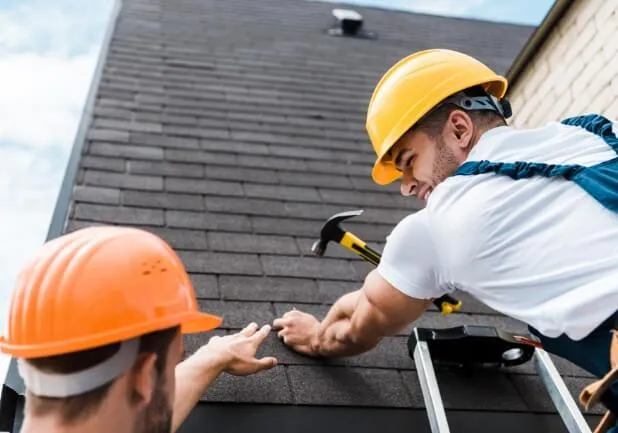
Why You Shouldn’t Delay a Roof Inspection
Small roof issues can lead to expensive water damage, mold, or structural issues.
Insurance companies often require inspection reports for policy renewal or claims.
An NRCIA-certified report boosts buyer confidence when selling your home.
Comprehensive, Easy-to Understand Reporting
LeakFREE® visual inspection
Photos of shingles, flashing, gutters & drainage
Digital PDF report delivered within 24 hours
Optional certification for insurance or sale
Trusted InterNACHI® standard practices
Our Services
What We Offer

24/hr Phone Service
Lorem Ipsum is simply dummy text of the printing and typesetting industry. Lorem Ipsum has been the industry's standard dummy text ever since the 1500s, when an unknown printer took a galley of type and scrambled it to make a type specimen book. It has survived not only five centurie

Insurance Assistance
Lorem Ipsum is simply dummy text of the printing and typesetting industry. Lorem Ipsum has been the industry's standard dummy text ever since the 1500s, when an unknown printer took a galley of type and scrambled it to make a type specimen book. It has survived not only five centurie
Roof Replacement
Lorem Ipsum is simply dummy text of the printing and typesetting industry. Lorem Ipsum has been the industry's standard dummy text ever since the 1500s, when an unknown printer took a galley of type and scrambled it to make a type specimen book. It has survived not only five centurie
When should a Roof Inspection be done?
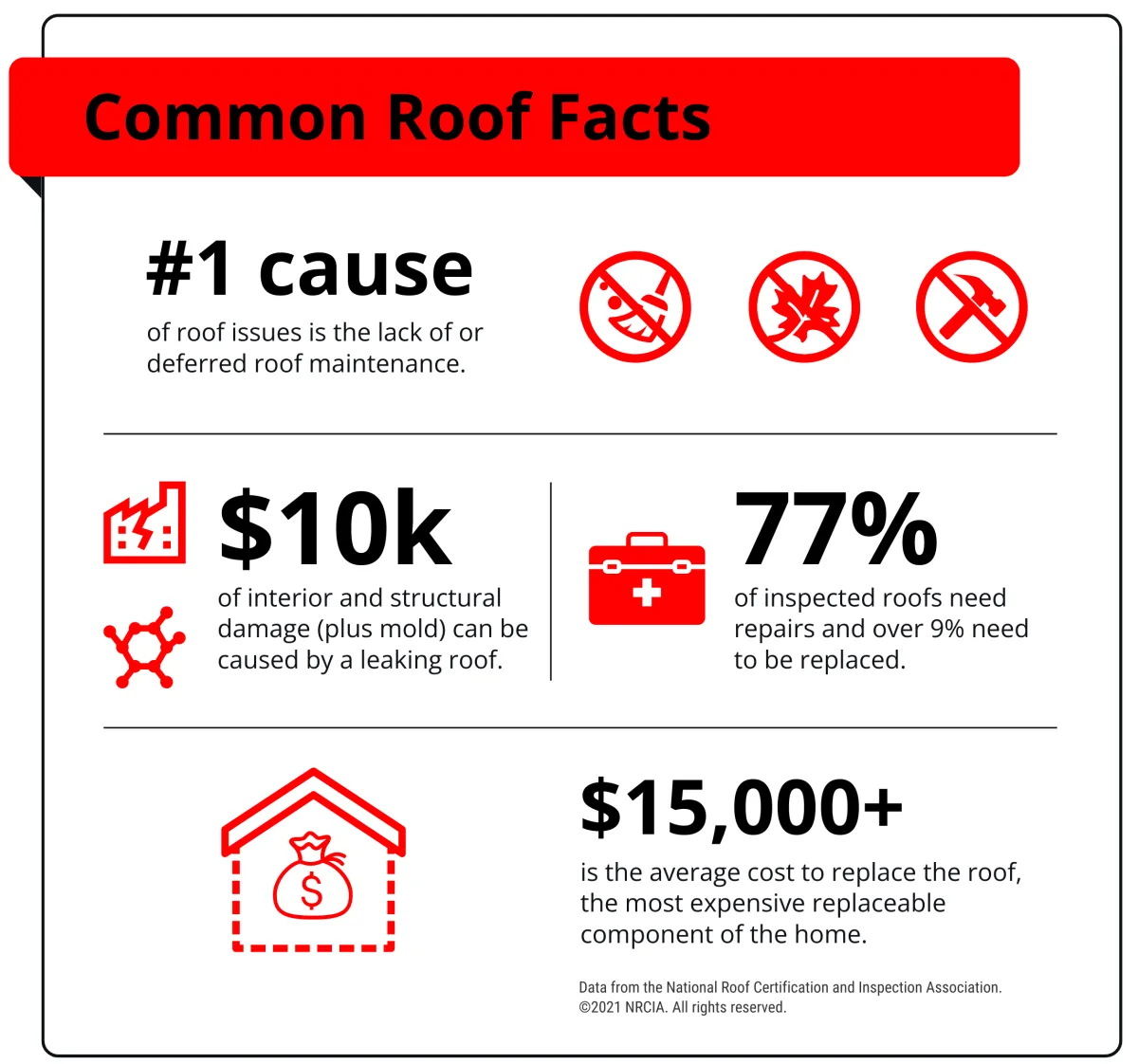
Every property in escrow should receive a roof inspection for disclosure purposes. While 98% of all homes sold have a home inspection performed, over 85% of properties are sold with roof damage or leaks, costing the unsuspecting buyer large sums to repair or replace. Outside of escrow, properties owners often neglect the routine roof maintenance required to keep their roof system up to par. As you can see by our data to the right, this differed maintenance leads to costly damage and repairs.
Additionally, every property should receive an annual inspection before its roof certification expires or before the wet season, whichever is earlier, to identify any necessary and acute roof maintenance activities that would decrease the likelihood of future roof leaks. On top of these routine inspections, a roof also needs to be inspected if there is an active leak, roof-related insurance claim, or technical or legal query. Given the roofing system is a structure’s last line of defense against weather, an unsurprising 30% of insurance claims are due to leaking roofs and water penetration.
What does a Roof Inspection look like?
We’ve discussed why an inspection of the roof is necessary and the different types of roof inspections. Now, let’s break down a roof inspection by an NRCIA Certified Roof Inspector. Below is a video highlighting the zones an inspector will work through to assess the health of your roof system. Our instructor will also provide informative commentary on what inspectors look for both inside and outside the property.
What Our Clients Say

NRCIA's inspection and certification process gave me peace of mind knowing my roofs were in excellent condition. The detailed reports helped me stay on top of maintenance and avoid costly repairs down the line.

John D., Property Management
As a busy property manager, I don't have time to worry about roofing issues. NRCIA handles it all - from the initial inspection to the final certification. Their team is professional, efficient, and I trust their expertise completely.
Sarah M., Rental Properties
NRCIA's roof certification is the gold standard in our industry. I recommend their services to all my fellow property managers looking to protect their assets and provide top-notch housing for their tenants.
Lisa T., Acme Property Solutions
LeakFREE® Roof Inspection
The NRCIA maximizes roof life by using its proprietary inspection process to inspect the roof. Following the NRCIA roof inspection protocols, a trained NRCIA Certified® roof inspector begins the five-zone LeakFREE® roof inspection by examining the interior, accessible attic, and attached garage to examine any visual evidence of a roof leak. Any evidence found in the first three zones informs the roof inspector of what to more closely inspect when they reach the rooftop. As the fourth zone, the inspector examines the building’s perimeter to look for further evidence of leaks or damage, such as water stains and dry rot. After these observations are complete, the inspector moves to the roof and performs a visual, non-destructive examination. Each roof type and material has its own common critical areas, and the specialist is trained to pay special attention to these potential trouble spots.
Frequetly Asked Question
Is this inspection valid for insurance purposes?
Yes! NRCIA-certified inspections meet insurer requirements.
How long does an inspection take?
Typically 45–90 minutes depending on roof size.
Can I get a certification?
Yes, you can request LeakFREE® certification based on findings.
Is this recognized by insurers?
Yes—certification aligns with InterNACHI® SOP and OSHA guidelines.
Can I inspect part-time?
Absolutely—many inspectors schedule evenings & weekends only.
© 2025 NRCIA, All Rights Reserved.