
The Power of Leg Elevation: Your Simple Solution to Edema
The Power of Leg Elevation: Your Simple Solution to Edema
Edema: A Common, Yet Troublesome Condition
Have you ever experienced that uncomfortable swelling in your legs, ankles, and feet after a long day?
That's edema for you - a surprisingly common condition that's as tricky to spell as it is to handle.
Often recognized as a swollen, puffy appearance or an indentation that stays after pressing the skin, edema can be a real spanner in the works of our daily lives.
Leg Elevation: A Simple Yet Effective Solution
But what if I told you there was a way to tackle edema without any pricey treatments or complicated procedures?
Just you, your legs, and the power of gravity. Intrigued? Let’s delve into the world of leg elevation and its effectiveness in combating edema
Understanding Edema
What is Edema?
In simple terms, edema is your body holding onto more fluid than it should. You could say it’s a bit of a hoarder, leading to swelling in your legs, ankles, and feet. But edema can occur in other parts of the body too, like your hands and face.
What Causes Edema?
Edema is the body's response to inflammation, injury, or a result of an underlying health condition like heart disease, kidney disease, or liver cirrhosis. Sometimes, it's a side effect of medications. So, our bodies are not just fluid hoarders but fluid hoarders with diverse motives!
The Impact of Edema on Daily Life
From making shoes feel tight to causing discomfort when walking, edema can have a significant impact on quality of life. But enough about the problem - let's talk solutions.
The Science Behind Leg Elevation
The Role of Gravity in Fluid Distribution
Ever thought about the power of gravity? It's more than just what keeps us grounded. When it comes to fluid in our bodies, gravity can be both a friend and a foe.
Standing or sitting for long periods allows gravity to pull fluids down into our legs and feet, causing swelling. But what if we could flip the script and use gravity to our advantage? That's where leg elevation comes in.
The Lymphatic System: The Unsung Hero of Fluid Drainage
To understand how leg elevation helps, we need to take a quick detour to visit our lymphatic system, the unsung hero of fluid drainage. It helps transport excess fluid back into the bloodstream but sometimes needs a helping hand. Or should I say, a helping leg?
Leg Elevation: An Exercise in Gravity-Assisted Drainage
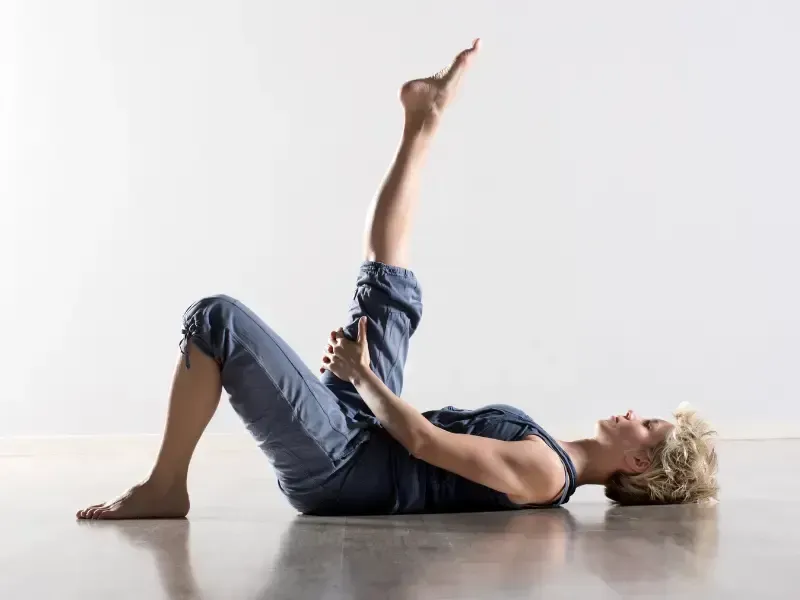
By elevating your legs above the level of your heart, we’re giving gravity a chance to assist in draining excess fluid from our legs back to the heart. It's like your lymphatic system's personal assistant, helping to reduce the swelling caused by edema.
Practical Tips for Leg Elevation
When and How Often Should You Elevate Your Legs?
Anytime is a good time to give your legs a lift, especially after a long day on your feet. However, doing this 3-4 times a day for about 30 minutes can work wonders for your edema.
Correct Position for Leg Elevation
But it's not just about hoisting your legs up. The way you do it matters too. The goal is to get your legs higher than your heart. This can be done by lying down with your legs propped up on pillows.
Do's and Don'ts of Leg Elevation
Don't use hard objects like books or boxes to elevate your legs - comfort is key here. Remember, if you're feeling discomfort or tightness in your legs while elevating, it’s a good idea to adjust your position or take a break.
Additional Ways to Combat Edema
Lifestyle Changes to Consider
While leg elevation is a simple, effective remedy, coupling it with lifestyle changes like a balanced diet, regular exercise, reducing salt intake, and wearing compression socks can bring additional relief.
Medical Interventions: When to Seek Help
If your edema persists despite these measures or if you're experiencing other symptoms like chest pain, it's important to seek medical attention promptly.
There you have it - a simple, cost-effective solution to alleviate the troublesome symptoms of edema. Leg elevation might not sound like a scientific breakthrough, but when it comes to combating edema, it's a game-changer. Remember, every elevation helps, and it's never too late to start.
Frequently Asked Questions (FAQs)
1. Can leg elevation help with all types of edema?
Leg elevation can help with most types of peripheral edema (swelling in the limbs), particularly those caused by long periods of standing or sitting. However, for edema caused by serious health conditions, it should be used as a complementary therapy and not a substitute for medical treatment.
2. Can I elevate my legs too much?
As with anything, balance is key. Too much elevation can potentially lead to discomfort or even muscle stiffness. So it's essential to listen to your body and respond to its needs.
3. Are there any risks or side effects associated with leg elevation?
Leg elevation is generally a safe practice. However, if you have certain heart or respiratory conditions, you should consult with your healthcare provider before trying this method.
4. What other symptoms should I watch for alongside edema?
Symptoms that might accompany edema include pain, redness, or warmth in the affected area, fever, difficulty breathing, or chest pain. If you notice any of these symptoms, seek medical attention promptly.
5. When should I seek medical attention for my edema?
If your edema doesn't improve with home treatments, or if it's accompanied by other concerning symptoms such as chest pain, difficulty breathing, or confusion, you should seek medical attention immediately.
1. Q: Can leg elevation help with all types of edema?
A: Leg elevation can help with most types of peripheral edema (swelling in the limbs), particularly those caused by long periods of standing or sitting. However, for edema caused by serious health conditions, it should be used as a complementary therapy and not a substitute for medical treatment.
2. Q: Can I elevate my legs too much?
A: As with anything, balance is key. Too much elevation can potentially lead to discomfort or even muscle stiffness. So it's essential to listen to your body and respond to its needs.
3. Q: Are there any risks or side effects associated with leg elevation?
A: Leg elevation is generally a safe practice. However, if you have certain heart or respiratory conditions, you should consult with your healthcare provider before trying this method.
4. Q: What other symptoms should I watch for alongside edema?
A: Symptoms that might accompany edema include pain, redness, or warmth in the affected area, fever, difficulty breathing, or chest pain. If you notice any of these symptoms, seek medical attention promptly.
5. Q: When should I seek medical attention for my edema?
A: If your edema doesn't improve with home treatments, or if it's accompanied by other concerning symptoms such as chest pain, difficulty breathing, or confusion, you should seek medical attention immediately.

Copyright 2023. All Right Reserved.