Golden Globes
Golden Globes Winners & Nominees: The Names Shaping This Awards Season
Tap to view
👁
Mixed

Your support keeps independent commentary alive.
☕ Buy us a coffee and keep the conversation going


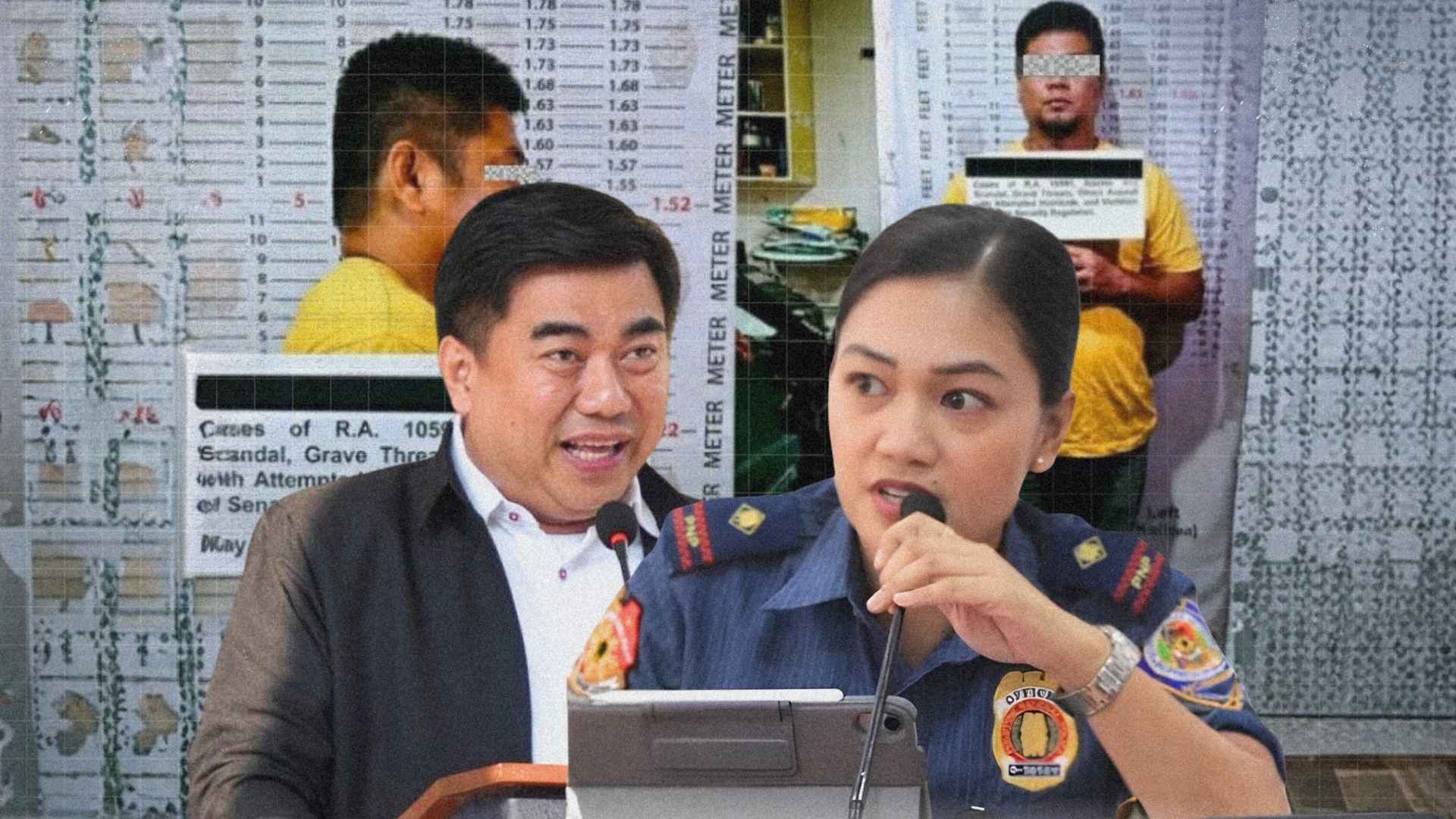
The controversy surrounding the recent Senate compound shooting incident continues to escalate after authorities confirmed that an alleged NBI driver arrested following the chaos reportedly tested positive for gunpowder residue.
According to the Southern Police District (SPD), the individual identified as “Mel Oragon” yielded positive results for the presence of gunpowder residue based on forensic testing conducted after the incident.
The update immediately fueled another wave of online speculation and debate, especially because the incident already involved heightened tensions surrounding Senate security, the ICC controversy linked to Ronald dela Rosa, and the presence of armed operatives near Senate premises.
What made the situation even more controversial was an earlier statement from NBI Director Melvin Matibag, who clarified that Oragon was allegedly not an official NBI employee but merely a “volunteer” driver assisting the group.
Matibag also stated that the driver allegedly had no actual access to the firearm and was supposedly only asked to hold it temporarily.
Still, the positive gunpowder residue result quickly intensified public attention.
Here’s what this really means.
In highly sensitive political incidents, every new forensic detail can dramatically shape public perception. Once gunpowder residue findings become public, people naturally begin questioning timelines, accountability, and what truly happened during the chaotic moments inside the Senate complex.
That is exactly why the issue exploded online.
The Senate incident itself already carried enormous political weight because it occurred while the premises were reportedly under lockdown and while Senator Bato dela Rosa remained under protective custody related to the ICC arrest warrant controversy.
According to initial investigations, multiple gunshots were allegedly fired inside the GSIS compound around 7:50 p.m., triggering panic and tension throughout the Senate complex.
This raises a bigger issue.
How did armed individuals and firearms become involved during such a politically sensitive operation inside or near a major government institution?
That question continues dominating public discussions online.
Many Filipinos are now demanding clearer explanations regarding protocols, coordination between agencies, and responsibility for the escalation of tensions during the incident.
The situation also reignited broader debates regarding security operations involving government institutions and politically sensitive personalities.
For some observers, the gunpowder residue result strengthens calls for deeper investigation into the sequence of events. Others caution that forensic findings alone do not automatically determine full criminal liability or intent.
That distinction is important.
A positive gunpowder residue test may indicate firearm discharge exposure or handling, but official investigations and court proceedings still determine the broader legal conclusions surrounding the incident.
Why this matters goes beyond one arrest alone.
The controversy reflects growing public anxiety over political tensions spilling into security confrontations involving armed operatives, government agencies, and Senate personnel.
In today’s digital environment, incidents involving firearms inside politically charged spaces immediately create powerful emotional reactions online. Videos, statements, screenshots, and forensic updates spread instantly, often shaping narratives long before investigations are completed.
That reality explains why the Senate shooting controversy continues dominating national discussions.
At the same time, authorities confirmed that Oragon now faces multiple complaints, including alleged violations of Republic Act 10591 or the Comprehensive Firearms and Ammunition Law, alarm and scandal, direct assault, trespassing, and violations of Senate security protocols.
As investigations continue unfolding, the public will likely remain focused on one central question:
What exactly happened during those tense moments inside the Senate compound?
Because in today’s political climate, every security incident quickly becomes more than a law enforcement issue…
—it becomes part of a larger national conversation about power, accountability, and institutional stability.
“For there is nothing covered, that shall not be revealed; neither hid, that shall not be known.”
This verse reminds people that truth eventually comes to light. In moments of confusion, accusation, and controversy, patience and discernment remain essential. Facts must be examined carefully, and justice should always be guided by truth rather than emotion or speculation alone.
December 11, 2025•7 min read
A post is circulating claiming that President Bongbong Marcos is aggressively pushing the Anti-Political Dynasty Bill — not for reform, but to block one person: Sara Duterte.
And if you look at the current political climate, the timing is not just suspicious — it is strategic.

For years, BBM never prioritized anti-dynasty laws.
But now, when impeachment talks are swirling and flood-control scandals are erupting, suddenly the administration wants “structural change”?
The claim is simple:
If they can’t remove Sara through impeachment… they’ll block her through legislation.
Because one thing terrifies the current power brokers:
A Sara Duterte Presidency.
Not because she’s weak…
But because she’s strong enough to flip the entire narrative.
That line hits hard.
Why?
Because those involved in the flood-control scandal — those who crafted, signed, and benefited from anomalies — know exactly what a Duterte-style leadership means:
• uncompromising precision
• zero tolerance for backdoor deals
• loyalty to country, not clique
• courage over convenience
A Sara presidency threatens the very foundation they stand on.
“When the righteous are in authority, the people rejoice;
but when the wicked rule, the people groan.”
This is why the establishment fears Sara.
Not because she’s polarizing — but because she’s purifying.
The Agila sees the tactic:
When they cannot compete with strength… they legislate to weaken it.
But the Filipino people are not blind.
And the movement behind Sara is larger than any bill, any maneuver, any hidden fear in Malacañang.

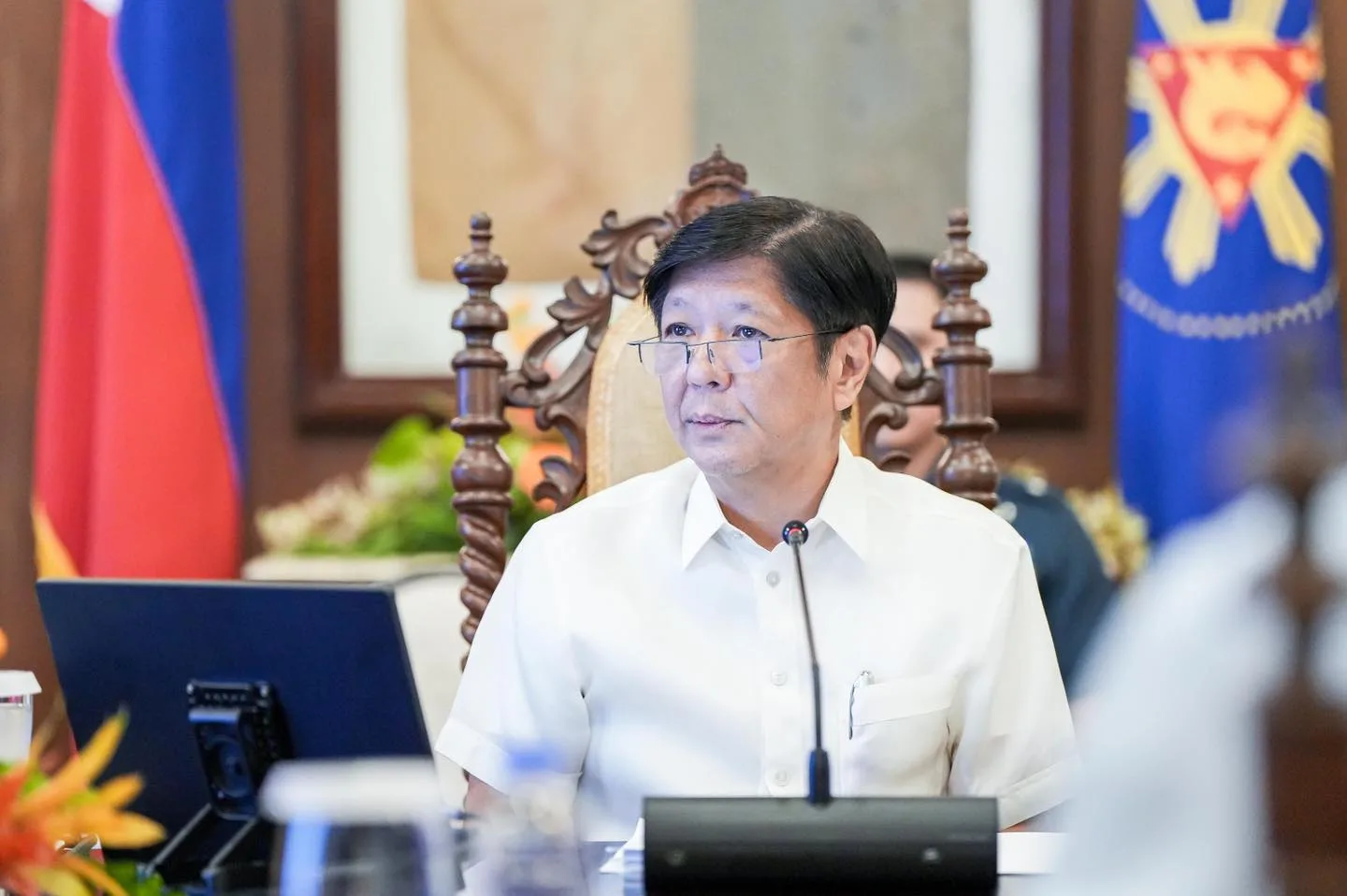
President Bongbong Marcos Jr. shared in his BBM Podcast that he hopes future administrations will “continue the structural reforms” he claims to have started.
The statement would’ve landed better if the country weren’t simultaneously drowning in:
• flood-control scandals,
• budget insertions,
• questionable agencies (ICI/IPC),
• canceled passports,
• surrendering contractors,
• skyrocketing prices, and
• systems collapsing left and right.
Kung ito ang “structural reform,”
paano pa kaya kung walang reform?
Marcos insists he works long hours, thinking “out of the box” with advisers. But the Filipino people are asking:
If this is ‘thinking out of the box,’ bakit parang lalong nasisira ang kahon?
He says reforms should continue even after he leaves office.
But what reforms?
• Unlimited unprogrammed funds?
• Agencies duplicating each other?
• Budget leaks everywhere?
• Multi-billion peso anomalies piling faster than cases can be filed?
“Your rulers are rebels, companions of thieves; everyone loves a bribe and chases after gifts.”
A structural reform without righteousness is not reform — it is repackaged corruption.
The Agila sees the truth:
Real reform is not measured by long meetings or podcasts.
It is measured by justice, accountability, and transparency.
And right now, the cracks in this administration’s “structure” are louder than the President’s monologue.

Executive Secretary Ralph Recto is now calling for “broad consultation” before Congress discusses President Marcos Jr.’s wish list:
✔ Anti-dynasty law
✔ Independent People’s Commission (IPC)
✔ Transparency reforms
✔ Accountability measures
At first glance, this looks promising —
who wouldn’t want anti-dynasty reforms and accountability?

But the irony is too loud to ignore.
Let’s not kid ourselves.
This administration is led by a clan with:
✔ a sitting President
✔ a Congressman son
✔ influential relatives in key agencies
✔ a First Lady with powerful business-linked connections
✔ political cousins in local and national government
Anti-dynasty law under Marcos 2.0 is like:
“Magpasa tayo ng anti-kurapsyon bill… habang ongoing ang flood-control scandal.”
The contradiction is glaring.
Recto says:
“Broad consultation will result in better laws.”
But Filipinos know this pattern too well:
Raise a noble reform
Spread it across consultations
Form technical working groups
Forward to committees
Send to subcommittees
Stall
Forget
Anti-dynasty bills have been filed since 1987.
Not a single one passed —
because dynasties control the votes.
This administration calling for consultation on anti-dynasty laws is like:
“Let’s ask all smokers whether we should ban cigarettes.”
You already know the answer.
Recto also supports the Independent People’s Commission (IPC) —
which even Palace officials admit may duplicate the functions of the Ombudsman and DOJ.
Bakit ba inuulit-ulit ang ahensyang may kapareho nang trabaho?
The public sees this as:
✔ redirection
✔ optics
✔ dilution of accountability
✔ and a way to sidestep existing institutions
Kung seryoso ang gobyerno, the Ombudsman is already there.
Hindi kailangan ng clone agency.
It’s impossible to ignore the context:
✔ ₱16B flood-control scandal
✔ ₱60B PhilHealth transfer declared illegal
✔ ₱107B PDIC reallocation questioned
✔ Frozen contractor accounts
✔ Ghost dredging projects
✔ Unfinished flood plans
✔ Insertions in the budget
✔ Unprogrammed funds ballooning
Talking about “anti-dynasty law” and “transparency” amid all these issues feels like:
Doctor giving vitamins while the patient is bleeding out.
Duterte never played around with “consultations” when it came to reform.
His style was:
✔ decide
✔ implement
✔ enforce
✔ deliver
No drama.
No poetic speeches.
No contradictory messaging.
Today’s administration uses “consultation” as a buffer zone between promise and paralysis.
“You will know them by their fruits.”
Not by their speeches.
Not by their consultations.
But by the results.

Executive Secretary Ralph Recto recently declared that the Philippines now has the opportunity to build a “mas mabuti, mas malinis, at mas epektibong pamahalaan.”
A beautiful line — almost poetic.
But in a nation drowning in corruption scandals, the public reacted not with applause…
but with a collective raised eyebrow.

Recto’s statement comes at a time when the country is in the middle of the biggest anti-corruption protests since 1986.
Billions allegedly lost in flood control projects.
Ghost contractors.
Kickbacks.
Passport cancellations.
Threats of arrest for protesters.
Flip-flopping statements from the Palace.
And now — a sudden call for a “cleaner” government?
It’s a good message…
but the people have one simple reply:
“Sana all.”
Kung matagal nang may pagkakataon para gumawa ng malinis na gobyerno, bakit ngayon lang lumalabas ang mga deklarasyong ganito?
Bakit parang salita lang, walang tunay na aksyon?
At bakit sa gitna ng pagsabog ng mga kontrobersiya, saka lang nabanggit ang pangarap ng “malinis na pamahalaan”?
The irony isn’t lost on the Filipino people — a government facing scandal now claiming it's time to clean up.
Building a clean government is not about speeches on stage.
It’s about facing the truth…
even if the truth exposes your allies.
It’s about transparency…
even if transparency makes the administration uncomfortable.
It’s about justice…
even if justice reaches high places.
Kung hindi kayang harapin ang big fish, paano ang maliit?
Ralph Recto’s words could have been powerful.
Pero sa panahon ngayon, pagod na ang tao sa salita.
Gusto nila ng galaw.
Gusto nila ng hustisya.
Gusto nila ng tapang — ’yung totoo, hindi scripted.
And so the public replies:
“Kung gusto niyo talagang linisin ang gobyerno, unahin niyo ’yung nasa loob mismo ng Palasyo.”
📖 Isaiah 1:17
“Learn to do right; seek justice. Defend the oppressed.”
True reform begins with courage — the courage to confront sin, even if it exists in your own camp.
This moment is a test:
Will the government finally confront corruption head-on?
Or is this just another line meant to pacify a nation demanding the truth?
The people have awakened.
The youth have marched.
The streets have spoken.
And whether the powerful like it or not,
History is already taking notes.
























Disclaimer: This site uses publicly available images and materials for news, satire, and commentary. All rights belong to their respective owners. No copyright infringement intended.
© 2025 Politikanta Minute. All Rights Reserved.
Political Commentary • Satire • Faith-Based Reflection
Some visuals may be AI-generated for satire and illustration. Not real footage unless stated.
Disclaimer: This site uses publicly available images and materials for news, satire, and commentary. All rights belong to their respective owners. No copyright infringement intended.
© 2025 Politikanta Minute. All Rights Reserved.
Political Commentary • Satire • Faith-Based Reflection
Some visuals may be AI-generated for satire and illustration. Not real footage unless stated.