

Golden Globes
Golden Globes Winners & Nominees: The Names Shaping This Awards Season
Tap to view
👁
Mixed

Your support keeps independent commentary alive.
☕ Buy us a coffee and keep the conversation going
Curated Politikanta Minute playlists by focused political topic.
Latest GLOBAL-related updates, reactions, political tension, hearing clips, and issue breakdowns.
Watch More
The political controversy surrounding the now-infamous “maleta” allegations intensified further after former Surigao del Norte Representative Robert Ace Barbers publicly questioned why Senator Loren Legarda’s name was allegedly excluded from the list of personalities mentioned during the controversial Blue Ribbon Committee hearing.
According to Barbers, the original affidavit supposedly submitted by the alleged “18 ex-employees” connected to former Ako Bicol Representative Elizaldy Co reportedly included Legarda’s name.
However, when Senator Rodante Marcoleta read the list of alleged recipients during the hearing, Legarda was not mentioned.
That omission immediately triggered suspicion from Barbers.
“Either the list given to him has been sanitized, or he did not mention the name deliberately.”
The statement added another explosive layer to the already chaotic Senate conflict involving leadership disputes, legitimacy battles, and accusations of political manipulation.
Barbers did not stop at simply questioning the omission.
He went further by suggesting that the hearing itself may no longer be operating as an impartial investigation.
According to him, the exclusion of certain names while aggressively highlighting others raises serious concerns about political bias.
“The selection of names mentioned for character assassination purposely did not include Senator Loren Legarda.”
Barbers also noted that Legarda is currently aligned with the faction led by Senator Alan Peter Cayetano and Senator Rodante Marcoleta.
That political alignment, he implied, may explain why her name allegedly disappeared from the version publicly presented during the hearing.
He even delivered a sharp political jab:
“Maybe they have five million reasons for not including and mentioning her name anymore.”
The statement quickly spread online, fueling speculation and debate over whether the hearing process itself has become politically weaponized.
Barbers further accused the Cayetano-Marcoleta faction of pursuing what he described as a destabilization strategy rather than a genuine legislative investigation.
“Maliwanag na maliwanag, destabilization playbook ang sinusunod nila.”
He argued that instead of conducting an impartial inquiry “in aid of legislation,” the proceedings appeared focused on protecting allies while targeting political opponents.
The former congressman also criticized scenes surrounding the handling of witnesses and resource persons during the hearing, including the escorting, questioning process, and interactions after testimonies concluded.
For Barbers, these actions reflected a coordinated political operation rather than a neutral fact-finding process.
The issue is no longer simply about alleged money-filled suitcases.
It is now becoming a battle over the credibility of the investigations themselves.
If hearings are perceived as selective, politically motivated, or manipulated, public trust in Senate investigations could suffer serious damage.
That is the deeper danger.
Because once citizens begin believing investigations are designed not to uncover truth —
but to attack enemies and protect allies —
institutional legitimacy weakens rapidly.
This controversy reveals how deeply fractured Philippine politics has become.
Every testimony is now questioned.
Every omission becomes suspicious.
Every investigation is interpreted through political alliances.
And once investigations themselves become viewed as partisan weapons, truth becomes harder for the public to identify.
That creates a dangerous environment where narratives matter more than facts and political survival becomes more important than institutional credibility.
The longer this climate continues, the harder it becomes for Filipinos to trust any side completely.
And that may ultimately become the biggest casualty of all.
Online reactions quickly became polarized.
Supporters of Barbers agreed that selective omission of names raises legitimate questions about impartiality and fairness.
Critics, however, accused Barbers of attempting to discredit witnesses and investigations by shifting focus toward political speculation.
Others expressed exhaustion over the growing political warfare surrounding the Senate, saying the public is increasingly confused over which narratives are factual and which are politically motivated.
Still, one thing is becoming undeniable:
the Senate conflict is no longer contained within procedure or leadership disputes —
it is now evolving into a full-scale battle over credibility itself.
“The Lord detests dishonest scales, but accurate weights find favor with him.”
This verse highlights the importance of fairness, balance, and impartiality in judgment. Whether in investigations, leadership, or public accountability, truth loses credibility when standards appear selective or uneven. Justice requires consistency, transparency, and equal treatment regardless of political alliance or personal interest.
January 15, 2026•1 min read
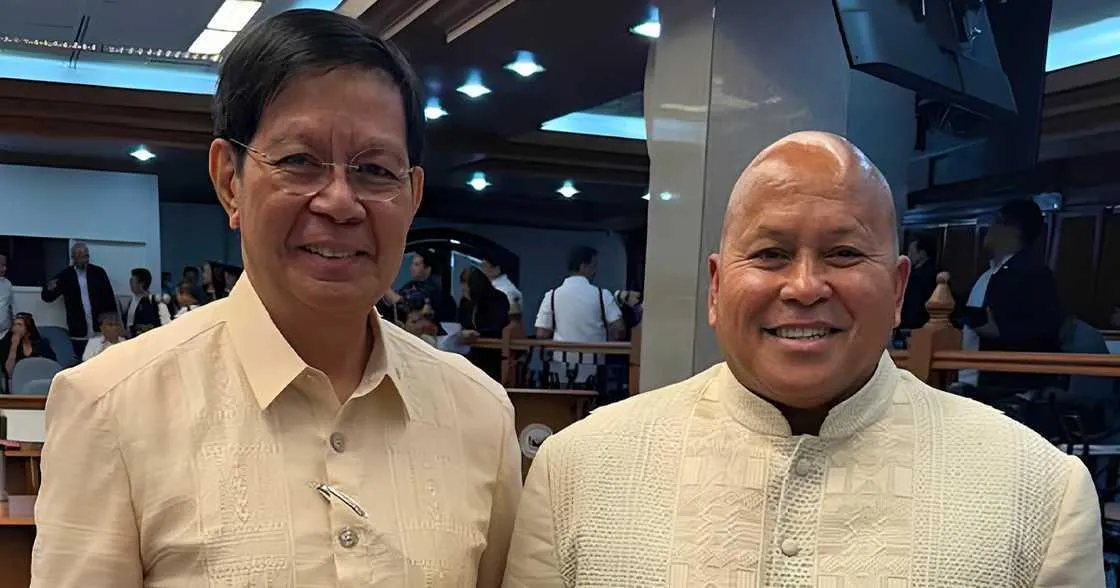
A blunt message is echoing once again inside political circles: public office demands presence, not distance. The phrase “show up or ship out” has resurfaced amid growing frustration over lawmakers who comment loudly from the sidelines but avoid formal proceedings where accountability is tested.
The criticism centers on a familiar pattern—officials who dominate interviews, social media, or press statements, yet are noticeably absent when hearings, inquiries, or votes take place. For observers, the issue is not disagreement, but disengagement.
In legislative work, attendance is not ceremonial. Hearings are where evidence is presented, records examined, and positions placed on the record. Skipping these processes while continuing to influence public opinion raises questions about seriousness and responsibility.
Veteran legislators have long argued that democratic institutions only function when elected officials participate fully—especially during moments of controversy. Silence in the chamber, paired with noise outside it, weakens trust and blurs accountability.
As debates intensify on budgets, investigations, and governance reforms, the message becomes sharper: leadership is demonstrated not by commentary, but by showing up when it matters most.
Quiet takeaway: Authority comes from participation. Absence speaks louder than criticism.





Disclaimer: This site uses publicly available images and materials for news, satire, and commentary. All rights belong to their respective owners. No copyright infringement intended.
© 2025 Politikanta Minute. All Rights Reserved.
Political Commentary • Satire • Faith-Based Reflection
Some visuals may be AI-generated for satire and illustration. Not real footage unless stated.

Disclaimer: This site uses publicly available images and materials for news, satire, and commentary. All rights belong to their respective owners. No copyright infringement intended.
© 2025 Politikanta Minute. All Rights Reserved.
Political Commentary • Satire • Faith-Based Reflection
Some visuals may be AI-generated for satire and illustration. Not real footage unless stated.