

Golden Globes
Golden Globes Winners & Nominees: The Names Shaping This Awards Season
Tap to view
👁
Mixed

Your support keeps independent commentary alive.
☕ Buy us a coffee and keep the conversation going
Curated Politikanta Minute playlists by focused political topic.
Latest GLOBAL-related updates, reactions, political tension, hearing clips, and issue breakdowns.
Watch More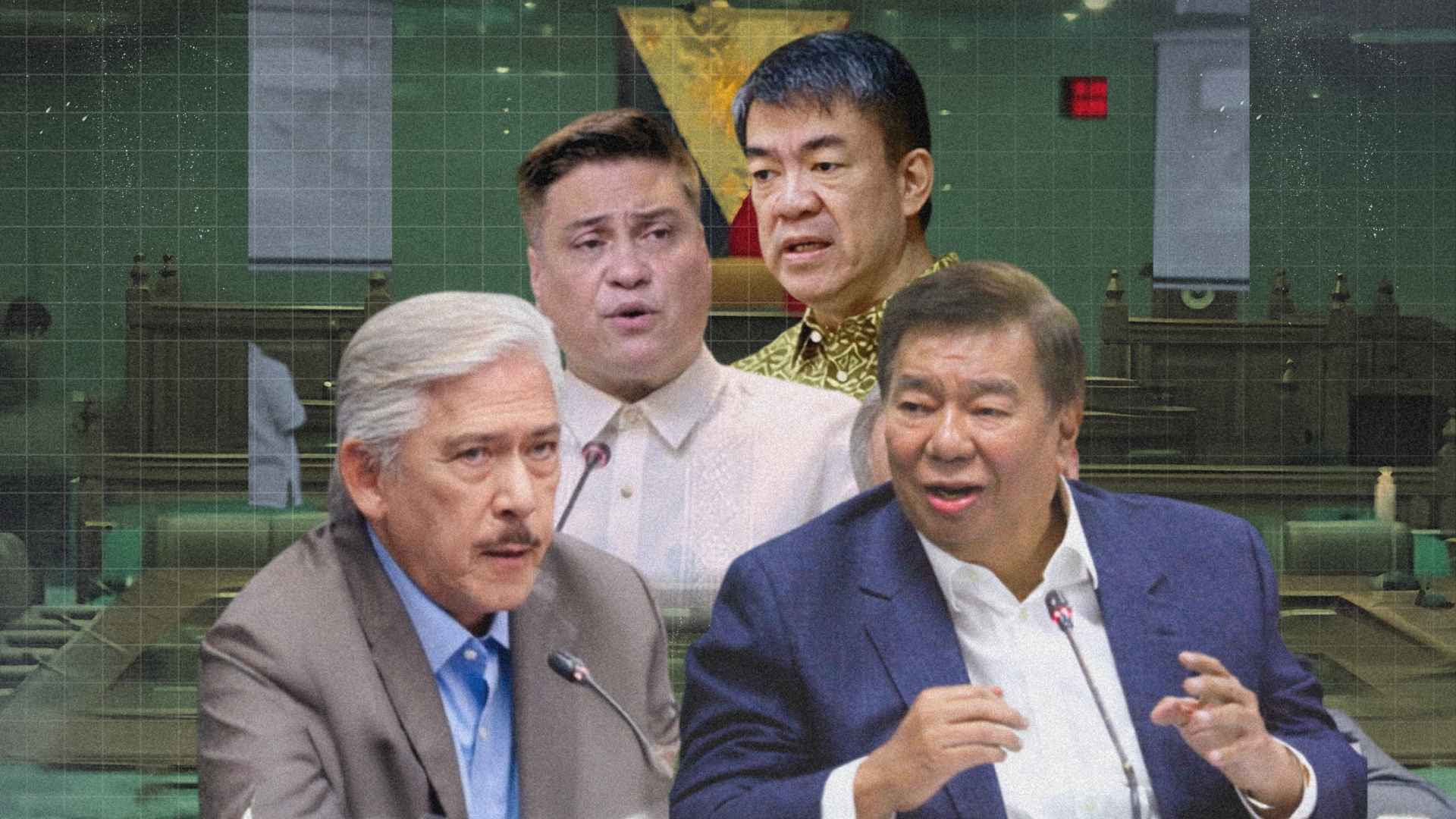
As tensions inside the Philippine Senate continue escalating, several former Senate Presidents have now publicly stepped in — urging incumbent senators to immediately resolve the growing leadership conflict before further damage is done to the institution.
In a rare joint statement, former Senate Presidents Aquilino “Koko” Pimentel III, Franklin Drilon, Vicente “Tito” Sotto III, and Juan Miguel “Migz” Zubiri called on current senators to de-escalate public hostilities and prioritize the urgent needs of the country over internal political battles.
Their message was calm but unmistakably serious.
“We urge all members of the chamber to resolve this crisis swiftly, within the bounds of the Constitution, the rules, and long-standing practice.”
That single line immediately caught national attention because it reflects growing concern that the Senate conflict is no longer just internal disagreement — but an institutional crisis already affecting public trust.
The statement comes amid the continuing dispute involving rival Senate factions following the recent reorganization battle inside the chamber.
One side recognizes the new leadership alignment associated with Senators Sherwin Gatchalian and Erwin Tulfo.
The other side, associated with Senate President Alan Peter Cayetano, continues questioning the legitimacy of the reorganization process.
The result has been days of public accusations, competing narratives, heated statements, and mounting confusion regarding authority inside the Senate itself.
And now, former Senate leaders appear increasingly worried about where this conflict is heading.
This is bigger than personalities now.
When former Senate Presidents — individuals from different political backgrounds and administrations — unite in issuing a public appeal, it signals concern not only about politics, but about institutional stability itself.
Because the danger here is not merely who wins the internal Senate battle.
The danger is public confidence collapsing altogether.
And many Filipinos are already showing signs of political exhaustion.
Flood issues.
Economic pressures.
Public frustration.
Distrust in institutions.
Against that backdrop, the Senate appearing internally fractured only deepens uncertainty.
That is likely why the former Senate Presidents chose their words carefully but firmly.
“The country cannot afford an unstable Senate…”
That line may ultimately become the central warning of this entire conflict.
One of the strongest parts of the statement was not even about the ongoing dispute itself.
It was about leadership.
The former Senate Presidents emphasized that the role of a Senate President is not simply to hold power — but to leave the institution stronger and more respected afterward.
That message quietly cuts deeper than many political speeches.
Because it reminds both camps that institutions matter more than temporary victories.
And perhaps that is what many Filipinos fear most right now:
that the Senate conflict is slowly becoming more personal than principled.
Observers online also noticed something politically significant:
the former Senate Presidents avoided openly siding with either faction.
Instead, the statement focused on constitutional order, procedure, and institutional dignity.
That neutrality may be intentional.
Because as political camps quietly reposition ahead of future national battles, the Senate is increasingly becoming one of the country’s most sensitive power centers.
And many Filipinos sympathetic to the Duterte-aligned bloc continue watching closely to see which personalities prioritize stability versus political maneuvering.
Social media reactions reflected growing concern:
“At least former Senate leaders are trying to calm things down.”
“The Senate looks divided more than ever.”
“This issue is getting dangerous for the institution.”
“The public is losing trust.”
“Leadership should strengthen institutions, not weaken them.”
Others praised the former Senate Presidents for speaking with restraint instead of escalating the situation further.
Political fights come and go.
But when institutions themselves become unstable, the effects reach ordinary Filipinos directly.
Markets react.
Public trust weakens.
National focus gets distracted from urgent issues.
That is why moments like this matter.
Because the Senate is not supposed to function as a permanent battlefield between rival camps.
It is supposed to function as one of the country’s stabilizing democratic institutions.
And right now, many Filipinos are wondering whether that stability is beginning to crack.
“Where there is no guidance, a people falls, but in an abundance of counselors there is safety.”
This verse highlights the importance of wisdom, counsel, and responsible leadership during times of conflict.
The intervention of former Senate Presidents reflects an attempt to restore order, stability, and institutional accountability during a period of rising tension.
Leadership is not only tested during moments of power — but during moments of division.
True wisdom seeks resolution before conflict damages the people being served.
January 18, 2026•1 min read
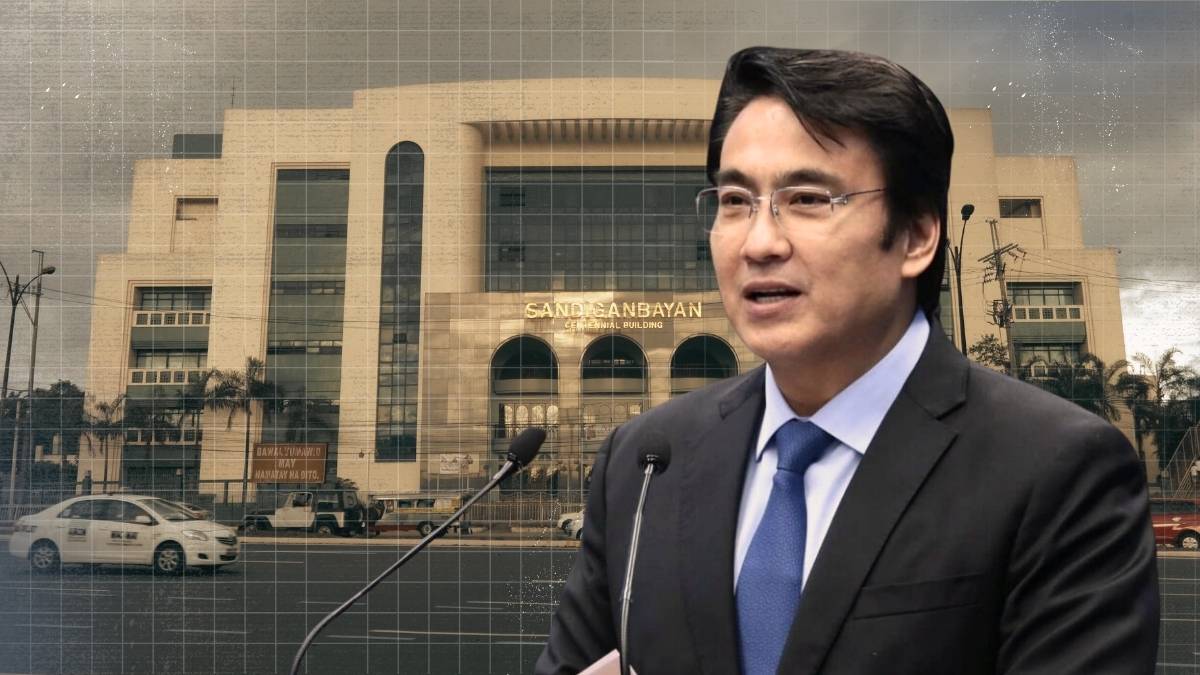
Senator Ramon Bong Revilla Jr. and six other individuals are facing graft and malversation charges over an alleged ₱93-million “ghost” infrastructure project, according to court filings linked to anti-corruption prosecutors.
The case centers on claims that public funds were released for a project that was either never completed or never existed at all—raising red flags about documentation, disbursement, and project validation. Authorities allege that despite the absence of actual implementation, payments were processed and funds were accounted for as if the work had been carried out.
Charges were filed before the Sandiganbayan, which handles cases involving public officials accused of corruption-related offenses. Graft charges typically address abuse of authority or undue advantage, while malversation focuses on the misuse or misappropriation of public funds.
Revilla has consistently denied wrongdoing in corruption cases filed against him in the past, maintaining that allegations should be resolved through due process. As with all defendants, the presumption of innocence applies until proven otherwise in court.
The filing of charges marks a procedural step, not a verdict. The court will determine whether sufficient evidence exists to proceed to trial and eventually rule on accountability.
Quiet takeaway: When public money funds “nothing,” accountability must fund the truth.





Disclaimer: This site uses publicly available images and materials for news, satire, and commentary. All rights belong to their respective owners. No copyright infringement intended.
© 2025 Politikanta Minute. All Rights Reserved.
Political Commentary • Satire • Faith-Based Reflection
Some visuals may be AI-generated for satire and illustration. Not real footage unless stated.

Disclaimer: This site uses publicly available images and materials for news, satire, and commentary. All rights belong to their respective owners. No copyright infringement intended.
© 2025 Politikanta Minute. All Rights Reserved.
Political Commentary • Satire • Faith-Based Reflection
Some visuals may be AI-generated for satire and illustration. Not real footage unless stated.