
Golden Globes
Golden Globes Winners & Nominees: The Names Shaping This Awards Season
Tap to view
👁
Mixed

Your support keeps independent commentary alive.
☕ Buy us a coffee and keep the conversation going


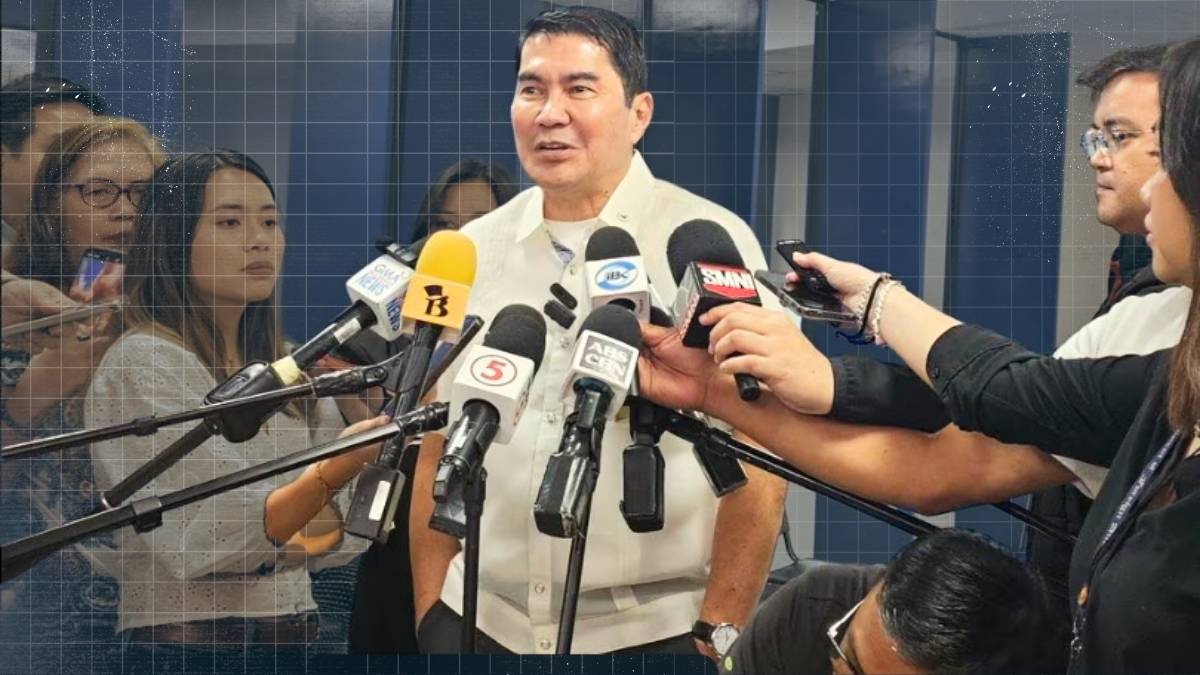
In politics, the loudest contradiction isn’t shouted by critics—it’s echoed by your own past statements.
Just days after fiery remarks that sounded less like diplomacy and more like street-level bravado, Erwin Tulfo is now calling on fellow lawmakers to “tone down personal attacks” against Chinese officials amid Code of Conduct (COC) talks.
On its face, the appeal sounds responsible. Measured. Statesmanlike.
But the internet never forgets.
Because preserved on video—circulating widely across social platforms—is a Senate speech where the same official thundered:
“If you do not like how democracy works in this country, then you are free to leave the Philippines—get the f** out.”*
That isn’t a paraphrase. That’s a record.
And this is where the issue sharpens—not about China, not about foreign policy alone, but about credibility.
Diplomacy operates on consistency. Words uttered from the Senate floor don’t evaporate after the claps fade. They linger—especially when spoken by someone now chairing foreign affairs discussions.
When a lawmaker moves from incendiary rhetoric to calls for restraint, the public is entitled to ask:
Was the earlier outburst strategic—or impulsive?
Was the later call for calm principled—or damage control?
And which version should foreign counterparts believe?
You cannot credibly demand moderation from others while your own words remain unaccounted for.
National pride is not measured in decibel levels. Shouting “get out” may play well in a viral clip, but geopolitics doesn’t reward applause—it exacts consequences.
Foreign policy isn’t about who sounds toughest on camera. It’s about protecting:
Overseas Filipino Workers
Export industries
Tourism flows
Supply chains
Strategic negotiations already hanging by a thread
A sudden pivot from confrontation to conciliation, without acknowledgment or accountability, doesn’t project strength. It projects instability.
And instability is something neither allies nor adversaries ignore.
Here’s the deeper irony.
A speech that invokes democracy to justify telling people to leave the country collides head-on with democratic principle itself. Democracy protects dissent. It tolerates criticism. It absorbs discomfort.
Telling people to “get out” because they disagree with how democracy works is not democratic confidence—it’s democratic insecurity.
When that same voice later urges restraint, the message collapses under its own weight.
This isn’t about canceling anyone. It’s about owning the microphone.
True leadership doesn’t pretend yesterday didn’t happen. It confronts it head-on:
“I spoke in anger.”
“I crossed a line.”
“Here is why I am choosing a different tone now.”
That kind of accountability strengthens institutions. Silence weakens them.
In the age of clips, screenshots, and archived streams, political memory is no longer selective. The public doesn’t rely on recollection—it relies on replay.
And when yesterday’s words directly contradict today’s position, the issue isn’t spin. It’s trust.
You can’t ask others to “tone it down” while your own volume is still echoing.






















Disclaimer: This site uses publicly available images and materials for news, satire, and commentary. All rights belong to their respective owners. No copyright infringement intended.
© 2025 Politikanta Minute. All Rights Reserved.
Political Commentary • Satire • Faith-Based Reflection
Some visuals may be AI-generated for satire and illustration. Not real footage unless stated.
Disclaimer: This site uses publicly available images and materials for news, satire, and commentary. All rights belong to their respective owners. No copyright infringement intended.
© 2025 Politikanta Minute. All Rights Reserved.
Political Commentary • Satire • Faith-Based Reflection
Some visuals may be AI-generated for satire and illustration. Not real footage unless stated.


