
Why Parents in Castle Hill Choose Professional Tutors for HSC Success
When parents start searching for professional tutors in Castle Hill, it’s rarely a casual decision. It usually comes at a moment when the pressure of senior school becomes real, when the HSC is no longer “someday,” but right around the corner.
At that stage, the question isn’t just “Is my child studying?” It becomes, “Are they actually preparing in a way that leads to results?”
Because effort alone doesn’t always translate into results, especially in the HSC.
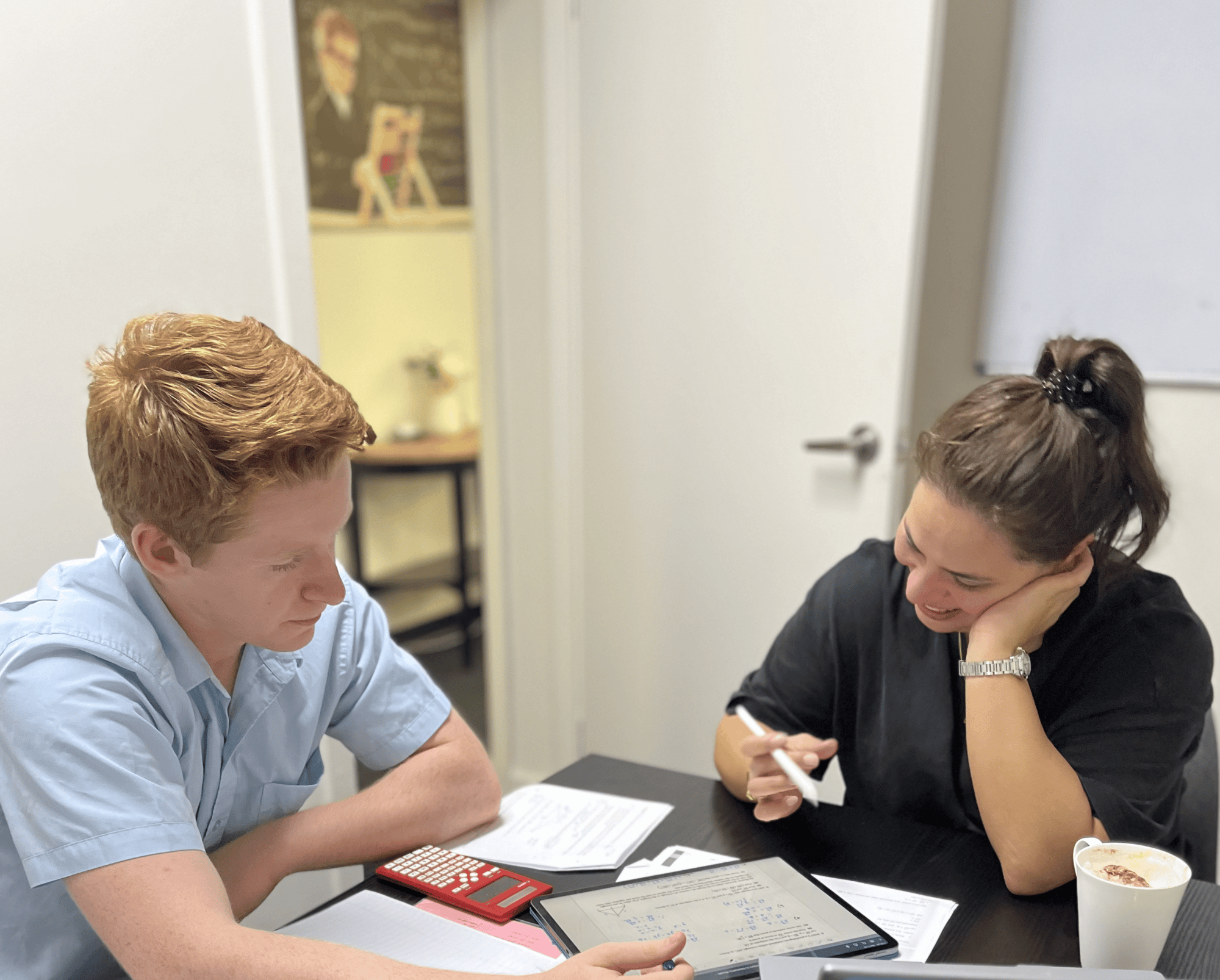
Why the HSC Changes Everything
The Higher School Certificate isn’t just another set of exams. It’s a structured, high-stakes system that tests more than just knowledge.
Students are expected to:
Apply concepts under time pressure
Structure responses clearly
Interpret questions accurately
Manage multiple subjects at once
That’s where many students struggle, not because they don’t understand the content, but because they don’t know how to use it effectively.
What Professional Tutors Actually Do Differently
There’s a big difference between general tutoring and working with professional tutors.
Professional tutors tend to focus on:
Syllabus-specific teaching
Exam techniques and strategies
Targeted practice based on student weaknesses
Clear explanations that simplify complex topics
Instead of just helping students “get through” homework, they help them understand how to approach exams with clarity and structure.
That shift alone can change outcomes significantly.
The Gap Between School Learning and Exam Performance
One of the biggest frustrations parents notice is this:
A student understands the topic, but still underperforms in exams.
That usually comes down to:
Misinterpreting questions
Weak answer structure
Poor time management
Lack of exam practice
Professional tutors focus heavily on closing that gap.
They don’t just teach content; they teach students how to think within the exam format.
Confidence: The Overlooked Advantage
Academic improvement isn’t just about knowledge. Confidence plays a major role.
Students who feel unsure tend to:
Second-guess their answers
Avoid difficult questions
Lose time during exams
But when students work with structured support, something changes.
They begin to:
Recognize question patterns
Approach problems more calmly
Write with more clarity and purpose
Confidence builds gradually, but it often becomes the difference between average and strong performance.
A Common Concern: Does Tutoring Add More Pressure?
Some parents hesitate to engage professional tutors because they worry about adding stress.
That concern is valid, but it depends on how tutoring is done.
Tutoring becomes overwhelming when:
Sessions lack structure
Expectations aren’t clear
Students feel like they’re constantly catching up
But when sessions are well-organized and aligned with school learning, tutoring tends to reduce stress.
It replaces uncertainty with direction.
What Makes Tutoring Effective for HSC Students
Not all tutoring delivers the same results.
The most effective setups tend to include:
Consistency (regular sessions, not last-minute help)
Clear lesson goals (each session builds on the last)
Ongoing assessment (tracking progress over time)
Practice under exam conditions
Without these elements, tutoring often becomes reactive instead of strategic.

Where Structured Tutoring Fits In
Some tutoring services are designed specifically around HSC preparation, focusing on structured progression rather than general support.
For example, programs like Learning Space emphasize aligning lessons with syllabus outcomes and exam expectations. That kind of structure helps students focus on what actually matters during senior years.
It’s less about doing more work and more about doing focused, relevant work.
When Professional Tutors Make the Biggest Difference
Professional tutors tend to have the most impact when:
A student understands content but struggles in exams
Results don’t reflect effort
There are specific subjects causing difficulty
The student is aiming for a competitive ATAR
In these cases, the issue is rarely intelligence; it’s strategy.
What Parents Should Look For
If you’re considering professional tutors, look beyond surface-level claims.
Ask questions like:
How do you structure your lessons?
How do you prepare students for exams specifically?
How do you track improvement?
What happens if a student falls behind?
Clear answers usually indicate a well-developed system.
Vague answers often mean the approach isn’t consistent.
The Honest Limitation of Tutoring
It’s worth saying this clearly: tutoring isn’t a shortcut.
Even with the best professional tutors, students still need to:
Stay consistent with the study
Engage with the material
Practice independently
Tutoring works best as a support system, not a replacement for effort.
The goal isn’t to do the work for the student. It’s to make sure their effort leads somewhere.
How Early Should Students Start?
Many parents wait until Year 12, but starting earlier can make a difference.
Beginning in Year 11 allows:
Stronger foundation building
Less pressure closer to exams
More time to develop exam techniques
That said, it’s never too late to improve; structured support can still create meaningful change, even later on.
Professional Tutors and the Shift From Effort to Strategy
Professional tutors don’t replace hard work; they make sure that hard work is directed, structured, and aligned with what the HSC actually demands. Many students already put in the hours, reviewing notes, completing assignments, and revisiting lessons, but without a clear strategy, that effort can feel scattered. Instead of improving steadily, they end up repeating the same mistakes or focusing on areas that don’t significantly impact their exam results.
What professional tutors change is the direction of that effort. They help students focus on high-impact topics, understand how exam questions are structured, and develop clear, repeatable approaches to answering them. Over time, students stop guessing and start working with purpose, recognizing patterns, managing their time better, and building consistency in their performance. For many, that shift from simply working harder to working smarter is what ultimately changes the outcome.
FAQs
Are professional tutors only for struggling students?
No. Many high-performing students use tutoring to refine exam techniques and maximize results.
How often should tutoring sessions happen?
Most students benefit from 1–2 sessions per week, depending on subject difficulty.
Can tutoring guarantee a high ATAR?
No, but it significantly improves preparation, confidence, and performance.
Is group tutoring enough for HSC preparation?
It can be, especially if sessions are structured. Some students may still need additional one-on-one support.
What subjects benefit most from tutoring?
Subjects with heavy content or complex problem-solving, like Maths, English, and Sciences, often see the biggest gains.
