
What Buyers Are Really Looking for When They Read a Case Story
Buyers rarely read case stories out of curiosity. They read them when a decision feels closer, and the need for reassurance becomes more acute.
At this stage, they are not looking to be inspired or impressed. They are trying to reduce uncertainty and make sense of risk.
This is an important distinction because it explains why many case studies feel ineffective despite being well-written and visually polished.
When a buyer opens a case story, they are usually asking a quiet set of questions.
Does this situation resemble mine?
Do these constraints feel familiar?
Does the outcome seem achievable in my context, not just theirs?
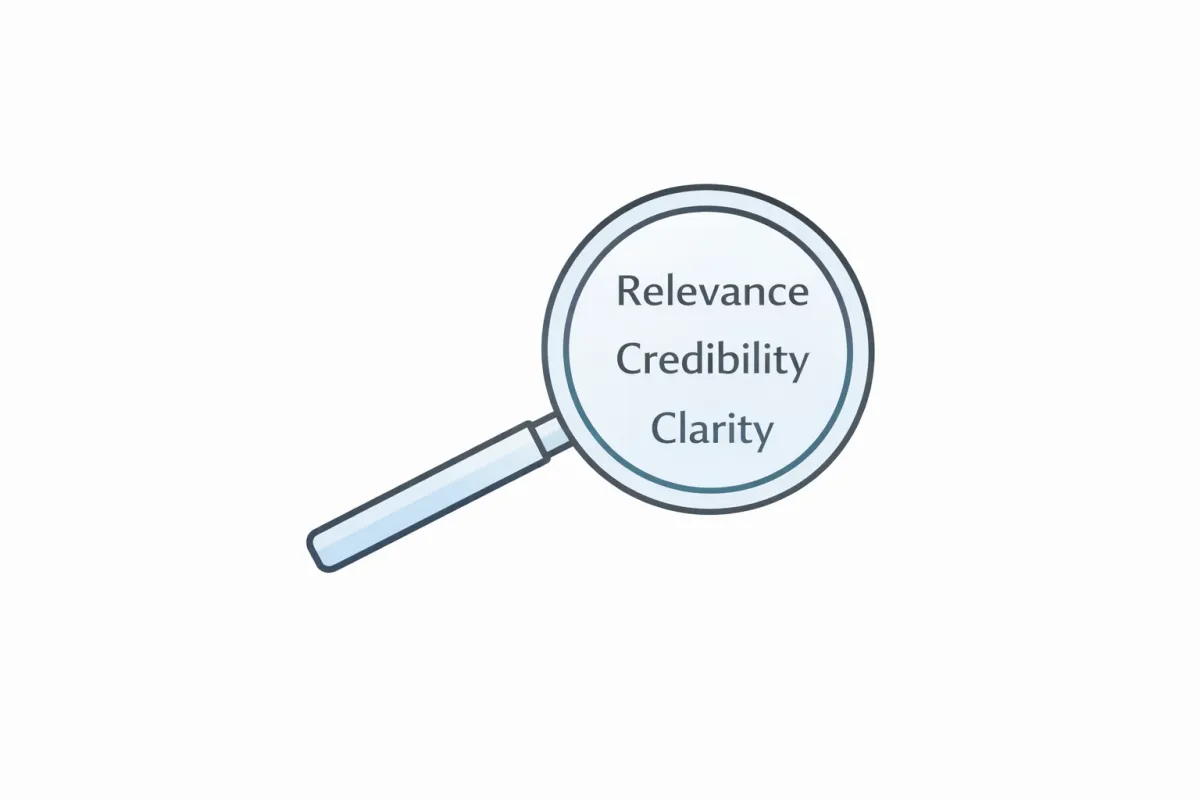
Relevance is often the first hurdle.
If the situation described feels too distant, too simplified, or too polished, the reader disengages quickly.
They may not consciously reject the story, but they stop using it as a reference point.
Credibility comes next.
Buyers want to understand whether the success described was earned through sound judgement. They look for signs that challenges were acknowledged, trade-offs were considered, and decisions were made deliberately rather than by chance.
This does not require excessive detail, but it does require honesty and specificity. Vague claims or overly smooth narratives make it harder for buyers to trust what they are reading.
Clarity is the final piece.
A case story should help a buyer think more clearly about their own situation. It should reduce mental effort, not increase it. When readers have to work too hard to interpret what happened or why it matters, confidence tends to fall rather than rise.
Taken together, relevance, credibility, and clarity are what allow a case story to do its real job.
They help a buyer imagine working with you and assess whether the outcome described feels repeatable.
This is why effective case stories often feel calm rather than promotional. They respect the reader’s intelligence and acknowledge the complexity of real decisions.
When buyers find what they are looking for, they may not immediately take action. But they do something just as important. They remember you as a safer, more considered option when the decision matters.