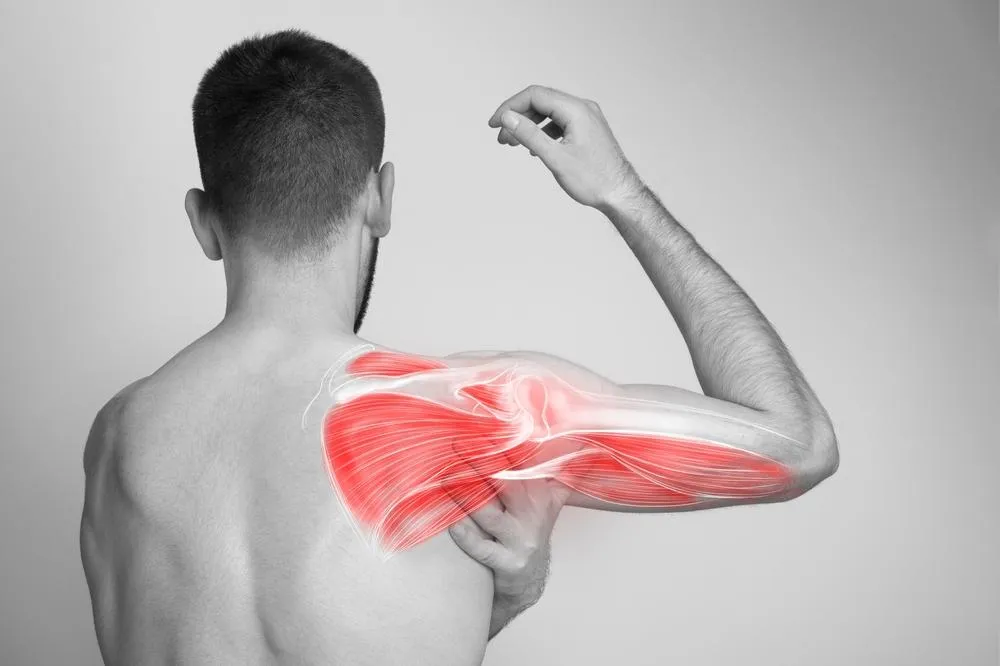
How to Recognize the Difference Between Muscle Fatigue and Injury
Every athlete has experienced that deep burn during a workout. The kind that makes muscles tremble, sweat pour, and lungs tighten. That’s muscle fatigue, a natural part of progress. But when discomfort turns into sharp pain or lingers long after the session ends, it might signal something more serious. Recognizing the difference between muscle fatigue and an actual injury can be the key to preventing long-term damage and staying consistent in your training.
Understanding howmuscle fatigue develops and when it crosses into injury territory helps you make smarter decisions about rest, recovery, and performance longevity.
What Happens During Muscle Fatigue
Muscle fatigue occurs when your muscles temporarily lose their ability to generate force. This isn’t a sign of failure, just a physiological process. During intense exercise, your body depletes energy stores like ATP and glycogen, while lactic acid accumulates in the muscle fibers. This causes that heavy, burning sensation that makes it difficult to maintain form or lift as much weight.
In most cases, fatigue is reversible. Given adequate rest, hydration, and nutrition, muscle fibers recover and adapt to become stronger. This is how training creates progress, through cycles of stress and repair.
However, pushing through muscle fatigue without recovery can compromise form, overload tendons and ligaments, and set the stage for an actual injury.

When Muscle Fatigue Becomes a Red Flag
It’s normal to feel tired or sore after a challenging workout, but certain symptoms should make you pause and reevaluate. Here are some warning signs that what you’re feeling may not be ordinary fatigue:
Sharp or localized pain: Fatigue causes a dull ache or burning sensation, while injuries are often sharp and pinpointed.
Swelling or bruising: Visible inflammation indicates tissue damage, not just exhaustion.
Pain that worsens with rest: Fatigue improves after recovery, but pain that persists or intensifies may suggest strain or tear.
Loss of strength or function: Inability to lift, extend, or move without discomfort is a key indicator of muscle injury.
Pain lasting more than 72 hours: Delayed onset muscle soreness (DOMS) usually peaks within 24–48 hours, so longer-lasting pain deserves attention.
When these signs appear, it’s time to scale back. Continuing to train through pain can transform a small strain into a chronic injury.
After recognizing these red flags, take a short rest period, apply gentle mobility work, and consider scheduling an evaluation to rule out deeper muscle or tendon involvement.
Common Causes of Muscle Fatigue and Injury
In most training routines, injuries result not from one wrong move but from accumulated microtraumas over time. Common contributing factors include:
Overtraining: Insufficient rest days prevent full muscle repair and lead to fatigue buildup.
Poor form: Compensatory movements stress supporting muscles and joints.
Muscle imbalances: Weak stabilizers force stronger groups to overwork.
Dehydration and electrolyte loss: Reduced cellular efficiency increases strain during workouts.
Ignoring early warning signs: Pushing through minor pain often leads to significant damage.
Taking the time to assess movement quality and recovery habits can drastically lower your injury risk and keep your progress sustainable.
Rest and Recovery: The True Foundation of Strength
Recovery is not a passive phase. It’s where your muscles adapt and grow stronger. The body repairs microscopic tears, restores glycogen, and recalibrates the nervous system to handle more load next time.
Here are essential strategies to optimize recovery and prevent common muscle injuries:
Prioritize sleep: Aim for 7–9 hours nightly to allow tissue repair and hormone regulation.
Stay hydrated: Water and electrolytes are crucial for nutrient transport and muscle contraction.
Add active recovery days: Light movement like cycling, walking, or mobility drills boosts circulation and reduces soreness.
Integrate stretching and foam rolling: These improve flexibility and release tight fascia that restrict movement.
Support your body nutritionally: Adequate protein, antioxidants, and omega-3s speed up cellular healing.
Preventing injuries begins with respecting recovery as an integral part of training, not an optional luxury.

When to Seek Professional Help
Sometimes, rest and home care aren’t enough. If pain interferes with daily activities or training performance, a deeper intervention might be necessary. At this stage, techniques that address tissue health and inflammation can make a major difference.
Non-invasive treatments and mobility work can accelerate healing and help restore full function without resorting to surgery. These treatments complement proper rest and active recovery routines, helping the body realign and repair efficiently.
Building Body Awareness Through Mindful Training
Learning to distinguish between fatigue and pain requires tuning in to your body’s signals. Mindful athletes check in with how their bodies respond throughout a session by monitoring form, breath, and fatigue levels instead of simply focusing on reps or time.
This awareness not only reduces injury risk but also enhances overall performance. When you know when to push and when to pause, your training becomes smarter, safer, and more sustainable.
Listening to Your Body is an Investment in Longevity
Recognizing the difference between muscle fatigue and injury can make the difference between steady progress and long-term setbacks. Respecting rest, optimizing recovery, and staying attentive to warning signs all contribute to healthier, more consistent performance.
At Optimal Health Members, we understand that pain shouldn’t hold you back from doing what you love. Through our sports injury treatment program, we use advanced, non-surgical therapies to restore movement, reduce inflammation, and promote faster healing. Our goal is simple: to help you move freely, train confidently, and live fully. Book a session today.
