Does Chronic Pain Have More to Do With Cells Than Joints?
A familiar story plays out for many adults living with chronic pain. The first ache shows up in a joint, so the logical next step is treating that joint. Maybe it’s the knee that always tightens after workouts, the shoulder that refuses to rotate smoothly, or the lower back that stiffens after a long day. Treatments may temporarily ease discomfort, but the pain slowly returns. Over time, it becomes clear that the issue is not only mechanical. Something deeper is influencing how the body heals, responds to stress, and recovers from daily wear.
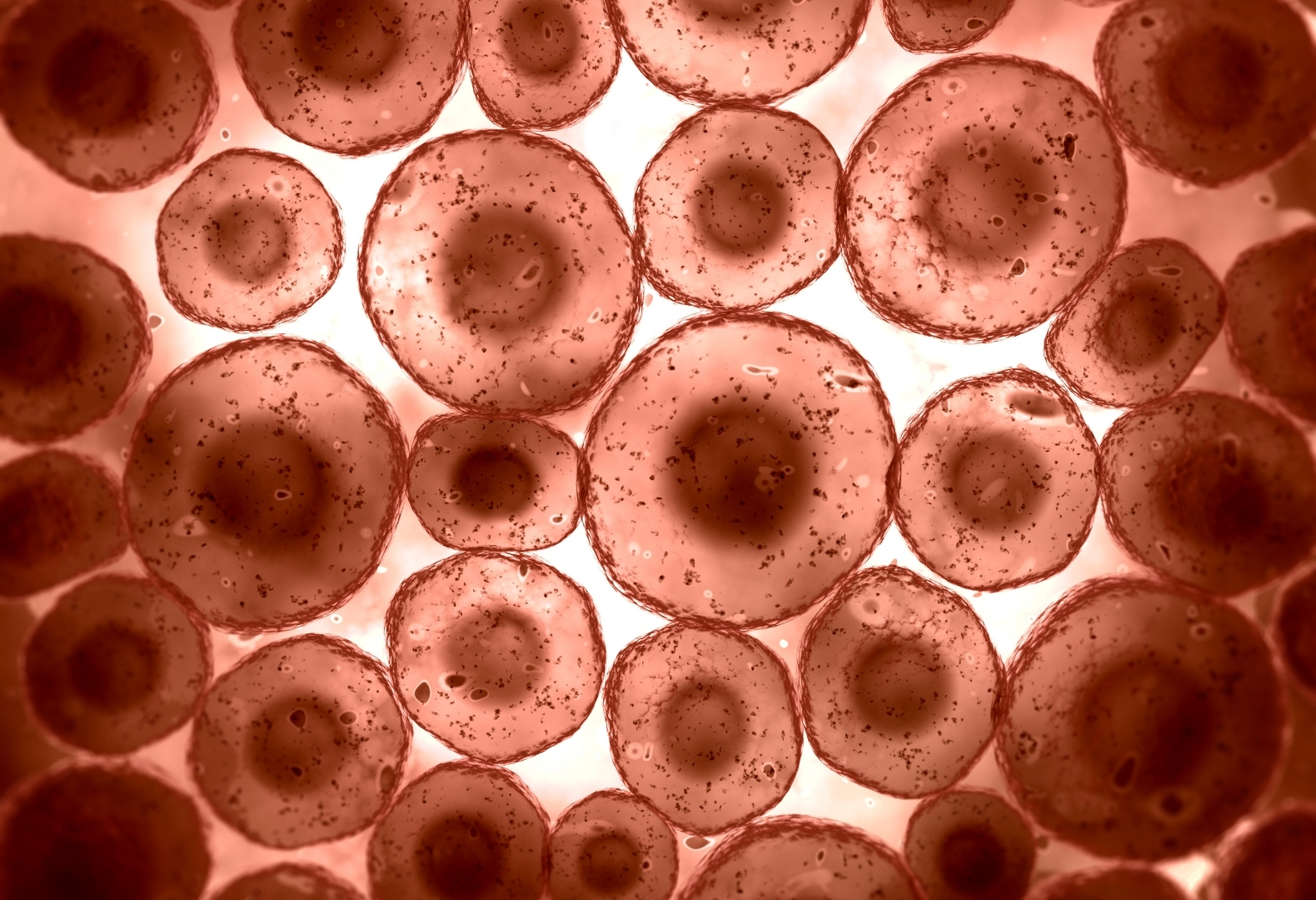
Chronic pain often appears to start in the joints, but its roots extend far beyond cartilage and bone. The real drivers of long-lasting discomfort frequently lie at the cellular level, where mitochondrial energy output, tissue oxygenation, inflammation cycles, and overall cellular health determine how well the body repairs itself. When cells lose efficiency, tissues lose resilience. Joints begin to ache, muscles tighten, nerves become irritated, and pain becomes a repeating pattern instead of a passing signal.
This shift in perspective changes everything about how chronic pain should be understood and treated. Addressing the biology behind pain often brings more sustainable results than focusing solely on the joints.
Why Cellular Health Shapes Chronic Pain More Than Most People Realize
The body’s healing process begins inside each cell, especially within the mitochondria. These small structures serve as the primary energy source for tissue repair. When mitochondria produce strong, consistent energy, muscles, tendons, ligaments, and nerves respond well to stress and recover efficiently. When mitochondrial output weakens, tissues struggle to repair micro damage from activity, posture, and movement.
Reduced cellular energy leads to slower recovery, increased inflammation, and a higher chance that minor irritation becomes chronic pain. Blood flow also plays a vital role. Without enough oxygen and nutrients, cells cannot repair torn fibers or rebuild damaged tissue. Circulation brings the raw materials needed for recovery, and when it drops, the repair cycle slows.
Chronic pain often reflects these deeper cellular disruptions rather than a structural joint problem. A stiff shoulder may begin as a small mobility limitation, but if the surrounding tissue lacks cellular energy and oxygenation, that limitation persists. Over time, that same limitation triggers compensations, irritates nerves, and increases inflammation. The joint becomes the site of pain, but the cellular environment is the true source of the problem.

How Joint Focused Approaches Miss the Bigger Biological Picture
Traditional joint-based treatment often centers on reducing inflammation, improving mobility, and strengthening the surrounding muscles. These strategies can be helpful, but they do not fully resolve pain when deeper biological issues remain unaddressed.
When the priority is only the joint itself, early signals of cellular dysfunction go unnoticed. Pain that keeps returning even after rest, stretching, or localized treatment often reflects tissues that cannot heal efficiently. If cells lack the energy to rebuild damaged fibers, the pain cycle continues regardless of how strong or mobile the joint becomes.
Biology-oriented recovery shifts the focus toward strengthening cellular repair systems. Improving blood flow, restoring tissue quality, and stimulating regenerative activity create a foundation that supports lasting recovery. Treatments such as shockwave technology help activate healing processes that reach deeper than manual therapy alone. By stimulating cellular activity, encouraging improved circulation, and reducing widespread inflammation, the body becomes better equipped to repair areas that have been stuck in a pattern of chronic irritation.
Chiropractic care that includes attention to both the spine and extremities also plays a role in restoring full-body function. When joints regain proper motion and soft tissues receive better oxygenation, the entire kinetic chain operates with less stress. Combined with nutritional strategies that reduce inflammation and support mitochondrial health, this approach strengthens the biological foundation needed for long-term pain relief.
Mitochondrial Energy, Blood Flow, and Tissue Quality: The Silent Influencers of Pain
Mitochondria determine how fast tissues recover after being stressed. When these structures produce strong energy, the body clears damaged cells efficiently and rebuilds healthy ones. When they slow down, chronic pain becomes more likely because damaged tissues remain irritated for longer periods.
Blood flow brings oxygen, removes cellular waste, and nourishes healing tissues. Areas with poor circulation often feel stiff, achy, or inflamed because they do not receive enough resources to recover. Chronic pain frequently appears in areas with restricted blood supply, such as the lower back, hips, and feet.

Tissue quality matters as well. Scar tissue, adhesions, and micro tears create an environment where cells struggle to repair effectively. If tissue quality declines, muscles and joints cannot move smoothly, and nerves may become irritated. Improving tissue quality at the cellular level helps restore natural mobility and reduce chronic irritation.
Laser-enhanced spinal decompression supports this idea by restoring circulation around the spine, improving disc health, and promoting recovery in tissues that rarely receive enough oxygen. Shockwave technology also helps by stimulating cellular responses that enhance tissue regeneration. Both approaches work with the body’s biology rather than against it, promoting long-term healing rather than temporary symptom relief.
A New Perspective on Chronic Pain and Long-Term Recovery
Chronic pain often signals a deeper imbalance within the body’s cellular environment. When healing slows and inflammation cycles repeat, the issue becomes more complex than a single joint. The body may be asking for improved circulation, better oxygen delivery, stronger mitochondrial output, or more efficient tissue regeneration.
Addressing chronic pain through this biological lens helps the body move beyond temporary relief and into long-lasting recovery. Supporting cellular health allows tissues to repair fully, joints to move cleanly, and daily activities to feel natural again. Restoring these systems does not just relieve discomfort. It also protects long-term mobility, strength, and performance.
Real Healing Begins at the Cellular Level
Chronic pain can limit movement, affect focus, and interrupt the activities that bring joy and purpose. Exploring the cellular drivers of pain opens the door to a more complete recovery. Strengthening mitochondrial energy, improving blood flow, and supporting tissue regeneration help the body heal with greater efficiency and resilience. When these systems work well, joints feel better, movement feels lighter, and the body responds to stress with strength instead of irritation.
At Optimal Health Members, we dedicate our time to helping adults break free from chronic pain through non-surgical, biology-oriented treatments. Our SoftWave technology, advanced spinal decompression table, progressive chiropractic approach, and nutritional strategies work together to reduce inflammation, enhance cellular healing, and restore full-body function. Anyone experiencing chronic discomfort has the opportunity to shift their healing process in a more powerful direction. Book a session today.
