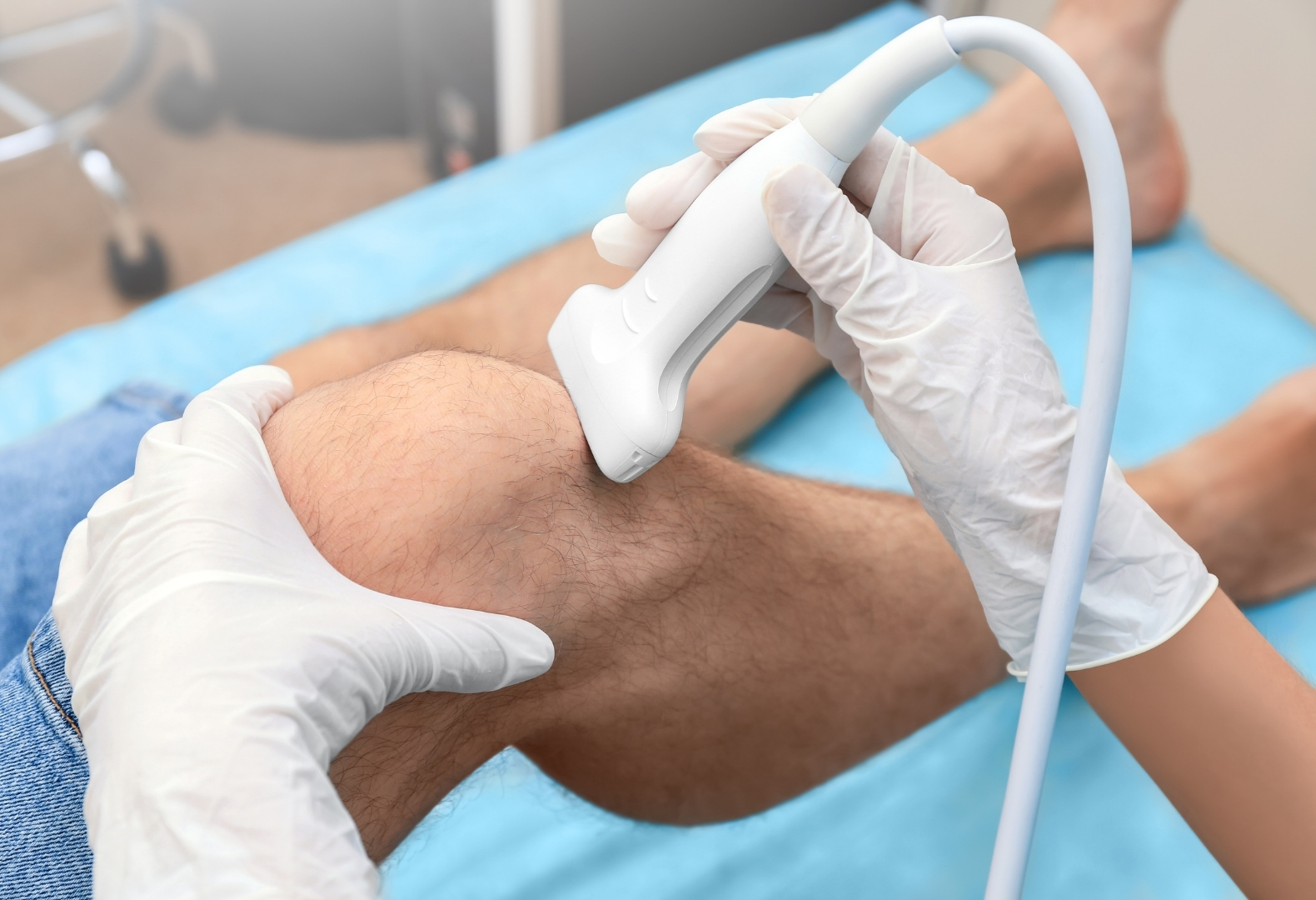
Knee Pain That Won’t Improve: Why SoftWave Therapy May Be the Missing Link
Knee pain has a way of lingering. It limits training volume, alters movement mechanics, and makes everyday activities feel unpredictable. For many people, rest, strengthening, and basic care offer short-term relief, yet discomfort keeps returning. That pattern is why SoftWave Therapy for knee pain has gained attention as a solution for cases where healing appears stalled rather than absent.
Knees absorb significant force with every step, jump, and change of direction. When recovery mechanisms cannot keep pace with those demands, pain becomes persistent. Addressing that imbalance requires more than symptom management. It requires supporting tissue regeneration, circulation, and joint loading efficiency together.
Why Some Knee Pain Refuses to Resolve
Knee pain often begins with a specific trigger, such as overuse, impact, or an awkward movement. Over time, micro tears can develop within tendons, ligaments, and surrounding soft tissue. These micro injuries may not show up clearly on imaging, yet they disrupt tissue integrity and sensitivity.
Chronic inflammation further complicates the picture. When inflammatory signals remain elevated, tissue becomes less responsive to exercise and manual care. Even well-designed strengthening programs may stall because the tissue environment is not prepared to adapt. This scenario is common in long-standing tendon irritation, early degenerative changes, and post-injury stiffness.

Micro Tears and Delayed Healing
Micro tears represent small-scale tissue damage that accumulates over time. Unlike acute injuries, they often do not trigger full inflammatory repair cycles. Instead, the tissue enters a prolonged state of irritation, where healing remains incomplete.
This is where SoftWave Therapy for knee pain becomes relevant. By delivering acoustic waves into the affected area, SoftWave technology supports cellular signaling and circulation that encourage tissue responsiveness. Improved oxygen delivery and metabolic activity help restart repair processes that may have slowed due to chronic stress.
Rather than forcing tissue to tolerate load, SoftWave therapy helps prepare the tissue to adapt again.
Joint Loading and Movement Patterns
Knee pain is rarely isolated to the knee itself. Joint loading patterns play a significant role in how stress accumulates. Limited hip mobility, ankle restriction, or altered foot mechanics can increase force through the knee joint during movement.
When these compensations persist, even healthy tissue can become irritated. Addressing joint loading requires restoring mechanical balance throughout the lower body so force distributes efficiently.
Chiropractic care in Henderson addresses joint mechanics beyond the spine, including the hips, knees, ankles, and feet. Improving alignment and mobility in these areas reduces unnecessary stress on the knee and supports more efficient movement.
Circulation as a Key Factor in Knee Recovery
Healthy circulation is essential for tissue repair. Blood delivers oxygen and nutrients while removing metabolic waste that contributes to soreness and stiffness. Reduced circulation around the knee can slow healing and prolong discomfort.
SoftWave therapy supports circulation at deeper tissue levels, reaching areas that manual techniques may not fully access. Enhanced blood flow improves tissue resilience and allows strengthening and mobility work to become more effective over time.
This circulation-focused approach explains why improvements often feel gradual but sustained rather than immediate and fleeting.
Supporting Tendons, Ligaments, and Surrounding Tissue
The knee relies heavily on tendons and ligaments to manage load and stability. Chronic pain often reflects irritation within these structures rather than joint surfaces alone. Tendons, in particular, respond slowly to traditional rest-based strategies.
SoftWave sessions target these dense tissues by encouraging mechanical stimulation at the cellular level. This input may help reduce sensitivity and improve tissue adaptability, making it easier to progress with functional movement and training.
For people dealing with long-standing tendon discomfort or recurring flare-ups, this support can represent a turning point in recovery.
Integrating SoftWave Into Comprehensive Knee Care
SoftWave therapy works best when integrated into a broader care strategy. Addressing tissue quality alone is not enough if joint mechanics and movement patterns remain compromised.
Providers often combine SoftWave sessions with chiropractic adjustments, mobility guidance, and progressive loading strategies. This integrative approach helps ensure that newly responsive tissue is supported by efficient movement mechanics rather than reloaded under the same stress patterns.
In cases where knee pain is influenced by spinal or nerve-related factors, non-surgical spinal decompression may also be incorporated. Reducing spinal compression can improve nerve signaling to the lower extremities, supporting coordinated movement and recovery.
Inflammation Management and Recovery Support
Inflammation is a necessary part of healing, but persistent inflammation slows progress. Managing this response helps tissue remain adaptable and reduces recurring soreness.
Supportive modalities such as red light therapy are often used alongside SoftWave therapy to support cellular energy production and circulation. These tools complement hands-on care by promoting comfort and recovery between sessions.

Lifestyle factors also influence knee health. Movement habits, recovery timing, and overall load management shape how well the knee responds to care.
Why SoftWave Therapy Fits Chronic Knee Pain Cases
Chronic knee pain often sits in the gap between acute injury and severe degeneration. It is uncomfortable enough to limit activity but subtle enough to resist standard solutions. SoftWave therapy addresses that gap by supporting the underlying biological processes that allow tissue to adapt again.
By improving circulation, encouraging cellular signaling, and supporting tissue regeneration, SoftWave Therapy for knee pain helps move recovery forward without invasive procedures or prolonged downtime.
Moving Forward With Stronger Knee Support
Knee pain that will not improve does not always signal irreversible damage. In many cases, it reflects delayed healing, inefficient joint loading, and reduced tissue responsiveness. Addressing those factors together creates new opportunities for progress.
At Optimal Health Members, we integrate SoftWave therapy with chiropractic care, advanced spinal decompression, red light therapy, and movement-focused guidance to support knee recovery without surgery.
Our approach is designed to reduce inflammation, improve tissue adaptability, and help people return to confident movement. Book a session today to begin a non-invasive path toward stronger, more resilient knees.
