
Blogs
Insights & Strategies for Your Financial Journey
Stay informed with expert articles, tips, and updates on retirement planning, wealth protection, business strategies, and family financial planning—designed to help you make confident financial decisions.
Do You Really Need Life Insurance? Here's the Truth
Do You Really Need Life Insurance? Here's the Truth.

Life insurance gets a bad rap. It's one of those topics that makes people uncomfortable. Nobody wants to think about dying. And honestly? The whole industry hasn't helped its case with confusing jargon and pushy sales tactics.
But here's the thing. Life insurance isn't really about death. It's about what happens to the people and things left behind.
So let's cut through the noise and figure out if it actually makes sense for your situation.
The Biggest Myth: It's Only for the Worst-Case Scenario
Most people think life insurance is just a morbid bet against themselves. Pay money every month, hope you never "use" it. Sounds depressing.
But that's not the full picture.
Life insurance is really a financial tool. It replaces income. It pays off debt. It keeps a business running.
It gives families options when options matter most.
Think of it less like a safety net and more like a backup plan for your finances. The goal isn't to dwell on worst-case scenarios. It's to make sure your financial life doesn't fall apart if something unexpected happens.
Who Actually Needs It
Not everyone needs life insurance. But a lot more people need it than realize it.
Here's a simple way to think about it: if someone depends on your income, you probably need coverage.
Families with kids. This one's obvious. If there are children in the picture, life insurance helps make sure they're taken care of financially. School, housing, daily expenses, all of that doesn't stop just because a parent is gone.
Married couples. Even if both partners work, most households rely on two incomes to pay the mortgage, cover bills, and save for the future. Losing one income can create serious financial stress.
Anyone with debt. Got a mortgage? Car loan? Student loans with a cosigner? That debt doesn't disappear. In some cases, it falls on someone else's shoulders. Life insurance can cover those balances so loved ones aren't stuck with the bill.
Caregivers. People supporting aging parents or other family members often overlook this. If that support suddenly stops, what happens?
The common thread here is simple: if your absence would create a financial gap, life insurance fills it.

It's Not Just About Replacing Income
Here's where things get interesting. Life insurance isn't only for replacing a paycheck. It's also a wealth protection tool.
Families who've built up savings, investments, or property can use life insurance to protect those assets. Instead of loved ones having to sell a home or liquidate investments to cover expenses, a policy payout keeps everything intact.
For higher-net-worth families, life insurance can also help with estate planning. It provides liquidity, basically, cash on hand, to cover estate taxes or other costs without touching the family's assets.
This isn't just "rich people stuff." Anyone with a home, retirement savings, or a small business has wealth worth protecting.
Business Owners: This One's for You
Life insurance plays a different role for business owners. And it's often overlooked.
Imagine a small business with two partners. If one partner dies suddenly, what happens? The surviving partner might be stuck in business with the deceased partner's family. Or the business might collapse entirely because there's no cash to keep things running.
A life insurance policy can fund a buy-sell agreement. That means the surviving partner gets the money to buy out the deceased partner's share. The family gets paid. The business keeps going. Everyone's protected.
It also works for key employees. If a business relies heavily on one person, a top salesperson, a lead developer, a key manager, losing that person can hurt. Key person insurance provides funds to help the business recover and find a replacement.
The Peace of Mind Factor
Let's be honest. A lot of financial decisions come down to how they make people feel.
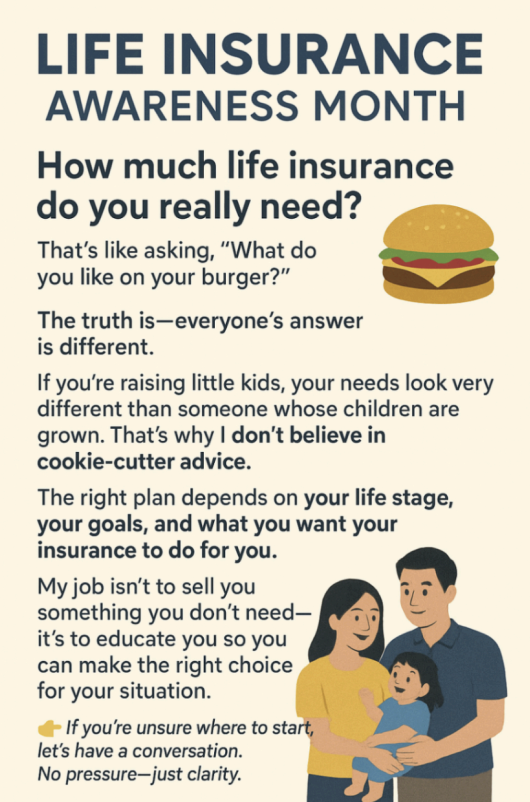
Life insurance provides peace of mind. That's not just marketing fluff. It's real.
Knowing that a family won't struggle financially if something happens is a weight off. Knowing a business can survive without its founder is reassuring. Knowing debts won't become someone else's problem is a relief.
Financial stress affects everything, relationships, health, work. Life insurance removes one layer of that stress. It's one less thing to worry about.
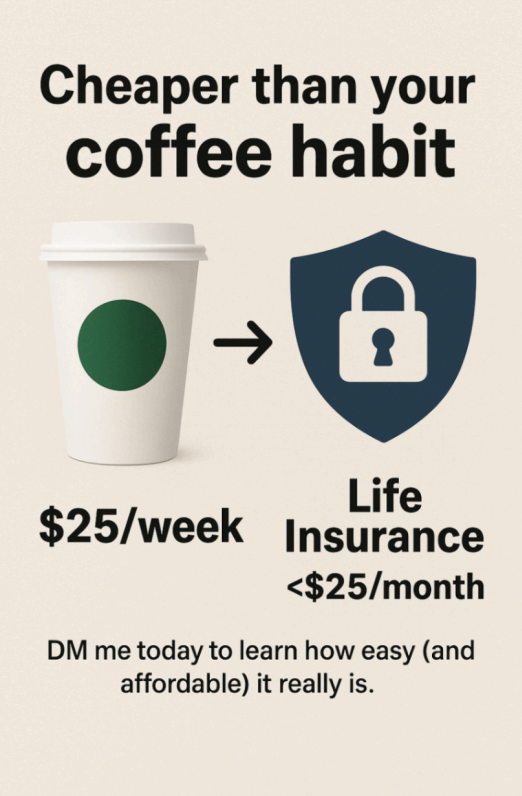
And here's the kicker: it's often more affordable than people think. Basic term life insurance for a healthy adult can cost less than a monthly streaming subscription. That's a small price for significant protection.
When You Might Not Need It
Life insurance isn't for everyone. Some situations don't require it.
No dependents. Single people with no kids, no cosigned debt, and no one relying on their income might not need coverage. If there's no financial gap to fill, there's no need to fill it.
Already wealthy. If someone has enough savings and investments to fully support their family for years, life insurance becomes less critical. The policy would just add to an already sufficient safety net.
Later in life. As kids grow up and move out, mortgages get paid off, and retirement savings build up, the need for life insurance often decreases. Many people let their policies expire once they've reached financial independence.
The key question is always the same: would anyone suffer financially without this coverage? If the answer is no, it might not be necessary.

How Much Coverage Makes Sense
One common mistake is underestimating how much coverage is actually needed. A $100,000 policy sounds like a lot of money. But it doesn't go as far as people think.
A general rule of thumb is 10 to 12 times annual income. That might sound like a lot, but consider everything that money needs to cover: replacing years of income, paying off a mortgage, funding education, covering final expenses.
There are also online calculators that can help estimate the right amount based on specific circumstances. The goal is to make sure the coverage actually does what it's supposed to do.
The Bottom Line
Life insurance isn't about being pessimistic. It's about being practical.
For families, it means financial security during an already difficult time. For business owners, it means continuity and protection. For anyone with debt or dependents, it means peace of mind.
The real question isn't "Do I need life insurance?" It's "What would happen to my finances and loved ones if I weren't here?"
If the answer to that question involves struggle, stress, or uncertainty, life insurance is worth considering.
It's not the most exciting financial topic. But it might be one of the most important ones.

Wealth Guard Solutions
Strategic financial solutions designed to help families and business owners grow, protect, and transfer wealth with confidence.




Support
Privacy Policy
Terms & Conditions
Copyright 2026. Wealth Guard Solutions. All rights reserved.