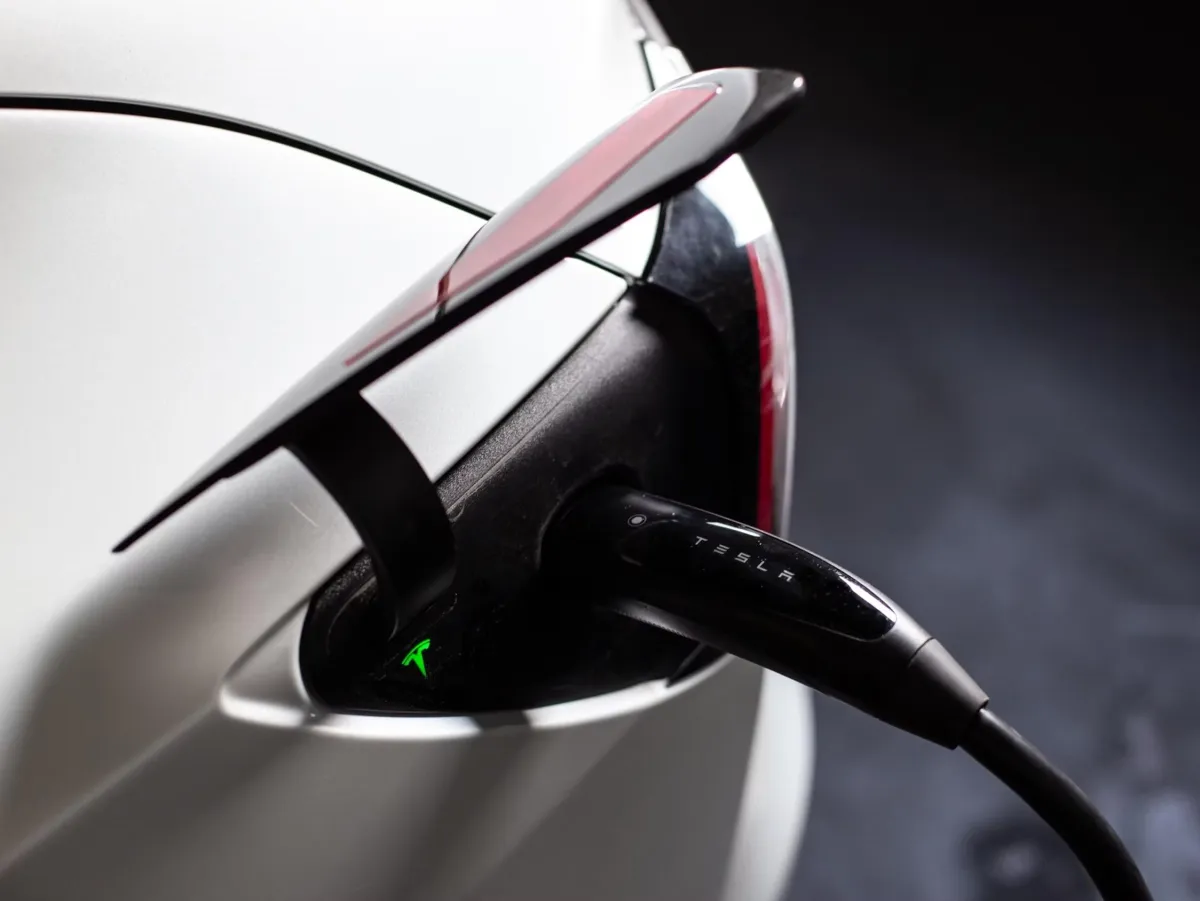
The Road to a Unified Charging Plug: Standardizing North American EV Charging
The journey to widespread electric vehicle adoption is often framed in terms of vehicle range, battery technology, and consumer cost. However, a more fundamental challenge looms: the fragmented and often unreliable charging infrastructure that greets drivers and fleet operators across North America. For many, a simple charging stop can still be a frustrating ordeal involving a confusing mix of different plugs, multiple mobile apps, and stations that are sometimes out of order. This experience, as explored in a recent article on Forbes.com, threatens to stall the momentum of EV adoption at the very moment it should be accelerating. The good news is that a rare convergence of technology, policy, and market forces is creating a golden opportunity to build a truly reliable and user-friendly charging ecosystem. The future of electric mobility in North America hinges on whether industry players can seize this moment.
The landscape for EV charging has shifted dramatically in just the past year. Projections now suggest that electric vehicles could account for 45% of global new car sales by 2035, and an impressive 73% by 2040. This growth is being fueled by a key development: the unprecedented alignment of major automakers. Giants like Ford, General Motors, Mercedes, and Volvo have all begun to adopt the North American Charging Standard (NACS), pioneered by Tesla. This signals a monumental shift towards a single plug standard for the vast majority of new vehicles, effectively simplifying the user experience and paving the way for a more cohesive network. This standardization is not just about convenience; it is a critical step toward simplifying production for manufacturers and reducing the financial risk for investors in the charging infrastructure space. There is still a great deal of EV backsliding with Stellantis, Porche, GM and other manufacturers pulling back on their EV programs. But a strong standardization of EV charging will do nothing but help the market.
This market momentum is being reinforced by robust policy changes. Federal NEVI (National Electric Vehicle Infrastructure) funding is now being tied to strict reliability and interoperability requirements. The billions of dollars flowing from this initiative are not just a handout; they are a strategic investment designed to raise the bar for the entire charging industry. These funds mandate that new public charging stations must offer credit card access, enable seamless roaming interoperability between different networks, and maintain transparent uptime metrics. This new level of accountability is pushing network operators to improve the user experience and ensure that a charge is as reliable as a fill-up at a gas station. The private sector, including major players like Pilot, Love's, Greenlane, and Prologis, is responding with significant investments, recognizing the immense business opportunity in a standardized, reliable network.
North America has Unique Challenges
The unique characteristics of North America, particularly its vast distances and the dominance of long-haul trucking, make a simple replication of other models unfeasible. Unlike Europe, with its shorter distances and centralized policy, North America requires a solution tailored to its specific needs. The electrification of medium- and heavy-duty trucks is becoming a high-stakes priority, with projections of over 827,000 global sales by 2030. These vehicles operate on long-haul freight corridors that can stretch for more than 500 miles between hubs, necessitating high-power charging solutions beyond urban centers. The Megawatt Charging System (MCS) standard is emerging to meet this demand, providing a parallel path to electrification for the freight industry. The stakes are immense, as successful deployment of MCS will enable the decarbonization of logistics, a massive infrastructure opportunity with far-reaching economic and environmental benefits.
A unified charging standard is not just a win for individual drivers; it provides significant benefits across the entire ecosystem. For utilities, interoperability enables more accurate demand forecasting and helps with grid stabilization as EV adoption surges. For manufacturers, a single standard lowers production costs and simplifies design, allowing them to scale production more efficiently. For investors, the fragmentation that once increased risk is giving way to a more aligned market that promises greater returns. The convergence of NACS, OCPP (Open Charge Point Protocol), and the NEVI requirements is creating a de facto North American standard that could address the core issues of reliability, interoperability, and uptime by 2026. This collective effort is not merely a climate policy initiative but a fundamental economic and industrial strategy that will shape the future of transportation and energy.
Make Charging as Easy as Filling Your Gas Tank
While the primary focus is on wired charging, other technologies are also on the horizon. Plug-and-charge technology promises to improve the driver experience even further by eliminating the need to juggle multiple apps and membership cards, making the entire process as seamless as fueling a traditional car. Other promising innovations, such as wireless charging and vehicle-to-grid (V2G) technology, are still in the early stages of widespread deployment in North America, facing hurdles related to cost, efficiency, and infrastructure retrofitting. However, the current momentum suggests that the industry is focused on solving the most pressing problems first: creating a reliable and accessible network that can support a new generation of electric vehicles. The path ahead is clear, and as the article highlights, collaboration among industry, utilities, and regulators will be the key to building a network of chargers that is as convenient and reliable as gas stations have been for a century.
The full article can be read at: https://www.forbes.com/councils/forbestechcouncil/2025/09/12/building-a-north-american-ev-charging-standard-the-moment-of-truth/.
Stay informed about the latest developments in EV technology and battery safety by subscribing to our newsletter at ChargedUpPro.com/subscribe.
About Us
Charged UP! is one of the most widely read publications in the EV charging space. Our approach is to take topics that are of interest to everyone and mention companies that provide best-in-class approaches.
To discuss including your products or services, contact us at [email protected]. At Charged Up!, we are committed to keeping businesses and individuals informed about the evolving EV landscape.