This is what NOBODY tells you Before Moving to Ghana
6 Things You Should Know Before Moving to Ghana

Moving to Ghana is an exciting adventure, but there are a few everyday differences that can catch newcomers by surprise.
Many people focus on finding an apartment, securing residency, or figuring out transportation, but it's often the small daily adjustments that take the most getting used to.
The good news? Once you understand how things work, these differences become part of your routine.
Here are six things I wish someone had explained to me before moving to Ghana.
1. Electricity Is Prepaid
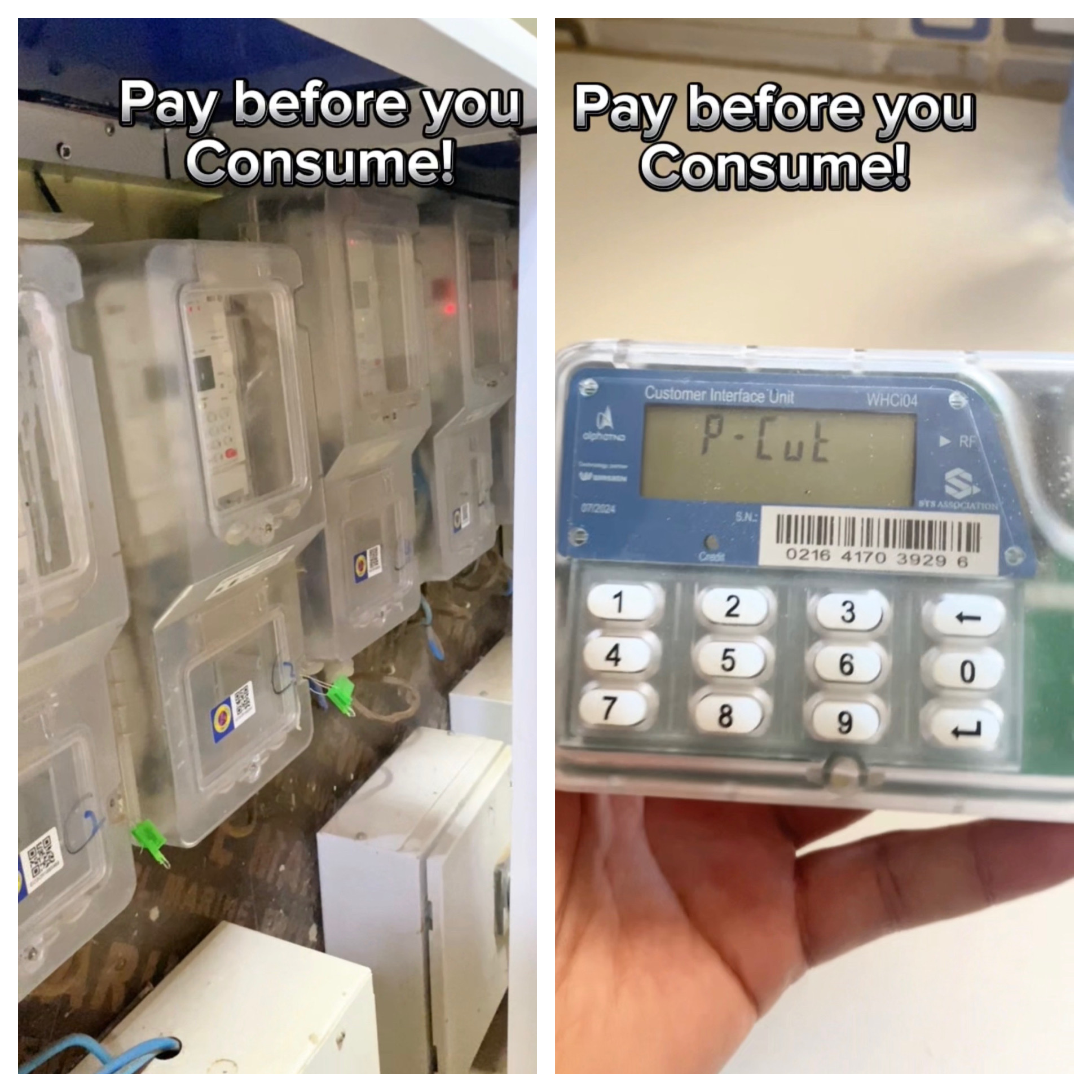
One of the biggest differences between Ghana and countries like the United States is how electricity works.
In Ghana, you pay before you consume.
Instead of using electricity throughout the month and receiving a bill afterward, you load money onto your electricity meter and use the credit you've purchased.
This system actually has some advantages. You're able to monitor your usage more closely and avoid surprise utility bills at the end of the month.
Many people find that they become more conscious of their energy consumption because they can directly see how quickly they are using what they've paid for.
2. Water Is Stored and Managed
Water works differently as well.
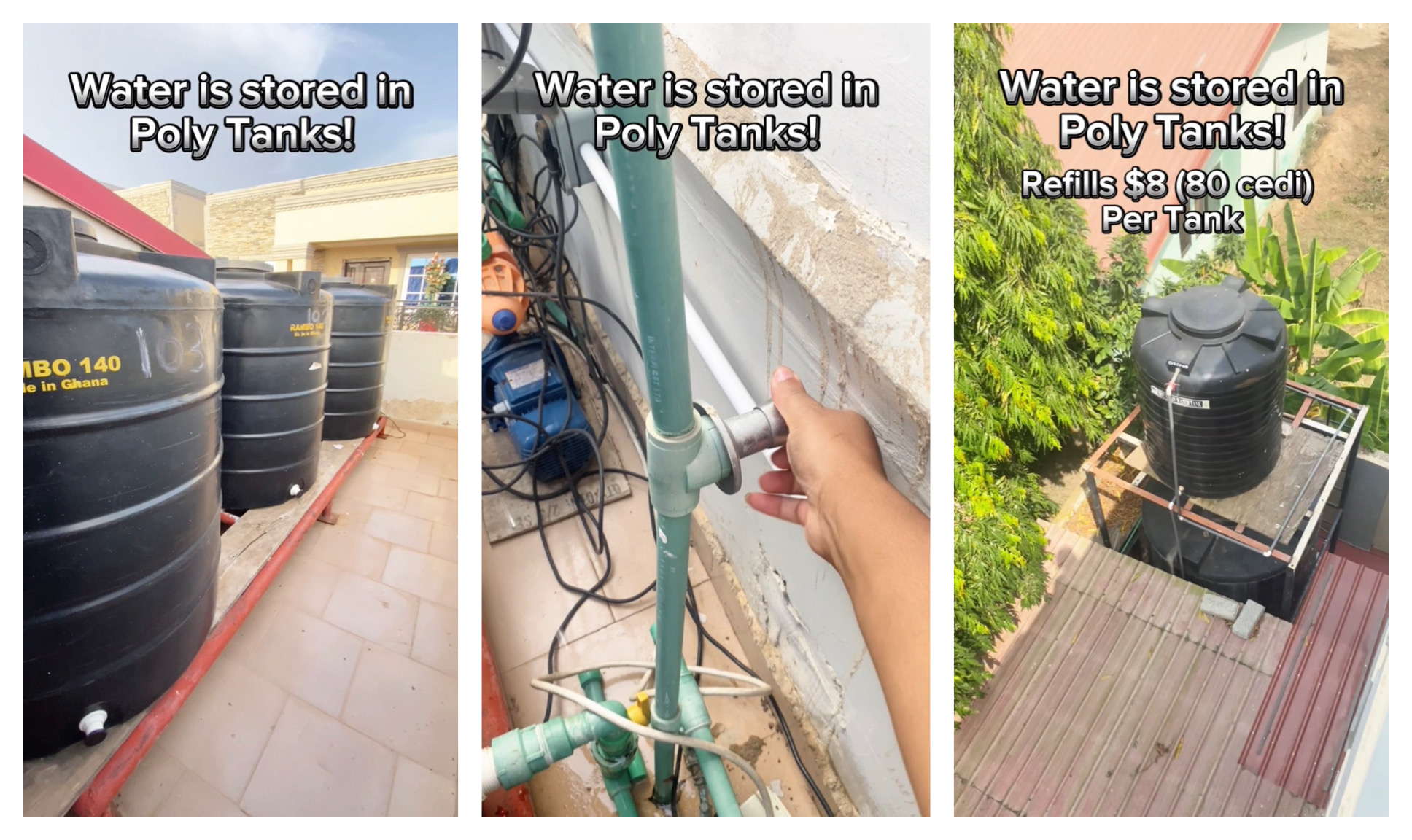
Most apartment buildings have large storage tanks, commonly called polytanks, that hold water for residents.
In many cases, your rent includes a certain amount of water each month. Once you've used your allotted amount, you'll need to pay for additional refills.
For example, my apartment includes two tank refills each month. If I need extra water, it costs approximately $8 per tank.
Because of this setup, you naturally become more mindful of your water usage. Long showers and unnecessary waste can quickly add up.
It's not difficult to adjust, but it is something many people don't expect before arriving.
3. Water Heaters Work Differently
If you're used to having unlimited hot water available at any moment, this is another adjustment.
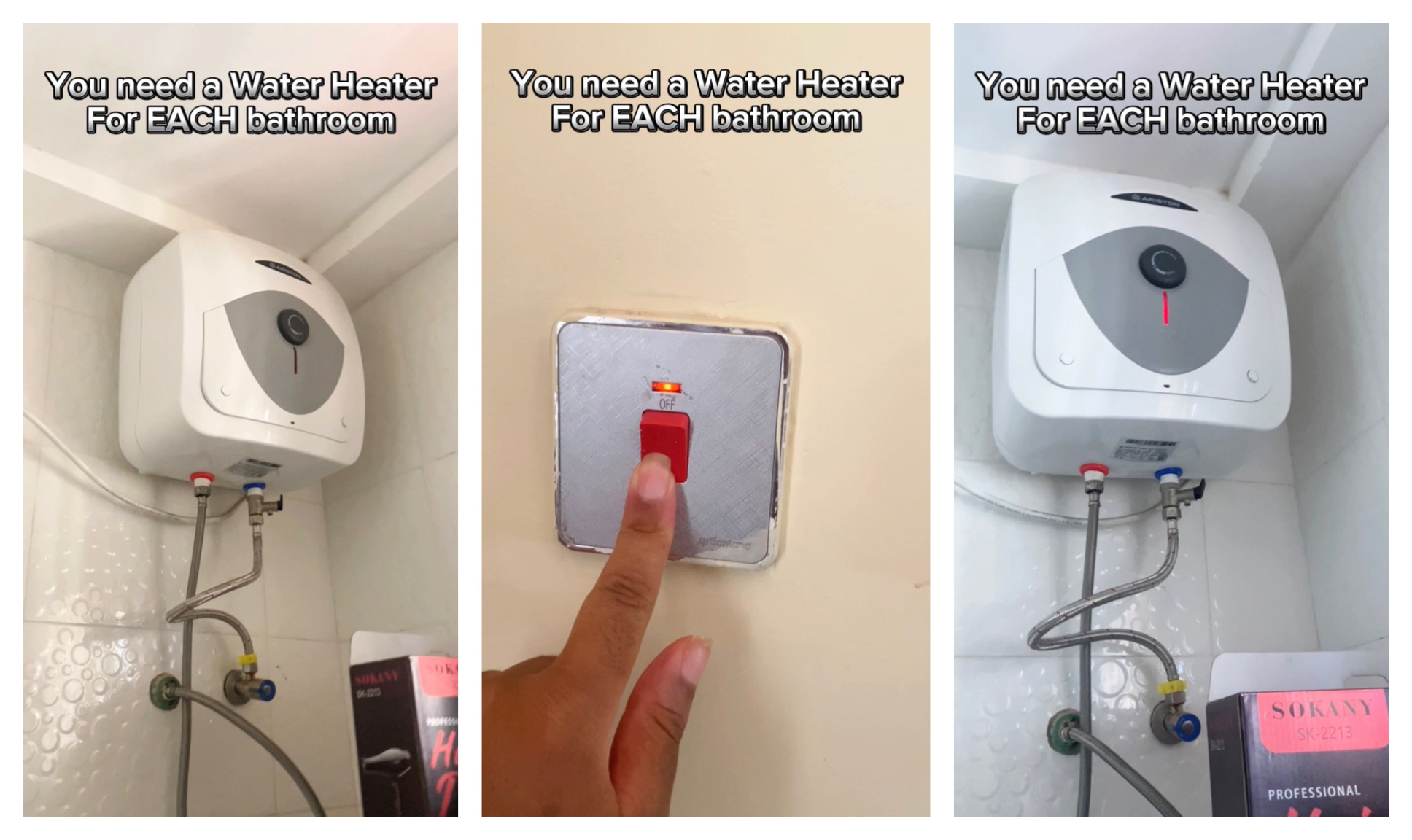
Many apartments in Ghana use smaller water heaters that are installed directly inside the bathroom.
Before taking a hot shower, you'll usually need to turn on a red switch located outside the bathroom and allow the heater about 10–15 minutes to warm the water.
At first, it may seem inconvenient, but it quickly becomes part of your routine.
You simply learn to plan ahead instead of expecting hot water instantly.
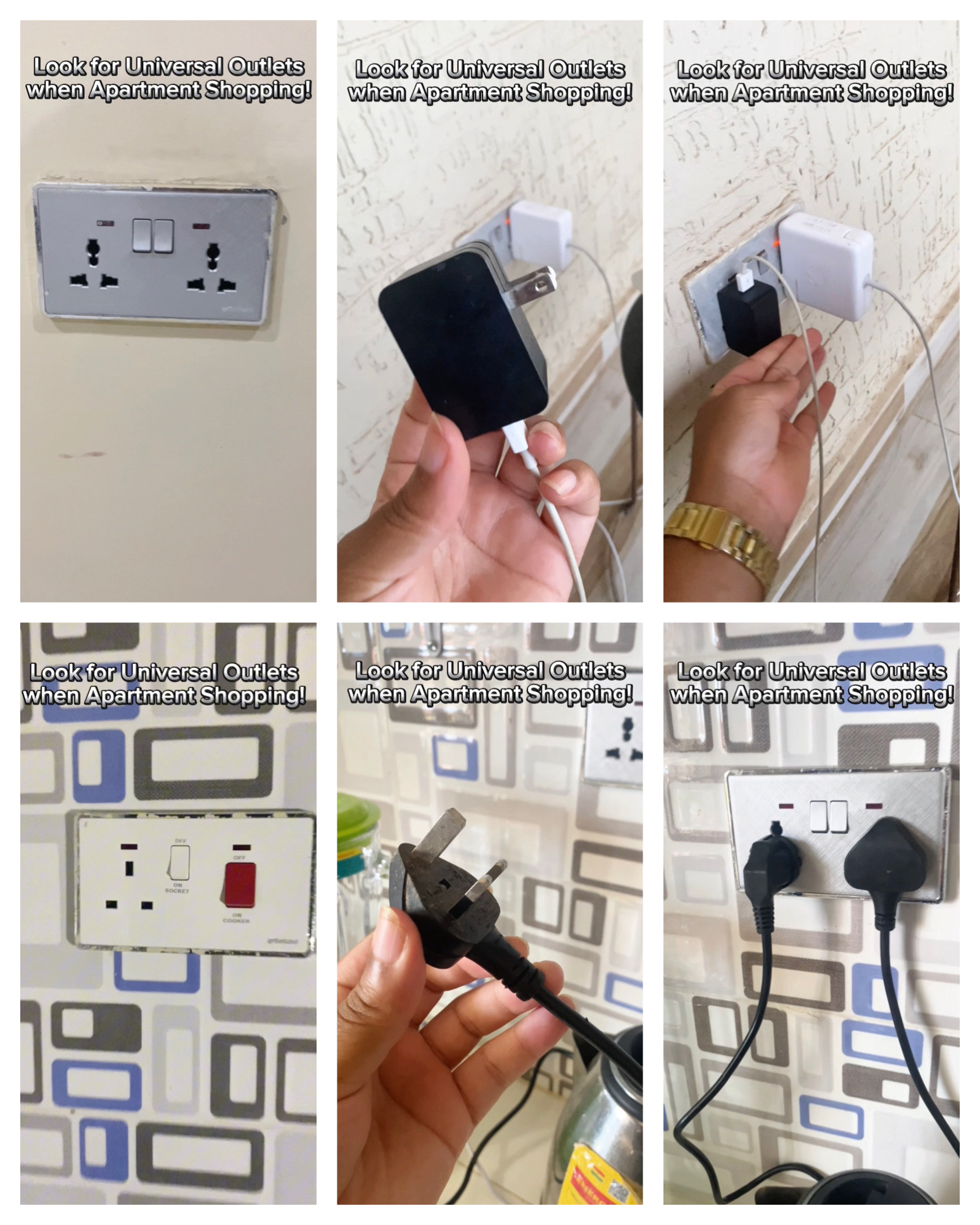
4. Electrical Outlets May Be Different Than What You're Used To
Another small but important detail is the electrical outlets.
Ghana primarily uses British-style plugs (Type G outlets).
Some apartments are equipped with universal outlets that accept multiple plug types, making life much easier for newcomers. Others use only British outlets, meaning you'll need adapters for your electronics.
When apartment hunting, this is something worth checking before signing a lease.
A simple feature like universal outlets can save you the hassle of buying multiple adapters for your devices.
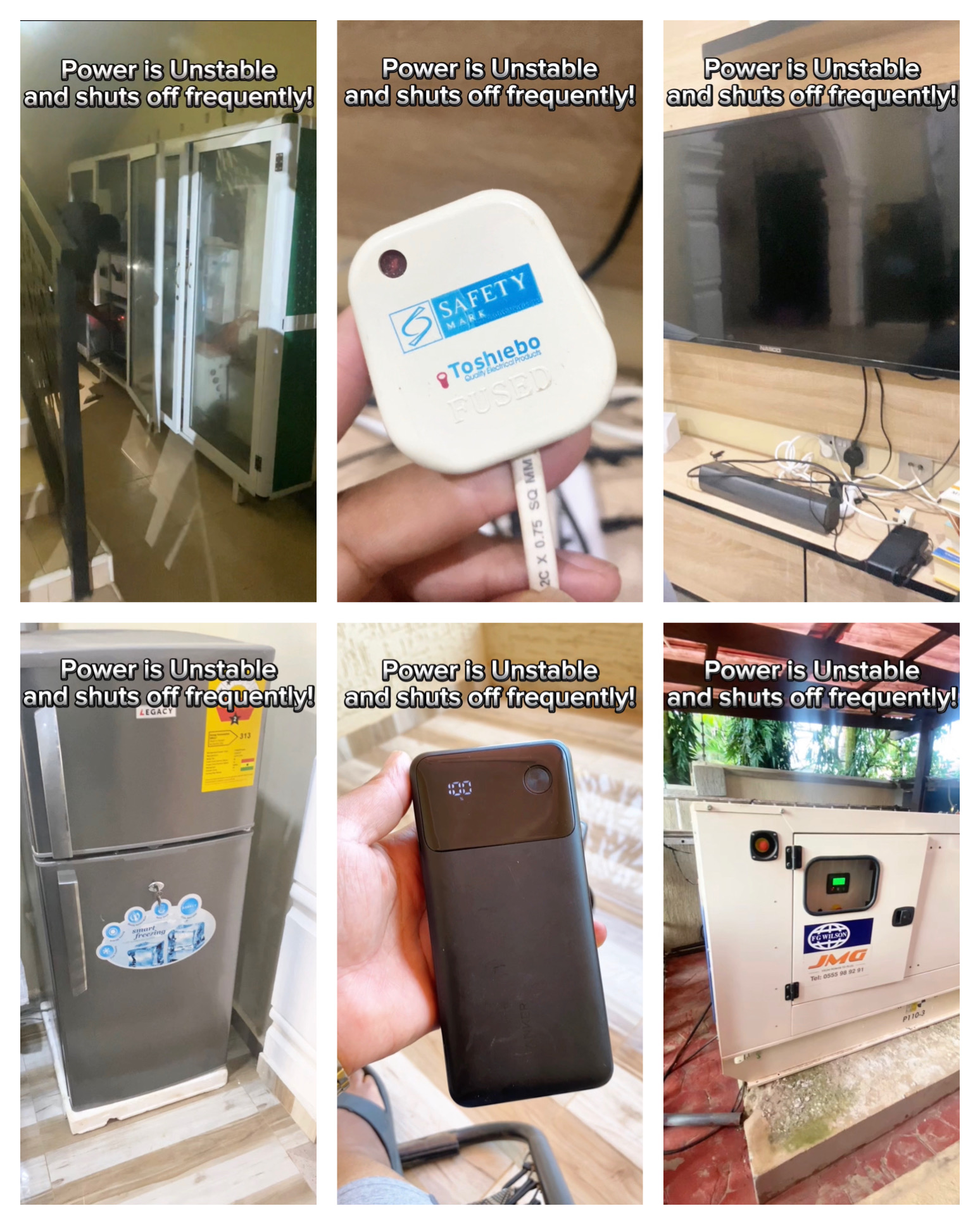
5. Power Outages Happen
Power outages can occur from time to time, especially during storms or heavy rain.
While some areas experience fewer interruptions than others, it's important to understand that occasional outages are simply part of life in Ghana.
One thing many newcomers don't realize is that unstable power can potentially damage electronics and appliances such as televisions, refrigerators, and computers.
A few helpful ways to prepare include:
Keeping a power bank charged
Using surge protectors for valuable electronics
Choosing an apartment with a backup generator if possible
Some apartment communities with generators may require residents to contribute toward fuel costs, so it's a good question to ask before moving in.
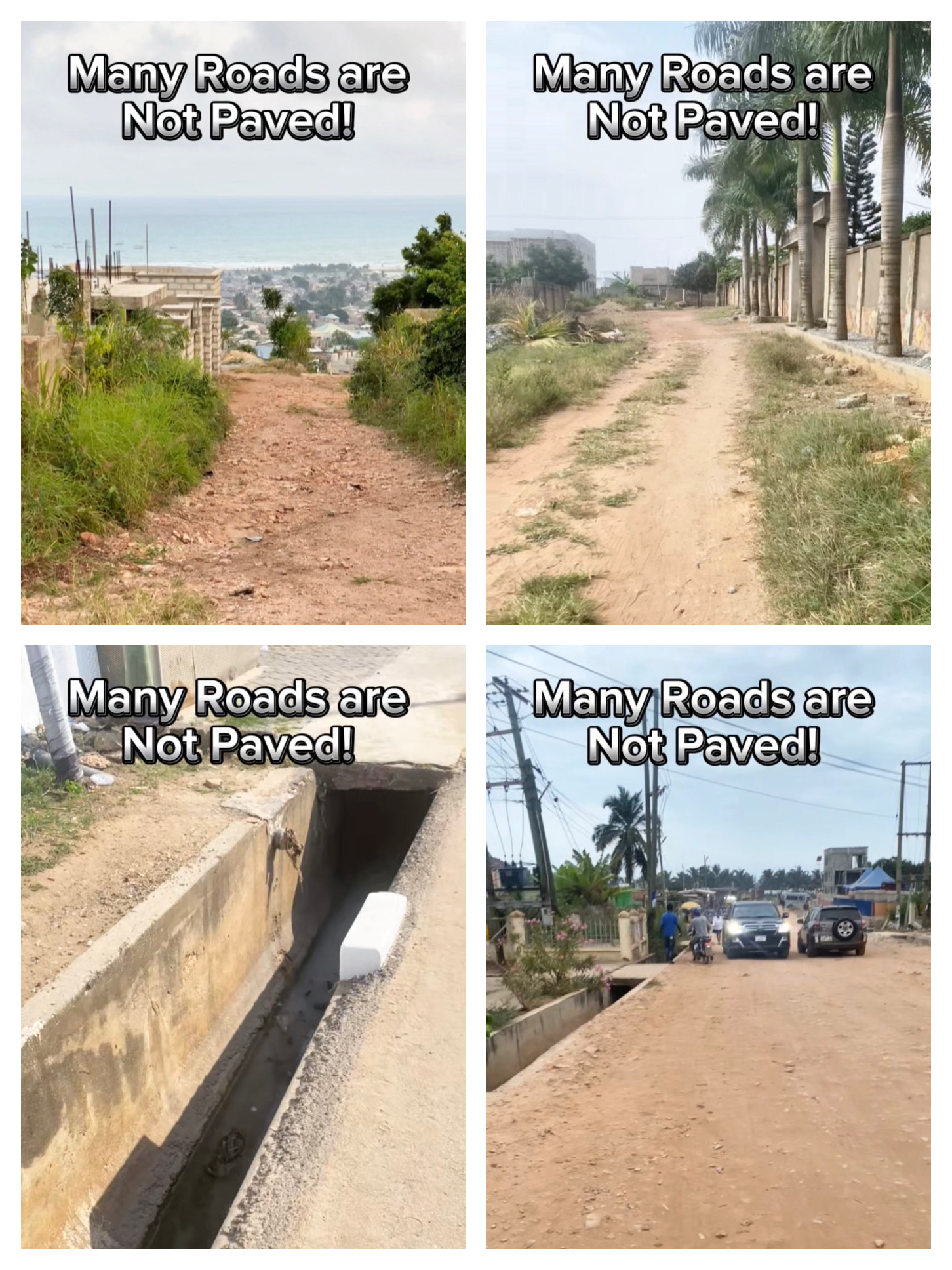
6. Roads May Look Different Than What You're Used To
Road conditions can vary significantly depending on where you live.
While major roads and highways are often paved, some residential roads remain unpaved and can become challenging during heavy rains.
You'll also notice that many drainage gutters remain open rather than covered.
If you plan on driving in Ghana, it's important to stay alert and become familiar with local road conditions.
This isn't necessarily a reason to avoid an area, but it is something worth considering when choosing where to live.
Final Thoughts
Moving to Ghana comes with adjustments, just like moving to any new country.
Yes, you'll learn new systems. Yes, some things may feel unfamiliar at first.
But you'll also discover a slower pace of life, a stronger sense of community, beautiful coastlines, incredible food, and experiences that many people only dream about.
For me, living in Ghana has made me more mindful, more present, and more intentional about how I use resources and spend my time.
Despite the differences, the peace I've found here has been worth every adjustment.
Ready to Start Your Relocation Journey?
At Relocate Ghana, we help future expats and returnees navigate every stage of the relocation process—from budgeting and housing to residency permits and cultural integration.
Whether you're still researching or actively planning your move, our memberships, calculators, and relocation services are designed to help you relocate with confidence.
Your new life in Ghana may be closer than you think.
To get Started Download your FREE Ghana Relocation Starter Guide!