
Unprogrammed appropriations
Decision to veto nearly P92.5 billion in unprogrammed appropriations
Tap to view
👁
Mixed

Your support keeps independent commentary alive.
☕ Buy us a coffee and keep the conversation going
Browse the main Politikanta Minute categories in one clean hub so viewers can jump straight to the topic they want without confusion.
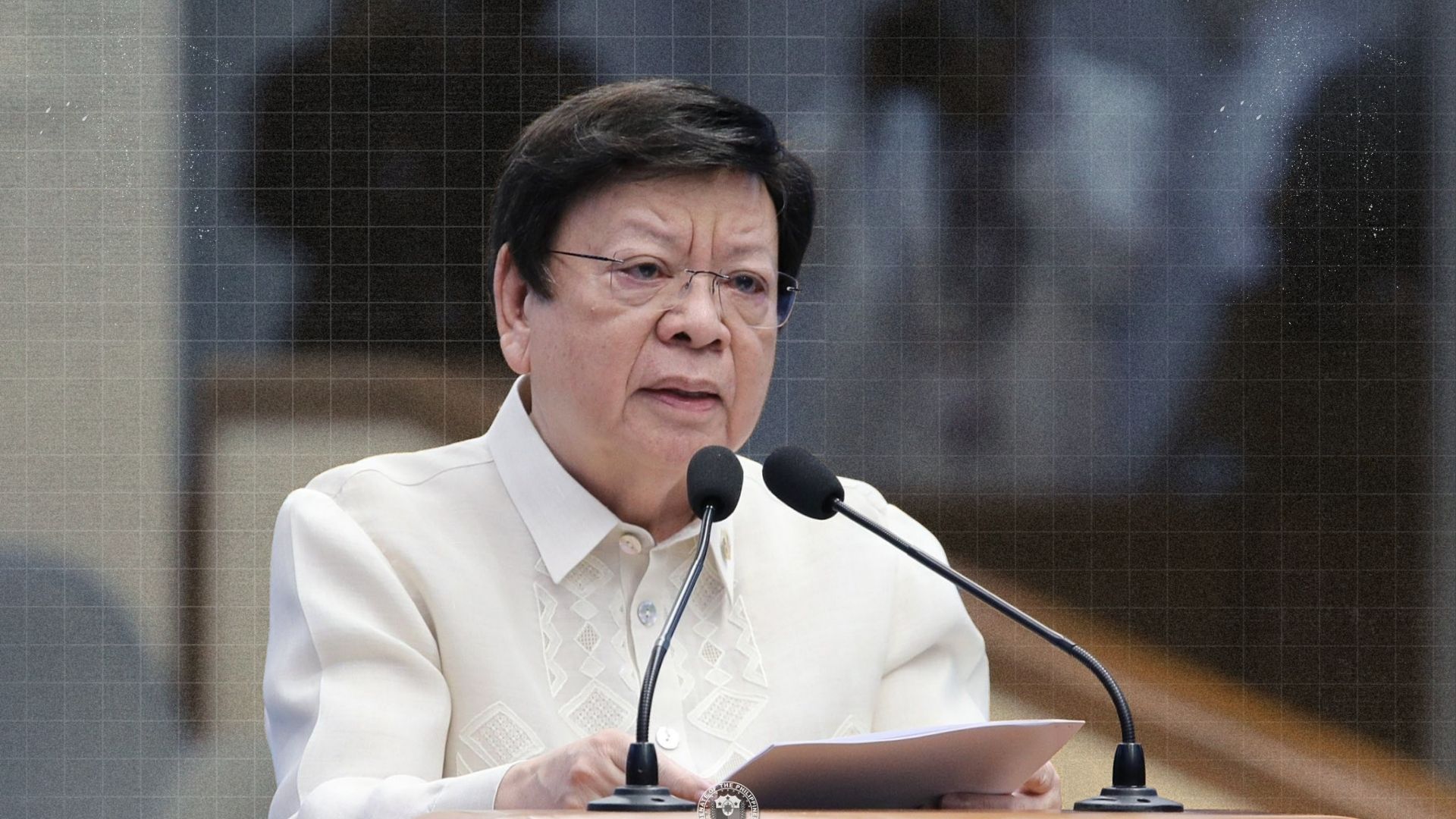
Senator-elect Rodante Marcoleta and Senate President Alan Peter Cayetano intensified public anticipation ahead of the planned Senate hearing on the controversial flood control issue, framing the upcoming proceedings as a defining national moment.
Their message was emotional, urgent, and politically charged.
“Wag kayong kukurap.”
According to Marcoleta, what happens in the coming hearings could shape “the direction of this country.”
Meanwhile, Cayetano continued insisting that the hearings must proceed, arguing that the Filipino people deserve to hear testimonies and see evidence publicly examined under oath.
Here’s what this really means…
The flood control controversy is no longer being framed merely as a corruption investigation.
It is now being presented by Cayetano and his allies as a broader fight over truth, accountability, and political obstruction.
That framing matters because it elevates the issue beyond ordinary Senate procedure.
Instead of discussing only committee schedules or witness invitations, the narrative is shifting toward something larger:
a battle between revelation and suppression.
Cayetano repeatedly emphasized one phrase:
“Give the truth a chance.”
That wording is strategic.
It places moral pressure on anyone perceived as delaying, restructuring, or interfering with the hearings.
At the same time, Marcoleta’s remarks escalated the emotional stakes even further by directly linking the issue to public money allegedly stolen from ordinary Filipinos.
“Pera po ninyo ang ninakaw nila.”
That kind of language resonates strongly because corruption narratives remain among the most emotionally powerful political themes in the country.
This raises a bigger issue…
The Senate hearings are increasingly becoming political theater with enormous national consequences.
Not because hearings themselves are unusual —
but because both sides now understand that public perception may matter just as much as legal findings.
Every witness,
every delay,
every procedural dispute,
and every public statement now shapes the larger political narrative unfolding nationwide.
That is why both camps are fighting intensely over process and momentum.
Why this matters…
Cayetano hinted that new witnesses with potentially heavier or more explosive testimonies may soon emerge.
Whether those testimonies ultimately strengthen the case or simply intensify political drama remains uncertain.
But the messaging itself already serves a purpose:
building anticipation and sustaining public attention.
Marcoleta’s statement that “this may be the last chance for truth to prevail” also reveals how dramatically the rhetoric surrounding the hearings has escalated.
The language now sounds less like ordinary legislative oversight —
and more like a political turning point.
Supporters of the hearings see them as a rare opportunity to expose hidden corruption and finally force accountability.
Critics, however, may argue that emotional rhetoric risks turning Senate investigations into political spectacle before evidence is fully examined.
That tension is now at the heart of the national conversation.
Meanwhile, Cayetano’s insistence that momentum matters suggests his camp understands a critical political reality:
Once public attention fades, institutional pressure weakens.
That is why maintaining momentum appears central to their strategy moving forward.
And in today’s media environment, momentum itself can become political power.
For now, all eyes remain fixed on the upcoming hearings.
Because both supporters and critics believe the testimonies — and the political battles surrounding them — could have consequences far beyond the Senate chamber itself.
“For nothing is hidden that will not be made manifest, nor is anything secret that will not be known and come to light.” — Luke 8:17
This verse reflects the biblical principle that truth eventually surfaces, whether through testimony, evidence, or time itself. In moments of accusation and political tension, discernment remains essential. Justice requires both courage to reveal truth and wisdom to examine claims carefully.
January 14, 2026•1 min read
Senate President Pro Tempore Migz Zubiri is urging the government to act swiftly to address what he described as a growing sugar crisis, warning that delays could further strain consumers, farmers, and small businesses.
Zubiri’s call comes amid rising concerns over sugar supply stability, fluctuating prices, and policy gaps affecting both producers and end-users. He emphasized that sugar is not just a commodity for households, but a critical input for food manufacturers, small enterprises, and the agricultural sector that employs thousands of Filipinos.
According to the senator, the situation requires coordinated action—balancing imports, local production support, and regulatory clarity. He cautioned that uncertainty and slow response could worsen inflation pressures and disrupt livelihoods, particularly in sugar-producing regions.
Zubiri stressed that while long-term reforms are needed to strengthen the industry, immediate steps must be taken to stabilize supply and pricing. These include clearer policy direction, timely decisions, and protection for both consumers and local farmers.
As discussions continue, the issue highlights a recurring governance challenge: responding fast enough to prevent economic ripple effects, while ensuring that solutions do not undermine local production in the long run.
Quiet takeaway: When a staple is at risk, delay becomes part of the problem.





Disclaimer: This site uses publicly available images and materials for news, satire, and commentary. All rights belong to their respective owners. No copyright infringement intended.
© 2025 Politikanta Minute. All Rights Reserved.
Political Commentary • Satire • Faith-Based Reflection
Some visuals may be AI-generated for satire and illustration. Not real footage unless stated.