
Mandaluyong City
COURTESY CALL OF H.E. SARAH HULTON, OBE
Tap to view
👁
Mandaluyong City

Your support keeps independent commentary alive.
☕ Buy us a coffee and keep the conversation going


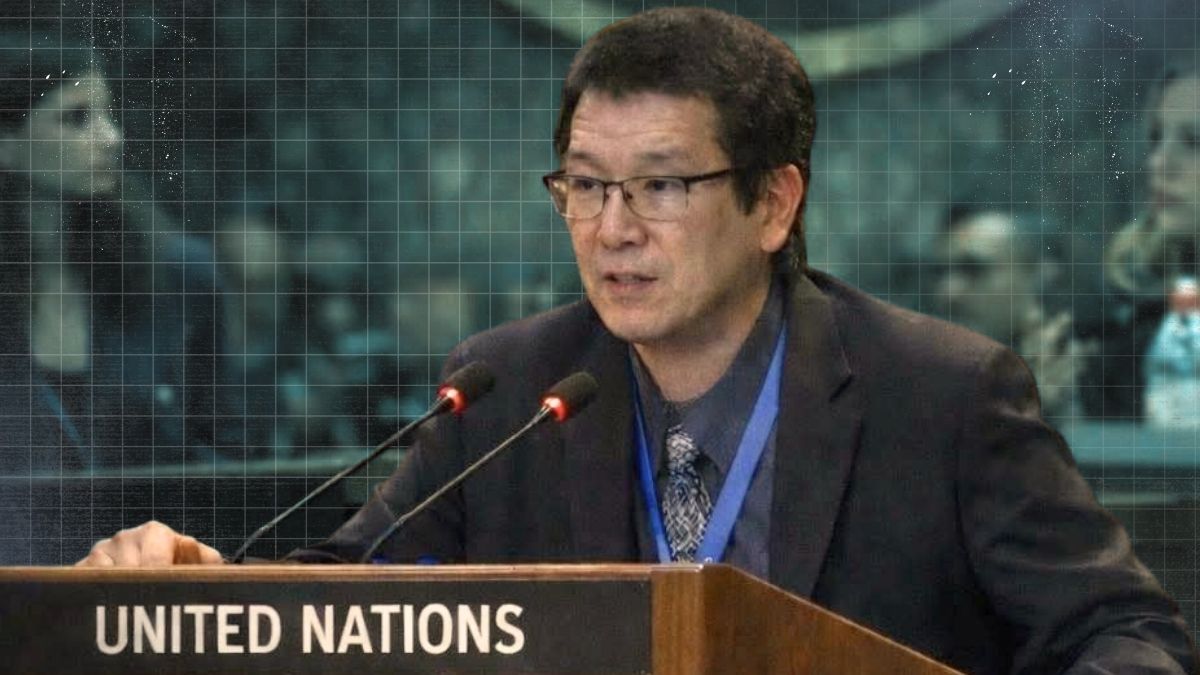

A renewed international call for justice for former Philippine President Rodrigo Duterte was heard at the United Nations Human Rights Council (UNHRC) after a representative from a Japanese human rights organization raised concerns over his continued detention at the International Criminal Court (ICC) in The Hague.
During the session, Shun-ichi Fujiki of the International Career Support Association delivered a speech denouncing what he described as a “grave injustice” involving the 80-year-old former leader.
Fujiki argued that Duterte, who led the Philippines’ controversial campaign against illegal drugs, has been subjected to prolonged pre-trial detention and alleged violations of due process.
According to him:
“This is a political prosecution and not justice.”
In his remarks before the UNHRC, Fujiki claimed that Duterte’s removal from the Philippines and subsequent detention were carried out without proper legal procedures and bypassed Philippine courts.
He also described the situation as a potential violation of national sovereignty.
The speech further highlighted concerns over Duterte’s age and health, emphasizing that the former president has now spent over one year in detention since March 11, 2025.
Supporters have repeatedly called for humanitarian review and interim release, citing what they see as excessive pre-trial detention.
The speech at the UNHRC forms part of an initiative led by Republic Defenders for Peace and Unity (RDPU–DDS Japan), which aims to bring international attention to Duterte’s situation.
Protest actions and advocacy efforts have reportedly taken place in The Hague and several other countries, where supporters continue to call for what they describe as fair treatment and due process under international law.
The group argues that prolonged detention raises questions about the ICC’s compliance with principles such as humane treatment and the right to a speedy trial.
The case of Rodrigo Duterte remains one of the most polarizing issues in contemporary Philippine politics.
Supporters argue that his campaign against illegal drugs protected millions of Filipinos and restored order during a period of rising crime.
Critics, meanwhile, have maintained that international accountability mechanisms are necessary to address alleged human rights violations.
As discussions continue in international forums and legal institutions, the case has evolved into a broader debate about:
sovereignty
international justice
and the role of global institutions in national affairs
For Duterte’s supporters, the issue is no longer just about one former president.
They see it as a test case for how international courts interact with sovereign nations.
The question being asked by many observers now is simple:
Is international justice always impartial — or does politics sometimes find its way into the courtroom?
“Blessed are they which do hunger and thirst after righteousness: for they shall be filled.”
— Matthew 5:6 (KJV)
The pursuit of justice is not only a legal matter but a moral one.
True justice must remain fair, balanced, and guided by truth.






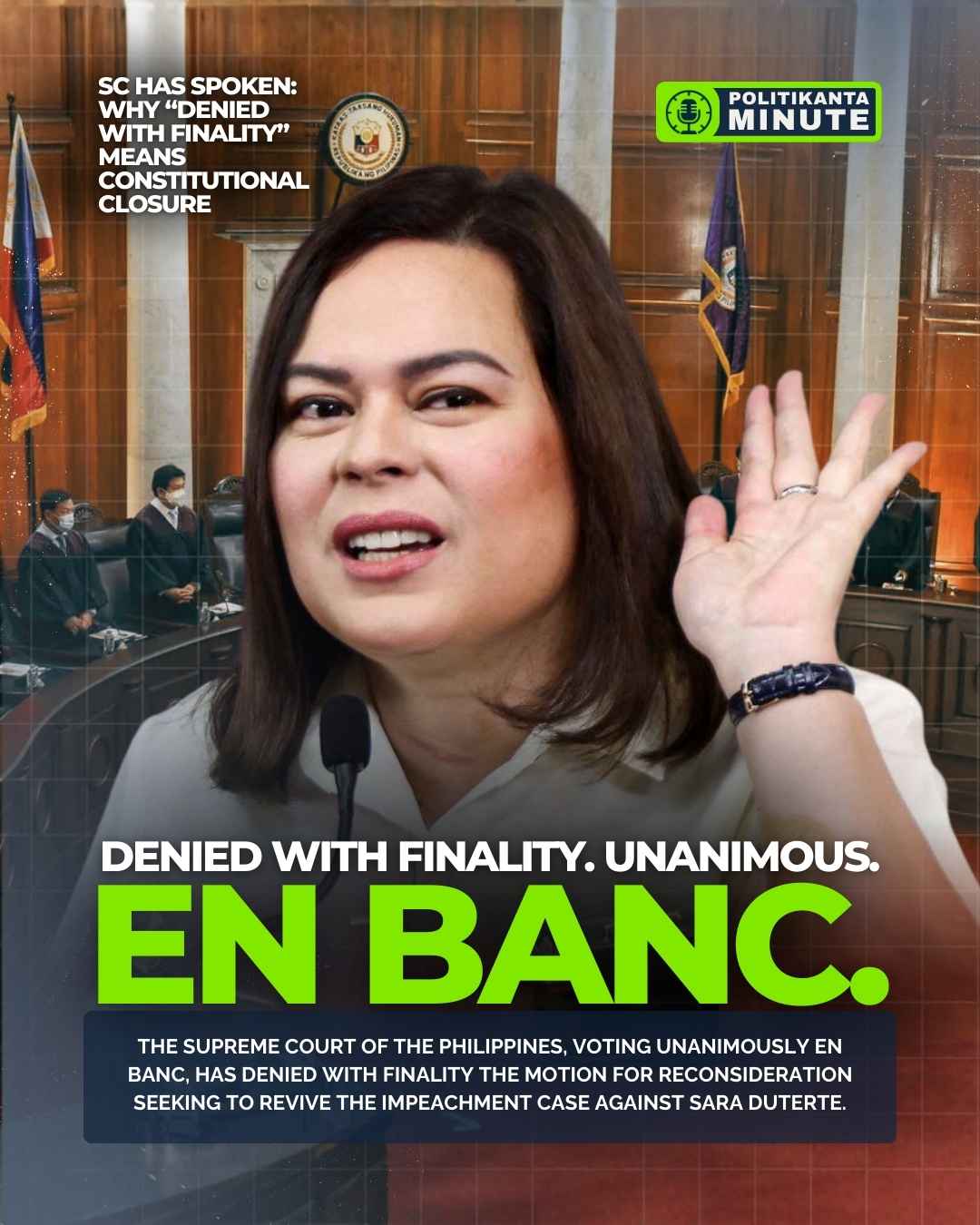



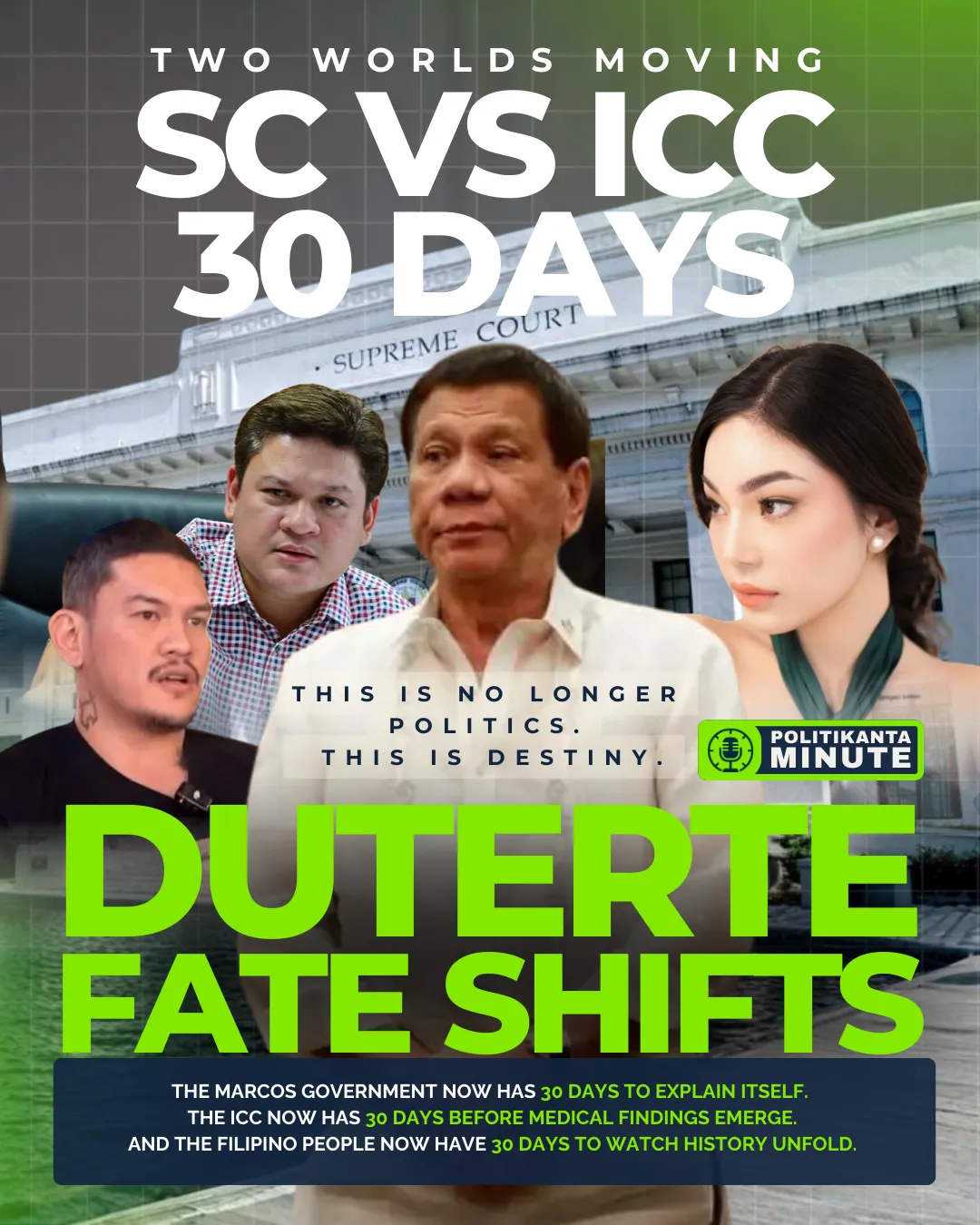
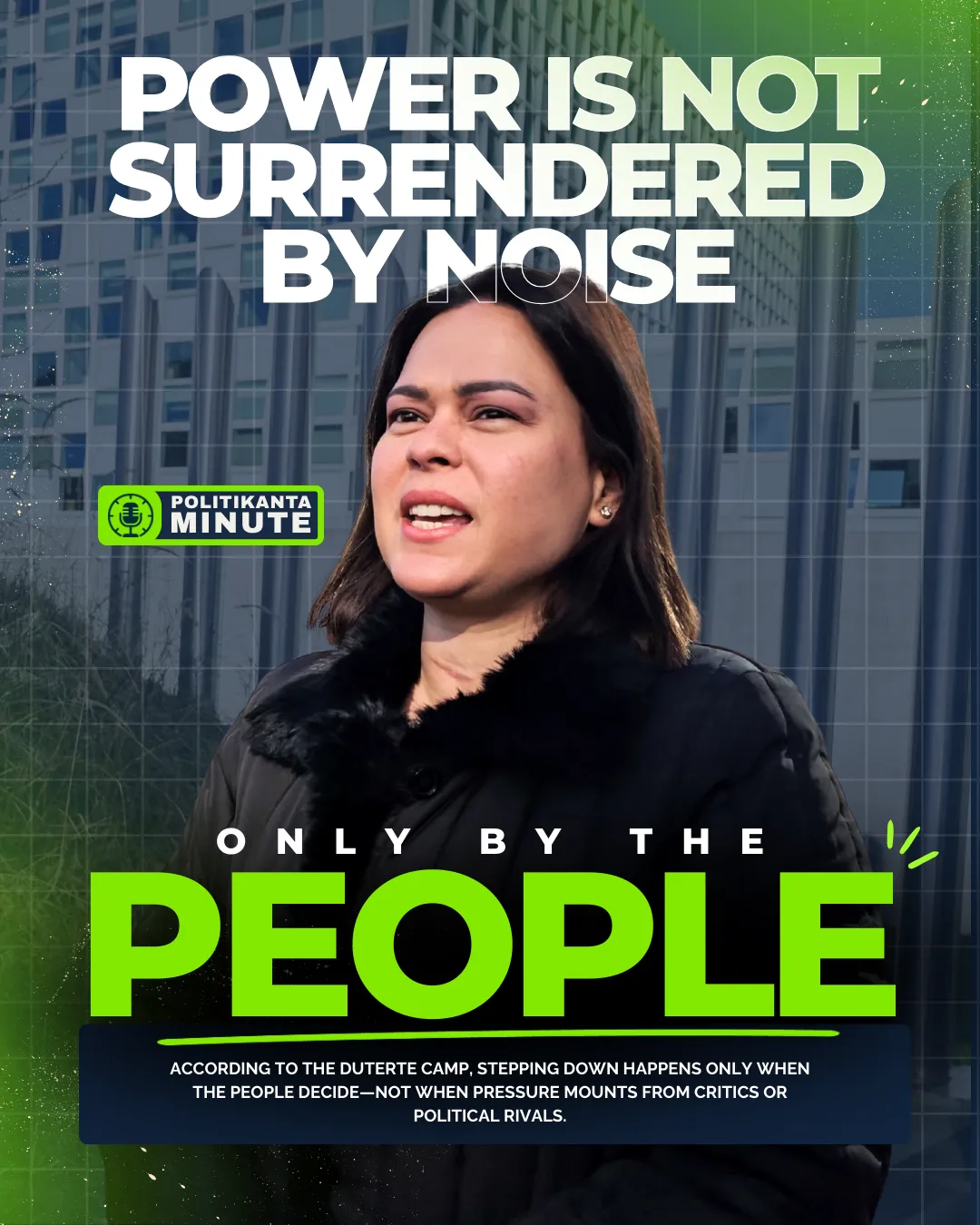


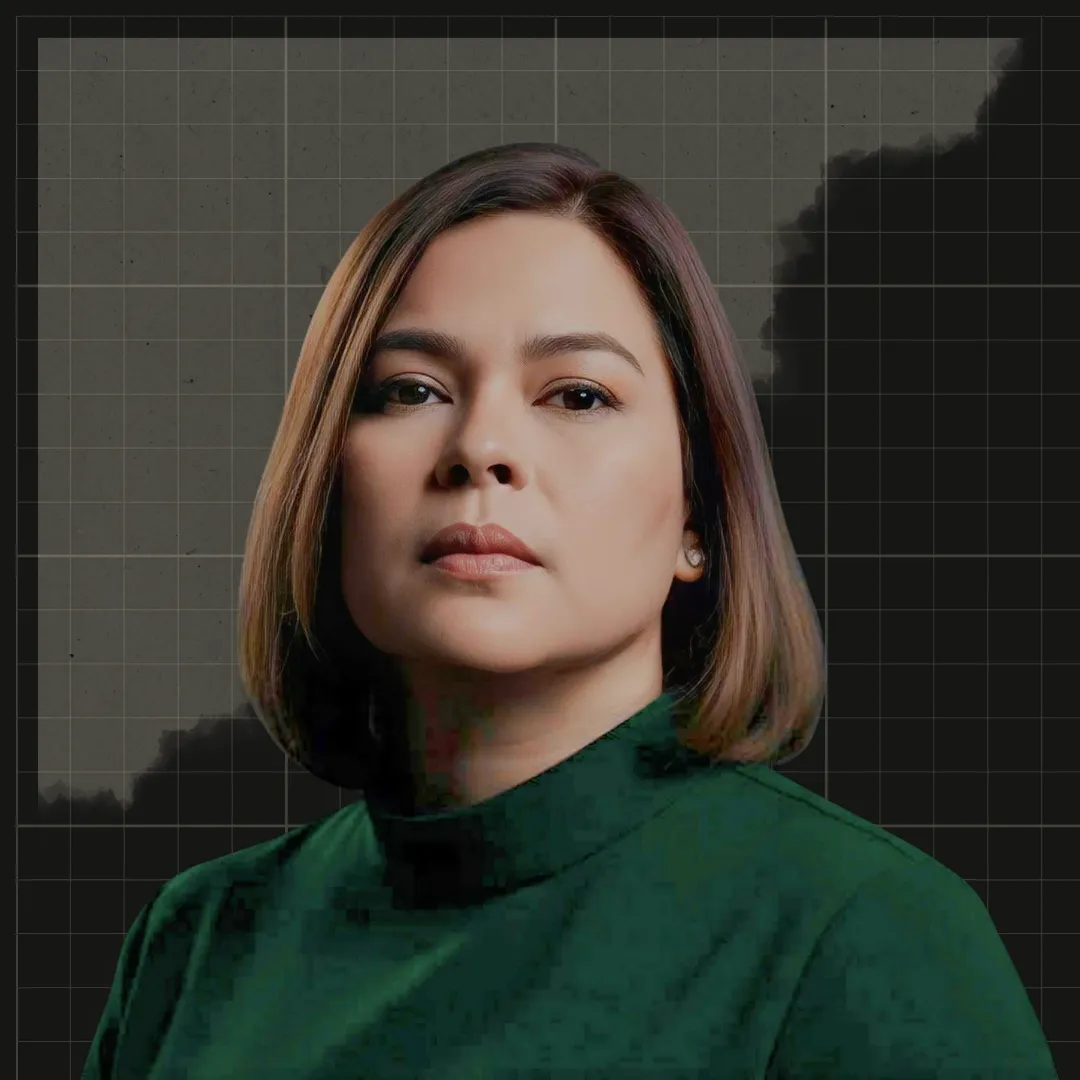
Darryl Yap’s recent post about Vice President Sara Duterte struck a chord online, amassing thousands of comments and shares. His words painted a portrait of resilience: “Nagtitiwala, tumulong, tinraydor, siniraan, patuloy na pinahihirapan.”
For her supporters, Sara Duterte is not just a political figure — she is a daughter honoring her father’s legacy, and a leader standing up for the country amidst criticism and betrayal.
The post frames her as a defender of the nation, ready to battle what Yap describes as the “pulang halimaw na umuuto ng rosas,” a direct jab at political rivals. This strong imagery highlights how polarized Philippine politics has become — where allegiances, narratives, and symbols are constantly weaponized.
But beyond the rhetoric lies the bigger question: Can Sara Duterte truly rise above political attacks and prove herself as a unifying leader, or will she remain trapped in the cycle of partisan battles?
As the political landscape heats up, one thing remains clear — Sara Duterte continues to be a central figure in shaping the nation’s political future.
💭 What’s your take? Is Sara Duterte the resilient leader her supporters believe her to be — or just another political personality caught in the storm?


Disclaimer: This site uses publicly available images and materials for news, satire, and commentary. All rights belong to their respective owners. No copyright infringement intended.
© 2025 Politikanta Minute. All Rights Reserved.
Political Commentary • Satire • Faith-Based Reflection
Some visuals may be AI-generated for satire and illustration. Not real footage unless stated.
Disclaimer: This site uses publicly available images and materials for news, satire, and commentary. All rights belong to their respective owners. No copyright infringement intended.
© 2025 Politikanta Minute. All Rights Reserved.
Political Commentary • Satire • Faith-Based Reflection
Some visuals may be AI-generated for satire and illustration. Not real footage unless stated.
