Mandaluyong City
COURTESY CALL OF H.E. SARAH HULTON, OBE
Tap to view
👁
Mandaluyong City

Your support keeps independent commentary alive.
☕ Buy us a coffee and keep the conversation going


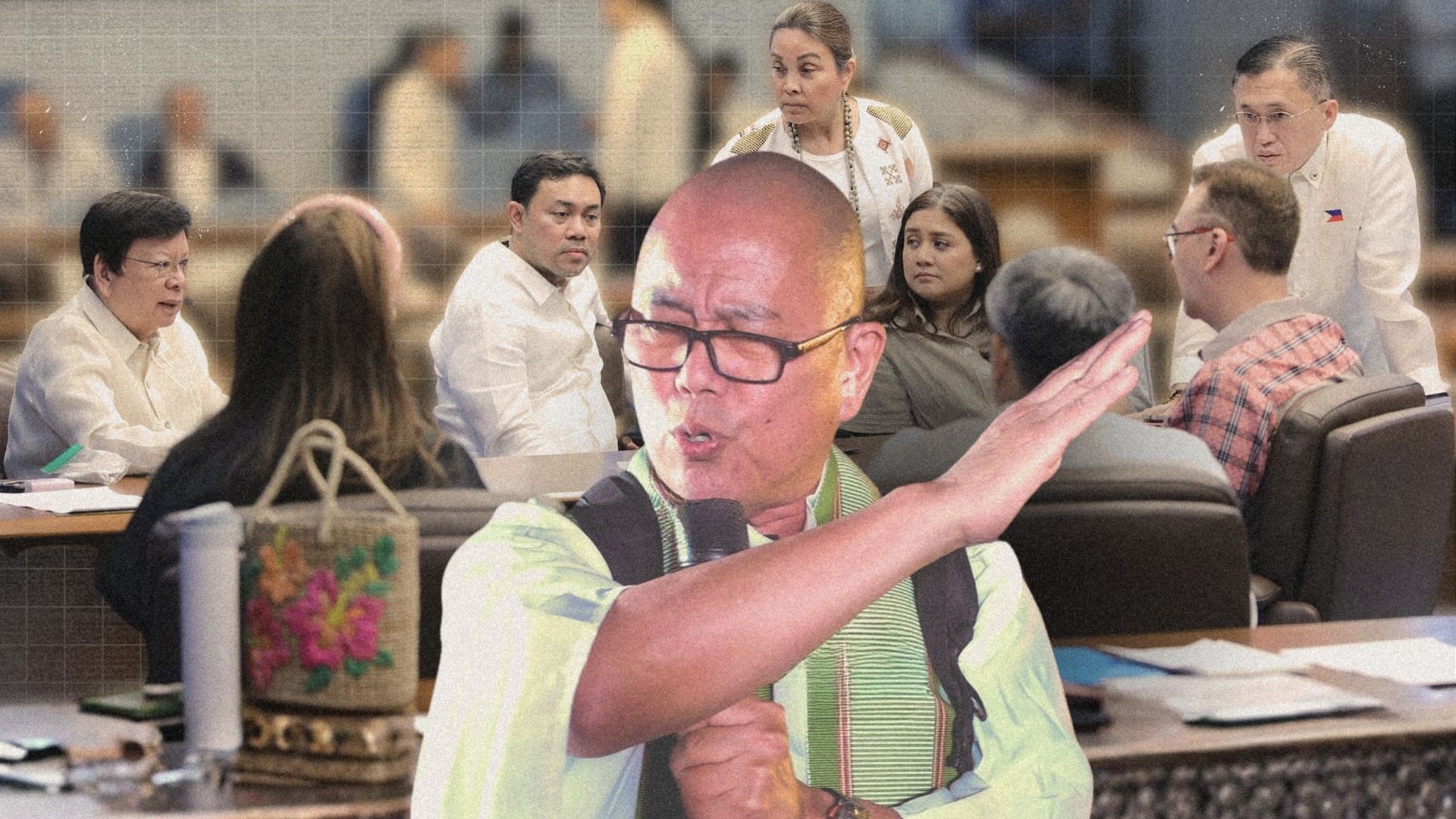
The controversy surrounding the recent Senate leadership change continues to intensify after priest and activist Fr. Robert Reyes made a fiery statement that quickly spread across social media.
Following the selection of Alan Peter Cayetano as the new Senate President, Reyes strongly criticized the 13 senators who supported the leadership transition, describing them using one of the most emotionally charged terms in Christian tradition.
“So 13 is an ominous number, the number of traitors. Remember that, mga hudas kayo.”
The remark immediately went viral online as political tensions inside the Senate continue dominating national discussion. Reyes framed the leadership shift not merely as a political change, but as what he viewed as a betrayal of opposition principles and the spirit associated with EDSA.
As expected, reactions online became deeply divided.
Here’s what this really means.
In the Philippines, political language becomes especially powerful whenever religion and historical symbolism are involved. The word “Hudas” carries enormous emotional weight because it directly references Judas Iscariot — the biblical figure associated with betrayal in Christian teaching.
That is why the statement immediately exploded across social media.
For supporters of Reyes’ position, the remark reflected frustration over shifting political alliances and what they perceived as abandonment of earlier opposition principles. To them, the Senate leadership change symbolized deeper political realignment happening inside government institutions.
Meanwhile, critics argued that using highly charged religious language against elected officials only further intensifies political polarization and emotional division.
This raises a bigger issue.
How far should political rhetoric go during moments of intense national disagreement?
That question remains central to many online discussions today.
Political frustration often produces emotional statements, especially during leadership transitions that reshape alliances and power structures. But in the age of social media, emotionally loaded language spreads instantly and can influence public perception far beyond the original context.
That is exactly what happened here.
Why this matters goes beyond one controversial quote alone.
The incident reflects how deeply divided Philippine political discourse has become. Supporters and critics increasingly frame political events not only as policy disagreements, but as moral struggles involving loyalty, betrayal, principle, and identity.
And once political conflicts become moralized, emotions naturally intensify.
The Senate leadership issue itself has already generated widespread speculation involving alliances, institutional tensions, and ongoing controversies tied to security incidents and ICC-related debates. Reyes’ remarks added another emotional layer to an already heated national conversation.
At the same time, some observers reminded the public that political decisions inside democratic institutions often involve negotiation, coalition-building, and shifting alliances — realities that may not always align neatly with ideological expectations.
Still, symbolism matters enormously in politics.
Especially in the Philippines, where religion, history, and public emotion remain deeply connected to political identity.
That connection explains why a single phrase like “13 Hudas” can dominate conversations nationwide.
For many Filipinos, the issue is no longer simply about who became Senate President. It has evolved into a broader debate about loyalty, political principles, institutional trust, and the future direction of the Senate itself.
As tensions continue unfolding, moments like these will likely keep shaping public narratives surrounding the country’s evolving political landscape.
Because in modern politics, words do more than describe events…
—they shape how entire movements and alliances are remembered.
“Then one of the twelve, called Judas Iscariot, went unto the chief priests… And they covenanted with him for thirty pieces of silver.”
The story of Judas remains one of the strongest biblical warnings about loyalty, conviction, and the consequences of betrayal. In public life and leadership, people often interpret political decisions through moral lenses. That is why words connected to betrayal carry such emotional and symbolic power in national conversations.
December 18, 2025•1 min read
The Bicameral Conference Committee has wrapped up deliberations on the proposed ₱6.793-trillion 2026 national budget—but not without leaving behind a familiar red flag.

Akbayan party-list Representative Chel Diokno raised alarm over the approval of ₱243 billion in Unprogrammed Appropriations, warning that the mechanism lacks transparency and opens the door to abuse.
Unprogrammed Appropriations are funds without clearly defined sources or timelines for activation. In simple terms, they are money set aside without certainty on when, how, or for whom they will be spent.
And history matters.
According to Diokno, similar budget items were previously used to hide flood control projects, some of which later became entangled in allegations of pork barrel-style insertions and anomalous spending. That is why his call was blunt and uncompromising:
“Dapat i-zero ito.”
This criticism lands at a time when public trust in the budget process is already strained—after weeks of controversy involving DPWH allocations, flood control anomalies, and questions surrounding budget insertions in BICAM.
Supporters of unprogrammed funds argue flexibility.
Critics see a loophole.
Because flexibility without transparency is not prudence—it is risk.
Scripture offers a timeless principle on stewardship:
“Moreover, it is required of stewards that they be found trustworthy.”
— 1 Corinthians 4:2
A national budget is not just an accounting document.
It is a moral statement about priorities, discipline, and restraint.
Politikanta Minute takeaway:
When billions are parked in vague provisions, the problem isn’t accounting—it’s accountability. And when old habits resurface, reform becomes a slogan, not a reality.






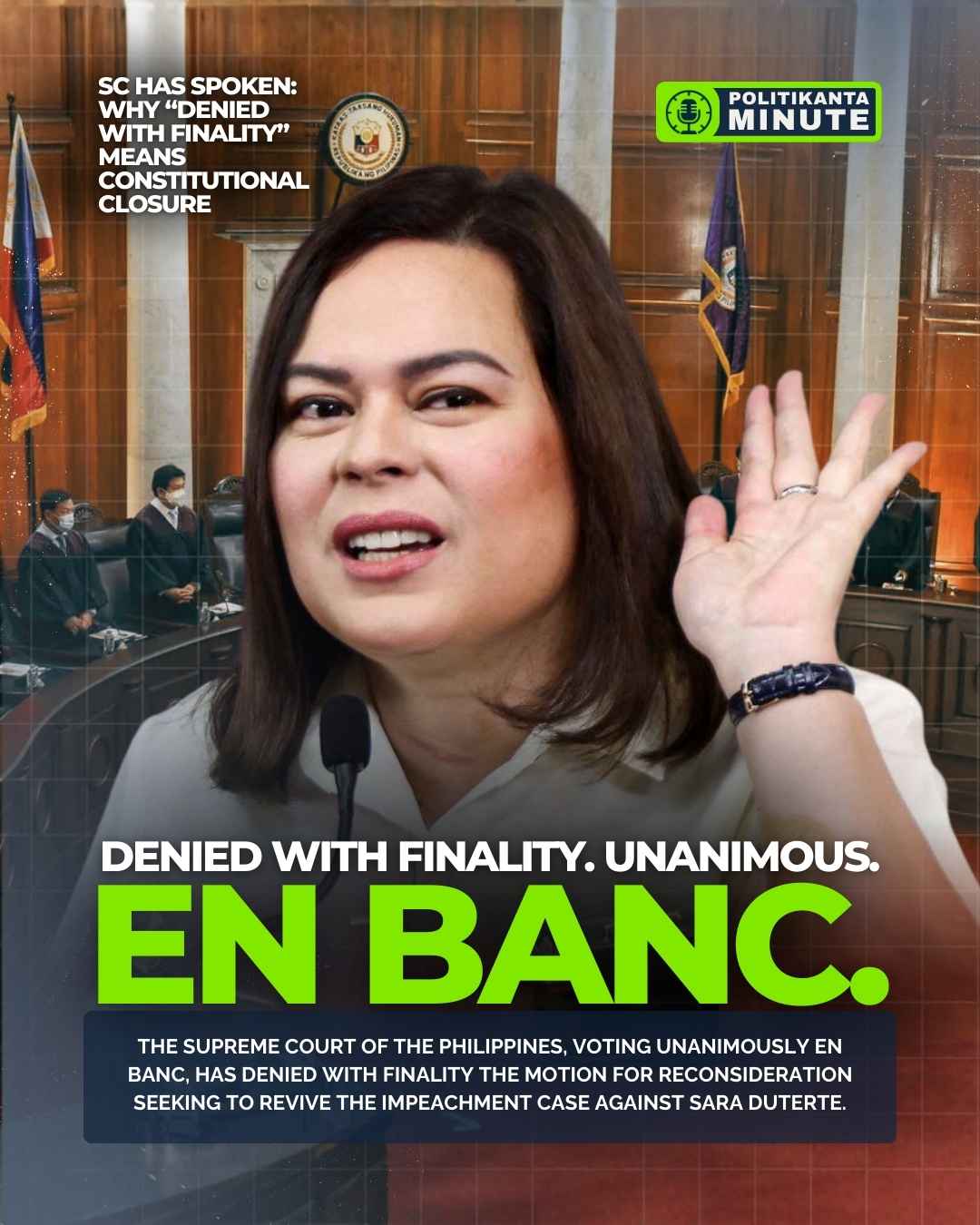



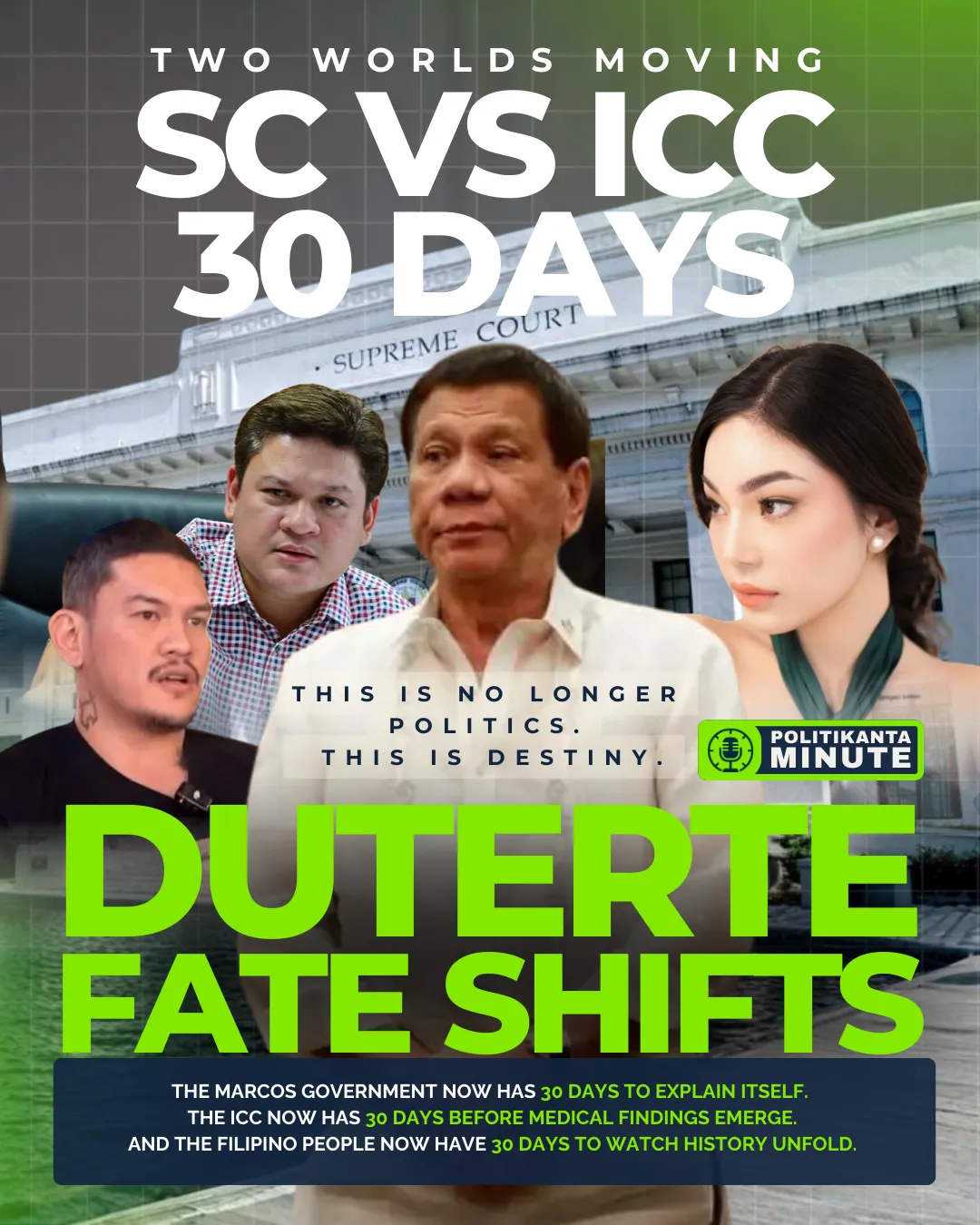
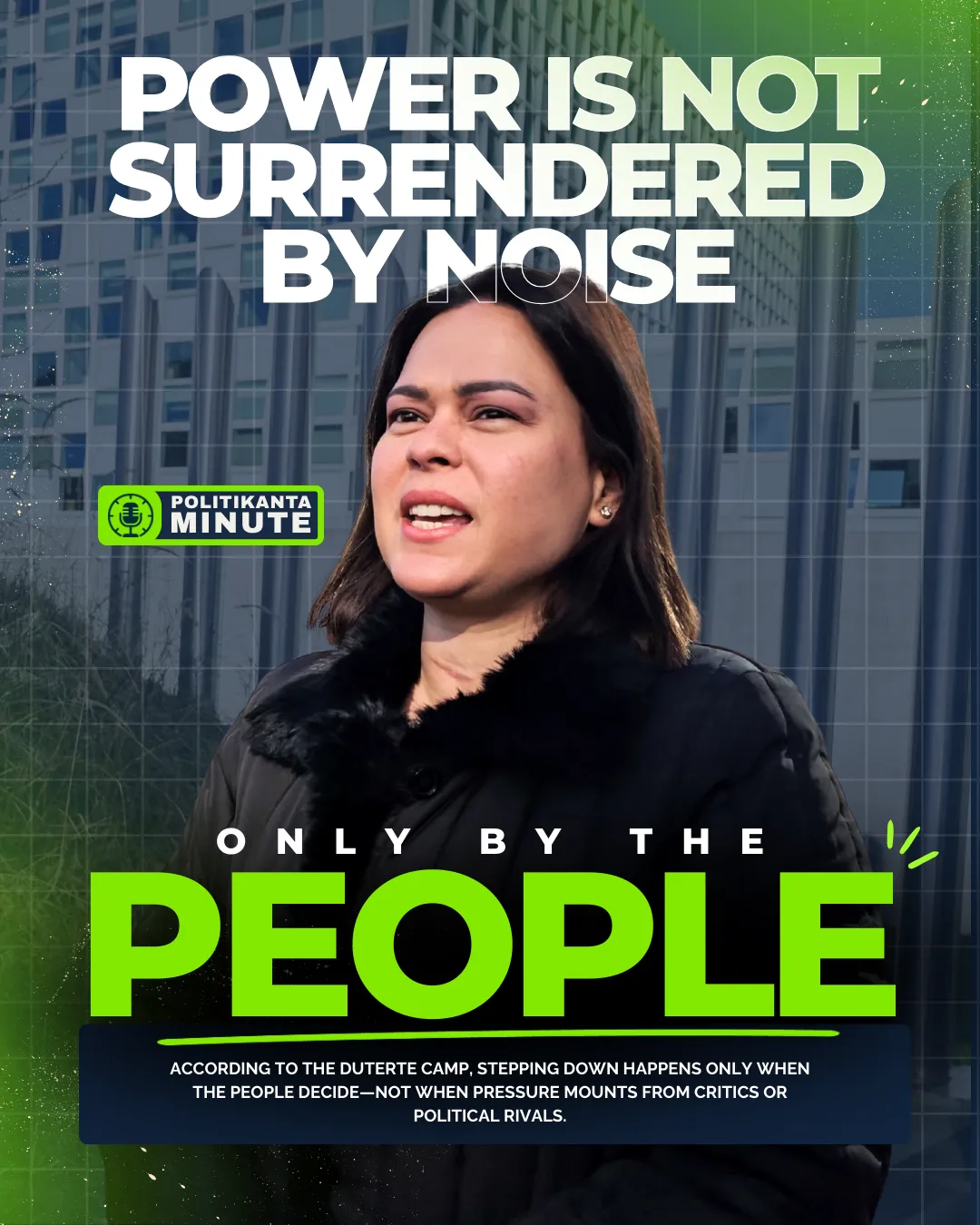




Darryl Yap’s recent post about Vice President Sara Duterte struck a chord online, amassing thousands of comments and shares. His words painted a portrait of resilience: “Nagtitiwala, tumulong, tinraydor, siniraan, patuloy na pinahihirapan.”
For her supporters, Sara Duterte is not just a political figure — she is a daughter honoring her father’s legacy, and a leader standing up for the country amidst criticism and betrayal.
The post frames her as a defender of the nation, ready to battle what Yap describes as the “pulang halimaw na umuuto ng rosas,” a direct jab at political rivals. This strong imagery highlights how polarized Philippine politics has become — where allegiances, narratives, and symbols are constantly weaponized.
But beyond the rhetoric lies the bigger question: Can Sara Duterte truly rise above political attacks and prove herself as a unifying leader, or will she remain trapped in the cycle of partisan battles?
As the political landscape heats up, one thing remains clear — Sara Duterte continues to be a central figure in shaping the nation’s political future.
💭 What’s your take? Is Sara Duterte the resilient leader her supporters believe her to be — or just another political personality caught in the storm?


Disclaimer: This site uses publicly available images and materials for news, satire, and commentary. All rights belong to their respective owners. No copyright infringement intended.
© 2025 Politikanta Minute. All Rights Reserved.
Political Commentary • Satire • Faith-Based Reflection
Some visuals may be AI-generated for satire and illustration. Not real footage unless stated.
Disclaimer: This site uses publicly available images and materials for news, satire, and commentary. All rights belong to their respective owners. No copyright infringement intended.
© 2025 Politikanta Minute. All Rights Reserved.
Political Commentary • Satire • Faith-Based Reflection
Some visuals may be AI-generated for satire and illustration. Not real footage unless stated.