
Mandaluyong City
COURTESY CALL OF H.E. SARAH HULTON, OBE
Tap to view
👁
Mandaluyong City

Your support keeps independent commentary alive.
☕ Buy us a coffee and keep the conversation going


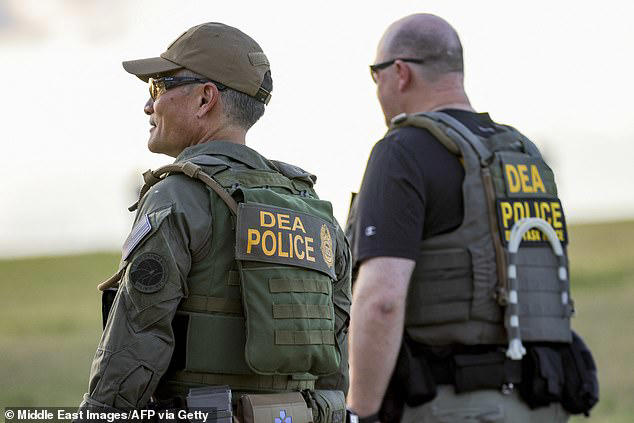
Newly surfaced documents attributed to the Drug Enforcement Administration (DEA) suggest that convicted sex offender Jeffrey Epstein may have facilitated drug-related activity within his social network.
The reports, cited in recent media coverage, indicate that investigators examined potential links between Epstein’s operations and the movement or availability of controlled substances during gatherings at his properties.
At this stage, the documents reportedly suggest possible facilitation — not formal convictions tied specifically to drug trafficking.
According to the reports:
DEA materials referenced instances where drugs may have been present at events associated with Epstein.
Investigators reportedly examined whether Epstein or his associates helped enable access to substances.
The documentation suggests possible facilitation rather than direct evidence of a trafficking network run by Epstein himself.
Importantly, no new criminal conviction has been announced in connection with these specific claims.
Legal analysts emphasize that investigative documents often explore multiple leads — not all of which result in prosecution.
Jeffrey Epstein was previously convicted of sex-related crimes and later faced federal charges before his death in 2019 while in custody.
Since then, multiple agencies have reviewed:
Financial transactions
Travel logs
Communication records
Associates and social contacts
If DEA documents indeed indicate drug facilitation, the focus would likely center on:
Whether drugs were knowingly supplied
Whether there was coordination or intent
Whether federal narcotics laws were violated
Facilitation under U.S. law can carry serious consequences if proven, but establishing intent and direct involvement is legally complex.
The Epstein case continues to evolve years after his death.
Originally centered on sex trafficking and abuse allegations, investigations have widened to examine:
Financial misconduct
Political connections
Elite networks
Possible ancillary crimes
If verified, drug-related facilitation would add another layer to a case already marked by international scrutiny and political sensitivity.
However, experts caution that early investigative documents often contain exploratory findings rather than finalized conclusions.
“Facilitation” can mean different things legally:
Providing access to a location
Introducing individuals
Arranging transportation
Knowing allowance of illegal activity
It does not necessarily mean running a trafficking operation.
The distinction matters.
In high-profile cases, nuance can be lost in headlines.
Legal professionals stress that documents suggesting “may have facilitated” do not equate to a court determination of guilt.
The Epstein case remains a symbol of elite accountability concerns.
Every new development fuels public debate about:
Whether powerful individuals received preferential treatment
Whether full disclosure of investigative findings has occurred
Whether additional criminal conduct remains undisclosed
The emergence of DEA-linked material may intensify calls for further transparency.
However, without confirmed charges or formal indictments tied to drug trafficking, the claims remain part of ongoing review.
Federal agencies like the DEA typically:
Collect intelligence
Compile investigative memos
Coordinate with prosecutors
Evaluate evidentiary thresholds
Not all investigative leads result in charges.
Some remain classified or sealed depending on prosecutorial decisions and ongoing reviews.
Democratic legal systems rely on:
Evidence-based prosecution
Presumption of innocence
Judicial determination
Even in cases involving individuals with prior convictions, each new allegation must stand on its own evidentiary foundation.
The emergence of DEA documents suggests further scrutiny — not final judgment.











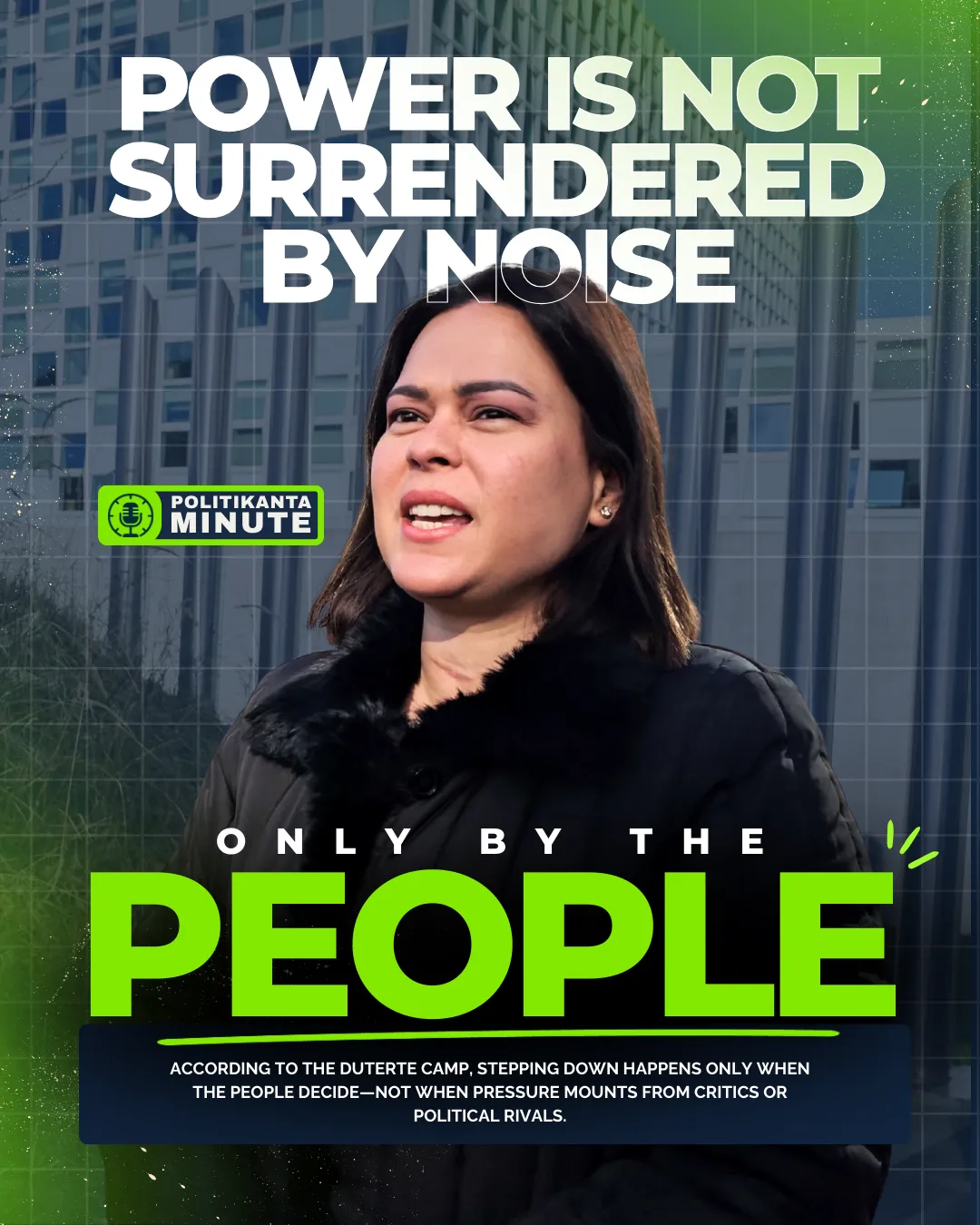






Darryl Yap’s recent post about Vice President Sara Duterte struck a chord online, amassing thousands of comments and shares. His words painted a portrait of resilience: “Nagtitiwala, tumulong, tinraydor, siniraan, patuloy na pinahihirapan.”
For her supporters, Sara Duterte is not just a political figure — she is a daughter honoring her father’s legacy, and a leader standing up for the country amidst criticism and betrayal.
The post frames her as a defender of the nation, ready to battle what Yap describes as the “pulang halimaw na umuuto ng rosas,” a direct jab at political rivals. This strong imagery highlights how polarized Philippine politics has become — where allegiances, narratives, and symbols are constantly weaponized.
But beyond the rhetoric lies the bigger question: Can Sara Duterte truly rise above political attacks and prove herself as a unifying leader, or will she remain trapped in the cycle of partisan battles?
As the political landscape heats up, one thing remains clear — Sara Duterte continues to be a central figure in shaping the nation’s political future.
💭 What’s your take? Is Sara Duterte the resilient leader her supporters believe her to be — or just another political personality caught in the storm?


Disclaimer: This site uses publicly available images and materials for news, satire, and commentary. All rights belong to their respective owners. No copyright infringement intended.
© 2025 Politikanta Minute. All Rights Reserved.
Political Commentary • Satire • Faith-Based Reflection
Some visuals may be AI-generated for satire and illustration. Not real footage unless stated.
Disclaimer: This site uses publicly available images and materials for news, satire, and commentary. All rights belong to their respective owners. No copyright infringement intended.
© 2025 Politikanta Minute. All Rights Reserved.
Political Commentary • Satire • Faith-Based Reflection
Some visuals may be AI-generated for satire and illustration. Not real footage unless stated.
