
Mandaluyong City
COURTESY CALL OF H.E. SARAH HULTON, OBE
Tap to view
👁
Mandaluyong City

Your support keeps independent commentary alive.
☕ Buy us a coffee and keep the conversation going


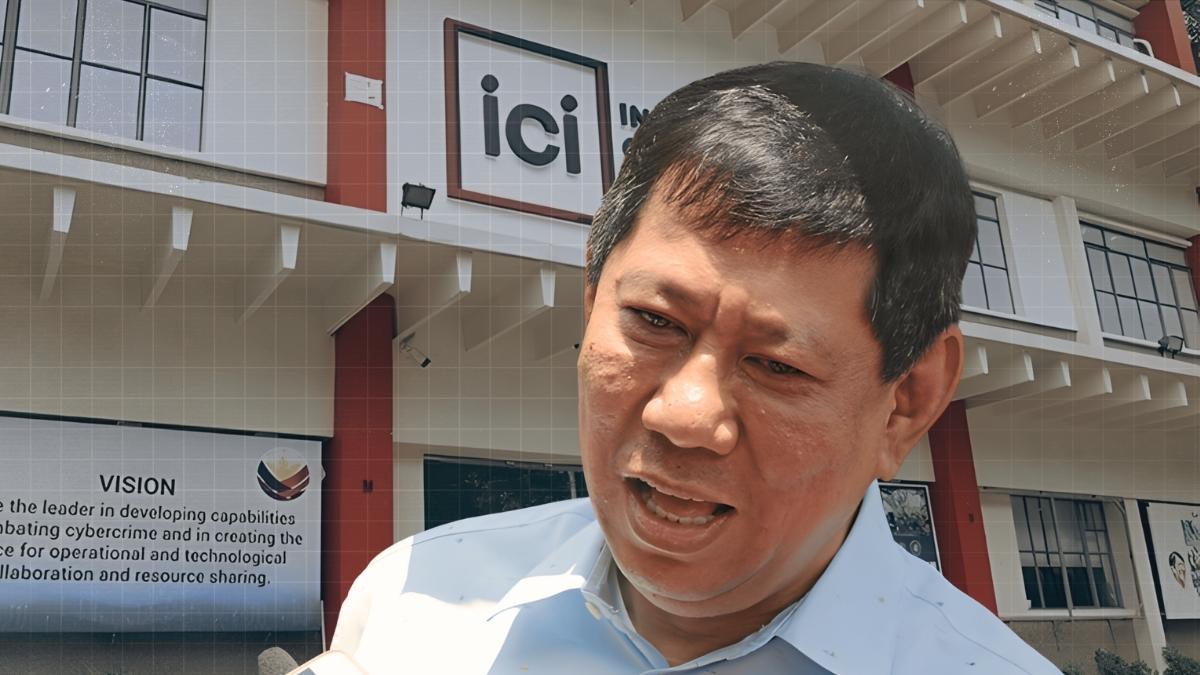
In impeachment, not every failure qualifies as a crime.
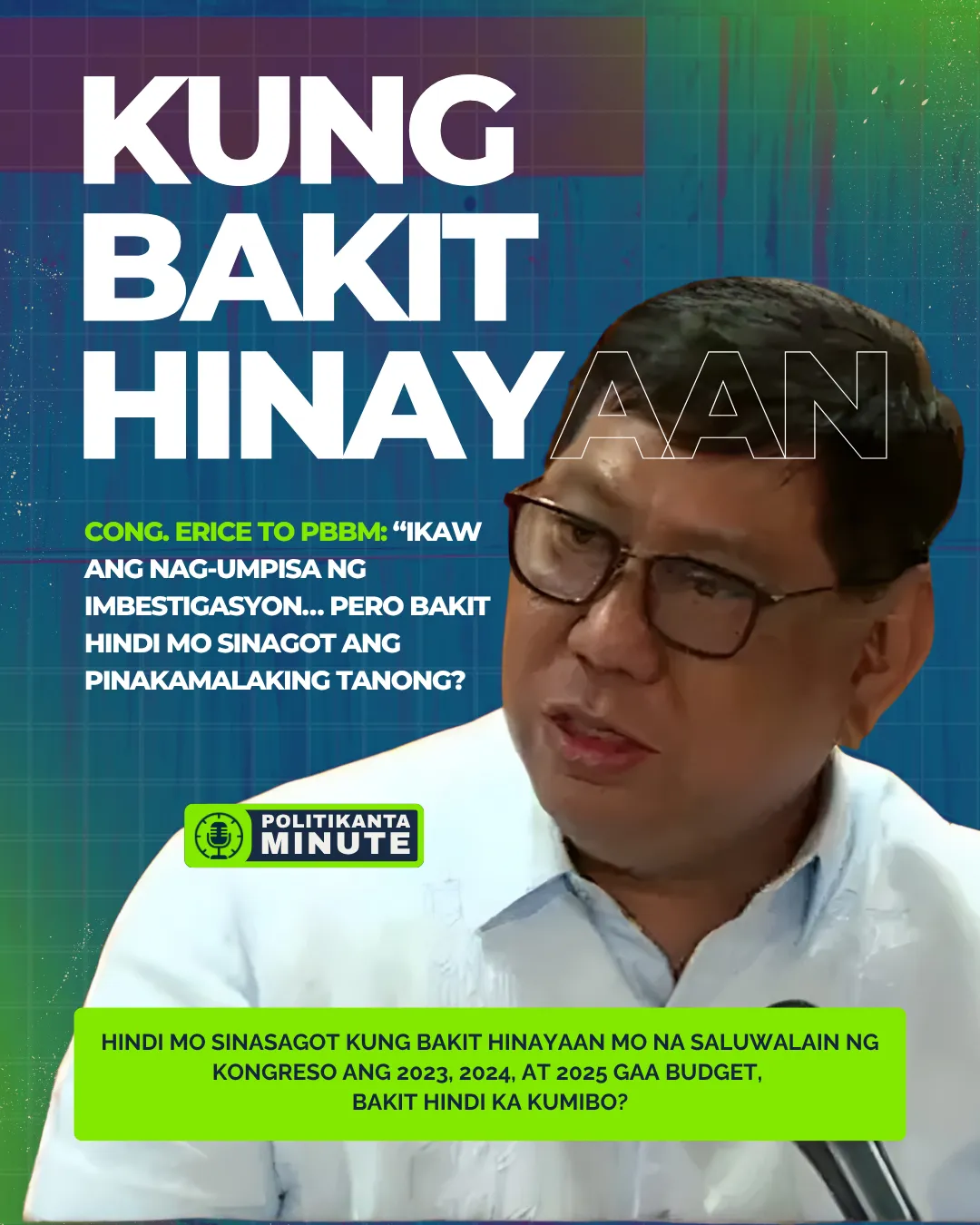
Caloocan 2nd District Representative Egay Erice said the Independent Commission on Infrastructure (ICI) may be a failure in execution, but its shortcomings do not rise to the level of an impeachable offense attributable to President Ferdinand Marcos Jr..
Erice acknowledged widespread dissatisfaction with the ICI’s performance—particularly its limited output relative to its broad mandate—but stressed that institutional underperformance alone does not meet constitutional grounds for impeachment. According to him, impeachment requires a direct link between presidential action and constitutionally defined offenses, not policy disappointment or administrative weakness.
His statement draws a clear boundary in the ongoing impeachment discourse: accountability is not interchangeable with removability. While Congress may investigate, reform, or even abolish bodies it deems ineffective, Erice argued that impeachment must remain tethered to clear standards—culpable violations, graft, or betrayal of public trust proven through acts, not outcomes.
Quietly, the comment recalibrates the debate. If ICI’s failure is systemic, the remedy lies in legislation and oversight—not impeachment. The distinction matters, especially as lawmakers sift which issues belong to governance reform and which cross the constitutional threshold.
Discreet satire, institutional edition: a failed commission is a policy problem—until someone proves it was designed to fail.






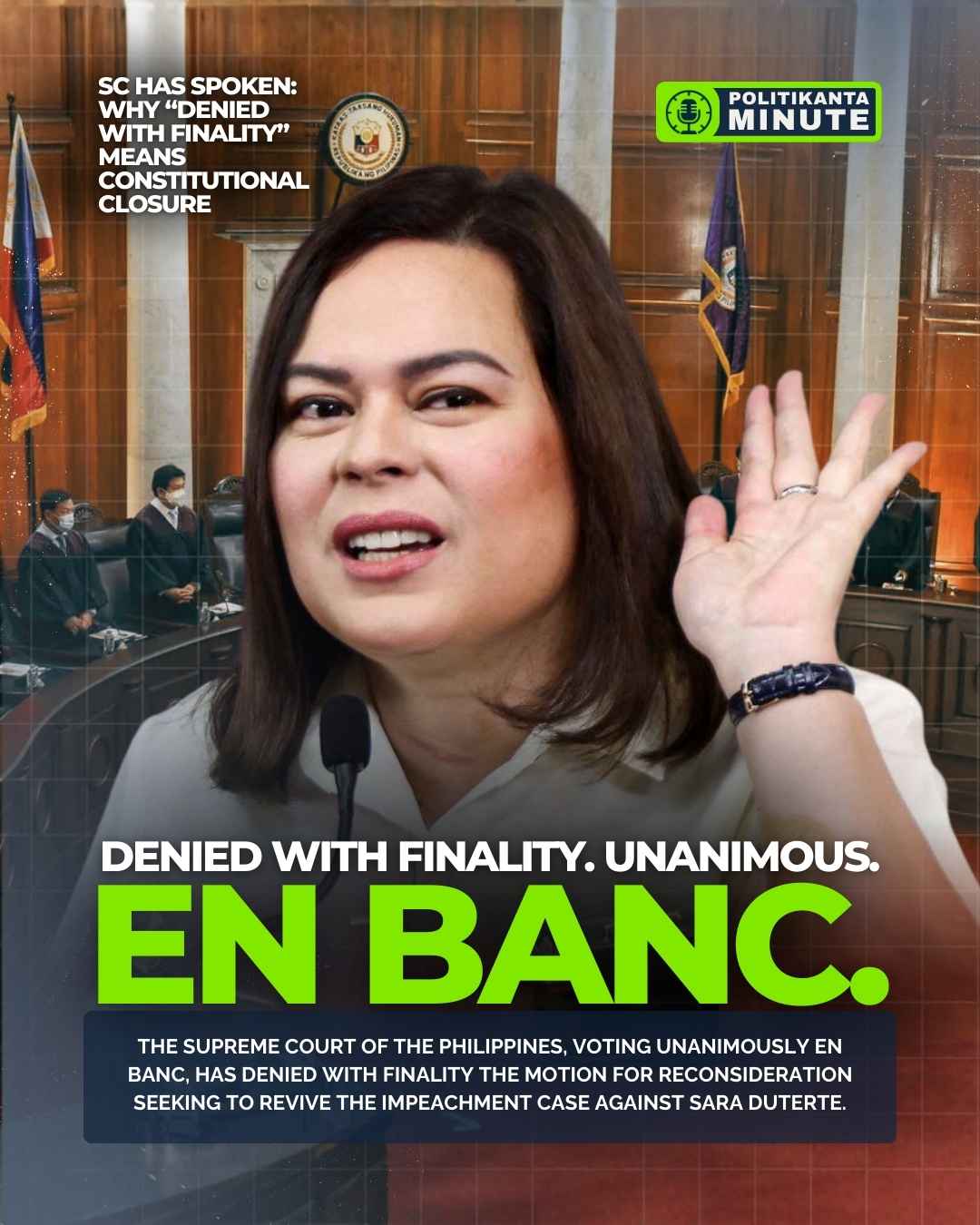








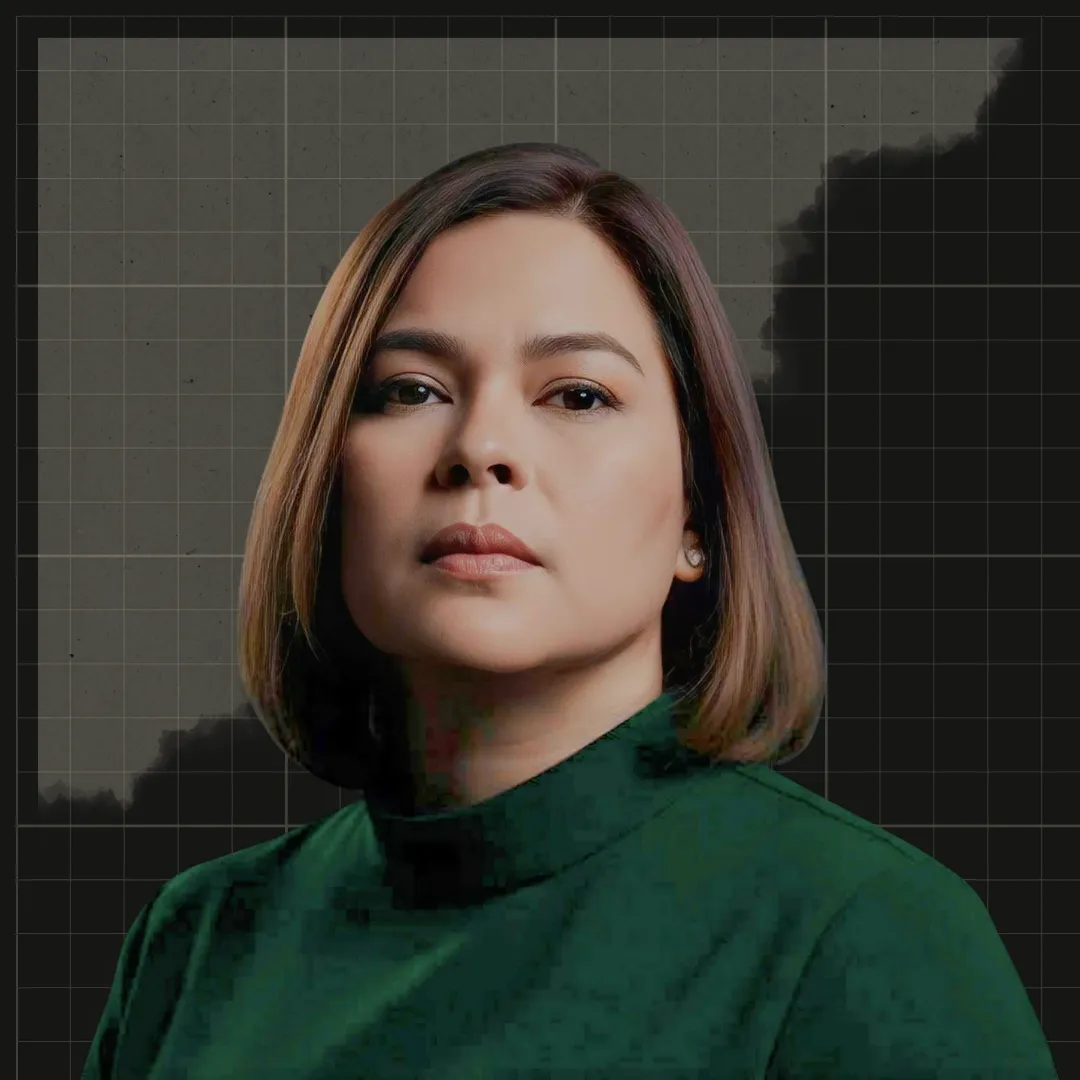
Darryl Yap’s recent post about Vice President Sara Duterte struck a chord online, amassing thousands of comments and shares. His words painted a portrait of resilience: “Nagtitiwala, tumulong, tinraydor, siniraan, patuloy na pinahihirapan.”
For her supporters, Sara Duterte is not just a political figure — she is a daughter honoring her father’s legacy, and a leader standing up for the country amidst criticism and betrayal.
The post frames her as a defender of the nation, ready to battle what Yap describes as the “pulang halimaw na umuuto ng rosas,” a direct jab at political rivals. This strong imagery highlights how polarized Philippine politics has become — where allegiances, narratives, and symbols are constantly weaponized.
But beyond the rhetoric lies the bigger question: Can Sara Duterte truly rise above political attacks and prove herself as a unifying leader, or will she remain trapped in the cycle of partisan battles?
As the political landscape heats up, one thing remains clear — Sara Duterte continues to be a central figure in shaping the nation’s political future.
💭 What’s your take? Is Sara Duterte the resilient leader her supporters believe her to be — or just another political personality caught in the storm?


Disclaimer: This site uses publicly available images and materials for news, satire, and commentary. All rights belong to their respective owners. No copyright infringement intended.
© 2025 Politikanta Minute. All Rights Reserved.
Political Commentary • Satire • Faith-Based Reflection
Some visuals may be AI-generated for satire and illustration. Not real footage unless stated.
Disclaimer: This site uses publicly available images and materials for news, satire, and commentary. All rights belong to their respective owners. No copyright infringement intended.
© 2025 Politikanta Minute. All Rights Reserved.
Political Commentary • Satire • Faith-Based Reflection
Some visuals may be AI-generated for satire and illustration. Not real footage unless stated.


