Mandaluyong City
COURTESY CALL OF H.E. SARAH HULTON, OBE
Tap to view
👁
Mandaluyong City

Your support keeps independent commentary alive.
☕ Buy us a coffee and keep the conversation going


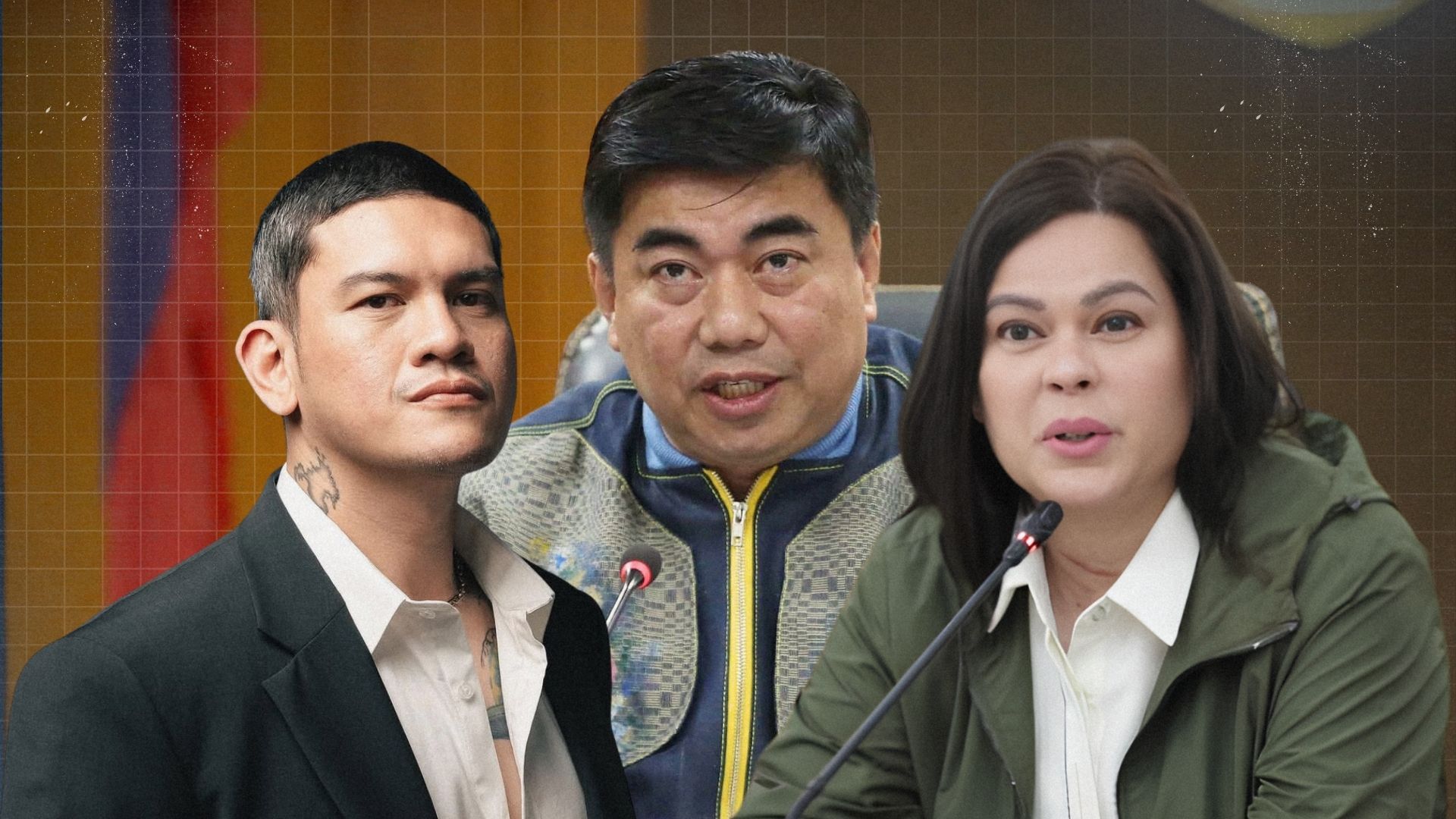
What some may consider as statements—others are now treating as something far more serious.
A new clarification from the National Bureau of Investigation is intensifying the discussion surrounding recent remarks involving the country’s highest officials.
The National Bureau of Investigation (NBI) has emphasized that statements made by Vice President Sara Duterte regarding President Ferdinand Marcos Jr. are being treated as real threats—not conditional or hypothetical remarks.
According to NBI Director Melvin Matibag, the agency considers these statements as direct threats based on their assessment.
The NBI also pointed to a separate remark from Davao City Mayor Baste Duterte, which they likewise interpret as threatening in nature.
These developments come as part of ongoing investigations related to statements that authorities believe may go beyond ordinary political expression.
This is a shift in interpretation.
👉 From speech → to potential threat
And that shift is critical.
Because once authorities define a statement as a threat:
👉 It enters a different level of accountability
👉 It is no longer just debated—it is examined
Who defines the line between expression and danger?
In political discourse:
Strong language is common
Emotions run high
Statements can be interpreted differently
But law enforcement operates on:
👉 intent
👉 context
👉 potential risk
Reactions are intense and divided:
Some support the NBI’s position on maintaining security
Others question whether the interpretation is too strict
Many are watching closely as the investigation progresses
And this tension is important—
👉 because it reflects a deeper uncertainty about boundaries
This situation could influence:
How public statements are interpreted legally
The limits of political expression
The role of law enforcement in evaluating intent
Because in high-level politics—
👉 words can carry consequences beyond their original intent
In moments where words are placed under scrutiny, clarity becomes essential.
Because what is said may be debated—
but how it is understood can define the outcome.
And the real question now is:
👉 Where should the line be drawn between expression and threat?
“Those who guard their lips preserve their lives, but those who speak rashly will come to ruin.”
This verse highlights the power and danger of words.
Speech can:
Protect
Or create unintended consequences
In today’s context:
Speak carefully
Understand the weight of words
Recognize how statements can be interpreted
November 23, 2025•1 min read

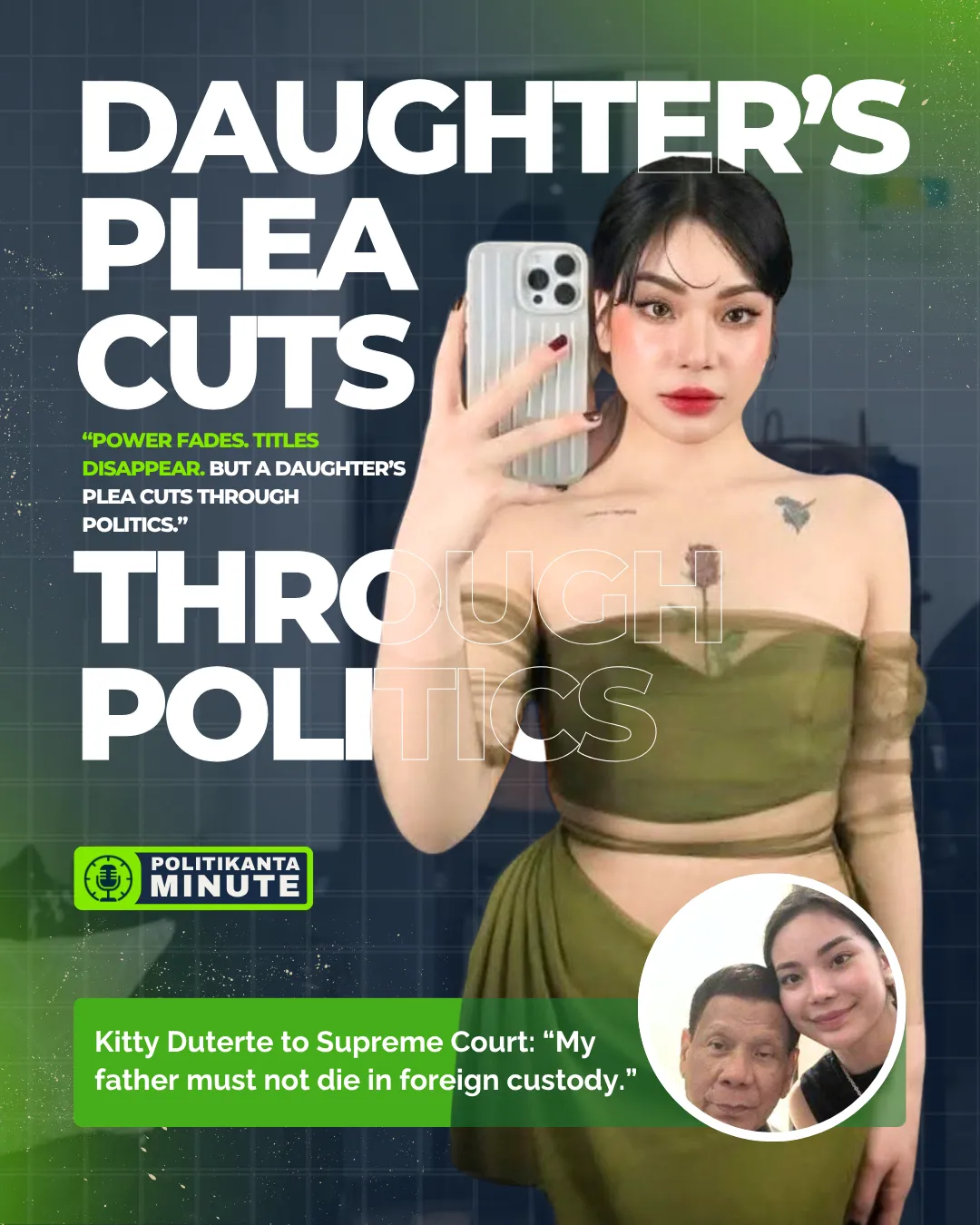

Her plea, submitted through Atty. Salvador Panelo, paints a harrowing picture:
a former Philippine President, elderly, frail, far from home, and—according to their petition—experiencing cognitive decline while detained abroad.
The petition argues that Duterte’s condition is expected to deteriorate further without immediate medical attention from his own doctors, asserting that the ICC is unfit to provide the specialized care he requires.
They warn that forcing him to stand trial in such condition would be inhumane.
Kitty’s message is clear:
“Timely intervention could have spared my father this harm. Bring him home.”
The petition also challenges the government directly.
If the Philippines was able to bring home figures like Arnolfo Teves despite international complications, why can’t they act for a former head of state?
This is no longer just a legal battle.
This is a humanitarian question.
A daughter’s plea.
A family’s desperation.
A former president’s life hanging in the balance.
And many Filipinos are now asking:
Will the government allow a former president to suffer — or will it act before it’s too late?



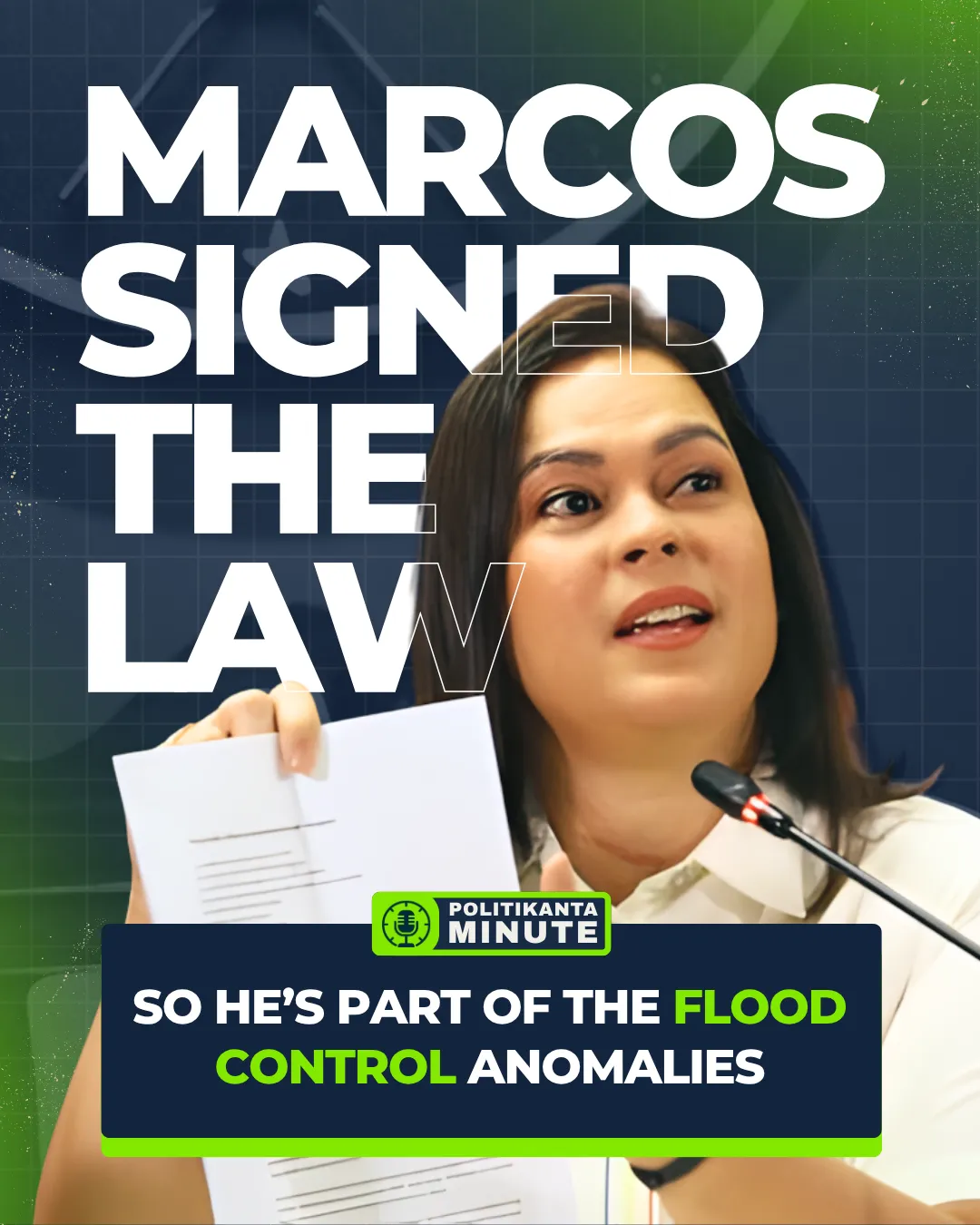





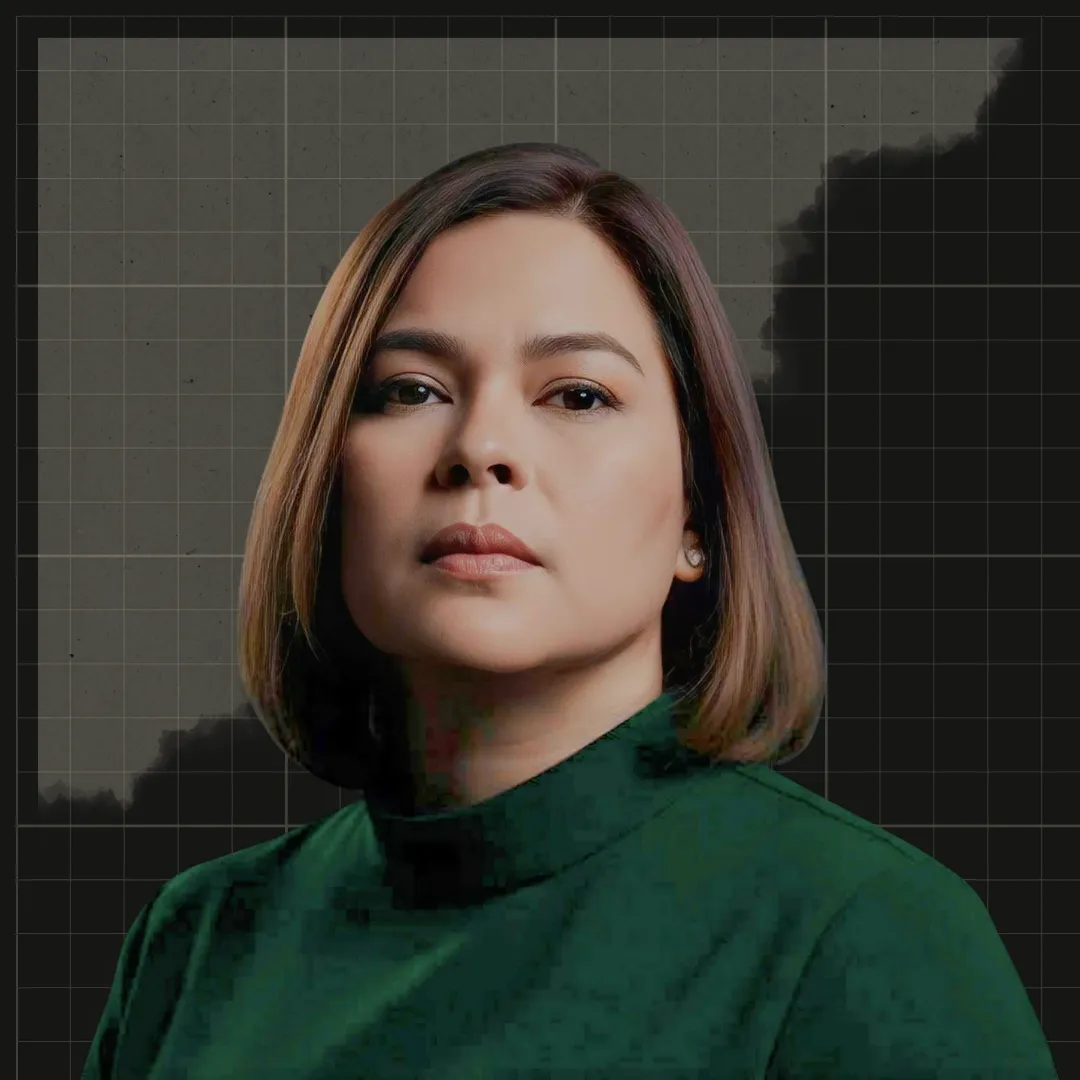
Darryl Yap’s recent post about Vice President Sara Duterte struck a chord online, amassing thousands of comments and shares. His words painted a portrait of resilience: “Nagtitiwala, tumulong, tinraydor, siniraan, patuloy na pinahihirapan.”
For her supporters, Sara Duterte is not just a political figure — she is a daughter honoring her father’s legacy, and a leader standing up for the country amidst criticism and betrayal.
The post frames her as a defender of the nation, ready to battle what Yap describes as the “pulang halimaw na umuuto ng rosas,” a direct jab at political rivals. This strong imagery highlights how polarized Philippine politics has become — where allegiances, narratives, and symbols are constantly weaponized.
But beyond the rhetoric lies the bigger question: Can Sara Duterte truly rise above political attacks and prove herself as a unifying leader, or will she remain trapped in the cycle of partisan battles?
As the political landscape heats up, one thing remains clear — Sara Duterte continues to be a central figure in shaping the nation’s political future.
💭 What’s your take? Is Sara Duterte the resilient leader her supporters believe her to be — or just another political personality caught in the storm?


Disclaimer: This site uses publicly available images and materials for news, satire, and commentary. All rights belong to their respective owners. No copyright infringement intended.
© 2025 Politikanta Minute. All Rights Reserved.
Political Commentary • Satire • Faith-Based Reflection
Some visuals may be AI-generated for satire and illustration. Not real footage unless stated.
Disclaimer: This site uses publicly available images and materials for news, satire, and commentary. All rights belong to their respective owners. No copyright infringement intended.
© 2025 Politikanta Minute. All Rights Reserved.
Political Commentary • Satire • Faith-Based Reflection
Some visuals may be AI-generated for satire and illustration. Not real footage unless stated.