
Join 2000+ coaches and athletes
MY COACHING EYE 2
Apply Speed and Movement Principles to Real Game Actions
Learn the 3 Foundational Coaching Skills That Unlock
Speed & Movement Performance
Understand, coach, and progress speed in the moments that decide performance, under pressure, constraint, and decision making.

READ Game Actions With Clarity
Learn how to recognise attacking and defensive movement strategies, distinguish agility from change of direction, and categorise game actions in a way that actually informs coaching decisions.
Stop guessing what you are seeing and start understanding why athletes move the way they do in real game contexts.

COACH Braking, Planting, and Re-Acceleration With Intent
Learn how speed breaks down and rebuilds in game actions through braking, planting, and separating.
Understand velocity and angle trade-offs, transition mechanics, and robust running so you can coach change of direction in ways that hold up under pressure.
DESIGN Training That Transfers to the Game
Learn how to turn principles into practice using constraints, implements, posture-based cueing, and targeted exercise selection.
Design sessions that reflect game demands, reduce unnecessary breakdowns, and support both performance and durability.
OUR REVIEWS
What Do Other Coaches Say About Our Education?
MATT TAYLOR
St Kilda, AFL
S&C Coach
MENTORSHIP
“PSR and BPS helped shape our AFL warm-ups and return-to-play strategies. It’s been a game changer.”

PATRICK MOORE
Aston Villa
First Team S&C Coach
MENTORSHIP
“The Mentorship has been the best thing I have done for my professional career. It has really challenged my way of thinking and how I approach programming and coaching."
ANDREAS BECK
Eintracht Frankfurt
S&C Coach
MCE 1
"Speedworks have had a dramatic and lasting effect on how we do strength and conditioning for football. Building efficient and elastic players has become easier through the use of specific drills and resisted runs. The Speedworks framework has allowed us to develop underpinning qualities for hamstring health through specific actions. This is an efficient way to train the players as season where we are limited in the dose of training we can actually do."
TOM MYSLINSKI
Jacksonville Jaguars
Head S&C Coach
WORKSHOP
"Jonas is a trusted friend and confidant - it’s so important to have colleagues that have a growth mindset, whom you can lean on for advice and at times challenge your beliefs in becoming a better coach and person."
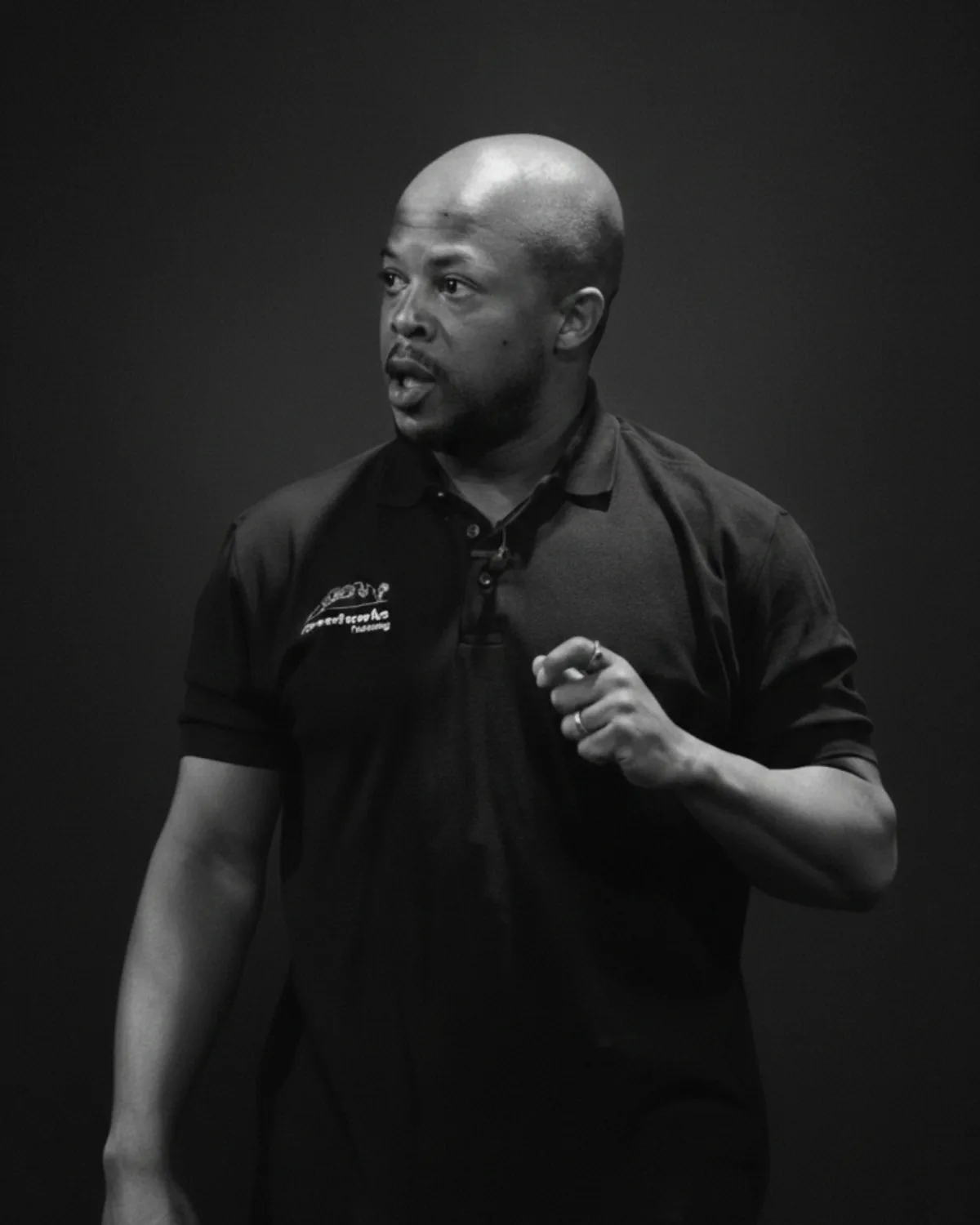
Jonas Tawiah-Dodoo
From Olympic Sprinting to Elite Team Sport.
Developing Speed, Movement, and Coaching Clarity.
I’m not teaching ideas pulled from theory alone.
Everything inside Speedworks coach education has been built through real coaching environments.
From elite sprinting to team sport, and refined through years of observation, diagnosis, and applied decision-making.
15+ YEARS
High-performance coaching experience
The Most Complete Framework for Coaching Speed in Game Actions
You get everything you need to understand, coach, and progress braking, change of direction, and re-acceleration in real sporting contexts,
based on the principles and methods used within the Speedworks system.
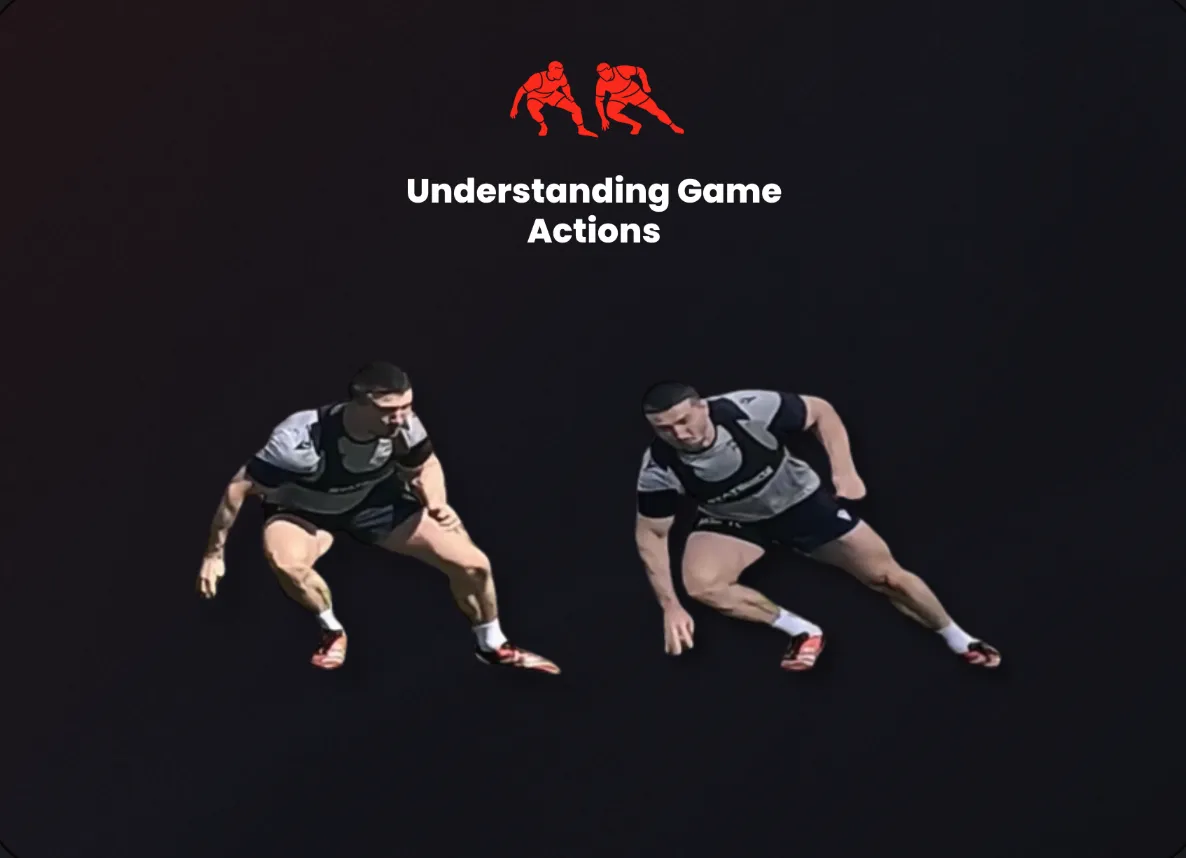
Understanding Game Actions
This module reframes how you see speed in sport.
Jonas breaks down how game context shapes movement expression, how attacking and defensive actions differ, and why agility is not the same as change of direction. This forms the foundation for coaching speed where decisions, space, and pressure matter most.
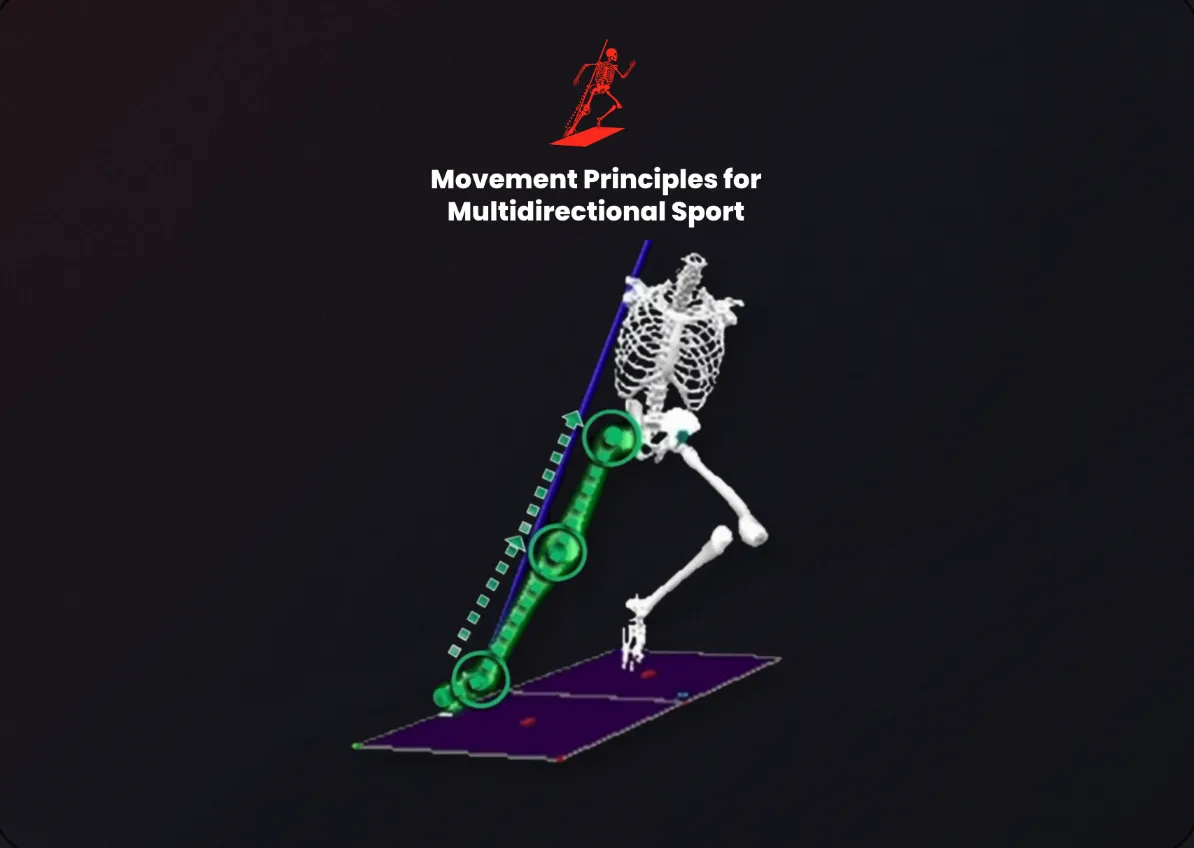
Movement Principles for Multidirectional Sport
This module explains what allows athletes to move efficiently in any direction.
You will learn the key principles behind force orientation, posture, load sharing, and pre-tension, and how these qualities support robust movement when speed is expressed under constraint.
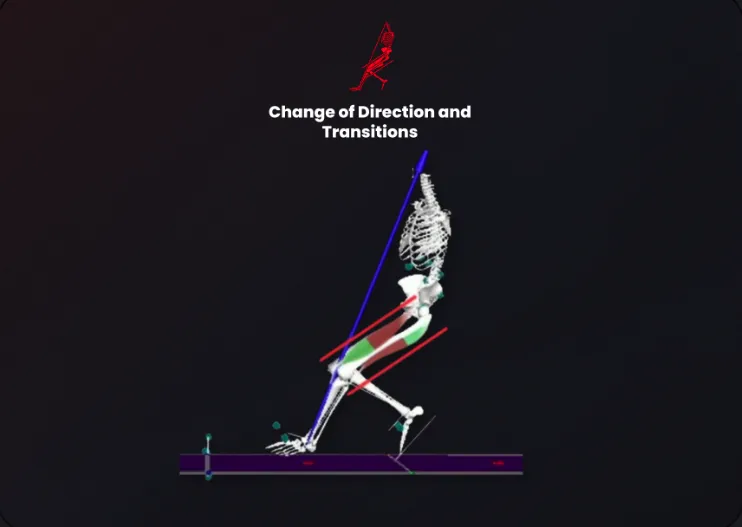
Change of Direction and Transitions
This module focuses on the moments where speed is gained or lost.
Jonas breaks down the phases of change of direction, the velocity and angle trade-off, and how braking, planting, and re-acceleration interact. You will understand how transitions fail and how to coach them more effectively.
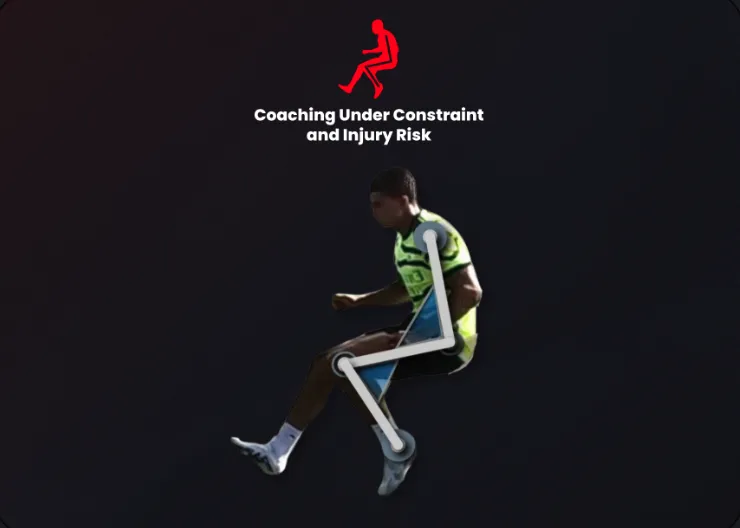
Coaching nder Constraint and Injury Risk
This module connects performance to durability.
You will learn how game actions increase injury risk, how compensations emerge, and which biomechanical red flags matter most. This allows you to coach speed with greater awareness of risk without becoming overly cautious or restrictive.
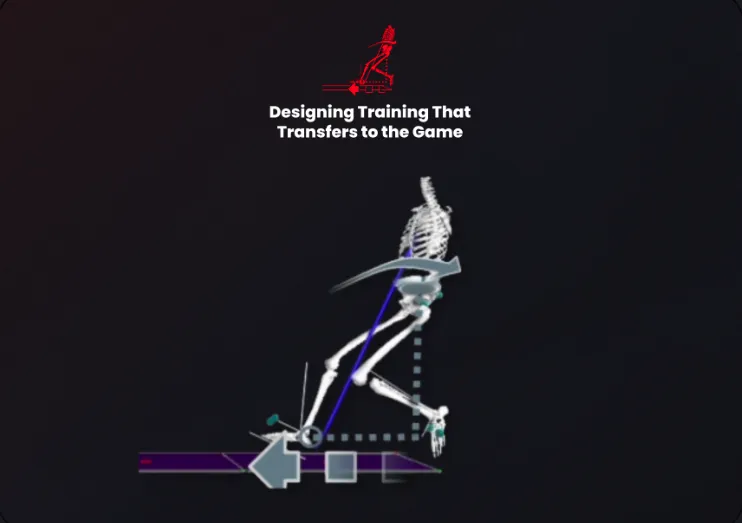
Designing Training That Transfers to the Game
This module turns understanding into practical coaching.
Jonas shows how to design constraint-led sessions, integrate implements, and select exercises that reflect real game demands. You will see how principles translate into training that holds up under speed, pressure, and competition.
Here’s Everything You Get Inside My Coaching Eye 2
5 Modules. 41 Lessons. Built Around Real Game Actions. Zero Filler.
Modules
Understanding Game Actions
5 Lessons
Learn how game context shapes movement expression, how attacking and defensive actions differ, and why agility and change of direction are not the same thing from a coaching perspective.
Key Principles of Movement
6 Lessons
Understand the movement principles that allow athletes to change direction efficiently, including posture, force direction, load sharing, and pre-tension in multidirectional sport.
Change of Direction Deep Dive
6 Lessons
Explore how velocity, angle, and control interact during change of direction, and how transitions succeed or fail under the demands of real game situations.
Injury Rehab
4 Lessons
Connect movement quality to injury risk in game actions by learning to recognise common compensations and biomechanical red flags that affect performance and durability.
Coaching and Cueing
5 Lessons
Learn how to apply constraints, implements, and posture-based interventions to guide movement outcomes and integrate speed work into realistic training environments.
Exercise Menu
2 Lessons
Access a practical menu of exercises designed to link movement principles to application, helping you select and adapt drills with clearer intent.
Review Papers
6 Lessons
Review the key research underpinning performance and injury in agility and change of direction, providing context for the practical frameworks used throughout the course.
Case Studies
7 Lessons
See how game-action principles translate into real coaching outcomes through short athlete case studies drawn from applied training environments.
You Only Need One Better Decision
Per Week to Justify This Course
If we're being honest, we can’t predict every situation you coach in. Game actions are messy, unpredictable, and context driven. That’s exactly why this course is built around principles, not prescriptions. And like any professional development investment, this course is a legitimate education expense for your coaching practice.
£300
My Coaching Eye 2
Game Actions
Full Course Access
Lifetime access to My Coaching Eye 2, including all current modules and future updates
Structured modules designed to improve how you see, coach, and progress game actions
Practical frameworks and examples grounded in real sporting environments
Exercise menus and case studies to support transfer from theory to practice
Designed to sit alongside My Coaching Eye 1 and lead into future MCE courses
Frequently Asked Questions
Who is My Coaching Eye 2 for?
My Coaching Eye 2 is for coaches working in sport who want to better understand and coach game actions, particularly braking, change of direction, and re-acceleration under real constraints.
Do I need to complete My Coaching Eye 1 first?
My Coaching Eye 1 is strongly recommended. MCE2 builds on the principles introduced in MCE1 and focuses on how they express in-game actions rather than re-teaching foundational concepts.
Is this course suitable for team sport coaches?
Yes. The course is designed around the demands of team sports where speed, direction change, and decision making occur under pressure and in unpredictable environments.
Is this relevant for rehabilitation and return to play?
Yes. Several sections address injury risk, movement compensations, and durability in game actions. The course helps coaches better understand how performance and injury considerations interact.
Will this give me drills I can use straight away?
Yes, but the focus is on understanding why drills work, not just collecting exercises. You will gain exercise menus alongside the principles needed to adapt them to your own context.
How long do I have access to the course?
You receive lifetime access to My Coaching Eye 2, including any future updates made to the course.
Is this course theoretical or practical?
Both. The course connects biomechanical principles and research with applied coaching examples, case studies, and practical session design.
How does My Coaching Eye 2 fit with the rest of the MCE courses?
MCE2 sits between MCE1 and later courses. MCE1 focuses on understanding movement, MCE2 focuses on applying that understanding to game actions, and later courses build toward screening, teaching, and transfer.
Can I study this alongside full-time coaching?
Yes. The course is structured into short, focused videos that allow you to progress at your own pace without disrupting your coaching schedule.
Is this course sport specific?
The principles apply across sports. Examples are drawn from multiple sporting contexts, allowing you to adapt the concepts to your own environment.
If you’re considering My Coaching Eye 2 but aren’t completely sure it’s the right fit, that’s absolutely fine. Just complete the short form below and we’ll make sure you receive the information that helps you understand whether this is the right path for you.
The Speedworks Training System is our methodology to developing coaches and athletes; built over 14 years through coaching a variety of individuals. We measure performance when you start and take you on a journey of growth and improvement.
INFO
CUSTOMER CARE
FOLLOW US


