
Understanding Circulation: The Power Of Proper Leg Elevation
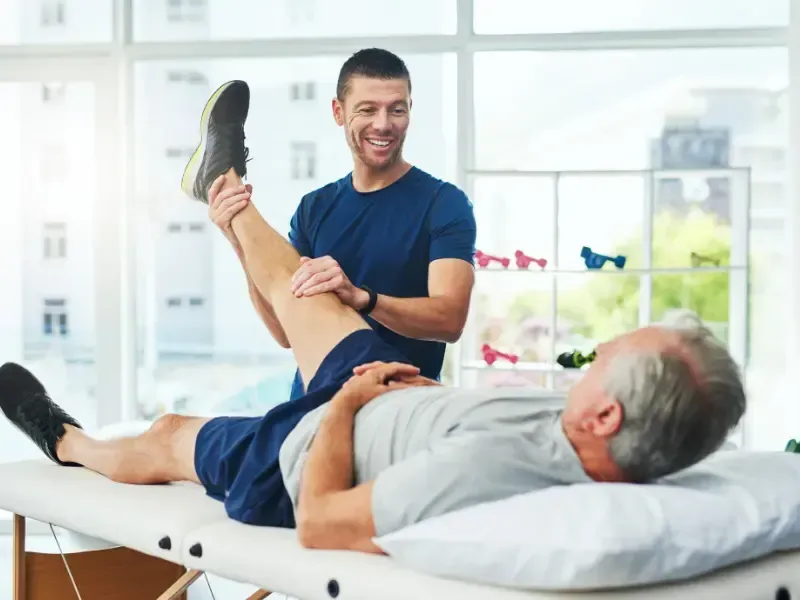
The Power Of Proper Leg Elevation
Understanding Circulation
What Is Circulation And Why Does It Matter?
Let's kick things off by discussing circulation, shall we?
The Role of Blood Flow in the Body
To understand the relevance of leg elevation, you first need to understand circulation. Picture your body as a bustling city. The bloodstream? That's the intricate network of highways. And your blood cells? Those are the diligent delivery trucks, carrying essential nutrients and oxygen to every nook and cranny of this bustling metropolis — your organs and tissues.
Blood circulation is what ensures every part of your body gets what it needs to function optimally. When circulation is efficient, all is well in your city. The trucks deliver their precious cargo on time, and every organ is happy and thriving.
The Impact of Poor Circulation
Now, what happens when circulation is not up to par? Well, that's when things start going haywire. It's the equivalent of a massive traffic jam on your highways. Deliveries are delayed or, worse, not made at all. This, in turn, leads to a myriad of issues. We're talking about tired and aching muscles, swelling in the feet and ankles, even an overall lack of energy. Not a pretty picture, right?
So, you see, maintaining good circulation is a big deal. But how does leg elevation factor into this? Let's explore that next.
The Physiology Behind Leg Elevation
The Heart and Gravity
Your heart is a tireless worker, pumping blood to every part of your body. But let's not forget, it has to fight gravity to send blood to your lower limbs. And while your heart is a formidable fighter, a little help never hurt anyone, right? This is where leg elevation comes into play.
By elevating your legs, you're essentially giving your heart a break from this constant uphill battle against gravity. With your legs raised, the heart can easily pump blood down to your legs and pull it back up again. It's like giving your heart an express lane for blood circulation.
Effects of Leg Elevation on Blood Flow
When you elevate your legs, you're improving the return of blood to the heart. But that's not all. You're also reducing the pressure on your veins and decreasing the swelling and inflammation in your lower limbs.
How Leg Elevation Enhances Circulation
With leg elevation, you're optimizing blood flow. This means that your blood cells — those busy little delivery trucks we talked about earlier — can do their job more effectively. And what's their job again? That's right, delivering oxygen and nutrients to every part of your body.
Better circulation means more oxygen and nutrients getting to where they need to go, when they need to get there. This is especially beneficial for muscle health, which brings us to our next point.
Delivering Oxygen and Nutrients to Muscles
Muscles are a bit like demanding clients. They need a regular supply of oxygen and nutrients to function optimally and recover from any form of exertion. With improved circulation from leg elevation, they're getting exactly what they need.
The Heart and Gravity
Your heart is a tireless worker, pumping blood to every part of your body. But let's not forget, it has to fight gravity to send blood to your lower limbs. And while your heart is a formidable fighter, a little help never hurt anyone, right? This is where leg elevation comes into play.
By elevating your legs, you're essentially giving your heart a break from this constant uphill battle against gravity. With your legs raised, the heart can easily pump blood down to your legs and pull it back up again. It's like giving your heart an express lane for blood circulation.
Reducing Muscular Discomfort
Improved circulation also means reduced muscle discomfort. When muscles have everything they need, thanks to efficient circulation, they tend to complain less. This translates to less discomfort and aches for you.
Practical Ways To Elevate Your Legs
Proper Positioning for Leg Elevation
Your heart is a tireless worker, pumping blood to every part of your body. But let's not forget, it has to fight gravity to send blood to your lower limbs. And while your heart is a formidable fighter, a little help never hurt anyone, right? This is where leg elevation comes into play.
By elevating your legs, you're essentially giving your heart a break from this constant uphill battle against gravity. With your legs raised, the heart can easily pump blood down to your legs and pull it back up again. It's like giving your heart an express lane for blood circulation.
The Heart and Gravity
So, you're convinced about the benefits of leg elevation. Great! Now, how exactly do you go about it? Simple. Just make sure your legs are raised higher than the level of your heart. You can do this by lying down and propping your legs up on some pillows.
Devices to Assist in Leg Elevation
There are also plenty of devices out there designed specifically for leg elevation. These can offer more comfort and make it easier for you to maintain the correct position.
Other Health Benefits of Leg Elevation
Improved circulation is a major benefit of leg elevation, but it's not the only one. Leg elevation can also help with reducing swelling and inflammation, relieving pain from varicose veins, and even improving your sleep.
Precautions and Limitations of Leg Elevation
Like anything else, leg elevation should be done in moderation and with proper knowledge. It's important not to overdo it, and if you have any health conditions, you should consult with your doctor first.
Embracing Leg Elevation for Improved Health
So there you have it! Leg elevation isn't just a simple act; it's a simple act with profound benefits. From improving circulation to promoting muscle recovery and reducing discomfort, this is one habit worth incorporating into your daily routine.
FAQs
1. How long should I elevate my legs each day?
The recommended duration varies, but generally, 15-30 minutes a few times a day should be sufficient.
2. Can leg elevation help with conditions like varicose veins?
Yes, leg elevation can help alleviate symptoms related to varicose veins by improving circulation and reducing pressure on your veins.
3. Is leg elevation beneficial for athletes and physically active people?
Absolutely! Athletes can greatly benefit from leg elevation as it helps speed up muscle recovery after intense workouts.
4. Are there any risks associated with leg elevation?
Generally, leg elevation is safe. However, if you have any specific health conditions, it's always best to consult with your doctor.
5. Can leg elevation improve circulation in individuals with diabetes?
Yes, leg elevation can aid in improving circulation, which is often a concern for individuals with diabetes. However, it should be part of a comprehensive care plan supervised by a healthcare professional.
1. Q: How long should I elevate my legs each day? A: The recommended duration varies, but generally, 15-30 minutes a few times a day should be sufficient.
2. Q: Can leg elevation help with conditions like varicose veins? A: Yes, leg elevation can help alleviate symptoms related to varicose veins by improving circulation and reducing pressure on your veins.
3. Q: Is leg elevation beneficial for athletes and physically active people? A: Absolutely! Athletes can greatly benefit from leg elevation as it helps speed up muscle recovery after intense workouts.
4. Q: Are there any risks associated with leg elevation? A: Generally, leg elevation is safe. However, if you have any specific health conditions, it's always best to consult with your doctor.
5. Q: Can leg elevation improve circulation in individuals with diabetes? A: Yes, leg elevation can aid in improving circulation, which is often a concern for individuals with diabetes. However, it should be part of a comprehensive care plan supervised by a healthcare professional.

Copyright 2023. All Right Reserved.