
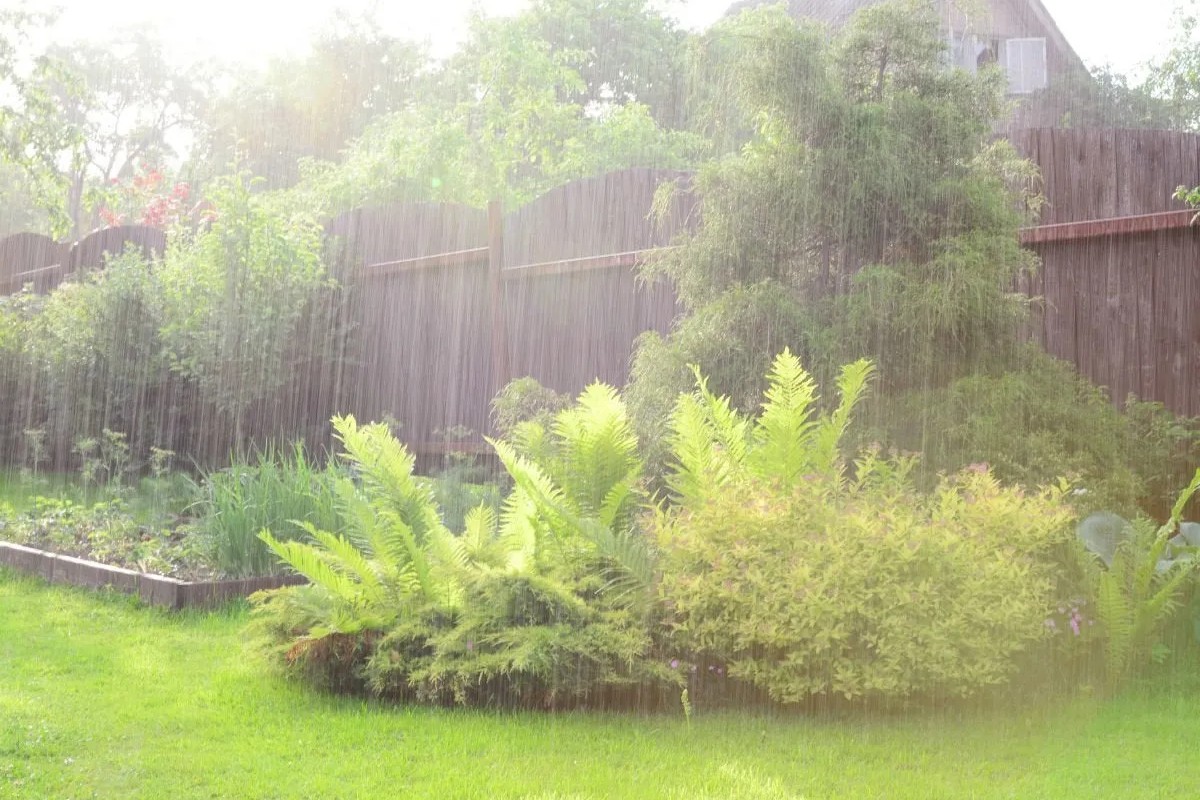
Rain, Rain, Don’t Wash My Yard Away
If you live in Portland, you know the rain doesn’t just bring puddles and cozy indoor days. It can wreak havoc on your yard, turning that beautiful green space into a soggy mess. But here’s the good news: with a few smart strategies, you can rainproof your yard and keep it looking sharp through the wettest months.
Think of your yard like a sponge—it can soak up only so much before it starts to spill over. In this blog, we’ll show you five ways to protect your lawn, plants, and outdoor spaces from the Pacific Northwest downpours.
1. Drain the Pain: Install Proper Drainage Systems
When water pools in your yard, it doesn’t just kill grass—it invites mud, mildew, and even foundation issues. That’s why a good drainage system is like a raincoat for your landscape.
French drains, dry creek beds, and strategic grading can all help water move where you want it to go. If you notice standing water after every storm, it might be time to call in the pros.
Pro Tip: Add gravel or river rock in problem areas to help water drain faster and reduce erosion.
Stat: According to the EPA, poor drainage is one of the top causes of urban runoff pollution.
Quote: "Good drainage isn’t just about avoiding puddles—it’s about protecting your entire home environment." — Dan Hines, Landscape Architect
2. Aerate Your Lawn Before the Storms Hit
Heavy rain can compact your soil, making it harder for grass roots to breathe and grow. Lawn aeration punches small holes in the soil to improve airflow and water absorption.
By aerating in late fall, you prep your lawn to absorb water more effectively instead of turning into a swamp.
Pro Tip: Rent an aerator or hire a landscaping company to do a core aeration just before peak rainy season.
Stat: Studies show aerated lawns can absorb 25% more water than compacted soil.
Quote: "Aeration is like giving your lawn a deep breath before it gets smothered by rain." — Julie Martens Forney, Gardening Expert
3. Mulch Like a Boss to Protect Plant Beds
Mulch isn’t just for summer. In fact, adding mulch before winter rains can keep your soil from washing away and protect plant roots from extreme moisture swings.
Organic mulch like bark chips or compost also improves soil health while keeping weeds in check.
Pro Tip: Lay mulch about 2-3 inches thick and keep it a few inches away from plant stems to prevent rot.
Stat: Mulching reduces soil erosion by up to 85% according to the USDA.
Quote: "Mulch is the unsung hero of garden beds during rainy months." — Melinda Myers, Horticulturist
4. Choose Rain-Loving, Native Plants
If you’re tired of replanting every spring, it might be time to go native. Portland-friendly plants like sword ferns, Oregon grape, and salal thrive in wet soil and cool temps.
These plants not only survive the rain—they love it, making your yard more self-sufficient and beautiful year-round.
Pro Tip: Group plants with similar water needs to make maintenance easier and prevent overwatering.
Stat: Native plants require 50-80% less irrigation and are more resistant to local pests and diseases.
Quote: "Going native isn’t just trendy—it’s practical and eco-friendly." — Doug Tallamy, Ecologist and Author
5. Clean Up Debris and Gutter Clutter
Leaves, twigs, and gunk can clog your gutters and drains faster than you can say "pine needle." Regular yard cleanup ensures that rainwater flows away from your home instead of flooding it.
Make a habit of clearing debris every few weeks, especially during peak storm months.
Pro Tip: Consider installing gutter guards to reduce how often you need to clean.
Stat: Clogged gutters are a leading cause of basement flooding and roof damage in rainy regions.
Quote: "Clean gutters are the first line of defense against water damage." — Mike Holmes, Home Improvement Expert
Conclusion: Let the Rain Fall, You’re Ready
Rain doesn’t have to mean ruin for your yard. With a little prep and the right know-how, your landscape can stay lush, safe, and low-maintenance all winter long. Remember, the earlier you act, the better your chances of preventing costly damage.
Need a hand with drainage, cleanup, or winter prep? Ground Team Landscape is locally owned, knows the Portland climate inside and out, and can get started fast. Let’s keep your yard gorgeous—no matter the weather.
FOLLOW US


CONTACT US
Copyright 2026. Ground Team. All Rights Reserved.
FOLLOW US
CONTACT US
Copyright 2026. Ground Team. All Rights Reserved.