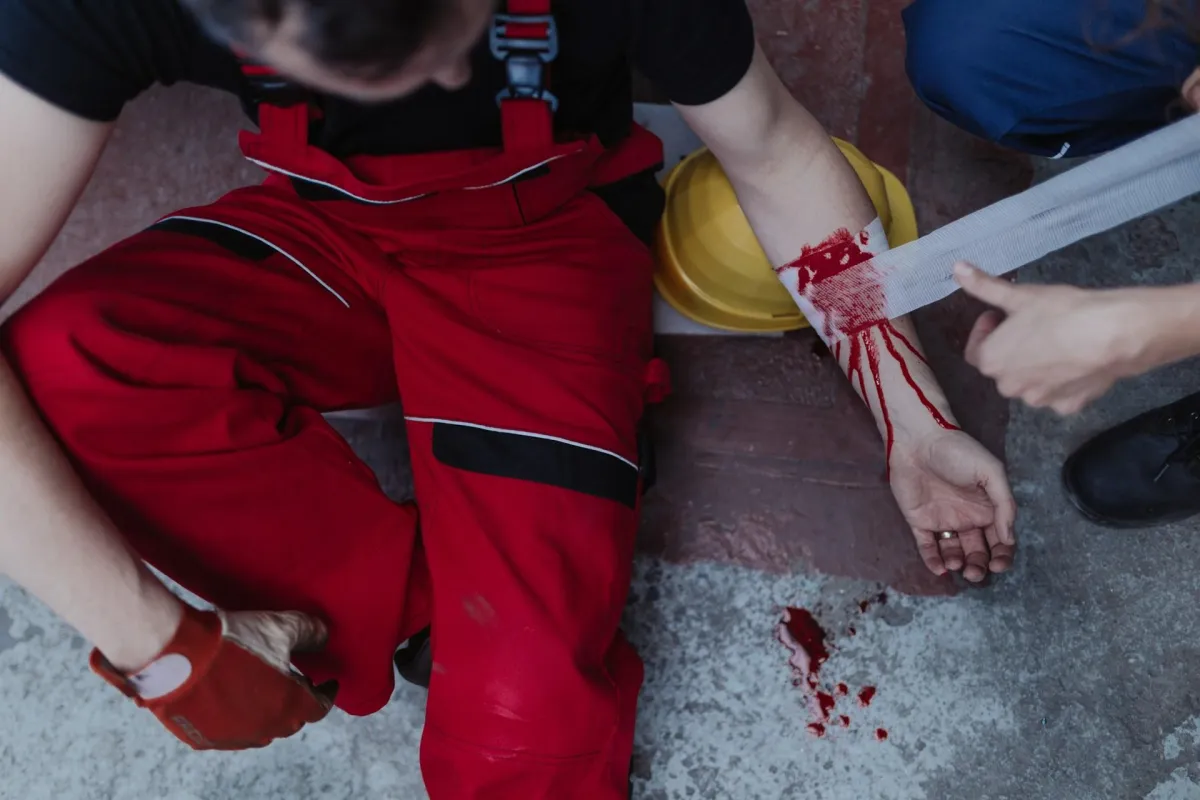
How to Stop Severe Bleeding with First Aid
In everyday life, accidents can happen suddenly and without warning. Whether you're in a kitchen preparing a meal or outside enjoying a hike, unexpected injuries, like severe bleeding, can occur at any moment. Knowing the basics of how to stop severe bleeding can make a tremendous difference, possibly keeping things calm during a stressful situation. Gaining an understanding of these vital steps can save valuable time and ensure safety until professional help arrives.
Let's consider a scenario: imagine you're at a family picnic, and a relative accidentally cuts themselves deeply while preparing food. There's panic, and everyone starts looking for help. This is a moment when knowing what to do for severe bleeding can be life-saving. Helping someone in need in such situations strengthens not only your confidence but also brings assurance and comfort to those around you.
Understanding Severe Bleeding
Severe bleeding, sometimes referred to as hemorrhaging, means blood loss that is rapid and significant. Different types of bleeding include arterial, venous, and capillary, each requiring specific approaches. Arterial bleeding comes from damaged arteries and can be recognized by bright red blood that spurts out in time with the heartbeat. Venous bleeding involves darker blood flowing steadily from a vein, and capillary bleeding involves surface cuts that trickle blood.
Several common causes lead to severe bleeding. These include deep cuts from sharp objects, accidents during activities like cycling or hiking, or even mishaps involving machinery in the workplace. Each of these scenarios can result in different bleeding styles, so recognizing and differentiating them is crucial when applying first aid.
Immediate Actions to Take
When faced with severe bleeding, your first priority is ensuring your own safety and the safety of those around you. Survey your surroundings and ensure there is no ongoing threat, such as broken glass or sharp edges. Ask yourself a few questions:
1. Is it safe to approach the person needing help?
2. Do I have any protective gear like gloves to shield myself from blood contact?
Once safety is assured, quickly assess the severity of the situation. If the bleeding is profuse and can't be easily controlled, don't hesitate to call for emergency services right away.
Meanwhile, shift your focus to managing the situation effectively:
- Composure: Stay calm to think clearly and act quickly.
- Position: If possible, lay the person down and raise the injury above heart level to reduce the flow of blood.
- Pressure: Apply firm pressure on the bleeding site using any clean material available, such as a cloth or bandage.
Remember, seeking professional medical help immediately is important even if you're successful in managing the bleeding initially. Trained medical personnel have the expertise to provide comprehensive care and prevent complications.
Direct Pressure Technique
If you're dealing with severe bleeding, one of the most effective methods is applying direct pressure. This means pressing firmly on the wound using a clean cloth or bandage to slow down bleeding. The key is to maintain steady pressure without lifting the cloth to check the wound, as this can disrupt clotting. You might need to use your hands for more pressure, but make sure they're protected with gloves if possible.
Sometimes, blood may soak through the initial dressing. In that case, don't remove the soaked material; instead, add another layer on top and keep pressing firmly. Keeping the wound elevated above the heart can also be helpful, as it naturally reduces blood flow to the area, aiding in stopping the bleeding.
Using a Tourniquet
Tourniquets should be a last resort, but they're essential when direct pressure does not control severe bleeding, especially from a limb. You would need to place the tourniquet a few inches above the wound, between the injury and the heart. Use a band or similar material, twisting it tight enough to stop the bleeding. Remember, a tourniquet should only be used if you're sure emergency services are on their way, as improper use can cause tissue damage or worsen the situation.
It's important to note that once a tourniquet is applied, it shouldn't be loosened until medical professionals take over. This approach ensures that any clots that have formed aren't disrupted, which could potentially lead to renewed bleeding.
After Care and Professional Help
Once the bleeding is controlled, focus on calming the injured person. Keeping them still is crucial, as movement can exacerbate bleeding. Monitor them closely for signs of shock, such as pale skin, sweating, or rapid breathing, and keep them warm with a blanket if available.
While first aid provides initial care, professional medical intervention is necessary to address any underlying injuries or complications. This could include administering medications, applying professional dressings, or even surgery in extreme cases. Never hesitate to reach out for help as trained medical staff can provide the best possible care.
Be Prepared with First Aid Training
Preparation is the best defense when it comes to emergencies. Understanding how to manage severe bleeding builds confidence and competence. Equip yourself with the skills and knowledge needed to effectively handle such situations. Training helps you react quickly, stay calm, and provide crucial assistance when every second counts.
By focusing on acquiring these skills, you not only enhance your preparedness but also become a resource for those around you. Whether it's at home, at work, or while out enjoying life, you’ll be better equipped to offer help and hope when needed.
Enhancing your readiness to handle emergencies can be invaluable. First aid training empowers you with the skills to confidently manage injuries like severe bleeding. At Life Rescue Training, we understand the importance of being prepared, and we offer classes that suit all experience levels. Dive into our first aid training options today, and equip yourself with knowledge that could save lives.
