Seed Oils in Australia: What They Are, Where They Hide + Should You Avoid Them?
You’ve started reading labels more closely. You reach for whole grains, try to pack balanced lunches, and genuinely want to feed your family well. But lately, a quiet question has been popping up in health conversations:
That “healthy” snack… is it full of seed oils?
This guide explains what seed oils are, why they’re in so many packaged foods in Australia, what the concerns are (and what’s still debated), and how to make practical choices without fear or perfection.
What are seed oils? (Examples: canola, sunflower, soybean)
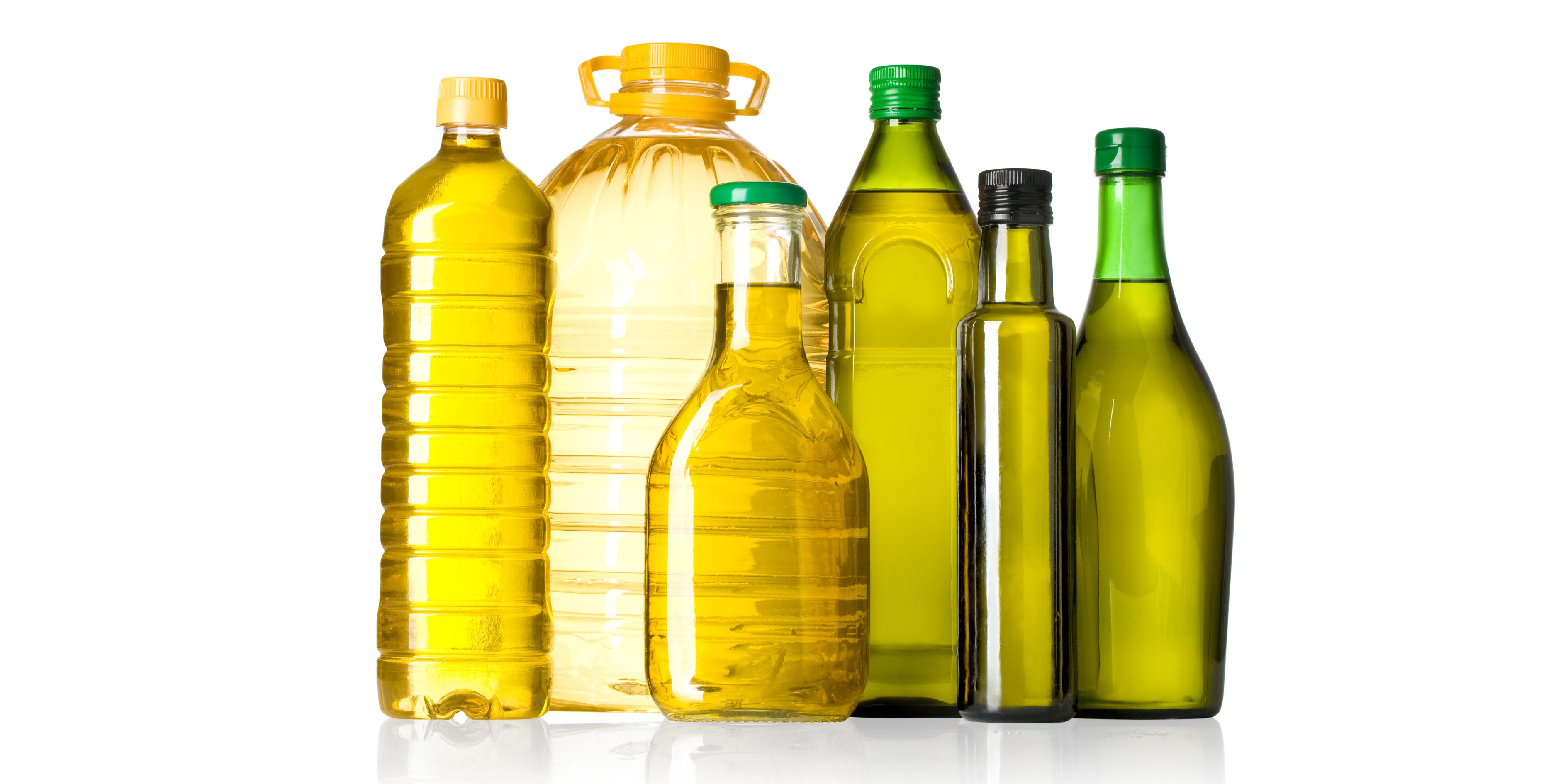
Seed oils are oils extracted from the seeds of plants. Common examples include:
Canola oil
Soybean oil
Sunflower oil
Safflower oil
Corn oil
Cottonseed oil
Grapeseed oil
They’re widely used because they’re affordable, shelf-stable, and have a neutral flavour that works well in packaged foods.
In Australia and New Zealand, seed oils commonly show up in everyday items like breakfast cereals, granola bars, crackers, sauces, plant-based milks, and kids’ snacks.
[H2] Why are seed oils used in packaged foods?
For decades, many seed oils were promoted as a heart-healthier alternative to saturated fats because they’re high in polyunsaturated fats.
Some nutrition guidance (including from major public health institutions) notes that replacing saturated fats with polyunsaturated fats can help lower LDL (“bad”) cholesterol in some contexts.
That’s why you’ll often see packaging claims like:
“Heart healthy”
“Cholesterol friendly”
“Made with vegetable oils”
The tricky part is that a product can carry a health-style claim while still being ultra-processed overall.
Are seed oils bad for you? (Omega-6, inflammation + what the research says)
Seed oils are a hot topic because the conversation often mixes together three different issues:
Fat type (omega-6 vs omega-3 balance)
Processing (refined oils made with high heat/solvents)
Food context (seed oils in ultra-processed foods vs whole-food meals)
1) Omega-6 vs omega-3 balance
Most seed oils are higher in omega-6 fatty acids.
Omega-6 fats are essential, but some researchers argue that modern diets can skew heavily toward omega-6 and away from omega-3, and that an extreme imbalance may contribute to inflammation-related issues over time.
2) Highly refined processing (bleached + deodorised)
Many seed oils used in packaged foods are refined to improve stability and shelf life.
In broad terms, refining can include steps like:
High-heat processing to extract and stabilise the oil
Filtering/neutralising to remove free fatty acids and impurities
Bleaching to lighten colour and remove pigments
Deodorising (often with heat/steam) to remove strong smells and flavours
These steps can make the oil look and taste more neutral (which manufacturers like), but they also change the oil from its original state.
Why this matters for end quality:
More processing generally means a more “standardised” product, but it can also mean fewer naturally occurring compounds that are present in less-refined oils.
Heat and processing can affect flavour and freshness, which is one reason some people prefer minimally processed fats (like extra virgin olive oil) for everyday cooking.
Important nuance: not all seed oils are processed the same way. Some are cold-pressed or less refined, but the oils most commonly used in ultra-processed packaged foods are typically refined for cost and shelf stability.
3) Seed oils in ultra-processed foods
For many families, the bigger lever isn’t “never eat seed oils.” It’s that seed oils are a marker for foods that are often:
Packaged
Highly processed
Easy to overeat
Low in fibre and protein
So the concern is often less about a single ingredient and more about the overall pattern.
Foods high in seed oils (Australia): where they hide on labels
Seed oils are rarely highlighted on the front of packaging. Instead, they show up in the ingredient list as:
“Vegetable oil”
Canola oil
Sunflower oil
Soybean oil
Grapeseed oil
You’ll commonly find them in:
Cereals and granola
Crackers and savoury snacks
Chips and baked snacks
Bottled dressings and mayonnaise
Sauces and marinades
Baked goods
“Plant-based” packaged foods
Quick note on “vegetable oil” and palm oil (transparency)
In Australia, “vegetable oil” can be used as a generic label term, which means the specific oil isn’t always obvious at a glance. In some products, that generic term may include palm oil.
Why people care: palm oil can be produced sustainably, but it’s also linked to deforestation and habitat loss when it’s not sourced responsibly. So if a label only says “vegetable oil,” it can be harder for shoppers to know whether a product contains palm oil (and whether it’s sustainably sourced) without digging further.
If palm oil transparency matters to you, look for:
The ingredient list naming “palm oil” specifically
Sustainability statements (e.g., certified sustainable sourcing) where provided
Should you avoid seed oils? Practical swaps for families
For most people, no.
This isn’t about fear or perfection. It’s about making choices that fit your family.
Many Australian health voices (including CSIRO-style guidance) emphasise that overall dietary patterns matter more than single ingredients. Eating mostly whole foods and reducing ultra-processed foods will naturally reduce reliance on refined oils.
If you want a simple approach:
Cook mostly at home when you can
Choose whole foods more often
Treat packaged snacks as “sometimes foods,” not daily staples
What to use instead (simple swaps)
Many families prefer to cook with:
Extra virgin olive oil
Avocado oil
Butter or ghee (in moderation)
And for packaged foods, look for options with:
Shorter ingredient lists
Higher protein/fibre
Less “vegetable oil” or multiple added oils
The takeaway for families
If you’re feeding kids or trying to build healthier habits, one simple step helps:
Read the ingredient list, not just the health claims.
Foods labelled “natural,” “plant-based,” or “better for you” can still contain heavily processed oils.
Healthy eating doesn’t have to be complicated. Sometimes it simply starts with paying closer attention.
FAQ: Seed oils in Australia
Are seed oils inflammatory?
It depends on the overall diet and balance of omega-6 to omega-3 fats. For most people, the bigger impact comes from how much ultra-processed food they’re eating overall.
What’s the difference between “vegetable oil” and seed oils?
On many labels, “vegetable oil” is a catch-all that often includes seed oils like canola, sunflower, or soybean.
What foods contain seed oils most often?
Crackers, chips, muesli bars, flavoured popcorn, baked snacks, and many “plant-based” packaged foods.
What’s the easiest way to avoid seed oils?
Cook more meals at home, choose whole foods more often, and check ingredient lists for “vegetable oil” or specific oils like canola/sunflower/soybean.
--
General information only, not medical advice. If you have specific health concerns, speak with a qualified health professional.
