Additives in Your Food That Are Banned Overseas
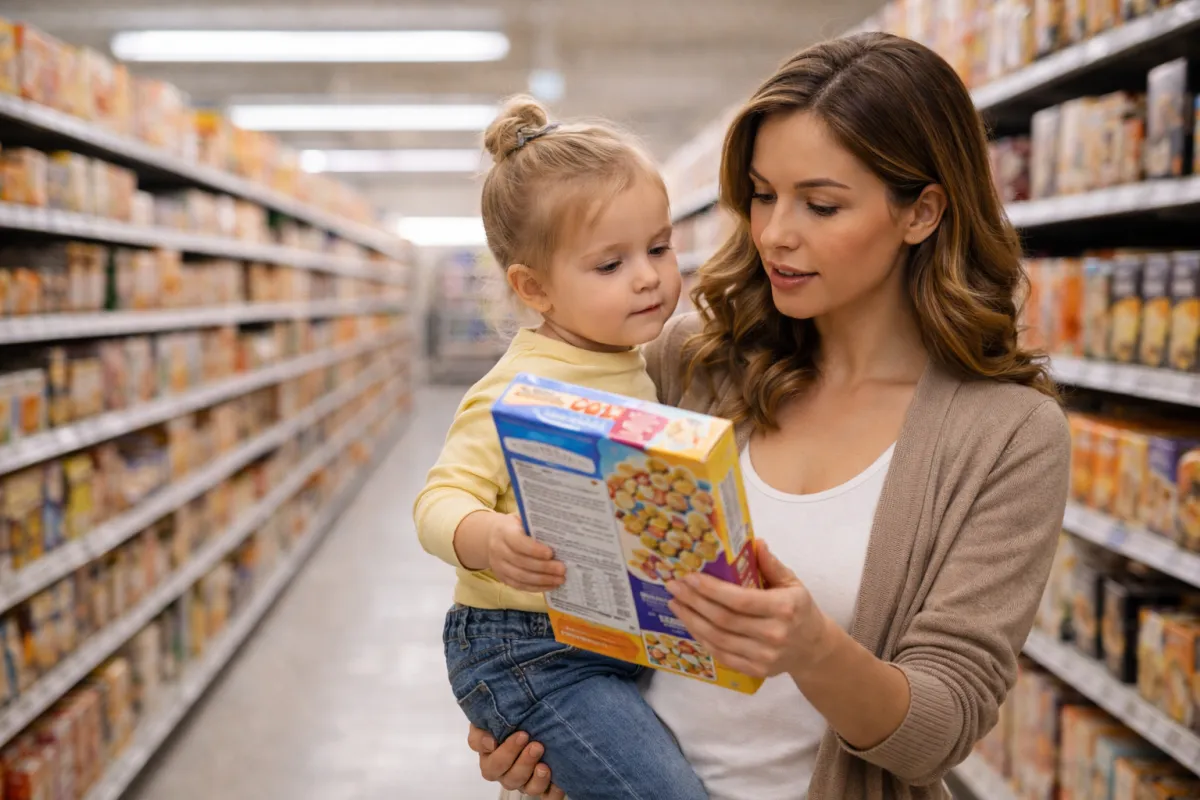
If you're a parent who reads food labels even just occasionally, you’re already doing more than most. And if you've ever thought, "Hey, what actually is that ingredient?" you're not alone.
Here's one of those "good to know" facts: some food additives allowed in Australia are restricted or even banned in other countries, particularly in the European Union. This doesn't mean Australian food is unsafe, but it does underline that different countries have different approaches to food regulation especially when kids are involved. Please, don’t be alarmed.

Why do rules differ between countries?
Food safety authorities around the world all review scientific research, but they don't always interpret risk the same way.
Australia and New Zealand (via FSANZ) generally allow additives if they're considered safe at specific intake levels. The EU, on the other hand, often applies a more precautionary approach, especially when evidence is not enough or when there is still an on-going study about a particular additive.
This is the reason why some additives you’ll often find in everyday foods here in Australia, like kids' cereals, lollies, soft drinks, and flavoured yoghurts, are treated more cautiously overseas.

Additives commonly discussed
Here are a few examples often cited in research and regulatory discussions (rules vary by country and product type) and here are also some of the additives that you can watch out for while doing grocery shopping:
Titanium dioxide (171) is used to make foods look brighter or whiter. This is primarily
allowed in Australia but banned as a food additive in the EU after the European Food Safety Authority concluded it could no longer be considered safe due to concerns around genotoxicity (DNA damage). This is according to EFSA (European Food Safety Authority).Artificial colours such as Tartrazine (102), Sunset Yellow (110), and Allura Red (129)
Are also allowed in Australia. In the EU however, as stated by the UK Food Standards Agency. foods containing certain colours must carry a warning that they may have an effect on the activity and attention in children.BHA (320) and BHT (321) are preservatives used to prevent fats from going rancid.
These are allowed in Australia but are restricted or banned in some countries or product categories, depending on use.Sulphites is used as preservatives in some foods and drinks. It is said to trigger asthma-type symptoms in a small percentage of people, particularly children with asthma.
What does the research actually say?
The science around additives is mixed but still, some things are fairly consistent:
Some studies link certain colour + preservative combinations with hyperactivity-type behaviours in some children
Many parents report noticing changes in mood, sleep, or behaviour after specific foods
Sensitive kids may react more strongly, even at low doses
If reading that makes you think, "I'd rather avoid this where I can," that's a completely reasonable response.
A simpler way to approach it
You don’t need to memorise additive numbers or overhaul your pantry overnight. A few gentle shifts can make a real difference:
Be a little pickier with kids' foods, bright colours + long ingredient lists are worth a closer look
Swap just one item at a time (a coloured cereal, lolly, or drink)
Use Goodnessly like your personal additive radar! Scan a barcode, see alerts and scores, and quickly spot simpler alternatives
Small changes add up. You don’t have to do this perfectly to support your kids' health… just thoughtfully.
