Professional Karate Institute Mixed Martial Arts
The Gentle Powerful Way of Life
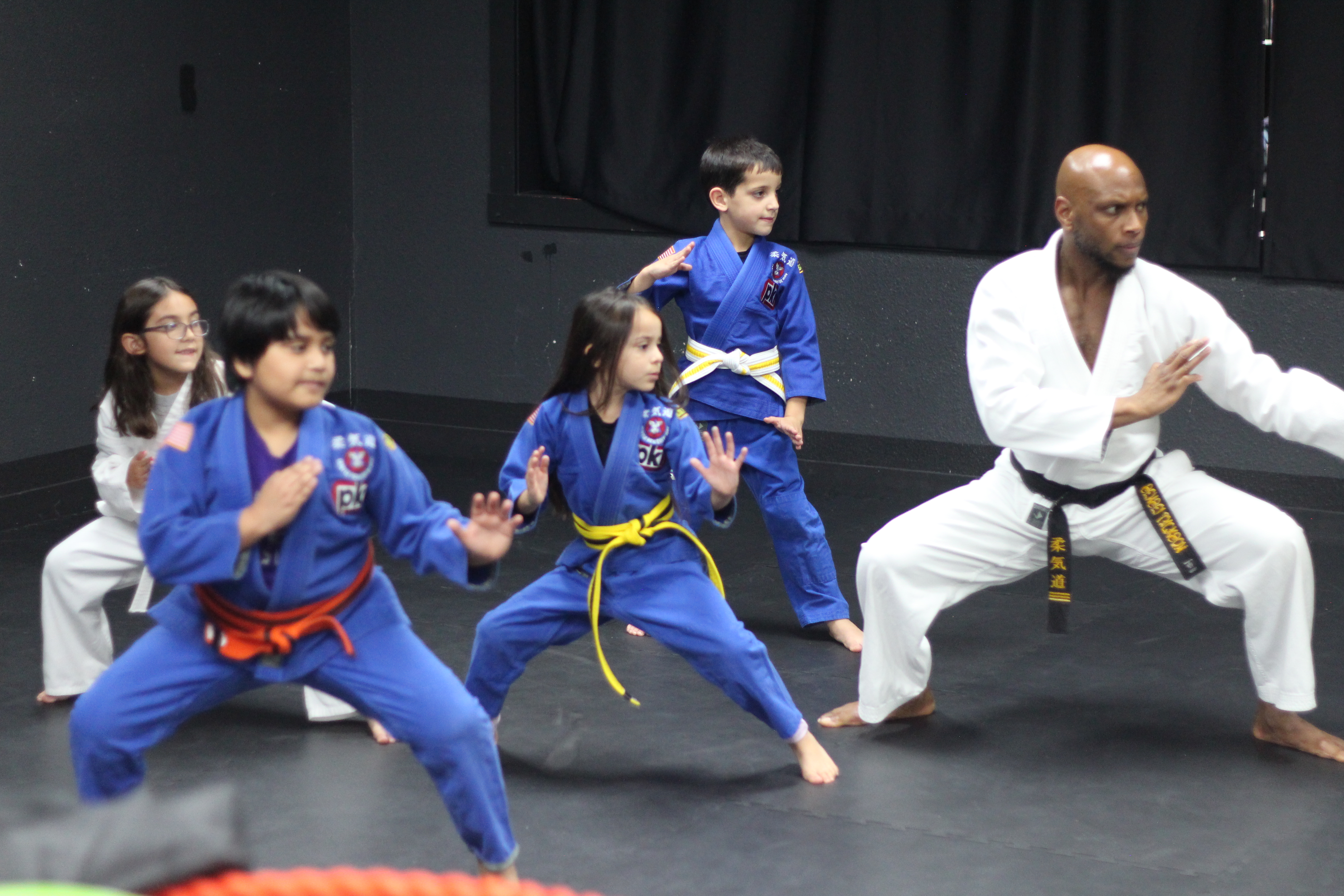
Ju Ki Do, when translated to English, literally means “The Gentle Powerful Way.” The style, inspired by 14 traditional martial art disciplines was founded by Kyoshi Ivan Ujueta in 1988. The primary philosophy of Ju Ki Do is to disable a man from doing wrong and enable him to do right. Our current society is rapidly losing the concept of value for human life. This is evident by the ever increasing atrocities committed against one another on a daily basis.
The mindset of vengeance and self-justification runs rampant through our communities. Ju Ki Do opposes this mindset by teaching students an art more difficult to master than destruction; the art of healing.
About Us
Ju Ki Do
Ju Ki Do, when translated to English, literally means “The Gentle Powerful Way.” The style, inspired by 14 traditional martial art disciplines was founded by Kyoshi Ivan Ujueta in 1988.
The primary philosophy of Ju Ki Do is to disable a man from doing wrong and enable him to do right. Our current society is rapidly losing the concept of value for human life. This is evident by the ever increasing atrocities committed against one another on a daily basis. The mindset of vengeance and self-justification runs rampant through our communities. Ju Ki Do opposes this mindset by teaching students an art more difficult to master than destruction; the art of healing.
Learn the art of disabling man from doing wrong and enabling him to do right.
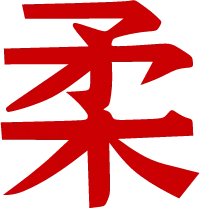
The term Ju conveys a concept of being gentle or yielding. It is the idea of not meeting force with force, but rather embracing and redirecting.
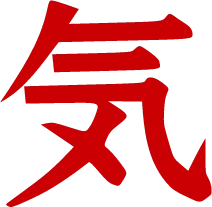
The term Ki is representative of power. More specifically the life energy or internal power.
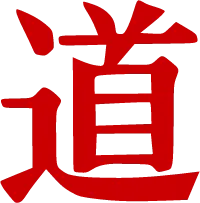
The term Do is a path or a way. In other words a mindset or perspective to abide by.



Shotokan Karate Do: https://ska.org/lineage/
Shotokan karate is a Japanese martial art established by Gichin Funakoshi, the “father of modern-day karate”. Sensei Funakoshi who had been taught karate in Okinawa early in his life, modified the art with influences from other traditional Japanese martial arts such as Kendo and integrated their philosophical aspects into his training.
Tang Soo Do: https://www.tang-soo-do.org.uk/history.html
Tang Soo Do is a Korean martial arts influenced by the traditional Korean martial art of Taekkyon, Chinese martial arts systems, and the Okinawa discipline of Karate. The art has its origins during the Three Kingdoms era of Korea, but was established as a style in 1945 by Grandmaster Hwang Kee. The style was brought to the U.S. by Grandmaster Cheezic, who served in the Airforce in Korea and brought back his knowledge of the style after training there.
Kyokushin Karate
Kyokushin karate is famous for being a “harder” style of karate which allow full contact sparring with little protective gear used. The style was created in Japan by Masutatsu Oyama who disagreed with the ideal that traditional karate should be non-contact. Kyokushin was brought to the U.S. in 1957 in Hawaii.
Wing Chun
Wing Chun is a system of martial arts developed in Southern China in the 18thcentury. The originator of the style was Buddhist nun Ng Mui, who was the master of Shaolin Kung Fu and built upon this style. The name Wing Chun itself comes from Ng Mui’s first student; a woman named Yim Wing Chun. The style was passed down from Wing Chun eventually to Yip Man who brought the style out of China to the world.
Tai Chi Chuan: http://www.taichisociety.net/tai-chi-history.html
Tai Chi Chuan is one of the three major branches of the traditional Chinese martial arts and is based on the Taoist philosophy that stresses the natural balance in all things and the need for living in spiritual and physical accord with the patterns of nature. The origins of the art itself are unknown, but the first known Tai Chi school was located in the Chen Village, which gave birth to several styles of the art. Tai Chi itself spread globally during the communist revolutions in China, which targeted teachers and fighters of the art and caused them to flee China.
5 Animal Form Kung Fu: https://www.goldenlion.com.au/kung-fu/history-kung-fu/
Five animal form Kung Fu, also known as Shaolin Kung Fu, is a Chinese martial art has origins that dates back to around 525 A.D. when an Indian monk known as Bodhidharma brought martial arts to China. The five animal forms are dragon, tiger, crane, leopard, snake which represent a particular aspect of Shaolin Martial Arts.
ZuJitsu: https://www.zujitsu.net/
ZuJitsu was founded by Grandmaster Chaka Zulu in 1984. The style is based on Grandmaster Chaka Zulu’s unique training methods such as “Space Fighting” and “Fighting Rhythms”. He believes that each student is unique and thus needs to be taught based on their own abilities and limitations.
Judo: https://kdkjudo.org/
Judo is a martial art form derived from Jujutsu. The style was formed at the Kodokan Judo Institute in Tokyo, Japan in 1982 by Professor Jigoro Kano, who mastered several styles of Jiujutsu in his youth. The word Judo means “the gentle way” and is a style that seeks to use an opponent’s energy against him.
Jujutsu does not have one definite source from which it originated, but finds its fame from feudal Japan, as it is often thought as the martial art used by samurai who had lost their weapons. The actual term Jujutsu was first used in 1532 when Hisamori Tenenuchi officially established the first school of Jujutsu in Japan. After the end of feudal Japan and the samurai, the battle application of Jujutsu became obsolete, and a more practical application was needed.
Aikido is another martial art derived from Jujutsu. The style was formed in Japan by Morihei Ueshiba. Aikido, which means “the way of unifying life energy” or “the way of harmonious spirit”, has a greater focus on personal and spiritual development and isn’t meant to be seen as a sport, but rather a way to master one’s self to create harmony.
Goju Ryu: https://iogkf.com/goju-ryu-history/
Goju Ryu is a form of karate that traces its origins back to Okinawa, Japan. Founded by Grandmaster Chojun Miyagi, he was trained in Naha-Te (one of two forms of karate in Okinawa) under Grandmaster Kanyro Higaonna, who trained in China. The name of Goju Ryu was later coined by one of Chojun Miyagi’s students, who stated that the style that he was taught was “Ho Goju Donto” or ‘the way of inhaling and exhaling is hardness and softness.”
Hapkido
Hapkido is a Korean martial art founded by Choi Yong Sool, who during the Japanese occupation, worked for the patriarch of Daito Ryu Aikijitsu (a Japanese martial art). When Choi returned to Korea, he quickly received his first student, a brewery manager who was a 1stDan blackbelt in Judo. This student helped him establish a school to teach Dae Dong Ryu Yu Sool. Choi’s knowledge of this style along with the influence of Judo from his first student helped create the style of Hapkido. Hapkido was introduced to the U.S. in 1964 by Sea Oh Choi.
American Kenpo: https://olympickempo.com/about-ikf/kempo-history/
American Kenpo was founded by Ed Parker in 1954. In an article in the Los Angelas Examiner, Ed Parker stated that the style “combines Judo, Jiu Jitsu, boxing, some wrestling and much of the rough and tumble of street fighting.”
Brazilian Jiujitsu: https://jiujitsulegacy.com/bjj-lifestyle/history-brazilian-jiu-jitsu/
During the period in which the war application of Jujutsu had come to an end, and a new practical style was being sought after, Brazilian Jiujitsu was created. Japanese Jujutsu/Judo was introduced to the Gracie family in Brazil in 1914 by Esai Maeda (AKA Conde Koma). The style was further developed by Carlos Gracie, who modified the techniques to emphasize the use of leverage and timing over strength and speed.
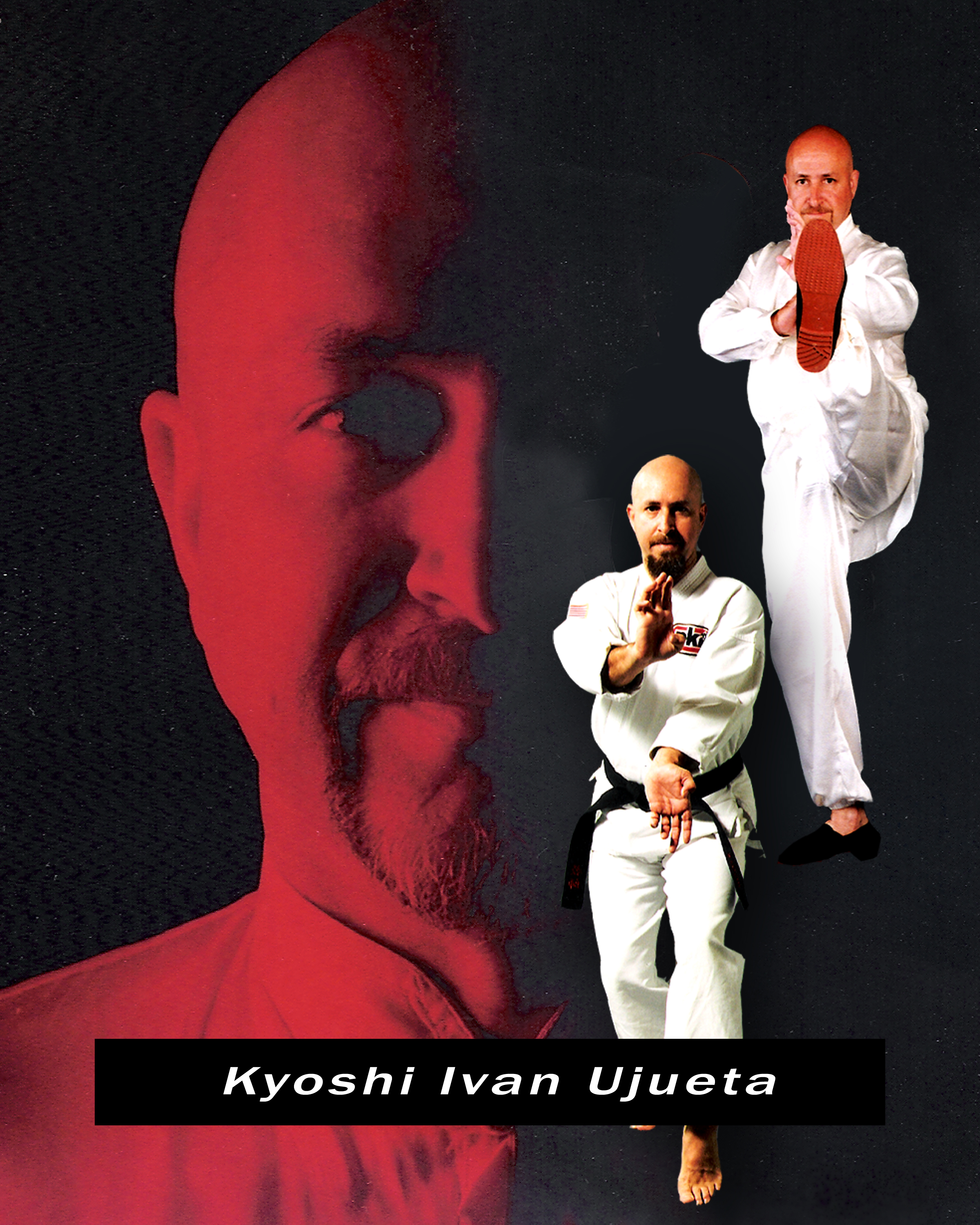
Kyoshi Ivan Ujueta
Ivan Ujueta is the Kyoshi of the Professional Karate Institute, PKI, and the founder of the style of Ju Ki Do mixed martial arts. His study in the martial arts spans over 50 years. His training began at age 13, at the Japanese Kodokan Dojo in Queens, New York, encompassing the styles of Judo, Jujutsu, and Aikido. At age 14, in Manhattan, NY, he studied Nisei Goju Karate, a formidable system of five styles, founded by Grandmaster Frank Ruiz, under Grandmaster Chaka Zulu. At the age of 17, he moved to California where he studied Shaolin Kung Fu (the study of 18 ancient weapons).
Our Customers Say About Us

This review is long overdue. We came by chance of faith about a month ago and my child is LOVING IT the instructors are AMAZING and incredibly accommodating. My child is a lot more comfortable, confident and loud. Definitely recommend
:)
Mr. Jackson is dedicated to teaching the kids so much more than karate. His approach instills confidence, discipline, and excellence. I have seen him take the most unruly child and help them become focused and respectful. His passion for martial arts fills every aspect of his approach to helping kids to become the absolute best version of themselves.
© Copyright 2026. The Professional Karate Institute MMA. All rights reserved.
Facebook
Instagram
Youtube
TikTok