FITNESS & WEIGHT LOSS BLOG
FITNESS & WEIGHT LOSS BLOG IN PACIFICA
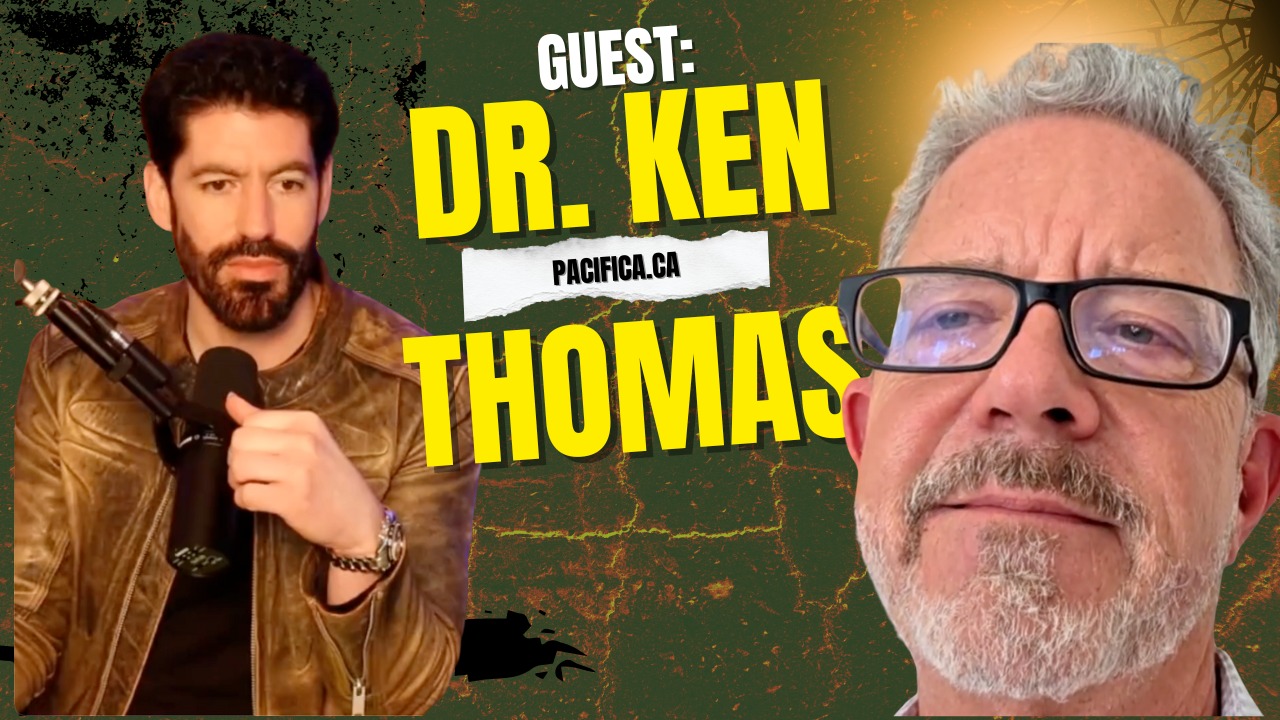
📽️ My Podcast with Dr. Ken Thomas DC on the Core Principles of Fitness, Longevity, and Integrated Health
📽️ My Podcast with Dr. Ken Thomas DC on the Core Principles of Fitness, Longevity, and Integrated Health
What if the secret to aging strong, thinking clearly, and feeling truly alive came down to a few powerful—but often ignored—signals in your body?
From the strength of your grip to the sharpness of your mind, experts like Dr. Ken Thomas, DC, reveal that longevity isn’t built on trends or supplements—it’s built on movement, strength, and understanding how your body actually works.
In this blog, we break down the surprising indicators of long-term health, how exercise protects your brain, why modern life is making us weaker, and the simple blueprint for building a body—and mind—that stays resilient for decades.
1. Grip Strength: A Fundamental Marker of Health and Longevity
Grip strength is presented not as an isolated metric but as a powerful proxy for overall vitality and a predictor of future functional independence.
Correlation with Overall Health
Full-Body Fitness Indicator: Grip strength is now being correlated to overall fitness and health, serving as a marker for an individual's future functional capacity.
Link to Longevity: It is described as one of the "fundamental markers of longevity."
Diagnostic Value: An imbalance between the dominant and non-dominant hand (the dominant side should be about 10 lbs. stronger) can indicate underlying health issues such as arthritis, nerve problems originating from the neck, or the effects of a stroke.
Connection to Other Systems: A correlation is noted between depressed Heart Rate Variability (HRV) and decreased grip strength, suggesting a link between nervous system fatigue and physical strength. It is also observed that individuals with shoulder issues often have weaker grip strength on the affected side.
Assessment and Standards
Measurement Tools: A dynamometer can provide a baseline measurement in pounds. A pinch grip test can also be used, which is often monitored for conditions like carpal tunnel syndrome.
Practical Performance Tests:
Bar Hang: The ability to hang from a bar with feet off the ground. The general standard is 60 seconds for women and 90 seconds for men.
Farmer's Carry Hold: The ability to hold two dumbbells that equal one's total body weight.
Causes of Decline and Training Strategies
Modern Lifestyle Impact: The current generation is believed to be the first with a weaker grip than the previous one, attributed to a lifestyle of convenience where people are less likely to use tools, garden, or perform manual labor. Excessive computer use is also a significant factor, leading to weakness and soreness in the hands and forearms.
Grip as a "Strength Signal": A strong grip creates a "chain event of stiffness," a concept referred to by Dr. Stuart McGill as "super stiffness." This muscular recruitment travels up the kinetic chain, allowing for greater overall strength expression in movements like push-ups and chin-ups.
Recommended Training Methods:
Farmer's Walks: Carrying heavy weights for distance, including asymmetrical walks (one weight heavier than the other) to challenge core stability.
Bar Hangs: Performed statically, even between sets of other exercises.
Upside-Down Kettlebell Carries: This variation adds a significant stability challenge.
Chin-Up Holds: Supporting one's body weight using various grip positions.
2. Combating Dementia and Enhancing Brain Function Through Exercise
The conversation emphasizes the profound impact of physical activity on brain health, framing it as a primary tool for neuroprotection and cognitive enhancement.
The Role of Physical Activity in Neuroprotection
Primary Dementia Prevention: Citing a Harvard expert, the transcript states that exercise is the "quickest easiest way to influence or prevent dementia."
Physiological Mechanism: Exercise increases blood flow to the brain and opens up capillaries, which is a key mechanism for preventing cognitive decline.
Importance of Complexity: The benefit is amplified when exercise involves complex movements and hand-eye coordination, going beyond simple repetitive motions like walking straight ahead. A shuffling gait in older adults is identified as a predictor of increased mortality, primarily due to fall risk.
Speculative Causes for Early-Onset Dementia
While not definitive, several factors of modern life are proposed as potential contributors to dementia appearing at younger ages:
Contaminants in the food supply.
Widespread lack of exercise.
The unknown interactive effects of taking multiple medications.
The impact of the digital world, which rewires the brain and may lead to less use of imagination and critical thinking.
Excessive sugar consumption, leading to a condition known as "Type 3 diabetes," where high sugar levels in the brain damage neurons.
Cognitive Benefits of an Active Lifestyle
Enhanced Learning: Exercise makes learning "stickier." The release of neurotransmitters and increased blood flow during physical activity significantly improves the brain's ability to memorize and retain new information. An anecdote was shared where learning Russian vocabulary that normally took 30 minutes was accomplished in 2-3 minutes during a workout.
Mental "Hard Drive" Analogy: Physical activity can feel like it opens up space on a full mental "hard drive," making the brain more receptive to new information and clearing mental fog.
3. The Psychology of Fitness and Overcoming Modern Sedentary Life
A significant portion of the discussion is dedicated to the psychological benefits of exercise and the mental barriers that prevent people from starting.
The Paradox of Modern Fatigue
Stagnation vs. Exhaustion: Many people in sedentary jobs feel tired not from overexertion but from stagnation—a lack of movement and poor circulation of oxygenated blood. The core idea is that individuals are often tired because they don't work out.
The Stagnant Water Analogy: The human body is compared to water. Moving water (a stream) is healthy, while stagnant water breeds bacteria and disease. This metaphor was linked to the successful effort to eradicate yellow fever during the construction of the Panama Canal by eliminating stagnant water where mosquitoes bred. "Motion is lotion" for the human body.
Exercise as an Emotional and Mental Catalyst
Antidepressant Effect: Exercise is described as a powerful, natural antidepressant due to the release of endorphins and other "feel-good chemicals."
Primal Expression and Emotional Release: Strenuous exercise provides a vital outlet for repressed emotions like aggression and frustration. Activities like slamming a medicine ball or hitting a punching bag allow for a "primal expression" that is often discouraged in modern society.
Mind-Body Connection: High-intensity exercise forces an individual "out of their head and into their body," providing a mental break from persistent worries and anxieties.
Building Self-Esteem and Confidence: Achieving physical goals, such as lifting a heavier weight, fosters a powerful sense of accomplishment. For women in particular, the feeling of becoming physically stronger is noted as a major source of increased confidence and self-esteem that creates a "butterfly effect" in other areas of life.
The Philosophy of Challenge: The quote "Hard choices, easy life. Easy choices, hard life" is used to frame the discipline of exercise as a choice that makes the rest of life more manageable and fulfilling.
Overcoming Barriers to Entry
Common Fears: Especially among women, the primary barriers to starting weight training are intimidation by the gym environment, fear of being judged, and not knowing what to do.
The Mental Component: It is estimated that at the start, fitness is "80% mental, 20% mechanics." Overcoming the initial fear and intimidation is the most critical step.
The Power of Coaching: A good coach or gym addresses these fears by "first seek[ing] to understand, then to be understood." This involves a thorough intake process to create a program tailored to the individual's unique goals, limitations, and current competence level, thereby building confidence with each session.
The Joseph Campbell Quote: "The cave you fear to enter holds the treasure you seek" is used to encourage people to face their fear of the gym environment to unlock the benefits within.
4. A Blueprint for a Balanced and Effective Fitness Regimen
The experts advocate for a holistic and educated approach to physical training, emphasizing balance and a deeper understanding of how the body responds to exercise.
The "Holy Trinity" of Fitness
A truly effective fitness program must balance three core components:
Strength: Resistance training to build and maintain muscle mass.
Cardio (Energy Systems): To ensure heart health and metabolic efficiency.
Durability: An encompassing term for flexibility, mobility, balance, and control.
Specializing in only one area leads to an imbalanced and ultimately less healthy physique (e.g., strong individuals with poor cardiovascular health).
The Critical Importance of Strength Training
Metabolic Engine: Lifting weights can elevate a person's metabolic rate for nearly 24 hours, whereas an hour of cardio may only provide an 8-9 hour boost.
Countering the Cardio-Only Pitfall: Women who focus exclusively on cardio often lose significant muscle mass along with fat. This "destroys their metabolism" and leads to a "vicious cycle" of yo-yo weight gain, as they have less muscle to burn calories at rest.
Bone Density: Weight-bearing exercise is essential to combat osteoporosis (thinning of the bones). This was proven by early cosmonauts who returned from extended space missions with osteoporosis due to the lack of gravitational resistance.
Blood Sugar Regulation: Muscle acts as a "sugar sink," pulling glucose from the bloodstream without needing insulin. This is a powerful protective mechanism against Type 2 diabetes.
Principles of "Weight Literacy" and Body Composition
Beyond the Scale: The conversation stresses the importance of understanding what kind of weight is being lost or gained. Losing 10 pounds of muscle is a "huge disservice" to one's health.
Asset vs. Liability: A simple and powerful framework is presented: muscle is an asset, and fat is a liability. The goal of a health program should be to increase assets and decrease liabilities.
The Role of Measurement: Advanced tools like InBody or DEXA scans are invaluable. They provide scientific data on visceral fat (the dangerous fat around organs), overall body fat percentage, and lean muscle mass, allowing for precise tracking and program adjustment.
5. Advanced Physiological Concepts for Optimal Health
The discussion touches on several key physiological processes that can be optimized through targeted exercise and nutrition.
Cardiovascular Adaptations and Heart Health
Two Types of Heart Conditioning: The heart adapts differently to various types of cardio:
High-Intensity (HIT): Makes the heart muscle stronger and more powerful, improving its "stroke volume" (the amount of blood pumped per beat).
Endurance (Zone 2): Expands the heart's chambers, likened to a balloon, allowing more blood to flow through (a "bigger gas tank").
A balanced program incorporates both to develop a comprehensively healthy heart.
Heart Rate Variability (HRV): This metric measures the heart's ability to recover and adapt to stress. Monitoring HRV allows for training to be adjusted daily based on the body's state of recovery, preventing overtraining, fatigue, and injury. This creates a strategic interplay between applying stress (fitness) and allowing for recovery (fatigue).
Sarcopenia, Osteoporosis, and the Role of Protein
Sarcopenia Awareness: Sarcopenia, the age-related loss of muscle, is presented as a critical health issue that should be as widely known as osteoporosis. It is exceptionally difficult to regain lost muscle mass at an older age, making preservation through strength training and proper nutrition paramount.
Protein as a Foundation: Adequate protein intake is essential to combat sarcopenia. A simple guideline is to consume at least half of one's body weight in grams of protein daily, spread across multiple meals to optimize absorption.
Concerns with GLP-1 Drugs (e.g., Ozempic): There is concern that these weight-loss drugs, by severely suppressing appetite, can lead to rapid muscle loss and sarcopenia. This highlights the importance of focusing on fundamentals (exercise, sleep, nutrition) rather than relying solely on pharmaceutical interventions.
The Application of Biometrics
Data-Driven Health: Tools like the Apple Watch, Oura Ring, and body composition scanners provide valuable biometric data on sleep, heart rate, oxygenation, and calories burned.
Informed Decision Making: While not necessary for life, using these tools for a period can help individuals establish a baseline and gain a deeper understanding of how their lifestyle choices impact their physiology, allowing them to better manage their energy, recovery, and overall health.
Ready to Build Strength, Energy & Longevity for Real?
If you’re ready to stop guessing…
stop feeling intimidated…
and finally build the strength, confidence, and energy your body was designed for—
👉 Visit Terra Nova Fitness today:
www.terranovafitness.com
Whether you're starting from zero
or optimizing your performance,
Terra Nova Fitness’s personalized approach meets you where you are—
and takes you where you want to go.
Your strongest years can still be ahead of you.
Start now.

START YOUR TRANSFORMATION aT TNF
Ready To Jumpstart Your Journey Today?
Click The Button Below To Learn More!


© 2026 Terra Nova Fitness
|
|
© 2026 Terra Nova Fitness