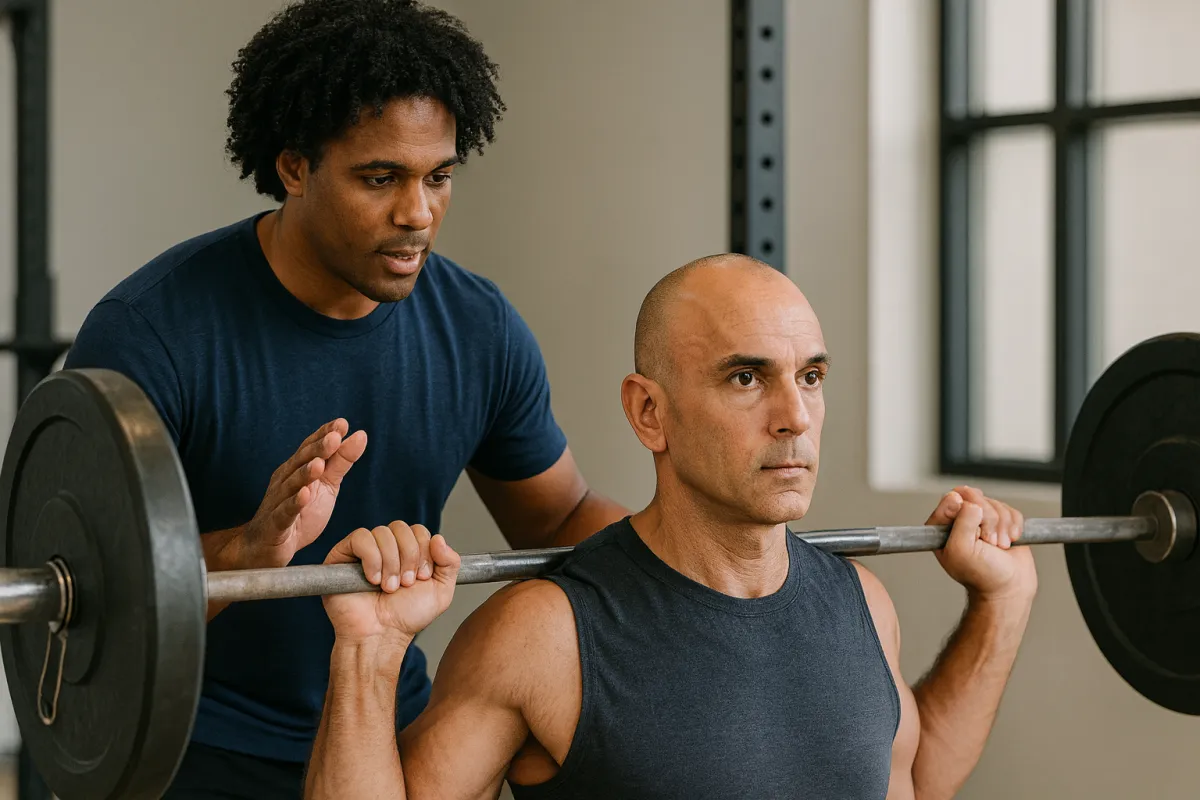
Characteristics of a Professional Strength Coach
Strength coaching is more than just lifting weights and tracking numbers — it’s a science, an art, and an ongoing commitment to helping athletes and clients reach their full potential. Whether you’re working with weekend warriors, elite athletes, seniors, or beginners just starting fitness, a professional strength coach brings more than motivation — they bring expertise, structure, safety, and results.
In this guide, we’ll explore the core characteristics of a professional strength coach, how these traits translate into real-world performance and longevity, and how they differ from unprofessional or inexperienced trainers. If you’re choosing a coach, or aspiring to become one, understanding these traits will help you make smarter decisions and build stronger outcomes.
Deep Knowledge of Strength & Conditioning Principles
A professional strength coach understands:
Anatomy & biomechanics: How muscles work, how joints move, optimal load bearing.
Training science: Progressions, variations, periodization, recovery tactics.
Nutrition fundamentals: How diet supports strength and body composition goals.
Strength coaches must not rely on guesswork — they use evidence-based methods that reduce injury risk and amplify performance.
👉 Want personalized coaching that integrates science with your goals? Check out our Running Coach Services
Certified & Continuing Education Focused
True professionals don’t stop learning. They:
Hold recognized certifications (NSCA, CSCS, NASM, ACE, etc.)
Attend workshops, seminars, and courses regularly.
Stay current with research and trends.
This dedication separates a hobbyist trainer from an expert capable of developing long-term athletes.
Practical Example — Progressive Overload Done Right
A professional coach doesn’t just increase weights weekly. They consider:
Recovery status
Workout history
Biomechanical limitations
Lifestyle factors (sleep, stress, nutrition)
They implement structured progressions — not shock tactics.
Individualized Programming & Assessment Skills
Programs are NOT one-size-fits-all. A pro coach:
Conducts detailed assessments
Adjusts training based on client feedback
Tailors workouts around injuries or mobility limitations
📌 This is essential whether your goal is strength, hypertrophy, performance, or fat loss — as we explain in our article on What Services Can You Expect from a Personal Trainer
Excellent Communication & Motivation
A great coach doesn’t just “dictate exercise.” They:
Explain why each exercise matters
Give clear feedback
Listen actively
Adjust tone based on the client’s personality
This builds trust and keeps clients engaged long-term.
Prioritizes Safety & Injury Prevention
One of the biggest differences between professional strength coaches and amateurs is safety awareness. A pro coach:
Teaches proper technique first
Uses corrective exercise to fix imbalances
Monitors fatigue and soreness to avoid overtraining
Safety enhances performance — and keeps clients consistent.
Example — Monitoring Load & Stress
Instead of adding more weight blindly, coaches assess:
Movement quality
Heart rate trends
Recovery markers
Sleep & readiness
This is critical for anyone, whether training at home or at a gym.
💡 If you want in-home expertise, learn about our In-Home Personal Trainer Services
FAQ Section
Q1: What qualifications should a professional strength coach have?
Professional certifications like NSCA-CSCS, NASM, ACE, and ongoing education are essential.
Q2: Is a personal trainer the same as a strength coach?
Not always. Strength coaches typically have more advanced knowledge of performance programming and biomechanics.
Q3: How does a strength coach help with injury prevention?
Through technique assessment, corrective exercise, movement screening, and personalized load management.
Q4: Can a strength coach help with weight loss goals?
Yes — they integrate nutrition guidance with structured exercise to optimize fat loss safely.
Q5: Should I expect long-term planning from a professional coach?
Absolutely — long-term periodized planning helps ensure sustainable progress.
Q6: How often should I meet my strength coach?
This depends on goals, but regular sessions (weekly or bi-weekly) with check-ins yield the best results.
Q7: Can strength coaching be done at home?
Yes — and it’s highly effective. Explore our In-Home Personal Trainer