In-Home Personal Trainer Near Me — San Francisco| CoachJunior
Searching for an in home personal trainer near me can feel like opening a door to a better, faster version of your life. No more traffic, locker rooms, or guessing whether a class will actually move you toward your goals. Instead, imagine a focused coach arriving at your living room, rooftop, or local park with a plan tailored to your body, schedule, and quirks — that’s exactly what in-home personal training delivers. If you live in San Francisco, services like those offered by Coach Junior bring local knowledge, efficient programming, and the adaptability of a trainer who knows how to make small spaces mighty.
Let’s unpack why in-home training is booming, what a session looks like, what Coach Junior offers, and how to find the best in-home personal trainer near me for your life.
Why Choose an In-Home Personal Trainer?
Think of in-home training like having a microwave for fitness: quick, reliable, and always ready when you are. Your workout time becomes the tiniest, most dependable part of your day. For busy San Franciscans juggling commutes, kids, or unpredictable calendars, the convenience factor alone converts skeptics into loyal clients. No more “I’ll go after work” — you train when it fits your life.
Personalized coaching vs. generic classes
Gyms and group classes can be like buffet lines — plenty of options but no guarantee something suits your taste. An in home personal trainer offers bespoke programming: the exact exercises, progressions, and recovery strategies designed for your body. That’s why outcomes are faster and safer. Want to keep your knee healthy? Done. Need a plan that fits a tiny Noe Valley flat? Done. Personalization turns effort into results.
Who Is Coach Junior and Why San Francisco Trusts Him
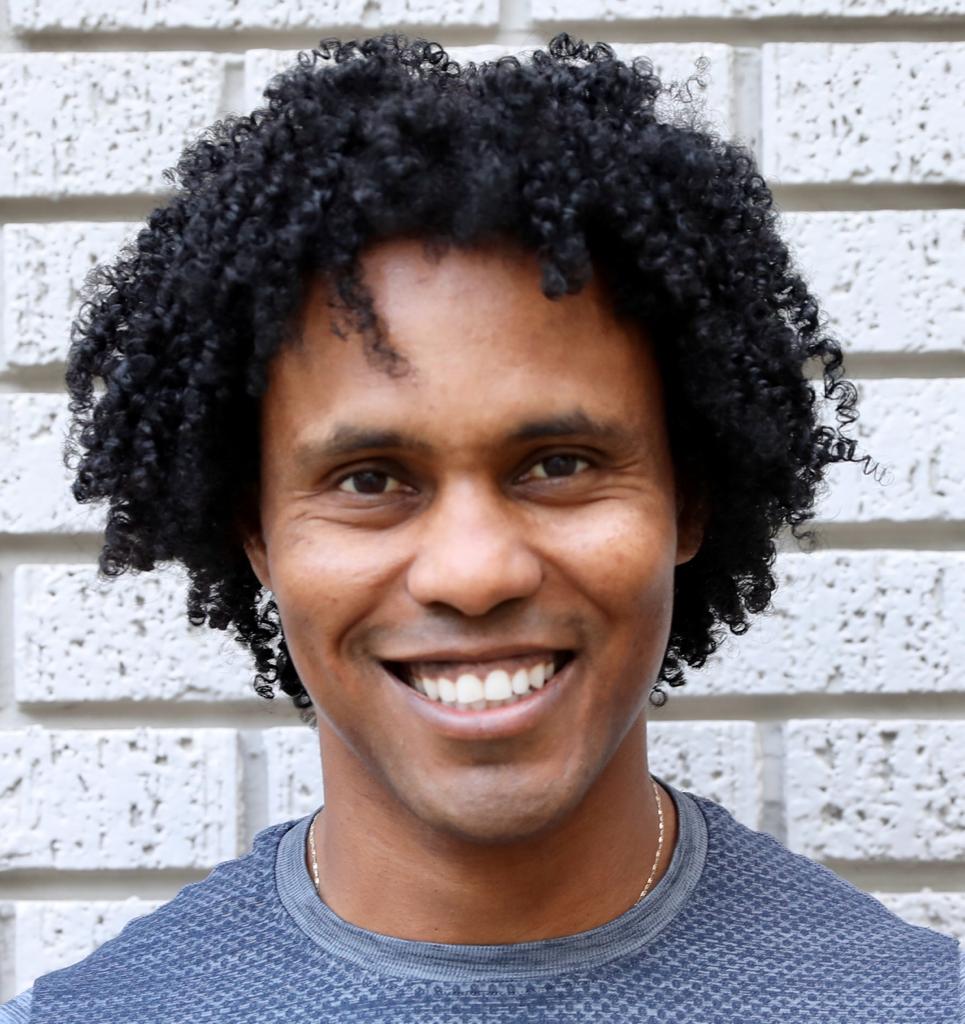
Coach Junior is a neighborhood-focused coach who blends solid exercise science with real-world practicality. He’s the kind of trainer who understands hilly runs up Twin Peaks, compact apartments in the Marina, and stroller-friendly workouts in Dolores Park.
Coach Junior works with adults, seniors, new parents, and youth athletes throughout San Francisco. His style is friendly, direct, and pragmatic: he coaches with an eye for safety, progression, and habit-building. Whether you need a 30-minute lunchtime strength routine or a weekly 60-minute rehab-aware plan, Coach Junior writes the plan and shows you how to execute it.
Approach, certifications, and specialties
Approach: Movement-first, progress-driven, and behaviorally smart (programs you’ll actually follow).
Certifications: Accredited strength & conditioning and CPR/First Aid (look for NASM/ACE/NSCA equivalents).
Specialties: Postnatal fitness, seniors & functional fitness, youth athletic development, and injury-aware strength programming.
Coach Junior’s sessions are practical for San Francisco living: low-noise options for apartment training, hill-strength programs for runners, and park-friendly circuits for outdoor days.

What to Expect from an In-Home Session
First consultation: goals, movement screen, and plan
Your first meeting is the blueprint session. Coach Junior conducts a quick movement screen, discusses medical history and lifestyle, and establishes clear, measurable goals. This initial consultation tells the coach what to prioritize — mobility, strength, endurance, or a mix — and creates a roadmap that you both commit to.
Equipment: what your trainer brings
A good in-home trainer brings the essentials: resistance bands, a set of adjustable dumbbells or kettlebells, a mat, and often a suspension trainer. These portable tools let the coach scale intensity and complexity without filling your living room with gear. For more specialized needs, Coach Junior can bring additional equipment or design bodyweight-first programs that are shockingly effective.
Typical session structure
Expect structure, not chaos:
Warm-up: targeted mobility and movement prep.
Skill or strength block: the primary focus (squats, hinge, push/pull patterns).
Accessory work: core, unilateral work, or conditioning.
Cooldown: mobility and breathing exercises.
Sessions are usually 30–60 minutes and always tailored to your current energy and capacity.
Services Coach Junior Offers In-Home in San Francisco
Coach Junior covers a broad spectrum of home-based services designed for real life.
Strength & weight loss coaching
Returning from pregnancy or dealing with chronic issues requires nuance. Coach Junior provides pelvic-floor aware programming, diastasis-friendly progressions, and gentle rebuilding that prioritizes safety over speed. Similarly, prehab strategies prevent common aches and injuries before they start.
Seniors & functional fitness
Functional strength, balance, and bone health are central for older adults. Coach Junior focuses on resilience: simple strength, mobility, and fall-prevention strategies that preserve independence and confidence.
Youth athletic development
Young athletes need better movement patterns, not more volume. Coach Junior offers age-appropriate speed, agility, and coordination work that builds athleticism and reduces injury risk — perfect for parents who want sport-ready kids without overtraining.
Pricing, Packages, and How to Compare Value (Not Just Price)
What affects cost
Several factors shape pricing: coach experience, travel time, included equipment, program design, and whether sessions include virtual support between visits. A trainer who provides written programs, video check-ins, and nutrition guidance will often charge more — but those add-ons accelerate results.
Smart package choices
Instead of obsessing over the cheapest hourly rate, compare packages: does the coach include progress reviews? Are there built-in program updates every 4–8 weeks? Can you mix session lengths? Packages with accountability and structure usually deliver better ROI than standalone sessions.

Safety, Certifications & Trust: What to Ask Your Trainer
Questions to vet a trainer
What are your certifications and education?
Are you CPR/First Aid certified?
How do you handle injuries or medical conditions?
Can you share client results or references?
What’s included in a typical package?
Insurance, CPR, and liability
A professional in-home trainer carries liability insurance and is willing to share credentials. These are non-negotiables — they protect you and the coach. Coach Junior carries adequate insurance, maintains CPR certification, and uses intake forms to screen for red flags.
Home Setup: How to Prepare Your Space for Training
Ideal low-footprint setups
A 6×6 ft clear area is often enough. Move your coffee table, clear a corner, and roll out a mat. That small footprint unlocks a wide range of effective exercises — squats, lunges, presses, and core work.
A small apartment? No problem
Tight on space? Trainers use creative modifications: single-leg work, tempo changes (slow down the eccentric), band-resisted movements, and stair-based conditioning. With the right programming, you can build serious strength in tiny spaces.
Neighborhood-by-Neighborhood: How In-Home Training Works Across San Francisco
San Francisco’s variety — condos, row houses, micro-apartments — requires local knowledge.
High-rise condos to Victorian homes
Every neighborhood in San Francisco has its quirks. High-rise dwellers may need quieter, low-impact sessions and compact equipment due to HOA rules. Victorian homeowners often have more space for kettlebells or small rigs. Coach Junior adapts to these realities — no cookie-cutter sessions.
Parks & outdoor options when home space is tight
When indoor space is limited, nearby parks — Golden Gate Park, Mission Dolores, Alamo Square, or Marina Green — become excellent training venues. Outdoor sessions mix cardio, resistance, and fresh air for a change of scenery that’s also effective training.
Short-term wins vs. long-term change
Short-term wins (better sleep, less stiffness, stronger lifts) are morale boosters. Long-term change requires consistent progressive overload, nutrition tweaks, and habit formation. Coach Junior sets both micro and macro goals so you get momentum and meaningful transformation.
Tools Coach Junior uses (apps, video check-ins)
Expect simple tech: a shared calendar, short video form checks, and occasional trackers for weight or reps. These tools keep progress visible and the coach accountable — especially important between in-person sessions.
Frequently Seen Myths About “In Home Personal Trainer”
Myth: In-home trainers are only for the rich
Not true. Many trainers offer tiered options — shorter sessions, semi-private sessions, and hybrid plans that mix in-person and virtual coaching. Value depends on outcomes, not sticker shock.
Myth: You won’t get intensity at home
Home workouts can be brutally effective. With proper programming and progression, intensity comes from tempo, load, density (more work in less time), and specificity — all achievable in living rooms and parks.

How Coach Junior Makes In-Home Training Different
Coach Junior understands the city: small spaces, variable working hours, and a culture that loves outdoor time. His programs are designed for real life — workouts that slot in, scale up, and survive travel days or foggy weekends.
Examples of transformations
Clients often report big quality-of-life wins: more energy for kids, less back pain, or running a 5K they’d avoided for years. These stories aren’t magic — they’re consistent programming, realistic nutrition adjustments, and measured progress.
Quick At-Home Workout Routines You Can Try Before Booking
20-minute full-body circuit (no equipment)
Warm-up (3 minutes): marching in place, arm circles, hip hinges.
Circuit — 3 rounds, 40s on / 20s rest:
Air squats
Incline or knee push-ups
Reverse lunges (alternating)
Plank shoulder taps
Glute bridges
Cool-down (3 minutes): hamstring stretches, quad release, breathing.
This short circuit packs a metabolic punch and demonstrates how efficient home workouts can be.
Mobility mini-session (10 minutes)
Cat-Cow x 8
World’s Greatest Stretch x 2 per side
90/90 hip mobility x 8 per side
Thoracic rotation x 10 each side
Mobility work keeps you resilient and primes you for heavier sessions.
Conclusion
Choosing an in home personal trainer near me is one of the most effective ways to get consistent, personalized results without leaving your home. With tailored coaching, smart progress tracking, and flexible session setups, this approach removes the barriers that usually stop people from staying active. For anyone in San Francisco who wants structure, accountability, and expert guidance, working with someone like Coach Junior brings professional-level training directly to your space — simple, convenient, and built entirely around your goals.
FAQs
How do I find a trustworthy in-home personal trainer near me?
Start by checking credentials (certifications, CPR), reviews, and sample programs. Ask for a trial session and references. Local trainers who offer transparent packages and baseline progress metrics are often more dependable.
Can in-home training help me lose weight and build muscle?
Absolutely. With progressive strength training, a sensible nutrition strategy, and consistent sessions, you’ll build muscle and improve body composition — even without a commercial gym.
What should I do if I have limited space or no equipment?
Focus on bodyweight progressions, unilateral work, tempo manipulation, and bands. A skilled trainer like Coach Junior designs highly effective programs for tiny spaces.
How often should I train with an in-home trainer?
Most people see strong results with 2–3 coached sessions per week plus 1–2 short self-directed workouts. Frequency depends on goals, recovery, and schedule.
Is in-home training more expensive than gym training?
Per-hour rates can be higher, but consider the time saved, personalization, and speed of results. Many clients find the efficiency and outcomes justify the investment.