Safe and Effective Ways to Dispose of Kitchen Waste
Kitchen waste is something we all deal with daily, but the way we dispose of it can have a big impact on our environment. Simple changes in how we handle kitchen scraps can lead to safer and more sustainable living. Learning the right ways to dispose of our waste can help us take care of our planet.
There are different kinds of kitchen waste. Some waste, like food scraps, is organic and can quickly break down, while other waste, such as plastic packaging, takes longer to decompose. Understanding these differences can help us choose the best disposal methods for each type.
Fortunately, there are plenty of safe and effective ways to dispose of kitchen waste. By composting, recycling, and creatively reusing what we can, we can reduce the amount that ends up in landfills.
These methods are not just better for the environment but also can benefit your garden and wallet. Let's explore some practical solutions to handle kitchen waste more responsibly!
Understanding Types of Kitchen Waste
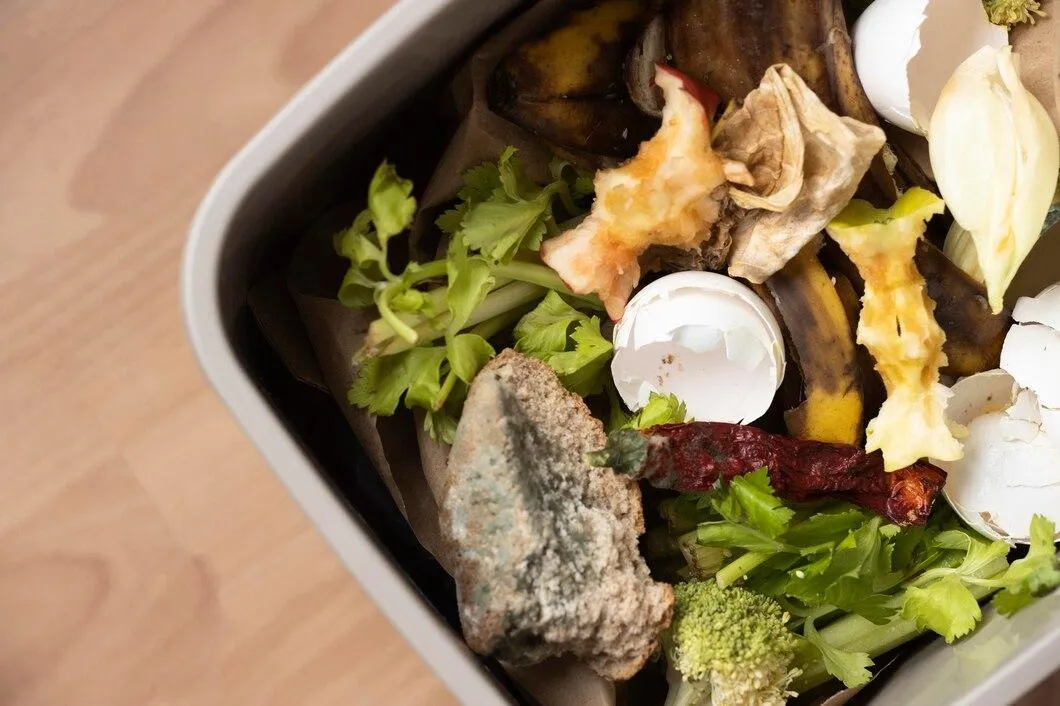
Kitchen waste generally falls into two categories: organic and inorganic. Organic waste includes materials that decompose naturally, such as food scraps, vegetable peels, coffee grounds, and eggshells.
These types of waste can be broken down by natural processes and are perfect for composting. Inorganic waste, on the other hand, includes materials like plastic packaging, foil, and glass containers. These do not decompose naturally and require different handling methods like recycling.
The way we dispose of kitchen waste has significant environmental impacts. Improper disposal, such as tossing everything into a landfill, contributes to pollution and greenhouse gas emissions.
Organic waste decomposing in landfills produces methane, a powerful greenhouse gas that contributes to climate change. Inorganic waste, especially plastics, takes hundreds of years to break down, harming wildlife and polluting ecosystems.
By understanding the different types of waste, you can choose more appropriate disposal methods. Separating organics for composting and sorting recyclables can greatly reduce our environmental footprint. This thoughtful approach not only benefits the environment but also conserves natural resources and energy.
Making simple changes in how we manage kitchen waste can lead to a healthier planet for future generations.
Composting: A Sustainable Solution
Composting is a simple and effective way to deal with organic kitchen waste. To start, choose a spot in your yard for a compost bin or pile. You can also purchase a composting bin if you want something ready to use.
Begin by collecting suitable kitchen scraps like fruit and vegetable peels, coffee grounds, eggshells, and even yard waste like grass clippings. Avoid adding meat, dairy, or oily foods, as they can attract pests and take longer to decompose.
Layer the collected scraps with dry materials, such as leaves or shredded paper, to create a balanced compost. Regularly turn the compost pile with a shovel or pitchfork to aerate it, which speeds up the decomposition process. Over time, the compost will break down into a rich, dark substance called humus, which is excellent for enriching garden soil.
The benefits of composting extend beyond waste reduction. By returning nutrients to the soil, compost improves soil structure, helping plants grow stronger and healthier. It can also increase moisture retention in soil, reducing the need for watering.
This method not only reduces your waste but also creates a valuable resource for gardens and potted plants, making it a win-win solution for both you and the environment.
Recycling: Giving Waste a Second Life
Recycling is an excellent way to manage inorganic kitchen waste and extend the lifecycle of materials. Common recyclables found in kitchens include plastic bottles, glass jars, aluminum cans, and paper products like cardboard boxes. By identifying these items, you can easily separate them from general trash and ensure they go to the right facilities.
Properly cleaning and sorting recyclables is important for an efficient recycling process. Make sure to rinse food residue from containers, as leftover food can contaminate recycling batches. Flatten cardboard boxes to save space and remove bottle caps when possible, as they may require different processing. Sorting your recyclables from the start helps recycling centers operate more effectively and increases the likelihood that materials will be reused.
Finding local recycling centers is simple. Most municipalities provide curbside recycling, and many have drop-off locations for specific materials. Check your local government’s website or contact waste management facilities to find the nearest option.
By recycling what you can, you contribute to saving resources, reducing pollution, and helping clear landfills. Recycling also supports a circular economy, where materials get repurposed, creating a sustainable cycle of use.
Creative Reuse and Reduction Strategies
Thinking creatively about kitchen waste offers new ways to cut down on what we throw away. Many items have potential for a second life. For example, glass jars can be used as storage containers or made into decorative lanterns, while cardboard can be transformed into art projects or compostable weed barriers in gardens. By finding new uses for items, you reduce waste and have fun recycling at home.
Reducing waste starts with small changes in everyday habits. Plan meals to avoid overbuying, use reusable shopping bags, and choose products with minimal packaging. Drink tap water in a reusable bottle instead of buying bottled water, and consider bulk purchasing to cut down on packaging. These steps help minimize waste production and promote more mindful consumption.
Developing a waste-reducing mindset is crucial. Encourage family members to follow suit and make it part of your routine. You can celebrate reduction achievements and work towards creating more sustainable habits together. Not only does this save resources, but it also lessens the impact on the environment and fosters a sense of responsibility that can be passed down through generations.
Conclusion
Disposing of kitchen waste carefully and thoughtfully is a small step with a big impact. With composting, recycling, and reusing, we can significantly reduce what ends up in landfills and prevent environmental harm.
These practices help conserve resources and save energy, pointing us towards a cleaner, greener future. Understanding the difference between organic and inorganic waste is key to choosing the right methods for disposal.
By practicing these waste management strategies, you can create a more sustainable home. Every effort counts, and these small changes accumulate, leading to tremendous positive effects over time. You're not only caring for your environment but also setting an example for others to follow.
If you're looking to improve waste disposal at your home or business, Sioux City Cleaning Company is here to help. We offer professional cleaning solutions that remove waste efficiently and sustainably. Connect with us today, and let’s work together towards a smarter, cleaner future!