Getting a Legitimate Lender and Getting Pre-Approved

Getting a Legitimate Lender and Getting Pre-Approved

Justin Brown December 2, 2025

It used to be that buyers could go house shopping and when they have found their dream home, then they go to get pre-approved. However, in today's market, that has proven to be one of the least effective methods in landing the dream home.

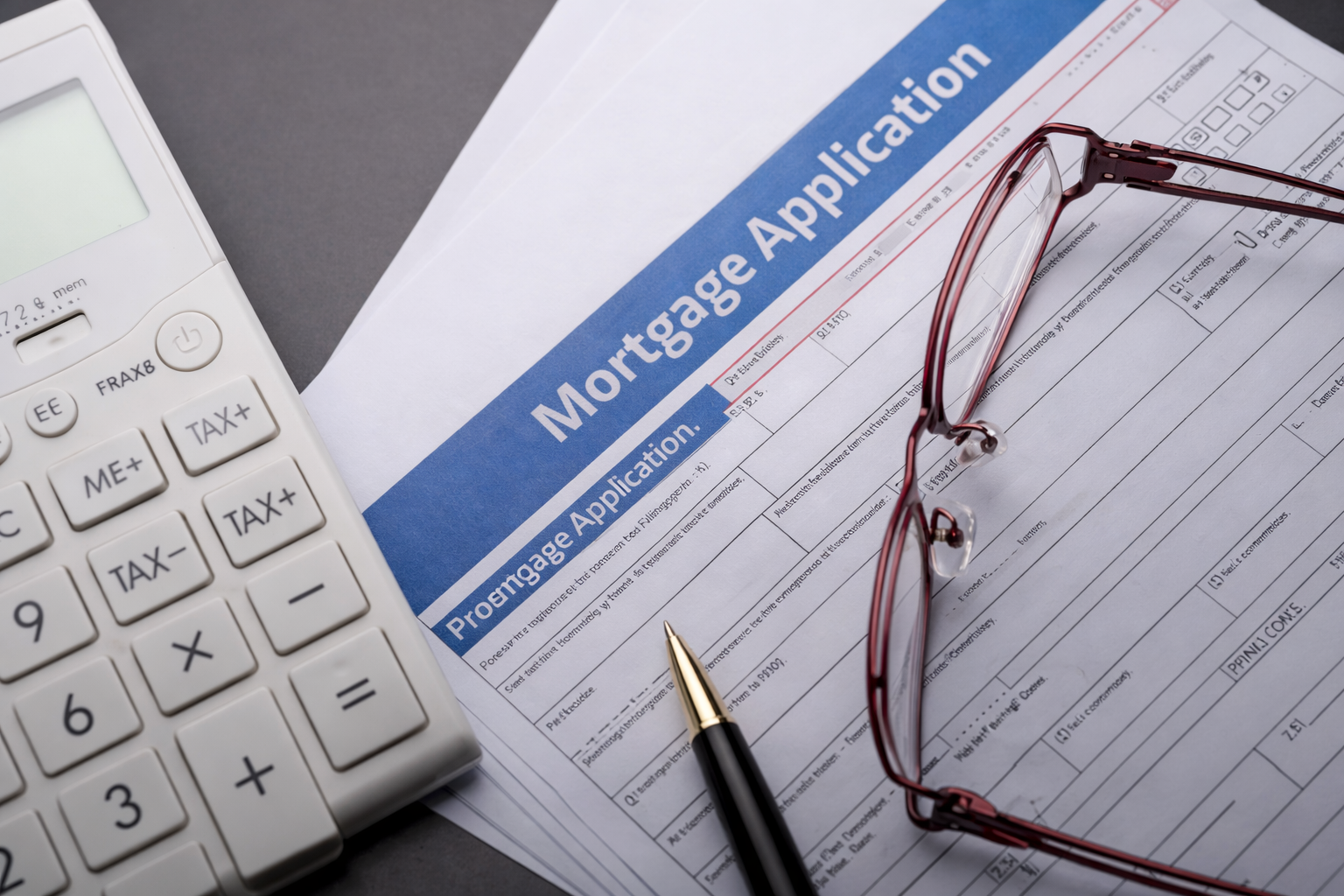
Most lenders can pre-qualify you for a mortgage over the phone. Based on general questions about your income, debt, assets, and credit history, lenders can estimate how much mortgage you qualify for. However, being pre-qualified and pre-approved are different things. Pre-approval means that you have applied for a mortgage; you have filled out the mortgage application, received your credit report, and verified your employment, assets, etc. When you are pre-approved, you know exactly what the maximum loan amount will be.

A pre-qualified letter is not verified and in essence, does not count for much if you are competing with other buyers who are pre-approved. When you are pre-approved, you and the seller know exactly how much house you can afford. It gives you credibility as an interested buyer and lets the seller know immediately that you will qualify for a loan to buy their property.

In addition to being pre-approved, it's important to be pre-approved with a legitimate lender. Legitimate lenders include: banks, mortgage bankers, credit unions, savings and loan associations, mortgage brokers, and online lenders.

Some lenders to avoid: those who lose a form or misplace a file, those who gather information from you in an unorganized manner, those who are not informed about interest rates, points or costs, and those who cannot provide you with the right information.


Link copied to clipboard
Condominium and PUD Ownership blog cover

Condominium and PUD Ownership

Explore the differences between condominium ownership and planned unit developments so buyers can make more confident real estate decisions.

Read More
Making a Good First Impression blog cover

Making a Good First Impression

Learn simple but effective ways to improve first impressions and present a property in a way that captures buyer interest right away.

Read More
Use a Buyer's Agent blog cover

Use a Buyer's Agent

See why working with a buyer's agent can save time, reduce stress, and help clients navigate the home search with better support.

Read More
The Advantages of Different Types of Mortgage Lenders blog cover

The Advantages of Different Types of Mortgage Lenders

Understand the key differences between banks, credit unions, mortgage brokers, and online lenders to find the best fit for your financing needs.

Read More
Creative Financing blog cover

Creative Financing

Discover alternative financing strategies that can help buyers and investors close deals even when traditional lending options fall short.

Read More
Know Why You Are Selling blog cover

Know Why You Are Selling

Clarifying your motivation for selling helps set the right price, timeline, and negotiation strategy for a smoother transaction.

Read More
Why You Should Not Make Any Major Credit Purchases blog cover

Why You Should Not Make Any Major Credit Purchases

Learn how large credit purchases during the home buying process can impact your loan approval and what to avoid until closing day.

Read More
Statements of Information blog cover

Statements of Information

Understand what statements of information are, why title companies require them, and how they help protect both buyers and sellers.

Read More
Considering Offers blog cover

Considering Offers

Know what to look for when reviewing offers on your property, from price and contingencies to buyer qualifications and closing timelines.

Read More

No blogs found