Dynasty
BOYING REMULLA & CHILDREN.
Tap to view
👁
Mixed

Your support keeps independent commentary alive.
☕ Buy us a coffee and keep the conversation going


Sa panahon ng mabilis na impormasyon,
minsan hindi ang sinabi ang problema—
👉 kundi kung paano ito na-interpret.
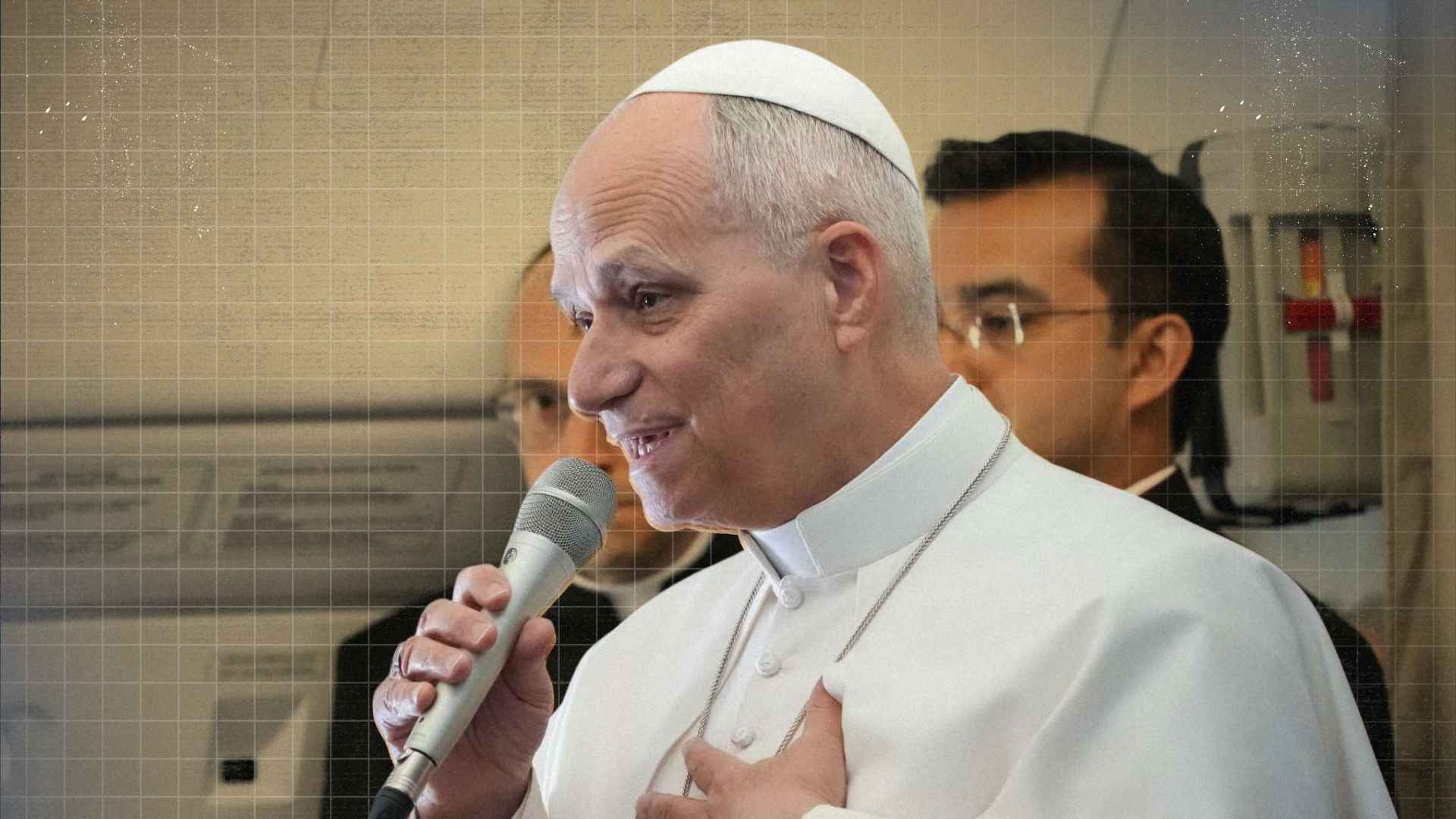
Nagbigay-linaw si Pope Leo matapos lumutang ang iba’t ibang interpretasyon ng kanyang mensahe kasunod ng mga pahayag ni Donald Trump.
Ayon sa kanya, may “narrative that has not been accurate in all of its aspects,” at maraming naging reaksyon ang mas nakatuon sa interpretasyon kaysa sa orihinal na mensahe.
Dagdag pa niya, ang kanyang talumpati tungkol sa kapayapaan ay inihanda pa bago ang anumang political remarks, at wala siyang intensyon na makipagdebate sa pangulo.
This is a classic case of:
👉 message vs narrative
The original intent: peace
The public interpretation: political response
And once interpretation takes over,
👉 the original message can be overshadowed
This situation reflects a broader reality:
👉 Not all narratives are accurate reflections of intent
In today’s environment:
statements are quickly analyzed
meanings are reshaped
intentions are reinterpreted
And sometimes:
👉 the story becomes bigger than the truth
Global reactions are mixed:
Some appreciate the Pope’s clarification
Others continue to analyze the political implications
Many highlight how easily narratives shift
Common takeaway:
👉 “Hindi lahat ng nakikita ay eksaktong ibig sabihin.”
This isn’t just about one statement.
👉 It’s about how information is processed today
When narratives move faster than facts:
👉 misunderstanding becomes inevitable
In a world filled with voices,
clarity becomes rare.
And sometimes, the most important reminder is this:
👉 Not every interpretation reflects the truth.
📖 Proverbs 18:2 (NIV)
“Fools find no pleasure in understanding but delight in airing their own opinions.”
This verse warns against prioritizing opinion over understanding.
True wisdom seeks clarity before forming conclusions.
Sa panahon ng mabilis na balita:
👉 hindi sapat ang mag-react
👉 kailangan munang umunawa
Dahil ang katotohanan ay hindi agad nakikita—
👉 ito ay hinahanap.
December 06, 2025•5 min read
The United States has officially redrawn its global map of priorities.
The newly released National Security Strategy (NSS) of November 2025 confirms what analysts have quietly suspected for months: Washington is turning inward and placing the Western Hemisphere back at the center of U.S. strategy.
This is not just a policy tweak — it is a structural reordering of how the world’s most powerful military views the future.
This may be the most dramatic shift.
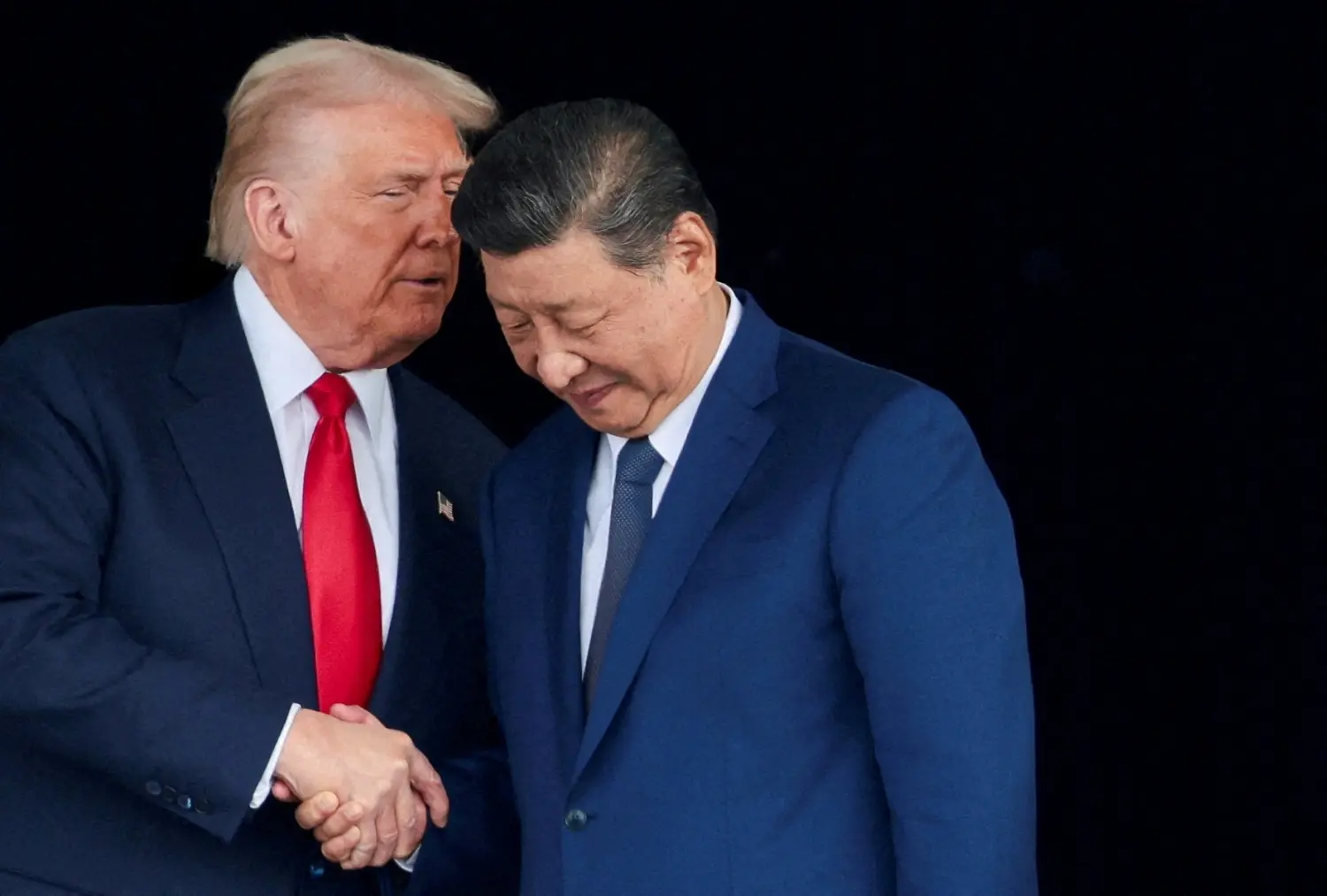
The traditional framing of China as America’s dominant strategic competitor is gone.
Instead, China is now described as:
an economic rival
a supply-chain risk
one of several external challenges
U.S. policy now focuses on defending its industrial base, not military primacy.
Even on Taiwan, the language is quieter, conditional, and less absolute:
Deterrence is described merely as “a priority.”
Overmatch is something the U.S. hopes to “ideally” preserve.
The NSS warns that defending Taiwan could become “impossible” without massive ally contributions.
This is not accidental — it signals reduced strategic urgency on China.
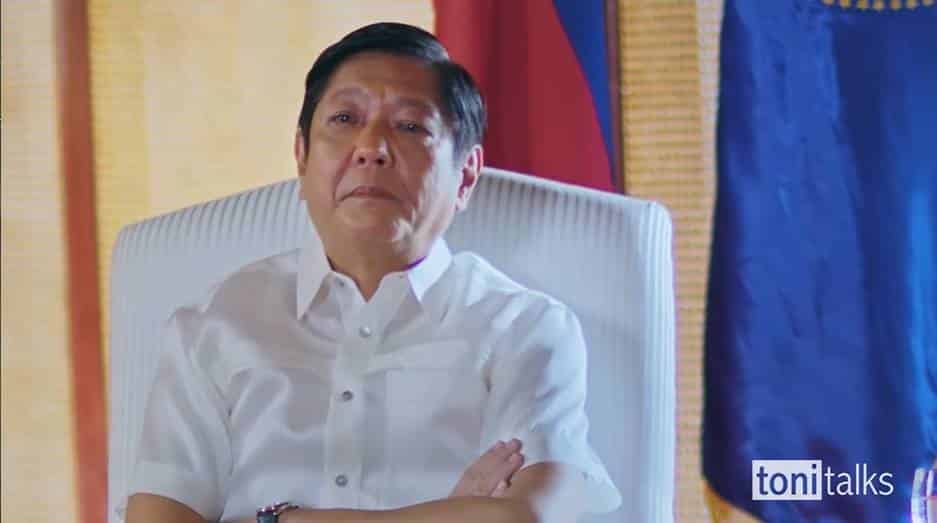
With the Western Hemisphere as the new core, and global commitments downgraded, the implications are serious:
Allies must pay more for their own defense
U.S. military deployments will thin out across the Indo-Pacific
Economic negotiations become more transactional
The U.S. will not intervene abroad as freely or as ideologically as before
This forces partners — including the Philippines — to rethink long-standing assumptions about U.S. guarantees.
A formal strategy document can also serve as diplomatic signaling.
How much of this pivot becomes reality will depend on America’s actions in the months ahead.
Politikanta Minute will continue monitoring implications for regional security and the Philippines.
🇺🇸 The “Trump Corollary” to the Monroe Doctrine
For the first time in decades, the NSS explicitly states that the U.S. will:
“Assert and enforce a Trump Corollary to the Monroe Doctrine.”
This revives a 19th-century doctrine that treats the Americas as an exclusive U.S. sphere, where external interference is unacceptable and where Washington intends to reassert influence aggressively.
The document adds that the U.S. will “readjust our global military presence… away from theaters whose relative import has declined.”
Translation:
👉 Less military attention on Europe
👉 Less on the Middle East
👉 Less on the Indo-Pacific
👉 More on Latin America and homeland security
Another striking break from past doctrine:
The new NSS explicitly says U.S. policy is “not grounded in traditional, political ideology.”
No more democracy promotion as a guiding pillar.
No rhetoric about remaking governments.
Instead, Washington seeks:
“good relations”
“peaceful commerce”
partnerships with states whose “systems differ from ours”
This aligns with a broader turn toward transactional geopolitics, not moral crusades.
The U.S. is no longer claiming to defend a global liberal order.
Instead, the NSS states that the strategic contest is about:
It acknowledges that the tariff war “began in 2017” failed to stop China’s industrial rise.
To compensate, Washington wants a wider economic coalition, but this raises tough questions:
Why should allies risk damaging ties with China?
What value does the U.S. offer if allies must carry the burden?
Will economic nationalism strain alliances further?
The NSS does not fully answer these questions.

According to recent surveys, Americans are expressing growing dissatisfaction with how Trump is handling key issues, including the economy, foreign policy tensions, and the continued political division across the country. While Trump’s core base remains vocal, the numbers suggest the broader public is no longer as firmly behind him as it once was.
Political observers describe the situation as “the weakest Trump has been in years,” noting that even among Republican voters, there is a quiet but noticeable shift in sentiment. Some moderates are beginning to question whether Trump can still deliver the results he promised, especially amid rising friction with Congress and escalating international challenges.
Yet despite the troubling indicators, analysts caution against counting Trump out. Historically, the former president has thrived in moments of political pressure, often using them as fuel for a renewed surge. This raises a critical question:
Is this the beginning of Trump’s political downfall — or the setup for another dramatic comeback?
What makes this moment particularly significant is the broader context. With global uncertainty rising, U.S. domestic tensions heating up, and the 2025 political landscape rapidly shifting, Trump’s declining approval ratings may influence everything from legislative momentum to international negotiations.
Still, Trump is well-known for defying political gravity. Supporters insist the numbers will rebound once policy wins become more visible. Critics, however, argue the polls reflect a deeper fatigue — not just with Trump himself, but with the political chaos that continues to swirl around his presidency.
As the numbers evolve over the coming weeks, one thing is clear:
America is watching closely, and the road ahead will determine whether this is a mere setback — or a turning point in Trump’s grip on power.



















Disclaimer: This site uses publicly available images and materials for news, satire, and commentary. All rights belong to their respective owners. No copyright infringement intended.
© 2025 Politikanta Minute. All Rights Reserved.
Political Commentary • Satire • Faith-Based Reflection
Some visuals may be AI-generated for satire and illustration. Not real footage unless stated.
Disclaimer: This site uses publicly available images and materials for news, satire, and commentary. All rights belong to their respective owners. No copyright infringement intended.
© 2025 Politikanta Minute. All Rights Reserved.
Political Commentary • Satire • Faith-Based Reflection
Some visuals may be AI-generated for satire and illustration. Not real footage unless stated.
Disclaimer: This site uses publicly available images and materials for news, satire, and commentary. All rights belong to their respective owners. No copyright infringement intended.
© 2025 Politikanta Minute. All Rights Reserved.
Powered by Graprix Design and Prints.
Political Commentary • Satire • News • Faith & Devotion