
Dynasty
BOYING REMULLA & CHILDREN.
Tap to view
👁
Mixed

Your support keeps independent commentary alive.
☕ Buy us a coffee and keep the conversation going


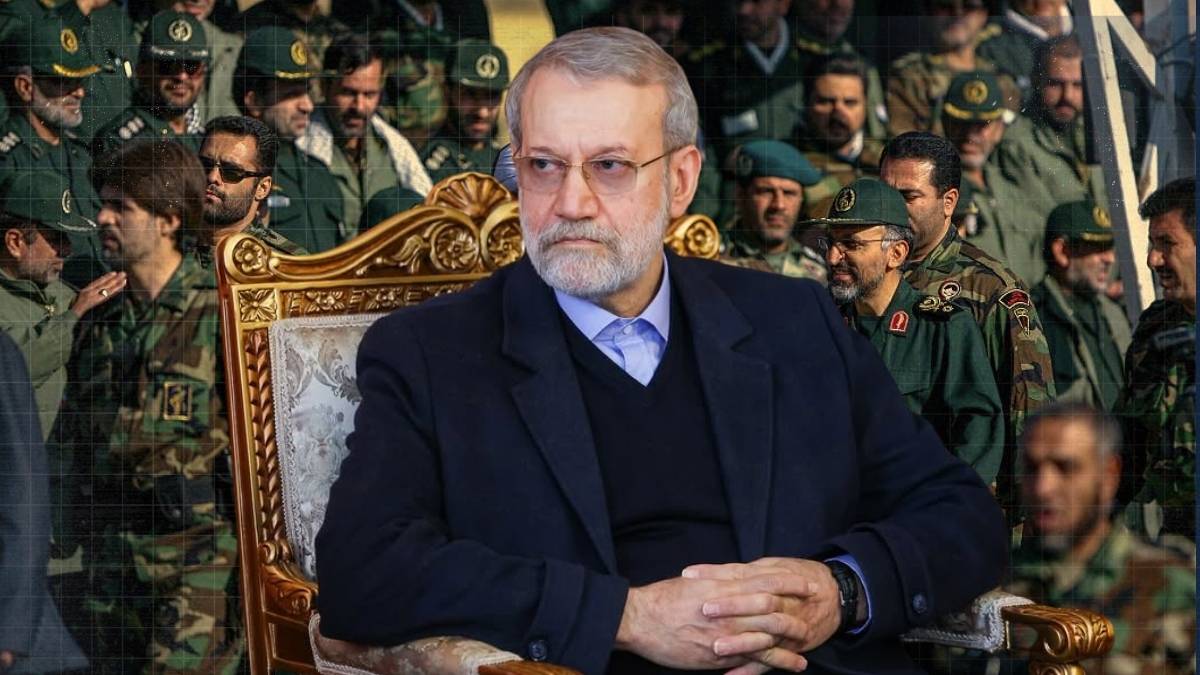
A new report claims that Ali Larijani has taken a central role in overseeing Iran’s preparations for potential military escalation, marking what analysts describe as a significant shift in strategic coordination.
According to sources cited in regional reporting, Larijani is now directly involved in organizing political and logistical readiness measures as tensions between Iran and Western-aligned nations continue to rise.
Iranian authorities have not publicly confirmed the full scope of the report, but observers note that such a move would reflect Tehran’s effort to consolidate command and tighten internal coordination during a period of geopolitical strain.
Larijani is a senior Iranian political figure with a long career inside the Islamic Republic’s power structure.
He has served as:
Speaker of Parliament
Secretary of the Supreme National Security Council
Presidential candidate
Known for his pragmatic yet loyal alignment with Iran’s leadership, Larijani has historically been viewed as a strategic operator capable of navigating both domestic and international crises.
His reported involvement suggests preparations are being managed at a high political level — not just through military channels.
Regional tensions have escalated in recent months due to:
Ongoing conflicts involving Iranian proxy groups
Maritime security incidents
Sanctions enforcement
Nuclear program negotiations
Western governments have increased pressure on Tehran over its nuclear activities and regional military influence.
At the same time, Iran has issued warnings against foreign intervention.
Analysts say that placing a senior political strategist at the center of coordination could indicate that Tehran is preparing for broader diplomatic, economic, and military contingencies — not necessarily immediate war.
Military preparation does not automatically equate to imminent conflict.
Nations often elevate readiness levels during periods of diplomatic strain as a deterrent strategy.
Security experts note three possible interpretations:
Deterrence signaling – Demonstrating readiness to discourage external action.
Internal consolidation – Centralizing command structures.
Contingency planning – Preparing for escalation scenarios without initiating hostilities.
The presence of Larijani — a political heavyweight rather than a battlefield commander — suggests strategic coordination beyond pure military maneuvering.
The Middle East remains a highly sensitive geopolitical theater.
Iran’s posture influences:
Israel’s security calculus
Gulf state defense coordination
U.S. military deployments
Oil market stability
Even rumors of heightened preparation can impact global energy markets.
Oil prices historically respond to perceived instability in the region.
While Washington has not officially commented on the specific report, U.S. defense officials have reiterated their commitment to regional deterrence.
The United States maintains military assets in nearby waters and has reinforced alliances with Gulf states.
Diplomatic channels remain open, but tensions are high.
European powers continue efforts to revive or stabilize nuclear discussions.
Within Iran, consolidating oversight under a seasoned political figure may serve to:
Reinforce unity
Streamline decision-making
Manage messaging
Coordinate civilian-military integration
Iran’s political system blends clerical authority, military command, and elected institutions, making coordination complex during crises.
At this stage:
There is no confirmed declaration of war.
No mobilization announcement has been formally issued.
The report reflects strategic adjustments, not open hostilities.
Observers caution against conflating preparation with action.
Military readiness can remain elevated for extended periods without escalation.
The reported leadership shift underscores one reality:
The region remains volatile.
Strategic positioning, deterrence posture, and alliance recalibration are ongoing.
Whether this development signals imminent conflict or calculated signaling will depend on:
Diplomatic engagement
Military incidents
Nuclear negotiations
Proxy activity dynamics
For now, the situation warrants close monitoring — not alarmism.


















Disclaimer: This site uses publicly available images and materials for news, satire, and commentary. All rights belong to their respective owners. No copyright infringement intended.
© 2025 Politikanta Minute. All Rights Reserved.
Political Commentary • Satire • Faith-Based Reflection
Some visuals may be AI-generated for satire and illustration. Not real footage unless stated.
Disclaimer: This site uses publicly available images and materials for news, satire, and commentary. All rights belong to their respective owners. No copyright infringement intended.
© 2025 Politikanta Minute. All Rights Reserved.
Political Commentary • Satire • Faith-Based Reflection
Some visuals may be AI-generated for satire and illustration. Not real footage unless stated.
Disclaimer: This site uses publicly available images and materials for news, satire, and commentary. All rights belong to their respective owners. No copyright infringement intended.
© 2025 Politikanta Minute. All Rights Reserved.
Powered by Graprix Design and Prints.
Political Commentary • Satire • News • Faith & Devotion
