Dynasty
BOYING REMULLA & CHILDREN.
Tap to view
👁
Mixed
Your support keeps independent commentary alive.
☕ Buy us a coffee and keep the conversation going


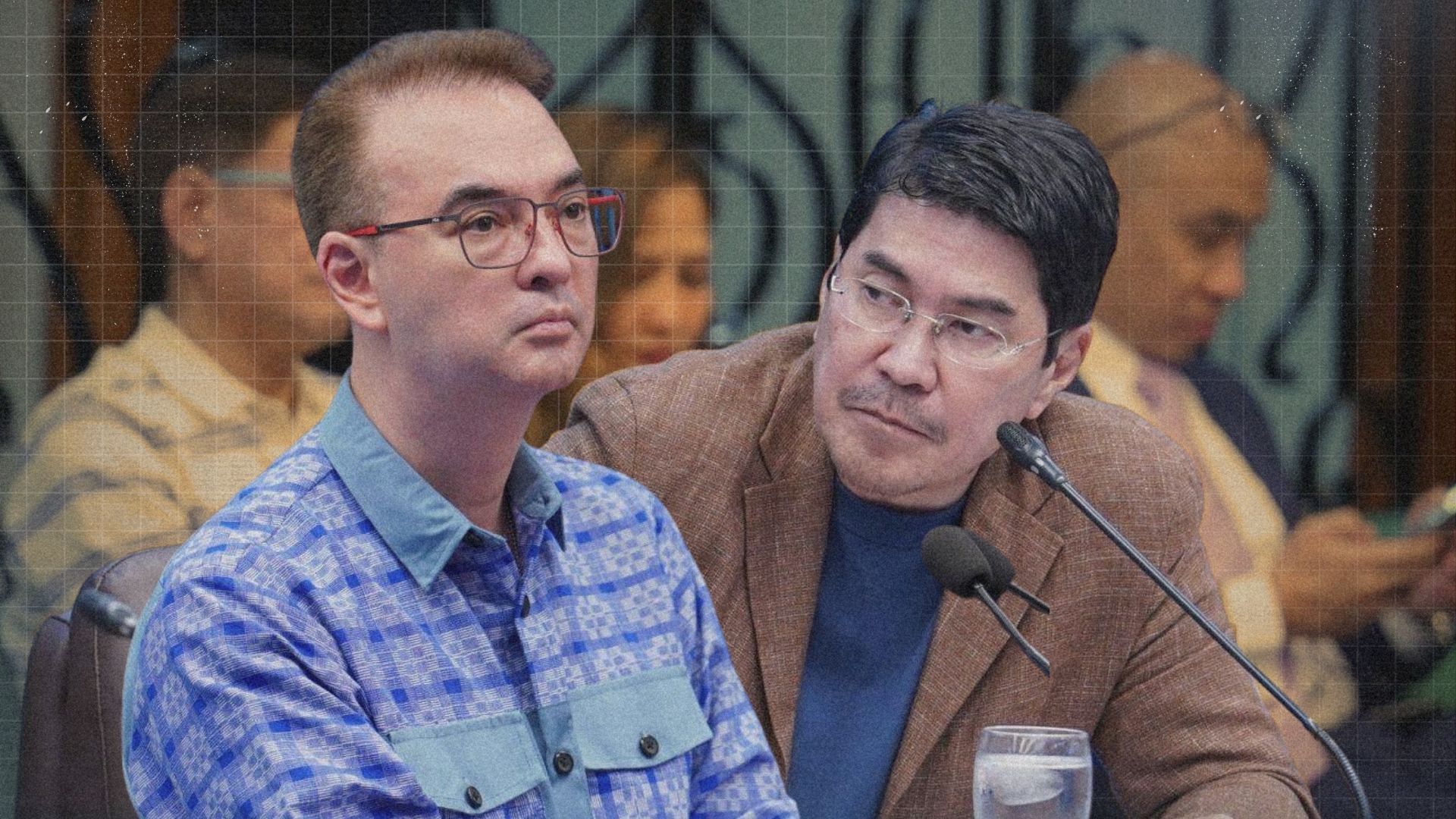
Political tensions surrounding the controversial Senate incident last May 13 continue to intensify after Erwin Tulfo publicly denied allegations suggesting that some minority senators allegedly had advance knowledge of the chaos before it erupted.
The issue gained traction online after speculation spread regarding Senate log records showing that several minority senators had reportedly already logged out and left the Senate premises before tensions escalated between the Office of the Senate Sergeant-at-Arms (OSAA) and operatives of the National Bureau of Investigation (NBI) at the GSIS compound connected to Senate offices.
Among those reportedly listed in the circulating logs were Kiko Pangilinan, Bam Aquino, Erwin Tulfo, Raffy Tulfo, Risa Hontiveros, Migz Zubiri, Sherwin Gatchalian, Tito Sotto, and Ping Lacson. The reported incident supposedly occurred around 7:46 p.m.
Public speculation intensified further after statements from Alan Peter Cayetano and Imee Marcos during Facebook Live broadcasts suggested that some individuals had allegedly been advised to leave the Senate because “kaguluhan” might occur.
That detail immediately fueled online theories and suspicions.
Here’s what this really means.
In today’s political environment, timing alone can trigger massive public speculation. Once Senate logs, livestream statements, and political tensions combine in a highly emotional situation, people naturally begin searching for hidden connections or possible prior knowledge.
That is exactly what happened here.
However, Senator Erwin Tulfo firmly rejected allegations that minority senators were involved or aware of any planned incident beforehand.
“It’s unfair naman na pagbibintangan kami na may kinalaman, na kaya kami umalis dahil kami ang may pakana, na alam namin.”
Tulfo also clarified that the minority bloc allegedly was not included in the majority caucus discussions that day.
“We don’t have an idea. Hindi kami isinama sa caucus, ‘yun lang ’yun.”
According to the senator, he had already left because of a scheduled family dinner prior to the incident.
This raises a bigger issue.
Public trust becomes increasingly fragile whenever major incidents involving government institutions generate conflicting narratives, incomplete information, and viral speculation online.
In the age of livestreams, screenshots, and viral clips, even ordinary circumstances can quickly transform into conspiracy theories once public emotions intensify.
And because the Senate incident already involved armed tensions, warning shots, and multiple agencies, every detail surrounding the timeline naturally became highly scrutinized.
Why this matters goes beyond one controversy alone.
The situation reflects how political polarization now shapes public interpretation of almost every national issue. Supporters and critics alike often interpret the same events in dramatically different ways depending on political alignment and existing distrust.
For some citizens, the Senate logs appeared suspicious.
For others, they simply reflected normal schedules and coincidence.
That divide explains why the issue continues dominating online discussion.
At the same time, legal and institutional observers continue reminding the public that allegations and speculation should not automatically replace verified evidence or formal investigations. Public narratives may spread quickly, but facts still require proper examination.
Still, one reality remains unavoidable:
In modern politics, perception moves faster than investigations.
And once suspicion enters the public conversation, every timeline, movement, and statement becomes subject to interpretation.
As inquiries and clarifications continue unfolding, Filipinos will likely keep watching closely for additional details about what truly happened before and during the Senate incident.
Because today, political controversies are no longer judged only by official reports…
—but by the public’s growing demand for transparency, clarity, and accountability.
“He that answereth a matter before he heareth it, it is folly and shame unto him.”
This verse reminds people to seek understanding before rushing to conclusions. In moments of confusion, speculation, and tension, wisdom requires patience, fairness, and careful discernment. Truth should be guided by evidence rather than emotion alone.
December 19, 2025•2 min read
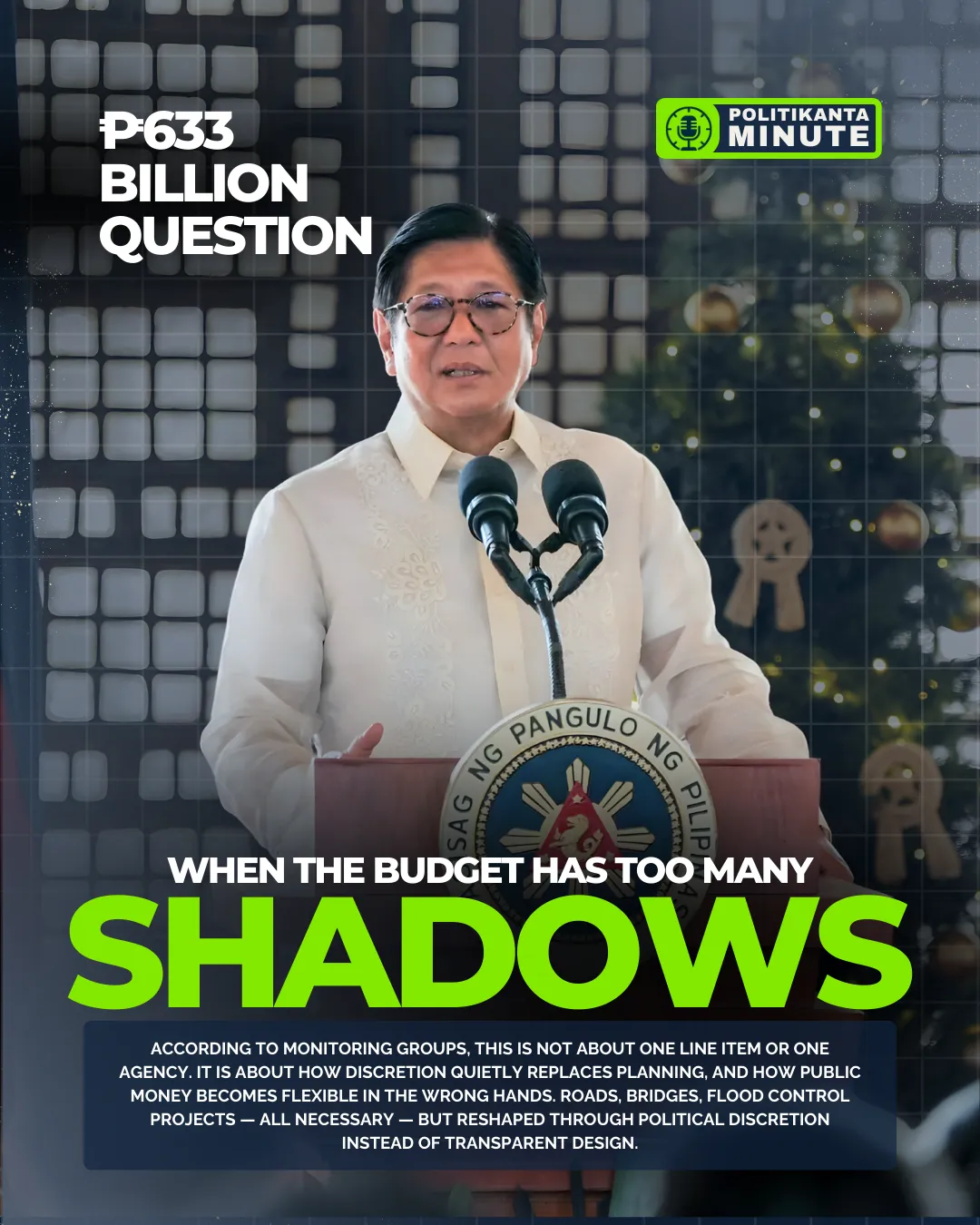
Senator Loren Legarda did not mince words during bicameral conference committee deliberations after yet another round of last-minute budget requests from government agencies.
Her frustration boiled over — not because the projects lacked merit, but because they were never included in the National Expenditure Program (NEP) in the first place.

And that, Legarda stressed, is the real problem.
“It’s not the senator’s job or the finance chair’s job to ask why it’s not in the NEP.
That’s exactly the question — why isn’t it there?”
Legarda reminded agencies that bicam deliberations exist to reconcile differences between House and Senate versions — not to accommodate forgotten, rushed, or politically revived projects.
Projects that appear only at the last minute signal:
Poor planning
Weak internal coordination
A culture of shortcut governance
“They should think of their NEP.”

The flashpoint came as lawmakers questioned why important railway projects in Mindanao were missing from the budget.
The answer was blunt:
👉 The Department of Transportation (DOTr) did not include them in the NEP.
Legarda rejected the idea that senators should “fix” this oversight during bicam, calling it unfair and procedurally wrong.
Kapag kulang ang plano,
bicam ang takbuhan.
Kapag nahuli,
“urgent” ang dahilan.
Pero ang budget,
hindi puwedeng hinahabol sa huli.
Instead of scrambling during bicam, Legarda pushed for:
Agencies to prepare complete budgets upfront
Stronger oversight committees
Earlier consultations before NEP submission
Good governance, she implied, starts before the budget reaches Congress.
“Let all things be done decently and in order.”
— 1 Corinthians 14:40
Order is not delay.
Order is protection.
Every “last-minute request” weakens:
Transparency
Planning
Public trust
Legarda’s outburst was not about anger — it was about drawing the line.
👉 If it’s important, it should be planned.
If it’s planned, it should be in the NEP.












Disclaimer: This site uses publicly available images and materials for news, satire, and commentary. All rights belong to their respective owners. No copyright infringement intended.
© 2025 Politikanta Minute. All Rights Reserved.
Political Commentary • Satire • Faith-Based Reflection
Some visuals may be AI-generated for satire and illustration. Not real footage unless stated.
Disclaimer: This site uses publicly available images and materials for news, satire, and commentary. All rights belong to their respective owners. No copyright infringement intended.
© 2025 Politikanta Minute. All Rights Reserved.
Political Commentary • Satire • Faith-Based Reflection
Some visuals may be AI-generated for satire and illustration. Not real footage unless stated.
Disclaimer: This site uses publicly available images and materials for news, satire, and commentary. All rights belong to their respective owners. No copyright infringement intended.
© 2025 Politikanta Minute. All Rights Reserved.
Powered by Graprix Design and Prints.
Political Commentary • Satire • News • Faith & Devotion