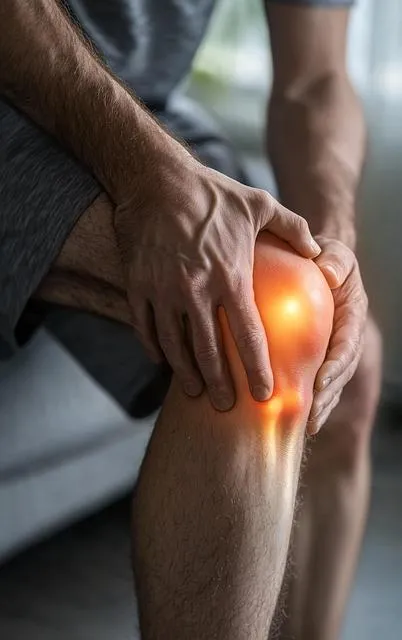
Clinician administering platelet concentrate regenerative injection to support tissue healing and recovery.

Platelet Concentrate Therapy: Regenerative Healing & Recovery Science

February 17, 20264 min read

Platelet Concentrate Therapy: Regenerative Precision for Healing & Recovery

Platelet concentrate therapy — often called platelet-rich plasma (PRP) — harnesses the body’s natural healing signals to support tissue repair, inflammation regulation, and recovery. Rather than masking symptoms, this regenerative approach uses platelets’ stored growth factors to amplify intrinsic biologic communication pathways that drive healing (Andia & Maffulli, 2013).

With applications in musculoskeletal health, soft tissue recovery, and functional regeneration, platelet concentrate therapy aligns with modern regenerative medicine principles focused on structural optimization, resilience, and health span enhancement.

What Is Platelet Concentrate Therapy?

Platelet concentrate therapy uses a small sample of a patient’s own blood, which is processed to concentrate platelets above baseline levels. These platelets are rich in growth factors and cytokines that orchestrate healing responses at injured or stressed tissues.

When activated and delivered locally, these concentrated platelets release signaling molecules such as:

  • Platelet-derived growth factor (PDGF)

  • Transforming growth factor-beta (TGF-β)

  • Vascular endothelial growth factor (VEGF)

These factors modulate inflammation, recruit cells to the injury site, and support collagen formation and tissue remodeling (Marx, 2019).

How It Works: The Biology of Healing

Platelets play a central role in hemostasis — but they are also critical signaling hubs within wound healing and tissue repair processes. When tissue is stressed or injured, platelets adhere to the site and release growth factors that:

  1. Modulate inflammation

  2. Stimulate cell recruitment and proliferation

  3. Promote angiogenesis (new blood vessel formation)

  4. Support extracellular matrix synthesis

These activities help optimize both quality and speed of tissue regeneration, particularly in connective tissues and tendons where blood supply and repair capacity are limited (Foster et al., 2009).

Clinical Benefits of Platelet Concentrate Therapy

1. Enhanced Tissue Repair & Regeneration

Platelet concentrate therapy amplifies physiologic signaling within injured tissues, promoting structural repair rather than short-term symptom suppression. Studies show improved healing responses in tendon and ligament injuries compared to traditional conservative care alone (Filardo et al., 2018).

2. Reduced Pain & Improved Function

By targeting areas of tissue stress and inflammation, platelet concentrate interventions can reduce pain and support more functional tissue remodeling. Clinical evidence demonstrates decreased disability scores in treated musculoskeletal conditions (Laudy et al., 2015).

3. Complementary to Rehabilitation Strategies

Platelet concentrate therapy integrates seamlessly with strength training, physiotherapy, and functional movement programming. By improving the tissue’s ability to respond to loading and repair signals, it enhances the outcomes of structured rehabilitation plans (Andia & Maffulli, 2018).

Where Platelet Concentrate Therapy Excels

Common applications include:

  • Tendinopathies (e.g., tennis elbow, Achilles tendinopathy)

  • Early osteoarthritis support

  • Ligament strain recovery

  • Muscle strain and soft tissue irritation

  • Chronic overuse conditions

The regenerative signaling induced by platelet concentrates promotes structural integrity and resilience — key components in long-term function.

Why It’s Different from Symptom-Only Approaches

Traditional treatments like oral anti-inflammatories, corticosteroids, or passive modalities often provide temporary symptom relief but do not directly influence the underlying tissue healing cascade. Platelet concentrate therapy addresses:

  • Cellular communication pathways

  • Growth factor-mediated repair mechanisms

  • Inflammation regulation at the source

This mechanistic focus aligns with regenerative care, enhancing tissue quality and reducing recurrence risk.

What to Expect Before, During, and After Treatment

Platelet concentrate therapy is minimally invasive and uses the patient’s own biology. The general process includes:

  1. Blood Collection — a small sample drawn from the patient

  2. Processing — platelets concentrated using centrifugation

  3. Targeted Injection — guided delivery to the site of tissue stress

  4. Recovery Support — integrated into active care plans that may include therapy, movement strategy, and nutrition

Most patients experience progressive improvement over weeks as signaling cascades influence cell recruitment and matrix remodeling.

Evidence-Based Outcomes

Systematic reviews and meta-analyses indicate that platelet concentrate therapy:

  • Improves pain and function in tendon disorders

  • Enhances structural repair signaling

  • Results in favorable patient-reported outcomes when integrated with rehabilitation (Kaux et al., 2011; Andia & Maffulli, 2018)

While individual responses vary, current research supports its role as a regenerative tool within personalized care plans.

Integrating Platelet Concentrate Therapy at Hormone Treatment Centers

At Hormone Treatment Centers, platelet concentrate therapy is incorporated into a precision regenerative framework, evaluating:

  • Tissue structural integrity

  • Hormonal and metabolic status

  • Movement mechanics and rehabilitation potential

  • Chronic inflammatory burden

This integrated model enhances outcomes by aligning regenerative signaling with hormonal optimization, metabolic support, and functional rehabilitation.

Works Cited

Andia, I., & Maffulli, N. (2013). Platelet-rich plasma for managing pain and inflammation in tendinopathy. Nature Reviews Rheumatology, 9(12), 721–730.

Andia, I., & Maffulli, N. (2018). Platelet-rich plasma in tendon and ligament interventions: Narrative review. Muscles, Ligaments and Tendons Journal, 8(1), 137–150.

Filardo, G., Kon, E., Di Matteo, B., Di Martino, A., & Marcacci, M. (2018). Platelet-rich plasma for the treatment of osteoarthritis. World Journal of Orthopedics, 9(2), 107–121.

Foster, T. E., Puskas, B. L., Mandelbaum, B. R., Gerhardt, M. B., & Rodeo, S. A. (2009). Platelet-rich plasma: From basic science to clinical applications. American Journal of Sports Medicine, 37(11), 2259–2272.

Kaux, J. F., Drion, P., & Crielaard, J. M. (2011). A review of platelet-rich plasma: History, biology, mechanism of action, and classification. Muscles, Ligaments and Tendons Journal, 1(3), 137–145.

Laudy, A. B., Bakker, E. W., Rekers, M., & Moen, M. H. (2015). Efficacy of platelet-rich plasma injections in osteoarthritis of the knee: A systematic review and meta-analysis. British Journal of Sports Medicine, 49(10), 657–672.


Platelet Concentrate Therapy: Regenerative Precision for Healing & Recovery  Platelet concentrate therapy — often called platelet-rich plasma (PRP) — harnesses the body’s natural healing signals to support tissue repair, inflammation regulation, and recovery. Rather than masking symptoms, this regenerative approach uses platelets’ stored growth factors to amplify intrinsic biologic communication pathways that drive healing (Andia & Maffulli, 2013).  With applications in musculoskeletal health, soft tissue recovery, and functional regeneration, platelet concentrate therapy aligns with modern regenerative medicine principles focused on structural optimization, resilience, and health span enhancement.  What Is Platelet Concentrate Therapy?  Platelet concentrate therapy uses a small sample of a patient’s own blood, which is processed to concentrate platelets above baseline levels. These platelets are rich in growth factors and cytokines that orchestrate healing responses at injured or stressed tissues.  When activated and delivered locally, these concentrated platelets release signaling molecules such as:  Platelet-derived growth factor (PDGF)  Transforming growth factor-beta (TGF-β)  Vascular endothelial growth factor (VEGF)  These factors modulate inflammation, recruit cells to the injury site, and support collagen formation and tissue remodeling (Marx, 2019).  How It Works: The Biology of Healing  Platelets play a central role in hemostasis — but they are also critical signaling hubs within wound healing and tissue repair processes. When tissue is stressed or injured, platelets adhere to the site and release growth factors that:  Modulate inflammation  Stimulate cell recruitment and proliferation  Promote angiogenesis (new blood vessel formation)  Support extracellular matrix synthesis  These activities help optimize both quality and speed of tissue regeneration, particularly in connective tissues and tendons where blood supply and repair capacity are limited (Foster et al., 2009).  Clinical Benefits of Platelet Concentrate Therapy 1. Enhanced Tissue Repair & Regeneration  Platelet concentrate therapy amplifies physiologic signaling within injured tissues, promoting structural repair rather than short-term symptom suppression. Studies show improved healing responses in tendon and ligament injuries compared to traditional conservative care alone (Filardo et al., 2018).  2. Reduced Pain & Improved Function  By targeting areas of tissue stress and inflammation, platelet concentrate interventions can reduce pain and support more functional tissue remodeling. Clinical evidence demonstrates decreased disability scores in treated musculoskeletal conditions (Laudy et al., 2015).  3. Complementary to Rehabilitation Strategies  Platelet concentrate therapy integrates seamlessly with strength training, physiotherapy, and functional movement programming. By improving the tissue’s ability to respond to loading and repair signals, it enhances the outcomes of structured rehabilitation plans (Andia & Maffulli, 2018).  Where Platelet Concentrate Therapy Excels  Common applications include:  Tendinopathies (e.g., tennis elbow, Achilles tendinopathy)  Early osteoarthritis support  Ligament strain recovery  Muscle strain and soft tissue irritation  Chronic overuse conditions  The regenerative signaling induced by platelet concentrates promotes structural integrity and resilience — key components in long-term function.  Why It’s Different from Symptom-Only Approaches  Traditional treatments like oral anti-inflammatories, corticosteroids, or passive modalities often provide temporary symptom relief but do not directly influence the underlying tissue healing cascade. Platelet concentrate therapy addresses:  Cellular communication pathways  Growth factor-mediated repair mechanisms  Inflammation regulation at the source  This mechanistic focus aligns with regenerative care, enhancing tissue quality and reducing recurrence risk.  What to Expect Before, During, and After Treatment  Platelet concentrate therapy is minimally invasive and uses the patient’s own biology. The general process includes:  Blood Collection — a small sample drawn from the patient  Processing — platelets concentrated using centrifugation  Targeted Injection — guided delivery to the site of tissue stress  Recovery Support — integrated into active care plans that may include therapy, movement strategy, and nutrition  Most patients experience progressive improvement over weeks as signaling cascades influence cell recruitment and matrix remodeling.  Evidence-Based Outcomes  Systematic reviews and meta-analyses indicate that platelet concentrate therapy:  Improves pain and function in tendon disorders  Enhances structural repair signaling  Results in favorable patient-reported outcomes when integrated with rehabilitation (Kaux et al., 2011; Andia & Maffulli, 2018)  While individual responses vary, current research supports its role as a regenerative tool within personalized care plans.  Integrating Platelet Concentrate Therapy at Hormone Treatment Centers  At Hormone Treatment Centers, platelet concentrate therapy is incorporated into a precision regenerative framework, evaluating:  Tissue structural integrity  Hormonal and metabolic status  Movement mechanics and rehabilitation potential  Chronic inflammatory burden  This integrated model enhances outcomes by aligning regenerative signaling with hormonal optimization, metabolic support, and functional rehabilitation.  Works Cited (APA Format)  Andia, I., & Maffulli, N. (2013). Platelet-rich plasma for managing pain and inflammation in tendinopathy. Nature Reviews Rheumatology, 9(12), 721–730.  Andia, I., & Maffulli, N. (2018). Platelet-rich plasma in tendon and ligament interventions: Narrative review. Muscles, Ligaments and Tendons Journal, 8(1), 137–150.  Filardo, G., Kon, E., Di Matteo, B., Di Martino, A., & Marcacci, M. (2018). Platelet-rich plasma for the treatment of osteoarthritis. World Journal of Orthopedics, 9(2), 107–121.  Foster, T. E., Puskas, B. L., Mandelbaum, B. R., Gerhardt, M. B., & Rodeo, S. A. (2009). Platelet-rich plasma: From basic science to clinical applications. American Journal of Sports Medicine, 37(11), 2259–2272.  Kaux, J. F., Drion, P., & Crielaard, J. M. (2011). A review of platelet-rich plasma: History, biology, mechanism of action, and classification. Muscles, Ligaments and Tendons Journal, 1(3), 137–145.  Laudy, A. B., Bakker, E. W., Rekers, M., & Moen, M. H. (2015). Efficacy of platelet-rich plasma injections in osteoarthritis of the knee: A systematic review and meta-analysis. British Journal of Sports Medicine, 49(10), 657–672.

Back to Blog