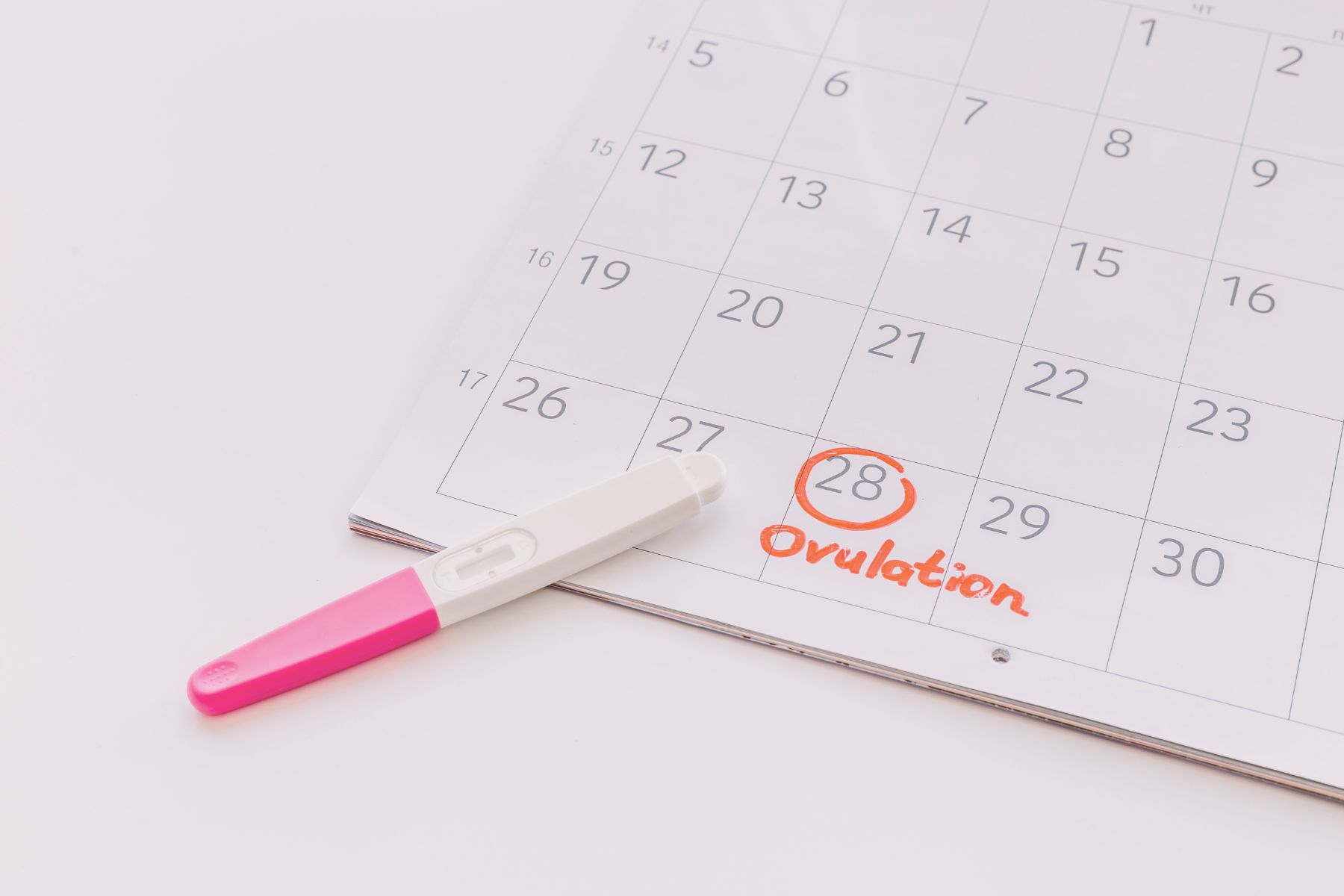
PCOS Preconception Care: Why “Just Ovulate” Isn’t Enough (And How to Prepare Your Body for Pregnancy and Postpartum)
PCOS Preconception Care: Why “Just Ovulate” Isn’t Enough (And How to Prepare Your Body for Pregnancy and Postpartum)
PCOS Preconception Care: Why This Is the Missing Piece in Most Fertility Advice
If you’ve spent any time in PCOS spaces online, you’ll notice the same message repeated constantly:
“Just ovulate.” “Track your cycle.” “Take this supplement.” “Get pregnant ASAP.”
And honestly? This is where I get frustrated.
Not because ovulation isn’t important, it absolutely is. But because the entire focus becomes getting pregnant, and there’s very little conversation about what happens next.
There is little emphasis on:
how to improve ovulation naturally
preparing your nutrient stores
improving insulin sensitivity and metabolic health
reducing inflammation
supporting egg quality
creating a body that can actually sustain a pregnancy
and recovering postpartum without completely crashing
And this matters, because pregnancy and postpartum take a massive toll on your body.
If you’re already depleted, inflamed, exhausted, running on stress hormones and caffeine, then falling pregnant can feel like the finish line… but what comes after can be incredibly hard.
That’s why preconception care is not optional in PCOS. It’s fundamental.
And this is the part I genuinely love supporting women with, because it’s where outcomes shift the most.
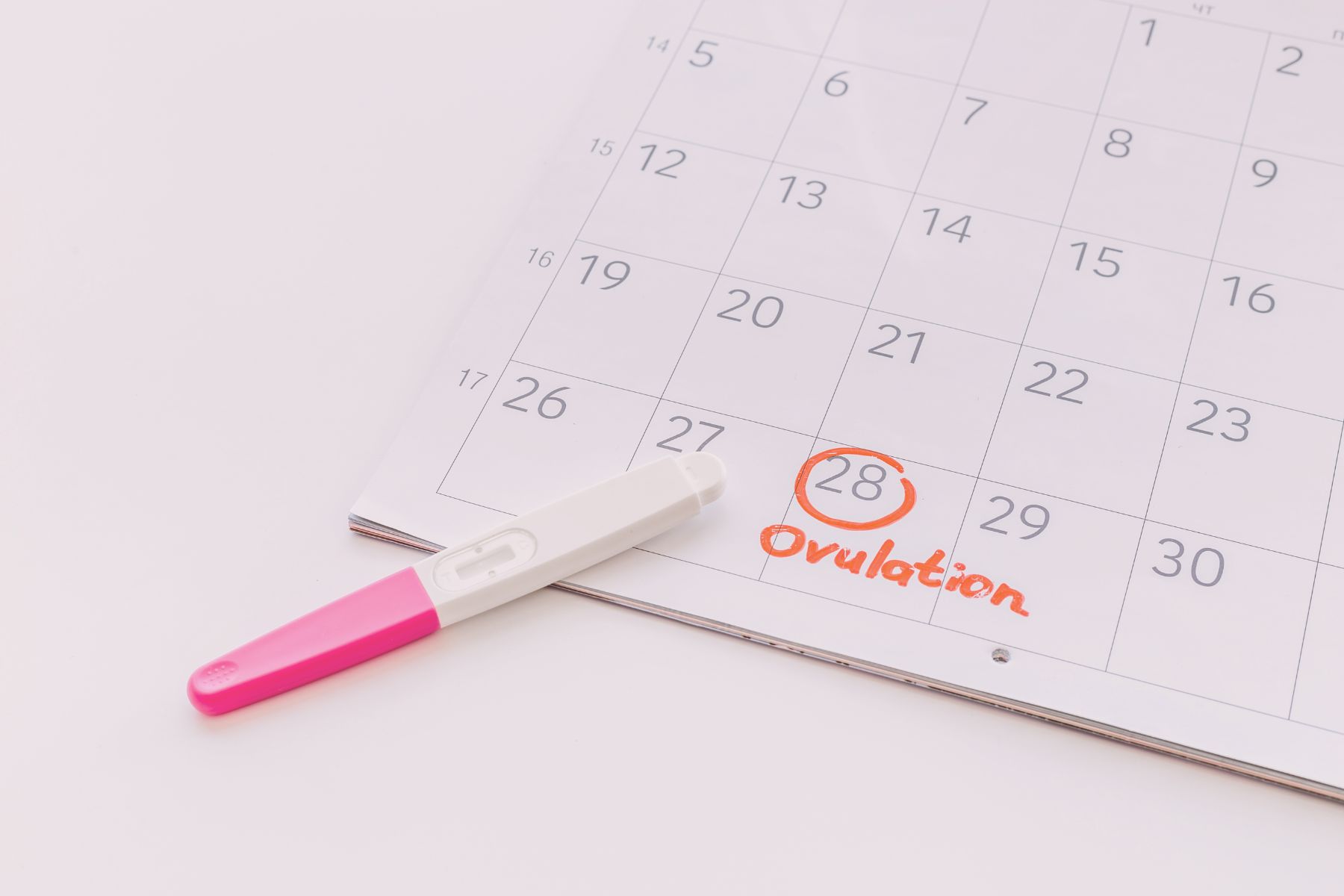
Why PCOS Requires a Different Fertility Approach
PCOS is not just a reproductive condition, it’s hormonal and metabolic.
So while ovulation is the obvious fertility focus, PCOS often involves:
insulin resistance
chronic inflammation
androgen excess
thyroid dysfunction tendencies
nutrient depletion
stress hormone dysregulation
All of these impact:
egg quality
ovulation consistency
implantation environment
miscarriage risk
pregnancy complications (like gestational diabetes and preeclampsia)
postpartum recovery and mood stability
So if the plan is only “make you ovulate,” you may be missing the bigger picture and in many cases, you’re setting yourself up to fight an uphill battle.
Preconception Care: What It Actually Means (And Why It Changes Everything)
Many women only have total testosterone checked. While this is important, it’s not enough.
Preconception care is about preparing your body before pregnancy so that:
your cycles regulate naturally
ovulation becomes consistent
your nutrient stores are strong
your metabolism is supported
inflammation is reduced
your hormones are working with you
you have physical resilience for pregnancy and postpartum
This isn’t about perfection. It’s about building a strong foundation
Because you’re not just trying to get pregnant. You’re trying to:
carry a pregnancy
nourish a growing baby
support your nervous system
prevent complications
recover postpartum
and still have energy left in your body
Why “Ovulation at Any Cost” Isn’t the Goal
Here’s something that rarely gets said, you can ovulate and still struggle with:
poor egg quality
inflammation affecting implantation
miscarriage risk
pregnancy complications
extreme depletion postpartum
So yes, we want ovulation.
But we want healthy ovulation, supported by a body that is not running on empty.
If you’ve ever thought:“I just need to get pregnant and then everything will be fine”I want to gently challenge that.
Pregnancy is not a replenishing state. It is demanding.
And postpartum is even more demanding.
If your body is already depleted, pregnancy and postpartum can amplify:
fatigue
brain fog
mood swings
blood sugar instability
thyroid dysfunction
nutrient depletion
anxiety and overwhelm
That’s why preconception care matters so much.
The PCOS Preconception Priorities I Focus On
This is the exact work I do with women who want to conceive, and it’s also the reason so many women feel calmer, more in control, and more hopeful once they stop guessing.
1) Improving ovulation naturally
Instead of forcing the body, we support the drivers that regulate ovulation, including:
insulin sensitivity
inflammation reduction
androgen balance
nervous system regulation
nutrient replenishment
When these shift, cycles often become more predictable and ovulation becomes more consistent.
2) Supporting insulin resistance and blood sugar
Insulin resistance is one of the biggest barriers in PCOS.
High insulin can disrupt:
ovulation
egg quality
implantation
pregnancy outcomes
That’s why stabilising blood sugar is one of the first areas I support with:
personalised nutrition
meal structure (especially breakfast)
balanced carbohydrates (not extreme restriction)
movement and strength training foundations
targeted supplements where appropriate
3) Increasing nutrient levels (because pregnancy will take from you)
This is one of the biggest missing pieces online.
So many women are already depleted — and they don’t realise it until pregnancy or postpartum hits.
Key nutrients I commonly assess and support:
iron and ferritin
vitamin D
B12 and folate
zinc
iodine and selenium (case dependent)
magnesium
I always say: You do not want to enter pregnancy in a deficit.
Because if your body doesn’t have what it needs, pregnancy will take it anyway.
4) Reducing inflammation
Inflammation impacts:
egg quality
implantation
miscarriage risk
pelvic health
insulin resistance
So inflammation support isn’t just about symptom management — it’s about improving fertility outcomes.
Support can include:
wholefood anti-inflammatory nutrition
gut health foundations
omega-3 strategies
liver support (hormone clearance)
reducing stress load
5) Supporting hormone balance and thyroid patterns
When preparing for pregnancy, we want:
healthy ovulation
adequate progesterone
stable thyroid function
balanced androgen levels
a supported stress response
This is not “take random supplements and hope for the best.” It’s targeted, strategic support.
6) Preparing your body for postpartum too
This is where I take a different approach to most fertility advice.
Because I’m not just thinking: “How do we get you pregnant?”
I’m thinking: “How do we get you pregnant and ensure you have the physical and emotional reserves to cope with pregnancy and postpartum?”
Postpartum depletion is real.
And if you’re already exhausted, depleted and dysregulated, you’re not starting motherhood on stable ground.
Preconception care is preventative care and it changes the entire experience.
This Is Where I Can Really Help
If you have PCOS and you’re trying to conceive, you don’t need more pressure.
You need:
a plan that makes sense for your body
testing to remove guesswork
nutrition that supports hormones and fertility
support that helps you feel safe, nourished and strong
a practitioner who actually looks deeper
This is exactly what I do.
And it’s why women often tell me they finally feel like someone is looking at the full picture, not just chasing ovulation.
Final Thoughts
PCOS fertility support should never be reduced to “just ovulate.”
Ovulation matters, but preconception care is the foundation that supports:
fertility outcomes
pregnancy health
miscarriage risk reduction
postpartum resilience
If you’re already depleted, your body will be fighting an uphill battle.
But with the right preparation and support, everything can shift, not only for conception, but for how you feel during and after pregnancy too.
Ready to feel better and stop guessing?
Book a FREE Naturopathic PCOS Assessment Call and we’ll map out what’s driving your cycle and fertility struggles, what testing and support should be prioritised, and how to improve ovulation naturally, build nutrient stores, reduce inflammation and prepare your body for pregnancy and postpartum.