



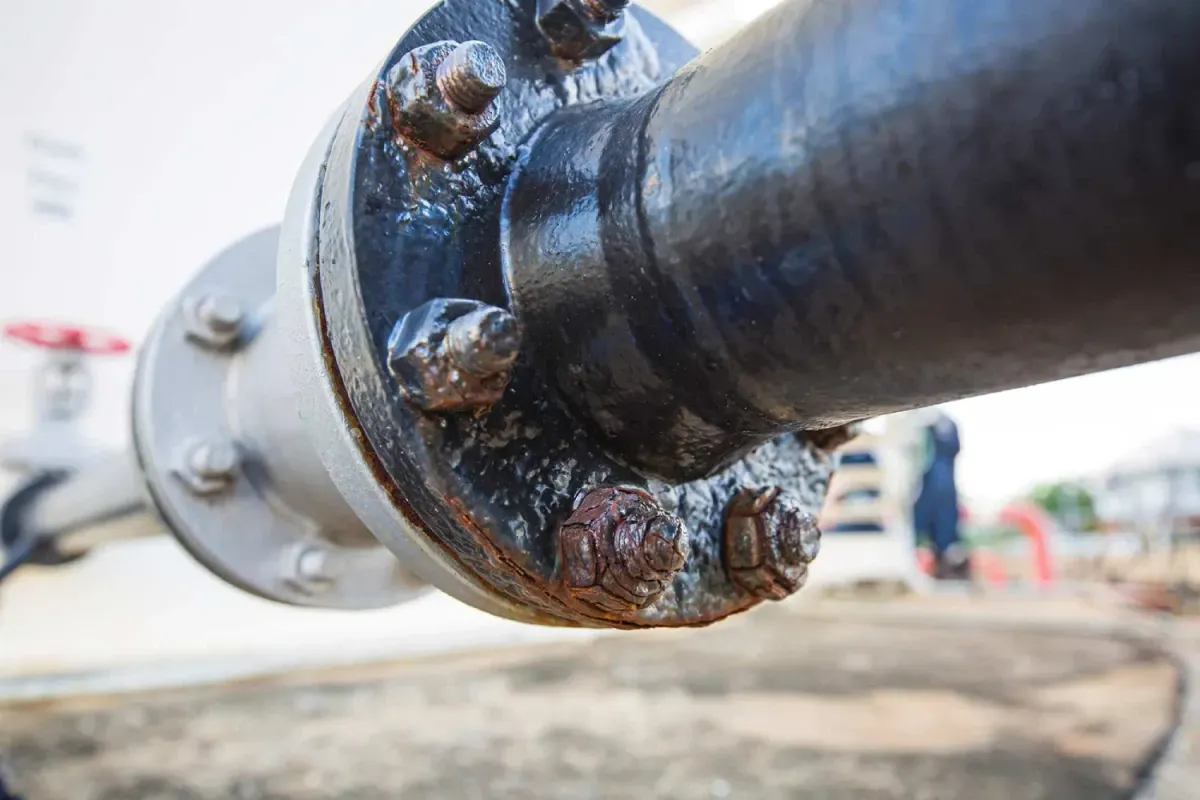
Flange Corrosion Protection Methods – Best Industrial Practices Explained
Corrosion is one of the most common causes of pipeline damage, especially at connection points. This is why flange corrosion protection is essential for maintaining system integrity and preventing costly failures in industrial operations.
Flange joints are highly exposed to environmental and operational stress, making them more vulnerable to deterioration. At Step-Ko Products, protection solutions are designed to reduce corrosion risks while supporting long-term durability across demanding pipeline systems.
Why Flange Corrosion Protection Is Critical for Pipeline Systems
Flange corrosion protection plays a key role in preserving the structural strength of pipeline connections. Without proper protection, flange joints can weaken over time due to exposure to moisture, chemicals, and temperature changes.
In industries where pipelines operate continuously, maintaining corrosion control is essential for both safety and efficiency.
How Cathodic Corrosion Protection Flange Systems Work
A cathodic corrosion protection flange system helps prevent corrosion by controlling electrical currents within a pipeline. It ensures that metal surfaces are protected from electrochemical reactions that cause deterioration.
By directing protective currents to specific areas, this method reduces the likelihood of corrosion forming at flange joints. It is widely used in oil and gas, water treatment, and chemical processing industries.
Key benefits include:
·Reduced corrosion at critical connection points
·Improved control over electrical current flow
·Extended service life of pipeline components
·Lower maintenance and repair costs
Solutions from Step-Ko Products are designed to support these outcomes in real-world industrial environments.
Understanding Industrial Flange Sealing Protection for Leak Prevention
Industrial flange sealing protection focuses on maintaining tight connections while preventing environmental exposure. Proper sealing ensures that flange joints remain secure and resistant to corrosion.
This method works alongside other protection strategies to create a complete defense system. By combining sealing and insulation, pipelines can maintain stable performance even under challenging conditions.
It also plays a role in preventing leaks, which can lead to further damage and operational disruption.
When to Apply Flange Corrosion Protection in Pipeline Systems
Knowing when to implement flange corrosion protection is essential for maintaining system performance. Protection methods should be applied in environments where pipelines are exposed to moisture, chemicals, or extreme temperatures.
Common applications include:
·Outdoor pipeline installations
·Coastal or high-humidity environments
·Industrial facilities with chemical exposure
Applying protection early helps prevent long-term damage and ensures consistent system reliability.
How Cathodic Corrosion Protection Flange Enhances Durability
A cathodic corrosion protection flange system enhances durability by reducing the rate of metal degradation. It provides a controlled approach to managing electrical activity within the pipeline.
Working with trusted providers like Step-Ko Products ensures that the right protection method is applied for each system.
Improving Industrial Flange Sealing Protection for Better Results
Improving industrial flange sealing protection involves selecting the right materials and ensuring proper installation. This helps maintain a strong seal while preventing environmental exposure.
A well-designed sealing system supports overall corrosion protection by reducing the chances of leaks and damage. It also contributes to system efficiency by maintaining stable operating conditions.
Stronger Pipeline Performance Starts with Smarter Protection
Preventing corrosion requires a combination of effective methods that address both environmental and operational challenges. The right approach ensures long-term reliability and reduces the risk of failure.
Step-Ko Products provides systems that support industrial flange sealing protection and long-term pipeline performance. With the right strategy, pipelines remain secure, efficient, and ready for continuous operation.
FAQs
1. What causes corrosion at flange connections?
Corrosion occurs due to exposure to moisture, chemicals, and electrical activity, which can weaken metal surfaces and lead to long-term damage.
2. How can corrosion be prevented in pipelines?
Using protective coatings, sealing systems, and electrical control methods helps reduce corrosion and maintain pipeline integrity.
3. Why are flange joints more vulnerable to damage?
Flange joints are exposed to environmental elements and stress, making them more susceptible to corrosion compared to other pipeline sections.
4. Can corrosion protection reduce maintenance costs?
Yes, effective protection minimizes damage and reduces the need for frequent repairs, lowering overall maintenance expenses.
5. How often should corrosion protection systems be inspected?
Regular inspections during maintenance schedules help ensure systems remain effective and identify potential issues before they escalate.