



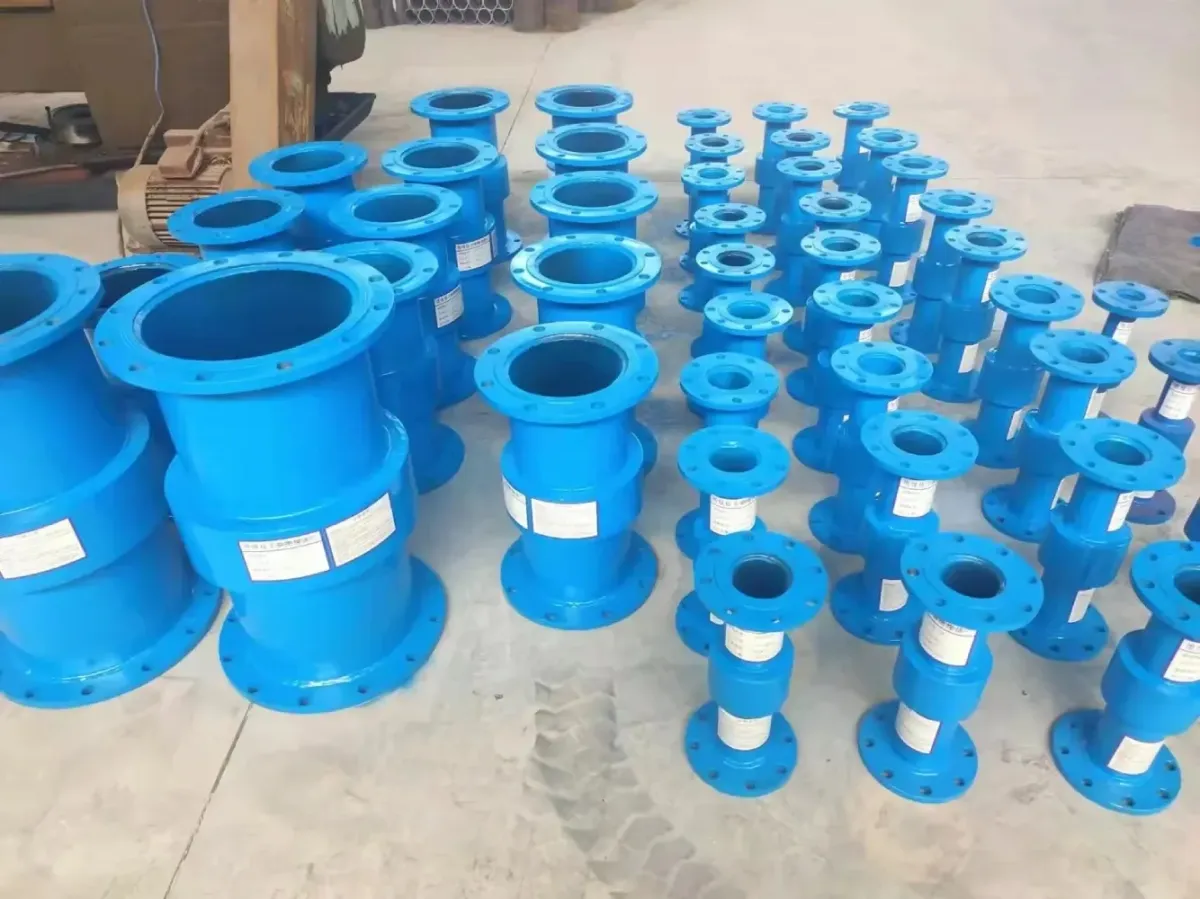
Monolithic Isolation Joints in Pipelines – Electrical Isolation and Corrosion Control
Pipeline systems require strong protection against electrical conductivity and corrosion, especially in high-risk environments. This is where monolithic isolation joints play a key role, offering a single-unit solution that ensures complete electrical separation and long-term durability.
Unlike traditional multi-component systems, these joints provide a compact and reliable option for maintaining system integrity. At Step-Ko Products, advanced solutions are designed to support industrial pipelines where performance and protection must remain consistent over time.
Why Monolithic Isolation Joints Are Critical for Pipeline Protection
Monolithic isolation joints are designed as a single, factory-assembled unit that provides both sealing and electrical isolation. This reduces the chances of installation errors and ensures consistent performance.
Key advantages include:
·Complete electrical isolation in one unit
·Reduced installation complexity
·Strong sealing performance under pressure
·Lower maintenance requirements
These benefits make them a dependable choice for long-term pipeline reliability.
How Pipeline Electrical Isolation Joint Improves System Efficiency
A pipeline electrical isolation joint helps control the flow of electrical currents within a pipeline system. Isolating sections ensures that protective systems function as intended without interference.
Where it adds value:
·Long-distance pipeline systems
·High-risk corrosion environments
·Pipelines with mixed materials
·Systems requiring controlled current flow
Solutions from Step-Ko Products are designed to meet these operational demands with consistent performance.
Understanding Cathodic Protection Isolation Joint in Corrosion Control
A cathodic protection isolation joint plays a central role in corrosion prevention by supporting the effectiveness of cathodic protection systems. It ensures that protective currents are directed to specific areas without loss.
This targeted approach helps reduce corrosion at critical points, especially at connections and transitions between pipeline sections.
Why it matters:
·Improves the efficiency of cathodic protection systems
·Reduces metal degradation over time
·Supports long-term pipeline stability
·Minimizes repair and replacement needs
By integrating isolation with corrosion control, pipelines can operate more reliably in demanding conditions.
When to Use Monolithic Isolation Joints in Pipeline Systems
Choosing the right time to install monolithic isolation joints is essential for preventing long-term issues. These joints are most effective in systems where electrical separation is required from the start.
Common applications include:
·Oil and gas transmission lines
·Chemical processing pipelines
·Water distribution systems
·Cross-country pipeline networks
Using them during initial design helps avoid future complications and ensures consistent protection.
How Pipeline Electrical Isolation Joint Supports System Stability
A pipeline electrical isolation joint contributes to overall system stability by maintaining controlled electrical flow. This prevents unwanted current paths that can weaken pipeline components.
Performance benefits:
·Maintains consistent protection levels
·Reduces risk of localized corrosion
·Supports balanced system operation
·Improves long-term reliability
Working with trusted providers like Step-Ko Products ensures proper selection and application.
Applying Cathodic Protection Isolation Joint for Long-Term Results
A cathodic protection isolation joint is essential in systems where corrosion control is a priority. It ensures that protective currents are applied efficiently without spreading to unintended areas.
These joints are widely used in high-risk environments where corrosion can develop quickly. Their design helps maintain performance even under extreme conditions.
Stronger Pipelines Start with Smarter Isolation Choices
Reliable pipeline performance depends on proper electrical isolation and corrosion control. Choosing the right components ensures long-term efficiency and reduces operational risks.
Step-Ko Products provides dependable solutions for industrial applications, including a cathodic protection isolation joint that supports effective corrosion control and system stability. With the right setup, pipelines remain protected, efficient, and ready for continuous operation.
FAQs
1. What is the purpose of isolation joints in pipelines?
Isolation joints prevent electrical conductivity between pipeline sections, helping control corrosion and maintain the effectiveness of protection systems.
2. How do isolation joints improve pipeline lifespan?
They reduce corrosion by controlling current flow, which helps extend the lifespan of pipeline components and reduces maintenance needs.
3. Are isolation joints suitable for all pipeline types?
They are commonly used in oil, gas, water, and chemical pipelines where electrical isolation and corrosion control are required.
4. What makes monolithic joints different from traditional systems?
They are single-unit assemblies that combine sealing and isolation, reducing installation complexity and improving reliability.
5. How often should isolation joints be inspected?
Regular inspections during maintenance schedules help ensure proper performance and identify any issues before they affect system operation.