
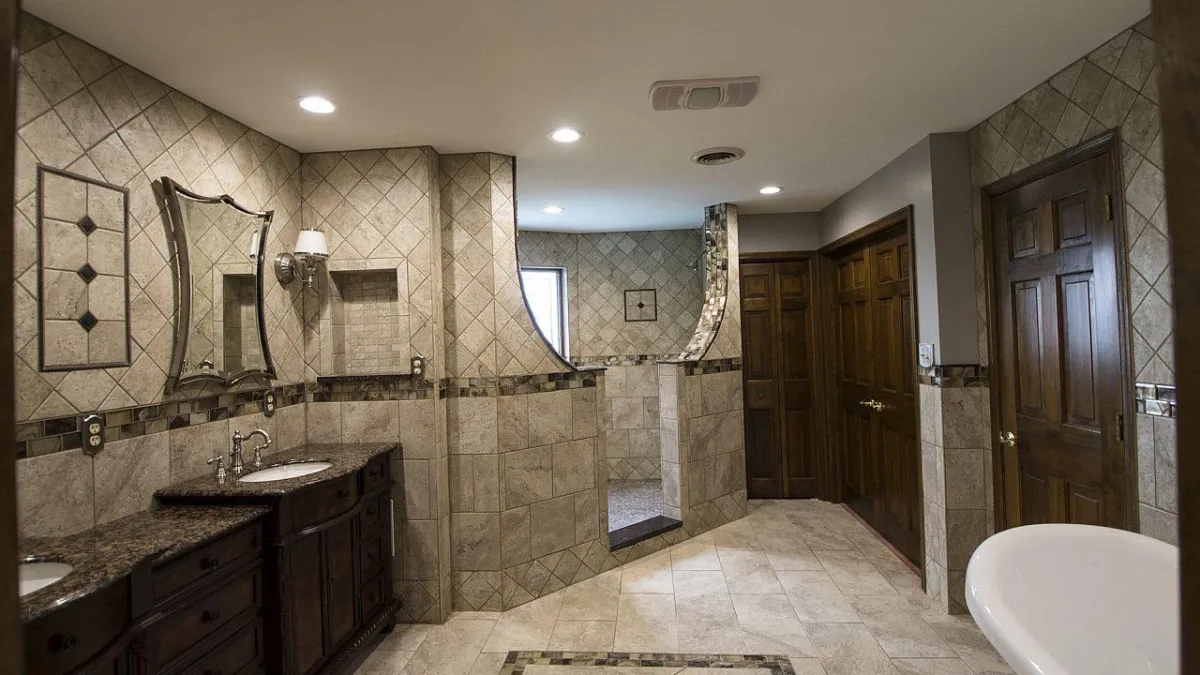
Ventilation Importance in Bathroom Renovations in Seattle WA and Surrounding Areas
Proper ventilation is one of the most essential elements in any bathroom renovation. Homeowners in Seattle and surrounding areas rely on effective ventilation systems to control moisture, prevent mold growth, and maintain indoor air quality. A well-designed ventilation plan ensures that bathrooms stay fresh, dry, and comfortable while supporting long-term durability and protecting the structural integrity of homes in the region’s damp climate.
Why Is Bathroom Ventilation So Important During Renovations?
Ventilation is crucial because bathrooms experience constant humidity, steam, and moisture from showers and baths. Without proper airflow, moisture can settle on walls, ceilings, and floors, leading to mold growth, peeling paint, and even long-term structural damage. In Seattle and nearby areas such as Bellevue, Shoreline, Kirkland, and Redmond, the naturally moist environment makes adequate ventilation even more important. Renovating with proper airflow systems protects indoor spaces and extends the lifespan of bathroom materials.
How Does Poor Ventilation Affect Indoor Air Quality?
Poor ventilation allows moisture, odors, and contaminants to linger in the air. Over time, this can cause musty smells, mildew, and reduced air quality that affects overall comfort. In homes across Seattle and surrounding towns, homeowners often face air quality issues resulting from outdated fans or insufficient airflow pathways. Renovating with upgraded ventilation systems reduces allergens, prevents mold spores from spreading, and creates a healthier home environment.
What Types of Ventilation Systems Are Common in Modern Bathrooms?
Most modern bathrooms use mechanical exhaust fans, humidity-sensing fans, or ducted ventilation systems. Exhaust fans pull moisture out of the air and direct it outdoors, while advanced humidity-sensing options automatically adjust airflow based on moisture levels. In Seattle homes, where rainfall and humidity are common, ducted systems are often preferred because they move moisture efficiently through vent pipes to prevent buildup inside the home.
How Do Exhaust Fans Help Manage Moisture Levels?
Exhaust fans are essential for moisture control because they quickly remove steam and humidity produced during showers or baths. Installing a properly sized, energy-efficient fan ensures that air circulates effectively throughout the bathroom. In Seattle and surrounding areas, homeowners often upgrade to higher-capacity fans during renovations to address the increased moisture challenges created by the region’s climate. A good exhaust fan also helps keep mirrors clear and surfaces dry.
Can Adding Ventilation Prevent Mold and Mildew Problems?
Yes, adequate ventilation is one of the best defenses against mold and mildew. Moisture trapped on surfaces or in corners becomes a breeding ground for mold colonies that can spread behind walls and under flooring. Renovations in Seattle frequently include ventilation upgrades specifically to reduce the risk of mold, which can cause health concerns and lead to expensive remediation. With increased airflow, moisture evaporates more quickly, keeping surfaces clean and dry.
How Does Ventilation Protect Bathroom Materials and Finishes?
Ventilation plays a major role in maintaining the quality and durability of bathroom features. Excess moisture can warp cabinets, damage grout, cause paint to bubble, and weaken structural materials. Homeowners in Seattle and nearby communities often choose moisture-resistant finishes, but even these require proper ventilation to maintain long-term performance. Ventilation helps preserve tile work, wood cabinetry, flooring, and fixtures by preventing moisture damage over time.
Is Natural Ventilation Enough for Seattle Bathrooms?
While windows can help improve airflow, natural ventilation is rarely enough to manage moisture in Seattle’s damp climate. Rain, cold weather, and seasonal humidity often limit the ability to open windows regularly. Mechanical ventilation systems offer consistent, reliable moisture control, making them essential for bathroom renovations in Seattle and surrounding areas where outdoor conditions can vary significantly throughout the year.
How Does Ventilation Improve Energy Efficiency?
Modern ventilation systems often include energy-efficient motors, humidity sensors, and programmable timers. These features help manage energy use by running only when needed. In Seattle and nearby regions, many homeowners upgrade to ENERGY STAR–rated fans during renovations to reduce long-term utility costs while still maintaining excellent moisture control. Efficient airflow also reduces strain on heating systems by preventing moisture buildup that affects indoor temperatures.
Where Should Ventilation Systems Be Installed for Maximum Effectiveness?
Ventilation works best when installed near the main moisture sources, such as showers, tubs, or adjacent ceilings. During renovations, contractors often evaluate airflow patterns to determine the best placement for fans or ducts. In Seattle-area homes with larger or multi-section bathrooms, multiple fans may be recommended to provide balanced airflow. Proper installation ensures that moisture is removed quickly and does not circulate to other parts of the home.
Final Thoughts
Ventilation is a critical component of any bathroom renovation, especially in Seattle and the surrounding areas where moisture and humidity are part of daily life. A well-designed ventilation system improves indoor air quality, protects materials, and prevents mold growth, making your renovation more durable and comfortable. By combining the right fan capacity, smart features, and strategic placement, homeowners can create a healthier and longer-lasting bathroom environment that functions beautifully year-round.
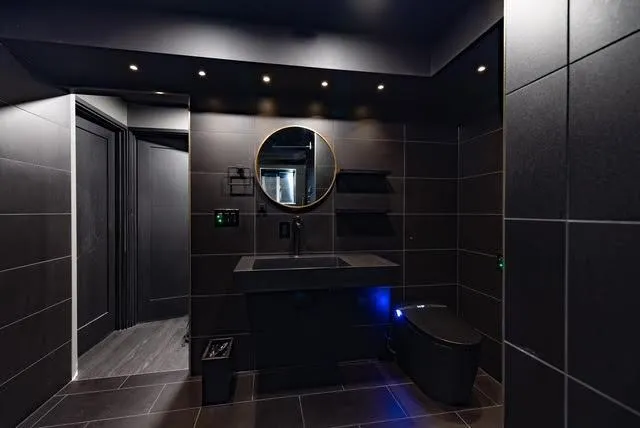
How often should bathroom exhaust fans be replaced?
Most fans last around 10–15 years, but upgrades may be needed sooner if airflow is weak or moisture issues appear.
Can I install a ventilation fan without ductwork?
No, bathroom fans must be vented outdoors to avoid circulating moisture into walls or attics.
Are humidity-sensing fans worth it?
Yes, they automatically activate when moisture levels rise, offering convenience and effective moisture control.
How can I tell if my bathroom has poor ventilation?
Signs include lingering odors, foggy mirrors, peeling paint, mold spots, and damp surfaces that do not dry quickly.
Do larger bathrooms need more than one fan?
Yes, bigger spaces or multi-zone layouts often require multiple ventilation points to maintain proper airflow.