
The Dog Procedure Lies
Most dog parents believe they are doing the right thing.
They trust the professionals.
They follow the recommendations.
They consent to procedures because they are told it is responsible, normal, and necessary.
But what happens when those recommendations are built on tradition instead of biology.
What happens when risks are minimized. What happens when questioning is discouraged.
This page exists because we refuse blind compliance.
We choose education. We choose discernment. We choose to protect the integrity of the dog as nature designed.
Microchipping, desexing, ear cropping, and dewclaw removal are presented as routine.
We believe routine does not equal harmless.
Here you will find the reasoning behind our choices and the information every dog parent
deserves before making irreversible decisions.
Ear Cropping
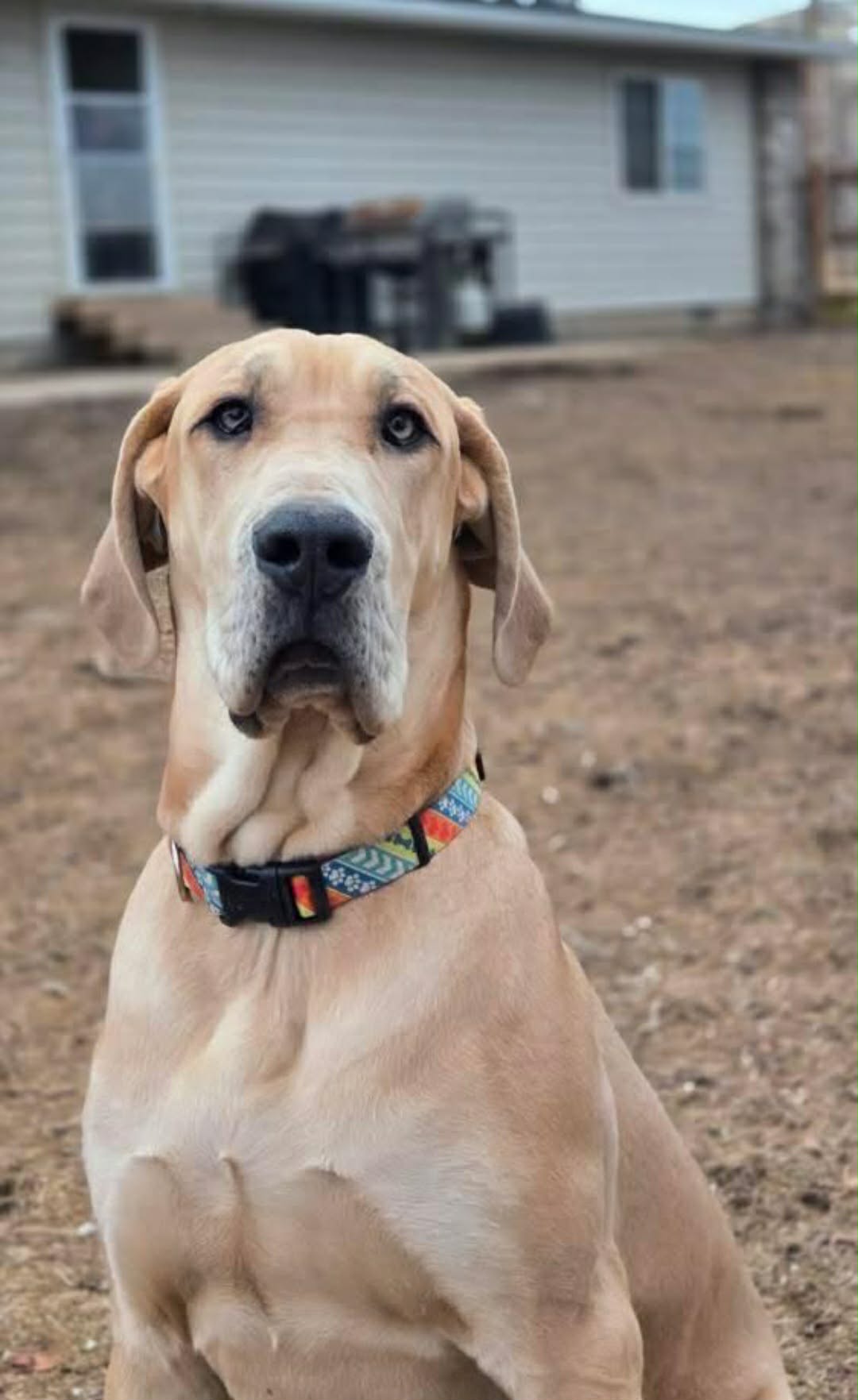
1. 🧬 What Is Ear Cropping?
This procedure involves surgically removing part or all of a dog’s outer ear (pinna), often under general anesthesia, and taping splints to encourage upright positioning. It’s typically done at 6–12 weeks of age in the Great Dane Breed.
2. ⚠️ Risks & Complications
Pain & infection: Procedure is painful, even with anesthesia, and has risks of bleeding, infection, and scarring.
Behavioural impacts: Improper timing can affect emotional and pain development, harming communication ability.
Communication loss: Cropped ears limit expression cues, leading to misunderstandings in social interactions.
Long-term effects: Dogs may experience phantom pain, sensitivity to wind or cold, and altered ear canal exposure.
3.🏛️ Ethical & Legal Landscape
Major veterinary associations, including AVMA, AAHA, and CVMA, oppose cosmetic ear cropping. It is banned across Europe, parts of Canada, Australia, and was banned from the UK show ring over a century ago. In the U.S., it remains legal and permitted under AKC standards.
4.🩺 Veterinary Guidance & Owner Responsibilities
Only medically justified procedures: Cropping should be reserved for corrective surgery (e.g., severe ear hematomas).
Vet oversight essential: If performed, it must be done by a licensed vet with pain relief, sterility, and aftercare planning.
Education & consent: Owners must be informed of the lack of benefit and the risks involved.
5.💬 Communication & Behavior Considerations
Cropped ears may reduce dogs’ ability to signal, like expressing fear, excitement, or submission, leading to confusion and possible conflicts. Careful social exposure and positive reinforcement can help mitigate stress.
Declaw Removal
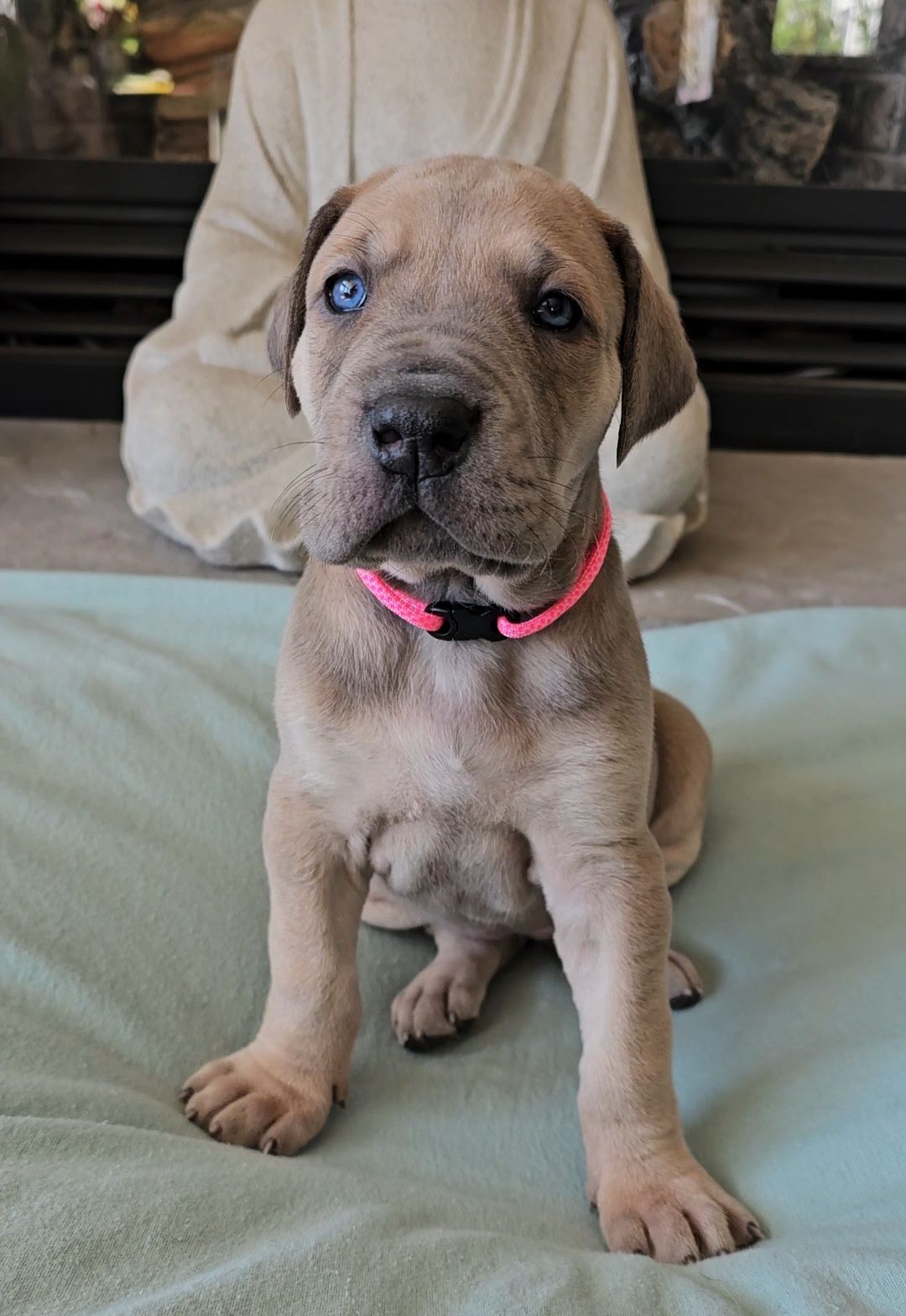
If you’re buying from a breeder who cuts off a perfectly healthy body part just because it’s “easier” for them, run fast!
The dewclaw isn’t useless.
It’s not “extra.”
It’s functional, connected by tendons, muscles, and nerves.
It helps stabilize the wrist, grip terrain, and even aids in self grooming and chewing.
When you rip it off a days old puppy, you’re not doing them a favor, you’re permanently altering their structure, their balance, and in many cases, their future joint health.
All for aesthetics.
All for tradition.
That’s not ethical breeding. That’s mutilation.
If a breeder tells you “the vet said they don’t need them”, ask yourself......
Is this someone who deeply understands functional canine anatomy?
Or someone who follows outdated vet school protocol that’s decades behind species appropriate care?
Breeders who claim to be “health-focused” but still chop dewclaws are exposing their priorities loud and clear.
They don’t get it.
They don’t want to.
And they sure as hell don’t deserve your trust.
Dogs aren’t décor.
They’re living, breathing animals built by nature with intention.
Stop normalizing amputation for convenience.
If you want a healthy dog, start by supporting breeders who treat them like the sentient beings they are.
Microchip
At Little Rogue Danes, we stand for true wellness, responsible breeding, and natural rearing, instead of microchips, government databases, or outdated compliance programs. Those are prohibited in the Natural Rearing Breeder Standard of Wellness.
Beware of Natural Rearing Breeders if their Females or Males are Microchipped.
Why Little Rogue Danes Avoid Microchip/Tattoo or Participate in OFA’s CHIC Program
At Little Rogue Danes, we prioritize real health, not compliance with outdated tracking systems. That’s why refrain from microchip our dogs and avoid participating in OFA’s CHIC (Canine Health Information Center) program, because wellness should come before unnecessary bureaucracy.
The CHIC program is marketed as a way to compile health data for dogs, often linked to their microchip numbers
for easier tracking. But here’s the truth:
🚨 Is it necessary? A CHIC number does NOT mean a dog is healthier. It simply means the dog’s health tests have been submitted to a database. We already test our dogs thoroughly, and their OFA records can be reviewed directly without forcing them into a tracking system or tattoo mark.
🚨 CHIC relies on microchipping, which we oppose. Many CHIC certifications link to microchip numbers. We refuse to implant cancer linked foreign objects into our dogs just to fit into a system that attempts to define health.
🚨 Public OFA Records Are Enough, Our dogs’ health records are already available on OFA’s website for anyone who wants to review them. There’s no need to submit them to CHIC, which adds nothing to a dog’s actual wellness.
The Flaws of Microchipping: Why We Refuse to Use It
Microchipping is NOT a nationwide or statewide tracking system. The idea that they provide a reliable way to find lost dogs is false.
🔴 No Universal Database, There isn’t one central system for microchips, instead multiple private companies maintain separate databases. If a lost dog isn’t registered with the right one, it may never be identified.
🔴 Microchips Can Fail or Migrate , Chips can die, stop responding, or move to other areas in the body, making them difficult (or impossible) to scan. Some have even migrated near joints, nerves, and vital organs, causing pain and inflammation.
🔴 Cancer Risks Are Real – Studies have linked microchips to tumor formation. Chronic inflammation from a foreign object under the skin is a known precursor to cancer, something we refuse to risk with our dogs.
🔴 EMF Exposure – Scanners use electromagnetic fields (EMF) to detect chips. While marketed as harmless, EMF radiation exposure has been linked to cancer, nervous system damage, and hormone disruption in both humans and animals.
Spaying/Neutering
Spaying and neutering are often presented as routine procedures,
but for giant breeds like Great Danes, timing, necessity, and method matter deeply.
Sex and growth hormones play a critical role in proper bone development, joint stability, muscle growth,
metabolism, immune function, and nervous system maturity.
When a dog is altered too early, those hormones are removed before the body has finished developing.
Studies have linked early spay and neuter in large and giant breeds to increased risks of orthopedic issues such
as hip and elbow dysplasia, cruciate ligament injuries, abnormal growth patterns,
and certain cancers including osteosarcoma and hemangiosarcoma.
For any family considering desexing, we strongly encourage waiting until the dog is fully mature,
typically between 2 and 3 years of age. Allowing the body to complete its natural development
gives Great Danes the best chance at sound structure, long term joint health, and overall resilience.
Hormones also influence emotional regulation and behavior.
Early alteration has been associated in some dogs with increased anxiety, fearfulness, reactivity, and difficulty managing stress.
In addition, spayed and neutered dogs are more prone to weight gain, which places added
strain on joints and can shorten lifespan in a giant breed.
It is also important to understand that anesthesia carries additional risk for Great Danes
due to their size, metabolism, and cardiovascular sensitivity.
Any elective surgery should be approached carefully and performed only with a veterinarian experienced in giant breeds.
Spaying vs. Sparing Spay (Ovary Sparing Spay)
If a family does choose to spay, we encourage learning about ovary sparing spay (OSS)
as an alternative to traditional spaying.
A traditional spay removes both the uterus and ovaries, eliminating the dog’s natural hormones entirely.
An ovary sparing spay removes the uterus while leaving the ovaries intact, preventing pregnancy
while preserving the hormones the body depends on.
Preserving the ovaries can support:
Healthier bone and joint development
Lower risk of orthopedic issues in large and giant breeds
Better metabolic regulation and reduced obesity risk
Support for emotional stability and nervous system balance
More natural physical development and maturity
Our belief is simple.
If sterilization is chosen, preserve the biology whenever possible.
There are medical situations where full spay or neuter is necessary and lifesaving.
However, we believe these decisions should be informed, individualized,
and based on the dog’s health, maturity, and circumstances rather than automatic protocols.
At Little Rogue Danes, we encourage education, critical thinking, and breed specific care
that prioritizes long term health, structure, stability, and quality of life.


Corey and Lorina Gardner
Call or Text 208-300-0805
Contact Us
208-300-0805
Albion Idaho
Join Our Facebook Group
Little Rogue Danes Copyright © 2025. All rights reserved.