
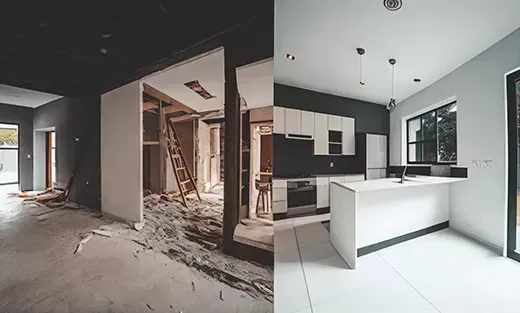
Renovation Building Codes in Louisville and Surrounding Areas
Homeowners in Louisville and nearby towns such as New Albany, Georgetown, Greenville, and Galena often have questions about building codes when planning renovations. Understanding these regulations is key to ensuring safety, compliance, and a smooth permitting process. Below are the most common questions homeowners ask about renovation building codes in Louisville and surrounding areas.
Why Are Building Codes Important in New Albany and Nearby Areas?
In Louisville, New Albany, Georgetown, Greenville, and Galena, building codes play a vital role in keeping homes safe and communities strong. They are designed to ensure that renovations meet structural safety standards, reduce the risk of fire, flooding, or electrical hazards, and maintain the appearance and quality of neighborhoods. They also protect your investment by helping improve long-term property value. Skipping or ignoring these codes can result in failed inspections, costly rework, and even legal trouble that delays your project and adds to your expenses.
What Permits Are Required for Renovations in Louisville?
Most renovation projects in Louisville require permits to make sure the work is done correctly and safely. Building permits are typically needed for major structural changes, while electrical permits are required when updating wiring. Plumbing permits are necessary if you are modifying water or sewer lines, and mechanical permits cover HVAC installations or replacements. If your project involves minor cosmetic work such as painting or laying new flooring, a permit is usually not required, but it is always a good idea to check with the Louisville Building Department to confirm before beginning your project.
How Do Inspections Work in Georgetown, Greenville, and Surrounding Areas?
Once you have obtained the necessary permits, inspections must be scheduled at key stages of your renovation. These inspections take place after major steps such as framing, electrical, plumbing, and insulation are completed, and before walls or ceilings are closed. A final inspection is also required at the end of the project to confirm that all work complies with state and local codes. These inspections are designed to catch potential problems early, ensure the safety of your home, and prevent expensive issues in the future.
Are There Special Rules for Historic Homes in Louisville?
Yes, there are additional guidelines for historic homes in Louisville, especially those located in New Albany’s designated historic districts. Homeowners may need approval before making exterior changes visible from the street, and in many cases must use historically accurate materials and techniques to preserve the architectural character of the property. While this may take more time and planning, it protects the charm of the neighborhood and may qualify you for historic tax credits, which can help offset renovation costs.
How Do Energy Codes Impact Renovations in Galena and Greenville?
Louisville enforces energy codes that can affect your renovation plans. These requirements often include proper insulation, air sealing, and the installation of energy-efficient windows, doors, and HVAC systems. Following these standards not only ensures compliance but also reduces energy consumption, increases comfort, and helps lower monthly utility bills.
Who Enforces Building Codes in Louisville?
The Louisville Building Department is responsible for reviewing renovation plans, issuing permits, and carrying out inspections to make sure all work complies with building codes. Working with a licensed contractor who understands these local regulations can save you time, reduce stress, and help you avoid costly project delays.
What Are the Penalties for Non-Compliance in New Albany and Surrounding Areas?
Failing to follow building codes or obtain the necessary permits can lead to serious consequences. The city may issue stop-work orders that halt your project, fines or penalties that increase costs, and even create complications when selling your home if unpermitted work is discovered. More importantly, skipping proper procedures can result in unsafe conditions that put your household at risk.
Final Thoughts
From New Albany and Georgetown to Greenville, Galena, and surrounding Louisville areas, understanding and following building codes is essential for any renovation project. By securing the right permits, scheduling inspections, and working with experienced professionals, you can ensure your renovation is safe, legal, and built to last.
Do I need a permit to remodel my kitchen in Louisville?
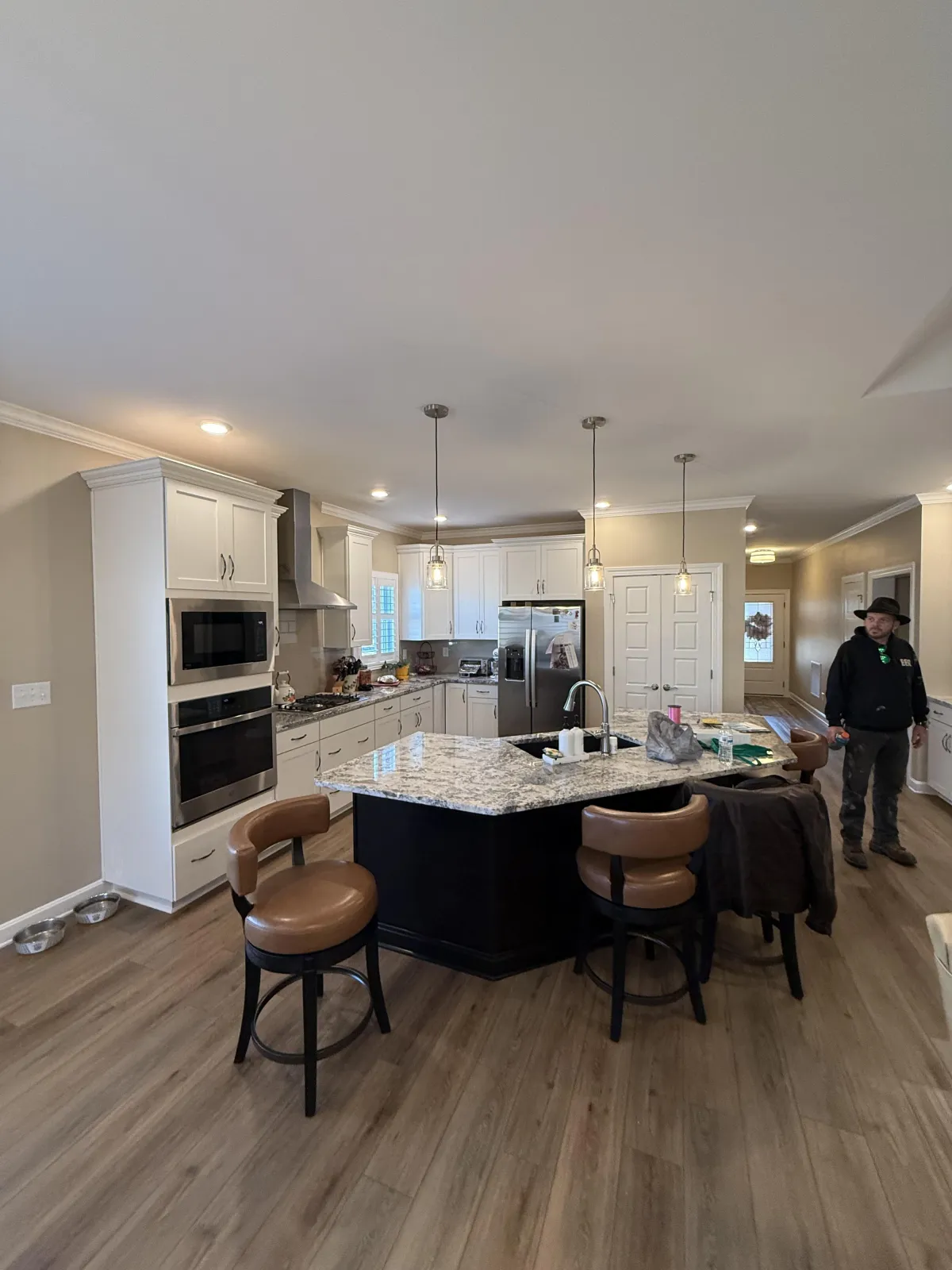
Yes, most kitchen remodels require permits, especially if you are changing plumbing, electrical, or structural elements. Cosmetic updates like painting or new cabinets may not need a permit.
How long does it take to get a building permit in Louisville?
Permit approval times vary depending on the project size and complexity. Small projects may take a few days, while larger renovations could take several weeks. Contact the Louisville Building Department for specific timelines.
Can I perform renovations myself, or do I need a licensed contractor?
Homeowners can do some renovations themselves, but projects involving electrical, plumbing, or structural work generally require a licensed contractor to ensure code compliance.
Are there special building codes for flood-prone areas in Louisville?
Yes, properties in flood zones must follow additional regulations, including elevation requirements and flood-resistant construction standards to reduce damage risk.
How do I schedule inspections for my renovation project in Louisville?
After obtaining permits, inspections can be scheduled through the Louisville Building Department online or by phone. Inspections are typically required at key milestones, such as framing, electrical, plumbing, and final completion.
Contact US
Terms & Conditions
Privacy Policy