

Homeowner Information
Lead Poisoning
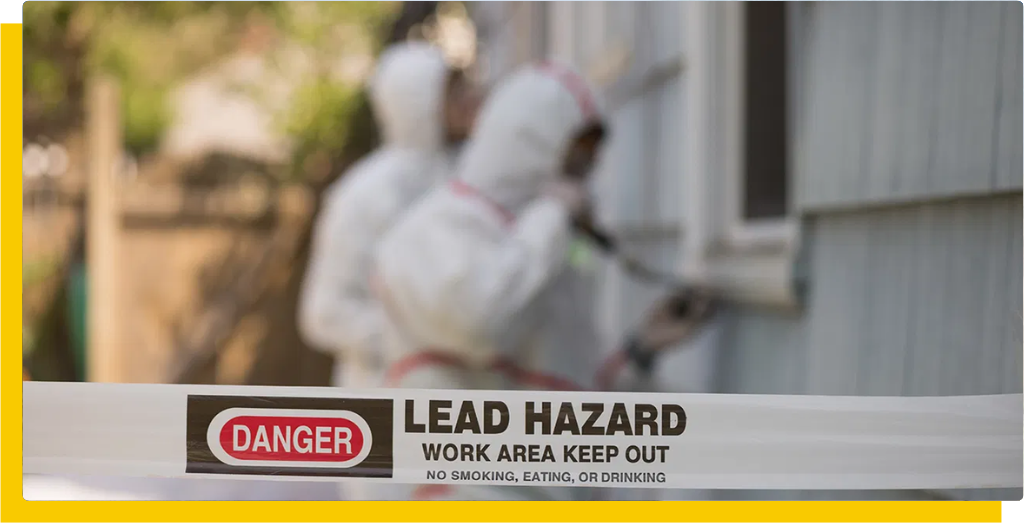
Lead poisoning is especially a problem in cities with older buildings. Typically, lead is present in the paint from older buildings, in the water supply, and in the environment from cars and buses. Preventing lead poisoning in large cities, where there is such widespread possibility for exposure is both difficult and expensive. Federal programs have attempted to address this problem.
Lead poisoning is also an issue that buyers and sellers need to consider.
Houses that were built before 1978 probably have paint that contains lead. Federal law requires that sellers disclose known information on lead-based paint hazards before selling a house. Sales contracts must include a federal form about lead-based paint in the building. Buyers will have up to 10 days to check for lead hazards and are likely to stipulate corrections.
Lead Poisoning
Lead poisoning is especially a problem in cities with older buildings. Typically, lead is present in the paint from older buildings, in the water supply, and in the environment from cars and buses. Preventing lead poisoning in large cities, where there is such widespread possibility for exposure is both difficult and expensive. Federal programs have attempted to address this problem.
Lead poisoning is also an issue that buyers and sellers need to consider.
Houses that were built before 1978 probably have paint that contains lead. Federal law requires that sellers disclose known information on lead-based paint hazards before selling a house. Sales contracts must include a federal form about lead-based paint in the building. Buyers will have up to 10 days to check for lead hazards and are likely to stipulate corrections.
Underground Heating Oil Tanks
Underground heating oil tanks can pose many potential problems to both home buyers and sellers. They have been the source of many environmental problems such as contamination of surrounding soil and ground water.
Leaks are generally caused by the rust inside underground tanks or by an electrical condition sparked by electric utility lines.
Buyers should always have the tank inspected to make sure that it is structurally sound. Buyers who do not want an underground fuel tank can arrange for an above ground tank to be installed in the basement and the underground tank to be shut off. Cleanup of any leaks will also have to be taken care of.
For buyers, the underground heating oil tank should be written in the sales contract. For sellers, your lawyer should make sure that the description and condition of the underground heating oil tank is accurate and up-to-date.
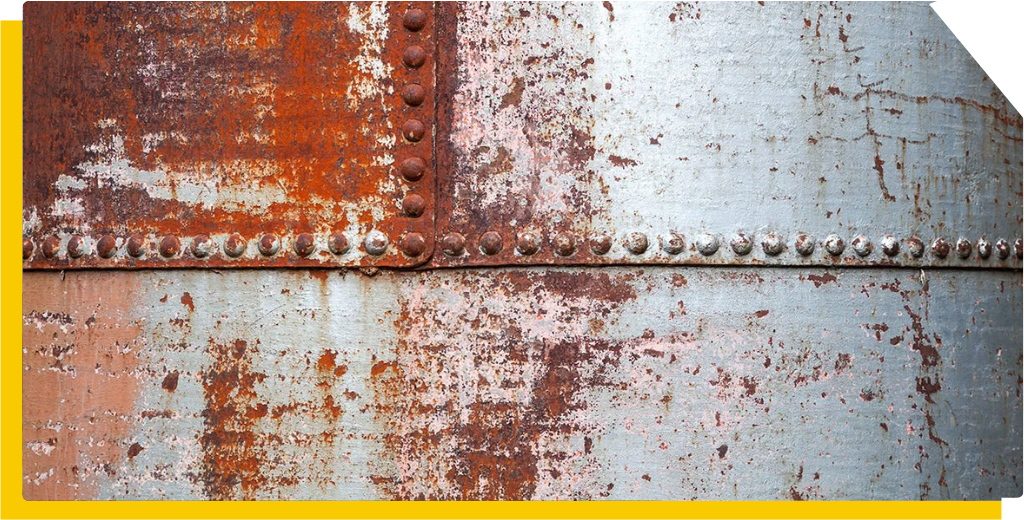
Underground heating oil tanks can pose many potential problems to both home buyers and sellers. They have been the source of many environmental problems such as contamination of surrounding soil and ground water.
Leaks are generally caused by the rust inside underground tanks or by an electrical condition sparked by electric utility lines.
Buyers should always have the tank inspected to make sure that it is structurally sound. Buyers who do not want an underground fuel tank can arrange for an above ground tank to be installed in the basement and the underground tank to be shut off. Cleanup of any leaks will also have to be taken care of.
For buyers, the underground heating oil tank should be written in the sales contract. For sellers, your lawyer should make sure that the description and condition of the underground heating oil tank is accurate and up-to-date.
Living Trusts

Estate planners often recommend Living Trusts as a viable option when contemplating the manner in which to hold title to real property. When a property is held in a Living Trust, title companies have particular requirements to facilitate the transaction. While not comprehensive, answers to many commonly asked questions are below. If you have questions that are not answered below, your title company representative may be able to assist you, however, one may wish to seek legal counsel. Who are the parties to a Trust? A Family Trust is a typical trust in which the Husband and Wife are the Trustees and their children are the Beneficiaries. Those who establish the trust and transfer their property into it are known as Trustors or Settlors. The settlors usually appoint themselves as Trustees and they are the primary beneficiaries during their lifetime. After their passing, their children and grandchildren usually become the primary beneficiaries if the trust is to survive, or the beneficiaries receive distributions directly from the trust if it is to close out.
Living Trusts
Estate planners often recommend Living Trusts as a viable option when contemplating the manner in which to hold title to real property. When a property is held in a Living Trust, title companies have particular requirements to facilitate the transaction. While not comprehensive, answers to many commonly asked questions are below. If you have questions that are not answered below, your title company representative may be able to assist you, however, one may wish to seek legal counsel. Who are the parties to a Trust? A Family Trust is a typical trust in which the Husband and Wife are the Trustees and their children are the Beneficiaries. Those who establish the trust and transfer their property into it are known as Trustors or Settlors. The settlors usually appoint themselves as Trustees and they are the primary beneficiaries during their lifetime. After their passing, their children and grandchildren usually become the primary beneficiaries if the trust is to survive, or the beneficiaries receive distributions directly from the trust if it is to close out.
Environmental Issues
When purchasing a piece of property, it is important to be aware of any environmental liabilities associated with it. For example, you should find out if there are any registered underground tanks within several miles of the property, known contaminated properties in the neighborhood, or property owners who have been fined by the government for failing to meet environmental safety standards.
Before, it took a costly site investigation to acquire this type of information, but now there are online environmental databases available at a fraction of the cost. Anyone can access reports on otherwise hard to detect environmental issues. With these databases, it is possible to obtain a list of hazards near a property, or spills and violations attributed to businesses nearby.

Environmental Issues
When purchasing a piece of property, it is important to be aware of any environmental liabilities associated with it. For example, you should find out if there are any registered underground tanks within several miles of the property, known contaminated properties in the neighborhood, or property owners who have been fined by the government for failing to meet environmental safety standards.
Before, it took a costly site investigation to acquire this type of information, but now there are online environmental databases available at a fraction of the cost. Anyone can access reports on otherwise hard to detect environmental issues. With these databases, it is possible to obtain a list of hazards near a property, or spills and violations attributed to businesses nearby.
Condominium and PUD Ownership

Builders, in an effort to combat the dual problem of an increasing population and a declining availability of prime land, are increasingly turning to common interest developments (CIDs) as a means to maximize land use and offer homebuyers convenient, affordable housing. The essential characteristics shared by these two forms of ownership are:
Common ownership of private residential property
Mandatory membership of all owners in an association which controls use of the common property
Governing documents which establish the procedures for governing the association, the rules which the owners must follow in the use of their individual lots or units as well as the common properties
A means by which owners are assessed to finance the operation of the association and maintenance of the common properties
Condominium and PUD Ownership
Builders, in an effort to combat the dual problem of an increasing population and a declining availability of prime land, are increasingly turning to common interest developments (CIDs) as a means to maximize land use and offer homebuyers convenient, affordable housing. The essential characteristics shared by these two forms of ownership are:
Common ownership of private residential property
Mandatory membership of all owners in an association which controls use of the common property
Governing documents which establish the procedures for governing the association, the rules which the owners must follow in the use of their individual lots or units as well as the common properties
A means by which owners are assessed to finance the operation of the association and maintenance of the common properties
Mechanic's Liens
The Mechanics’ Lien law provides special protection to contractors, subcontractors, laborers and suppliers who furnish labor or materials to repair, remodel or build your home.
If any of these people are not paid for the services or materials they have provided, your home may be subject to a mechanics’ lien and eventual sale in a legal proceeding to enforce the lien. This result can occur even when the homeowner has made full payment for the work of improvement.
The mechanics’ lien is a right that a state gives to workers and suppliers to record a lien and ensure payment. This lien may be recorded where the property owner has paid the contractor in full and the contractor then fails to pay the subcontractors, suppliers, or laborers. Thus, in the worst case, a homeowner may actually end up paying twice for the same work.

Mechanic's Liens
The Mechanics’ Lien law provides special protection to contractors, subcontractors, laborers and suppliers who furnish labor or materials to repair, remodel or build your home.
If any of these people are not paid for the services or materials they have provided, your home may be subject to a mechanics’ lien and eventual sale in a legal proceeding to enforce the lien. This result can occur even when the homeowner has made full payment for the work of improvement.
The mechanics’ lien is a right that a state gives to workers and suppliers to record a lien and ensure payment. This lien may be recorded where the property owner has paid the contractor in full and the contractor then fails to pay the subcontractors, suppliers, or laborers. Thus, in the worst case, a homeowner may actually end up paying twice for the same work.
Mello-Roos

In purchasing your new home, your future monthly payments will be made up of principal, interest, real property taxes, and insurance. But what is the tax for the Community Facilities District, otherwise known as a Mello-Roos District? The Land Title Association (LTA) has answered some of the most commonly asked questions about the Mello-Roos Community Facilities Act.
What is a Mello-Roos District?
A Mello-Roos District is an area where a special tax is imposed on those real property owners within a Community Facilities District. This district has chosen to seek public financing through the sale of bonds for the purpose of financing certain public improvements and services. These services may include streets, water, sewage and drainage, electricity, infrastructure, schools, parks and police protection to newly developing areas. The tax you pay is used to make the payments of principal and interest on the bonds.
Mello-Roos
In purchasing your new home, your future monthly payments will be made up of principal, interest, real property taxes, and insurance. But what is the tax for the Community Facilities District, otherwise known as a Mello-Roos District? The Land Title Association (LTA) has answered some of the most commonly asked questions about the Mello-Roos Community Facilities Act.
What is a Mello-Roos District?
A Mello-Roos District is an area where a special tax is imposed on those real property owners within a Community Facilities District. This district has chosen to seek public financing through the sale of bonds for the purpose of financing certain public improvements and services. These services may include streets, water, sewage and drainage, electricity, infrastructure, schools, parks and police protection to newly developing areas. The tax you pay is used to make the payments of principal and interest on the bonds.
Common Ways of Holding Title
How Should I Take Ownership of the Property I am Buying?
Real property can be incredibly valuable and the question of how parties can take ownership of their property is important. The form of ownership taken -- the vesting of title -- will determine who may sign various documents involving the property and future rights of the parties to the transaction. These rights involve such matters as: real property taxes, income taxes, inheritance and gift taxes, transferability of title and exposure to creditor’s claims. Also, how title is vested can have significant probate implications in the event of death.
The Land Title Association (LTA) advises those purchasing real property to give careful consideration to the manner in which title will be held. Buyers may wish to consult legal counsel to determine the most advantageous form of ownership for their particular situation, especially in cases of multiple owners of a single property.

01.
SOLE OWNERSHIP
Sole ownership may be described as ownership by an individual or other entity capable of acquiring title. Examples of common vesting in cases of sole ownership are:
A Single Man/Woman: A man or woman who has not been legally married. For example: Bruce Buyer, a single man.
An Unmarried Man/Woman: A man or woman who was previously married and is now legally divorced. For example: Sally Seller, an unmarried woman.
A Married Man/Woman as His/Her Sole and Separate Property: A married man or woman who wishes to acquire title in his or her name alone.
The title company insuring title will require the spouse of the married man or woman acquiring title to specifically disclaim or relinquish his or her right, title and interest to the property. This establishes that it is the desire of both spouses that title to the property be granted to one spouse as that spouse’s sole and separate property. For example: Bruce Buyer, a married man, as his sole and separate property.
02.
CO-OWNERSHIP
Title to property owned by two or more persons may be vested in the following forms:
Community Property: A form of vesting title to property owned by husband and wife during their marriage, which they intend to own together. Community property is distinguished from separate property, which is property acquired before marriage, by separate gift or bequest, after legal separation, or which is agreed to be owned only by one spouse.
Joint Tenancy: A form of vesting title to property owned by two or more persons, who may or may not be married, in equal interest, subject to the right of survivorship in the surviving joint tenant(s). Title must have been acquired at the same time, by the same conveyance, and the document must expressly declare the intention to create a joint tenancy estate.
Tenancy in Common: A form of vesting title to property owned by any two or more individuals in undivided fractional interests. These fractional interests may be unequal in quantity or duration and may arise at different times.
03.
Other ways of vesting title include:
A Corporation: A corporation is a legal entity, created under state law, consisting of one or more shareholders but regarded under law as having an existence and personality separate from such shareholders.
A Partnership: A partnership is an association of two or more persons who can carry on business for profit as co-owners, as governed by the Uniform Partnership Act. A partnership may hold title to real property in the name of the partnership.
As Trustees of A Trust: A trust is an arrangement whereby legal title to a property is transferred by the grantor to a person called a trustee, to be held and managed by that person for the benefit of the people specified in the trust agreement, called the beneficiaries.
Limited Liability Companies (L.L.C.): This form of ownership is a legal entity and is similar to both the corporation and the partnership. The operating agreement will determine how the L.L.C. functions and is taxed. Like the corporation its existence is separate from its owners.
Common Ways
of Holding Title
How Should I Take Ownership of the Property I am Buying?
Real property can be incredibly valuable and the question of how parties can take ownership of their property is important. The form of ownership taken -- the vesting of title -- will determine who may sign various documents involving the property and future rights of the parties to the transaction. These rights involve such matters as: real property taxes, income taxes, inheritance and gift taxes, transferability of title and exposure to creditor’s claims. Also, how title is vested can have significant probate implications in the event of death.
The Land Title Association (LTA) advises those purchasing real property to give careful consideration to the manner in which title will be held. Buyers may wish to consult legal counsel to determine the most advantageous form of ownership for their particular situation, especially in cases of multiple owners of a single property.
01.
SOLE OWNERSHIP
Sole ownership may be described as ownership by an individual or other entity capable of acquiring title. Examples of common vesting in cases of sole ownership are:
A Single Man/Woman: A man or woman who has not been legally married. For example: Bruce Buyer, a single man.
An Unmarried Man/Woman: A man or woman who was previously married and is now legally divorced. For example: Sally Seller, an unmarried woman.
A Married Man/Woman as His/Her Sole and Separate Property: A married man or woman who wishes to acquire title in his or her name alone.
The title company insuring title will require the spouse of the married man or woman acquiring title to specifically disclaim or relinquish his or her right, title and interest to the property. This establishes that it is the desire of both spouses that title to the property be granted to one spouse as that spouse’s sole and separate property. For example: Bruce Buyer, a married man, as his sole and separate property.
02.
CO-OWNERSHIP
Title to property owned by two or more persons may be vested in the following forms:
Community Property: A form of vesting title to property owned by husband and wife during their marriage, which they intend to own together. Community property is distinguished from separate property, which is property acquired before marriage, by separate gift or bequest, after legal separation, or which is agreed to be owned only by one spouse.
Joint Tenancy: A form of vesting title to property owned by two or more persons, who may or may not be married, in equal interest, subject to the right of survivorship in the surviving joint tenant(s). Title must have been acquired at the same time, by the same conveyance, and the document must expressly declare the intention to create a joint tenancy estate.
Tenancy in Common: A form of vesting title to property owned by any two or more individuals in undivided fractional interests. These fractional interests may be unequal in quantity or duration and may arise at different times.
03.
Other ways of vesting title include:
A Corporation: A corporation is a legal entity, created under state law, consisting of one or more shareholders but regarded under law as having an existence and personality separate from such shareholders.
A Partnership: A partnership is an association of two or more persons who can carry on business for profit as co-owners, as governed by the Uniform Partnership Act. A partnership may hold title to real property in the name of the partnership.
As Trustees of A Trust: A trust is an arrangement whereby legal title to a property is transferred by the grantor to a person called a trustee, to be held and managed by that person for the benefit of the people specified in the trust agreement, called the beneficiaries.
Limited Liability Companies (L.L.C.): This form of ownership is a legal entity and is similar to both the corporation and the partnership. The operating agreement will determine how the L.L.C. functions and is taxed. Like the corporation its existence is separate from its owners.
Understanding Foreclosures

It is an unfortunate commentary, but when economic activity declines and housing activity decreases, more real property enters the foreclosure process. High interest rates and creative financing arrangements are also contributing factors.
When prices are rapidly accelerating during a real estate “bonanza”, many people go to any lengths available to get into the market through investments in vacation homes, rental housing and trading up to more expensive properties. In some cases, this results in the taking on of high interest rate payments and second, third and even fourth deeds of trust. Many buyers anticipate that interest rates will drop and home prices will continue to escalate.
It is possible that neither will occur and borrowers may be faced with large balloon payments becoming due. When payments cannot be met, the foreclosure process looms on the horizon.
Understanding Foreclosures
It is an unfortunate commentary, but when economic activity declines and housing activity decreases, more real property enters the foreclosure process. High interest rates and creative financing arrangements are also contributing factors.
When prices are rapidly accelerating during a real estate “bonanza”, many people go to any lengths available to get into the market through investments in vacation homes, rental housing and trading up to more expensive properties. In some cases, this results in the taking on of high interest rate payments and second, third and even fourth deeds of trust. Many buyers anticipate that interest rates will drop and home prices will continue to escalate.
It is possible that neither will occur and borrowers may be faced with large balloon payments becoming due. When payments cannot be met, the foreclosure process looms on the horizon.
– Call the Local Experts.
Your Next Move
Starts Here
Reach out now for trusted, veteran-led real estate services in New Braunfels.

WEICHERT, REALTORS® – Corwin & Associates
133 N. Seguin Avenue New Braunfels, TX 78130 Across from Courthouse, Downtown New Braunfels 830-632-5725
Connect With Us
©2025, Listings courtesy of Austin Board of REALTORS® as distributed by MLS GRID. All rights reserved.
The information at this site is provided solely for informational purposes and does not constitute an offer to sell, rent, or advertise real estate outside the state in which the owner of the site is licensed. The owner is not making any warranties or representation concerning any of these properties including their availability. Information at this site is deemed reliable but not guaranteed and should be independently verified. The information being provided is for consumers' personal, non-commercial use and may not be used for any purpose other than to identify perspective properties consumers may be interested in purchasing. This site will be monitored for 'scraping' and any use of search facilities of data on the site other than by potential buyers/sellers is prohibited. Based on information submitted to the MLS GRID as of 2025-05-19 06:30:15. All data is obtained from various sources and may not have been verified by broker or MLS GRID. Supplied Open House Information is subject to change without notice. All information should be independently reviewed and verified for accuracy. Properties may or may not be listed by the office/agent presenting the information.
Terms of Usage Agreement
Information last updated on 2025-05-19 06:30:15.
©2025, Central Texas MLS. All rights reserved.
Information deemed to be reliable but not guaranteed. The data relating to real estate for sale on this website comes from Central Texas Multiple Listing Service and the Broker Reciprocity Program.sm. Real estate listings held by brokerage firms other than WEICHERT, REALTORS® - Corwin & Associates are marked with the BR logo and detailed information about them includes the name of the listing brokers. Listing broker has attempted to offer accurate data, but buyers are advised to confirm all items.
Information last updated on 2025-05-19 06:30:15
©2025, San Antonio Board of REALTORS®. All rights reserved.
Information deemed to be reliable but not guaranteed. The data relating to real estate for sale on this website comes in part from the Broker Reciprocitysm Program. Real estate listings held by brokerage firms other than WEICHERT, REALTORS® - Corwin & Associates are marked with the BR logo and detailed information about them includes the name of the listing brokers. Listing broker has attempted to offer accurate data, but buyers are advised to confirm all items. IDX information is provided exclusively for consumers’ personal, non-commercial use, that it may not be used for any purpose other than to identify prospective properties consumers may be interested in purchasing, and that the data is deemed reliable but is not guaranteed accurate by the MLS. The MLS may, at its discretion, require use of other disclaimers as necessary to protect participants and/or the MLS from liability
Information last updated on 2025-05-19 06:30:16.
Facebook
X
LinkedIn
Youtube