
How To Choose The Right Email Marketing Platform
How to Choose the Right Email Marketing Platform (for SME and Enterprise Brands)
First: The 3 Questions That Actually Matter
Category 1: SME Email Platforms (Fast, Opinionated, Ecommerce-First)
Category 2: Mid-Market Platforms (Flexibility Without Full Enterprise Overhead)
Category 3: Enterprise Platforms (Maximum Control, Maximum Complexity)
Capability Comparison (High-Level)
Choosing an email marketing platform is no longer about "which tool sends emails the best" or "which tool has the best price."
It’s about what kind of business you’re building, how complex your data is, and how much ownership you want over your lifecycle and email marketing strategy.
It's very important to get this right, because most brands build lifecycle marketing backwards, and that includes picking a new email marketing platform after they realized their current one is gravely limiting their abilities. At that point, it's too late and you're already trying to do damage control.
Most brands choose the wrong platform for one of two reasons:
They overbuy enterprise software before they need it
Or they outgrow an SMB tool and duct-tape their way forward by adding software to patch holes in their capabilities. (Tons of large brands end up in this situation and it's a nightmare for staff.)
This guide breaks down SME vs enterprise email platforms, what they’re actually good at, real capabilities, and what you’ll pay—so you can choose well now and avoid slow, painful migrations later.
First: The 3 Questions That Actually Matter
Before we talk tools, answer these honestly:
How complex is your data today?
(Just Shopify + basic events, or product usage, subscriptions, offline events, complex payment gateways, etc.)Who owns lifecycle internally?
(One marketer? A CRM team? Cross-functional pods? This is super important because many platforms assume one email marketer decides on what content gets sent. In those cases, there's very little capability around previews to let others approve content.)Are you optimizing for speed or control?
(Quick revenue wins vs long-term system design)
Your answers determine whether you belong in SME, mid-market, or enterprise territory, not revenue or pricing alone.
Category 1: SME Email Platforms (Fast, Opinionated, Ecommerce-First)
These platforms are built for small to mid-size teams, especially ecommerce brands that want to move fast without heavy engineering support.
Best For
Shopify / ecommerce brands
Lean teams (1–3 lifecycle owners)
Revenue-driven email programs
Fast setup and quick wins
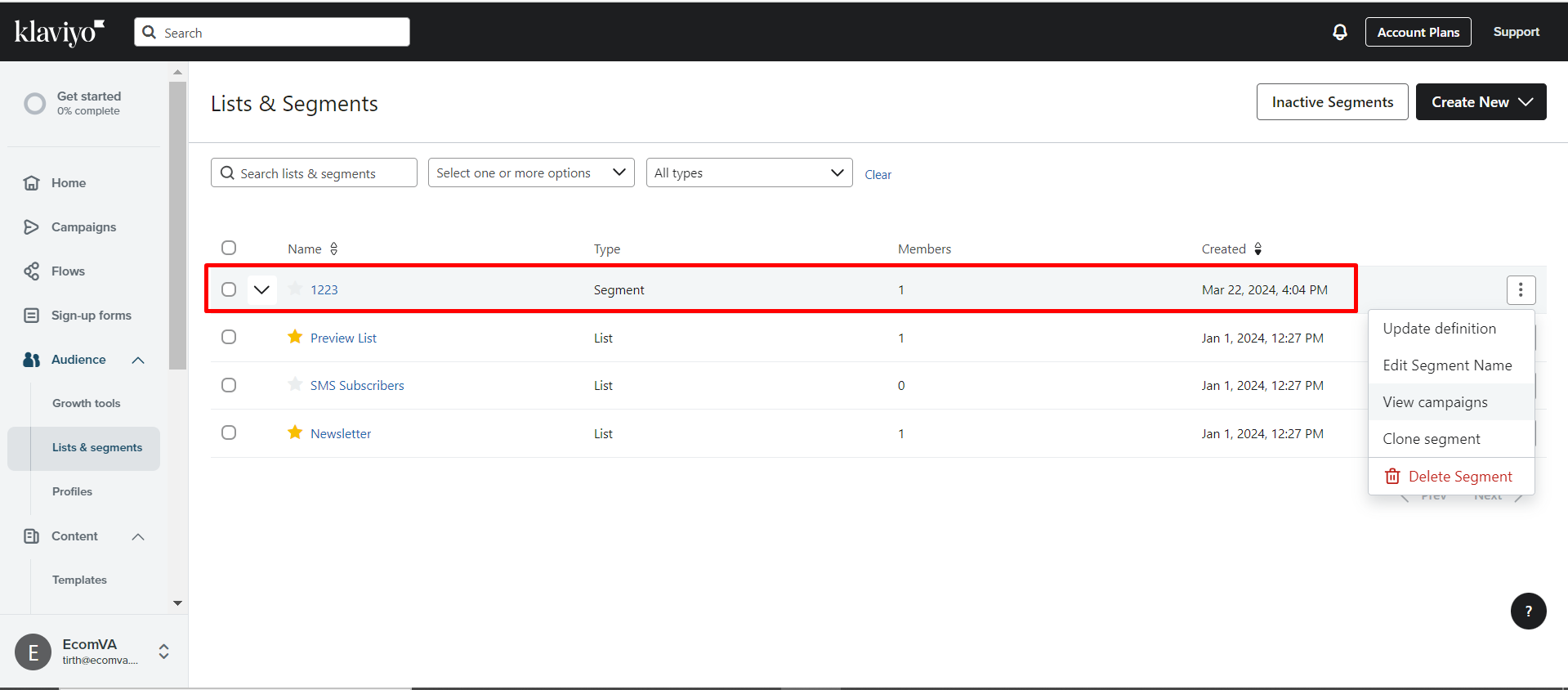
Klaviyo
Core Strengths
Deep Shopify-native integration
Excellent event-based flows (browse abandon, cart abandon, post-purchase)
Simple but powerful segmentation
Strong SMS + email in one platform
Limitations
Limited multi-object data modeling
Harder to support complex lifecycle logic (subscriptions, usage-based triggers)
Gets expensive at scale
Less control over deliverability infrastructure
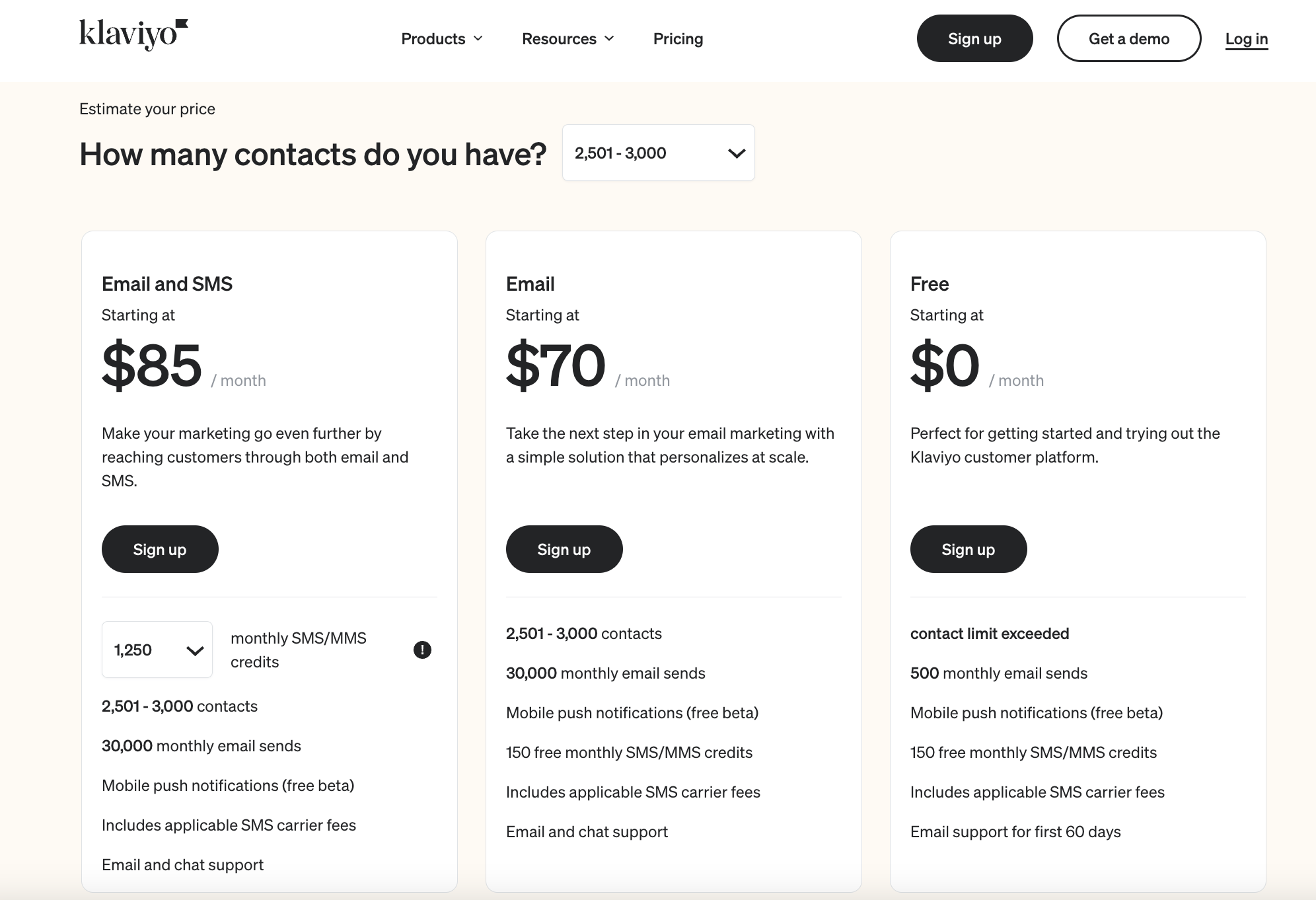
Pricing (Approx.)
Free tier up to ~250 contacts
~$45–$60/month at ~5k contacts
$1,000+/month at 100k+ contacts
Best Use Case
If your revenue comes primarily from email flows + campaigns tied to ecommerce behavior, Klaviyo is still the best SME option.
Mailchimp

Core Strengths
Easy to use
Familiar to non-marketers
Cheap at low volumes
Limitations
Weak automation depth
Limited personalization
Poor lifecycle orchestration
Not built for modern retention strategy
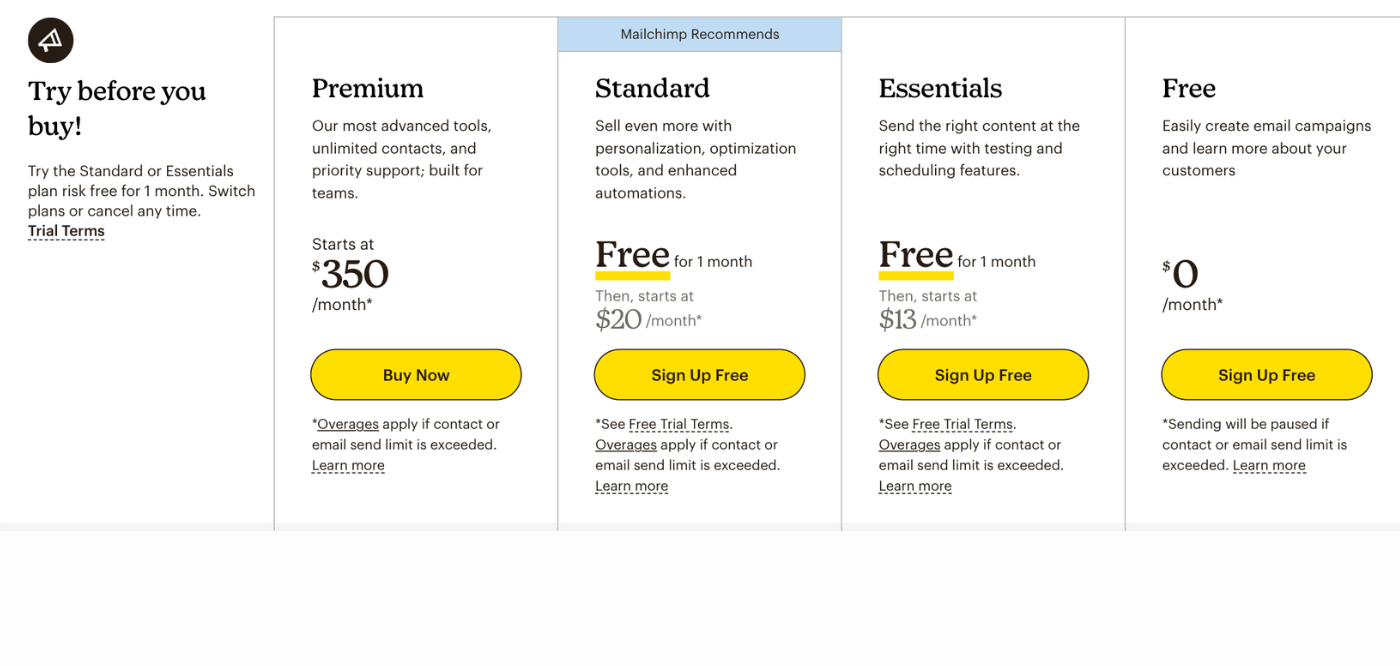
Pricing
Low starting cost
Pricing outpaces value as complexity increases
Verdict
Mailchimp is great for newsletters, but it’s not really a serious lifecycle platform.
Omnisend
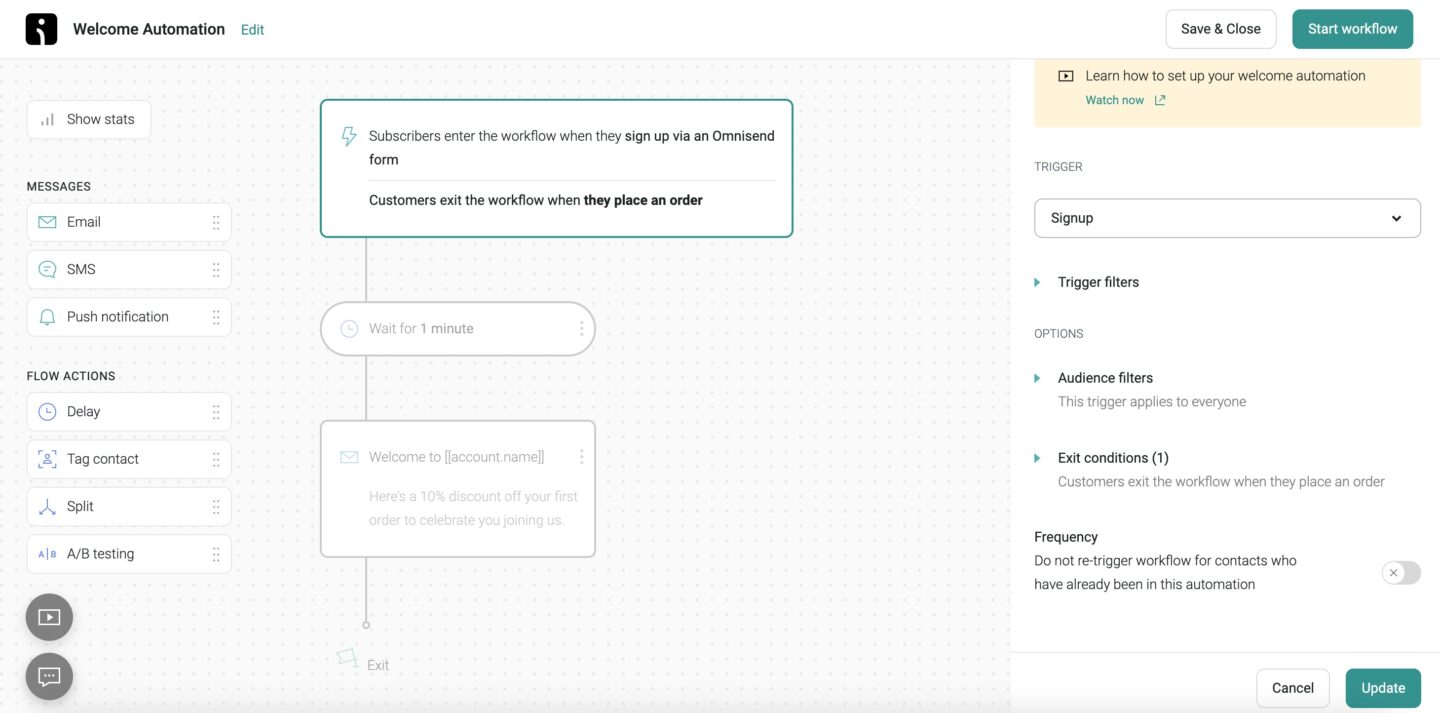
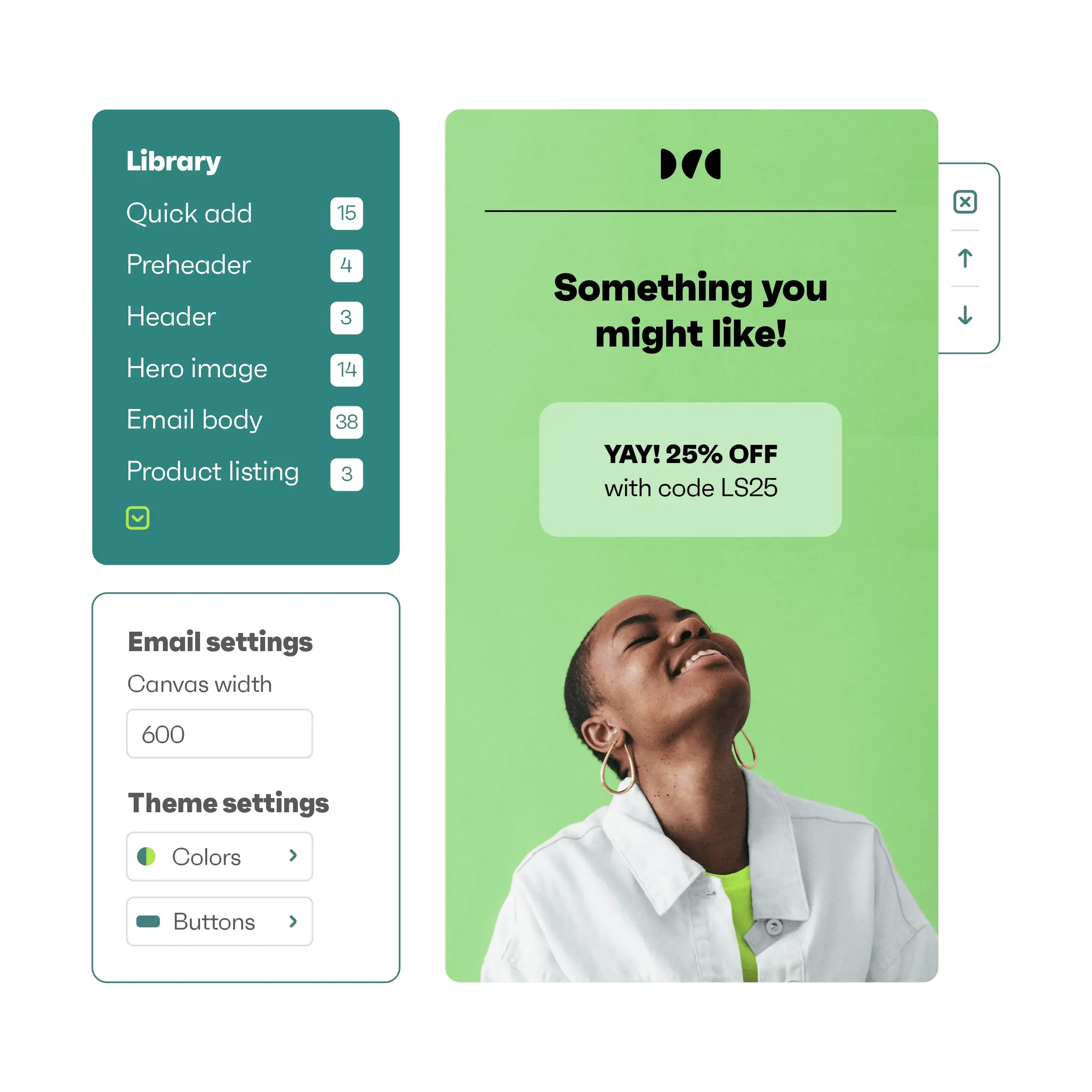
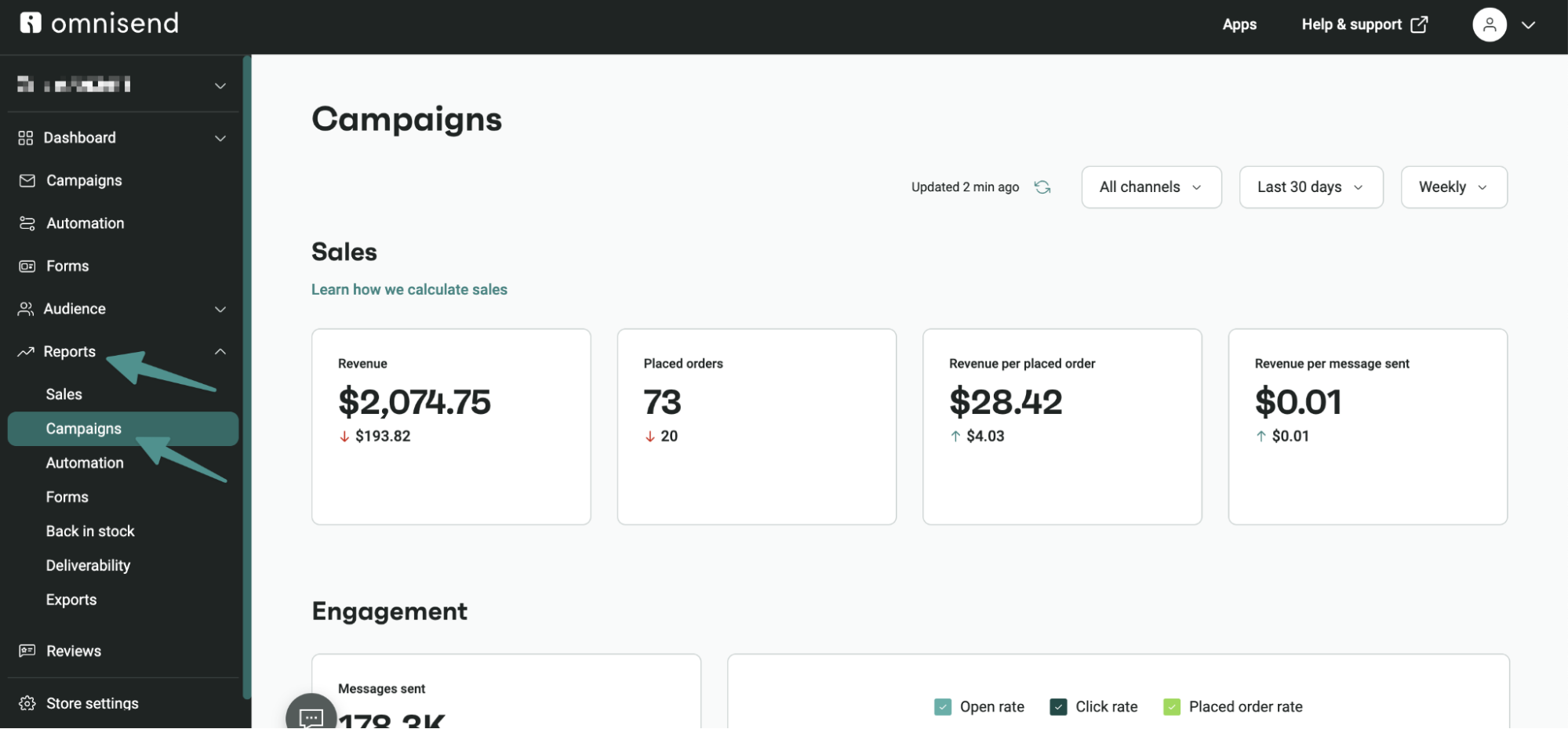
Core Strengths
Ecommerce-focused
SMS + email bundled
Competitive pricing
Limitations
Less flexible than Klaviyo
Smaller ecosystem
Weaker segmentation logic
Pricing
Best Use Case
Budget-conscious ecommerce brands that still want automation. Omnisend is very capable, flexible, and integrates with a wide range of third-party software solutions. They're growing fast and are trustworthy if you want an email marketing partner that you're confident will grow in features and capabilities as your brand does.
Category 2: Mid-Market Platforms (Flexibility Without Full Enterprise Overhead)
These platforms sit between SME tools and full enterprise CDPs. They’re often the best choice for scaling brands.
Iterable
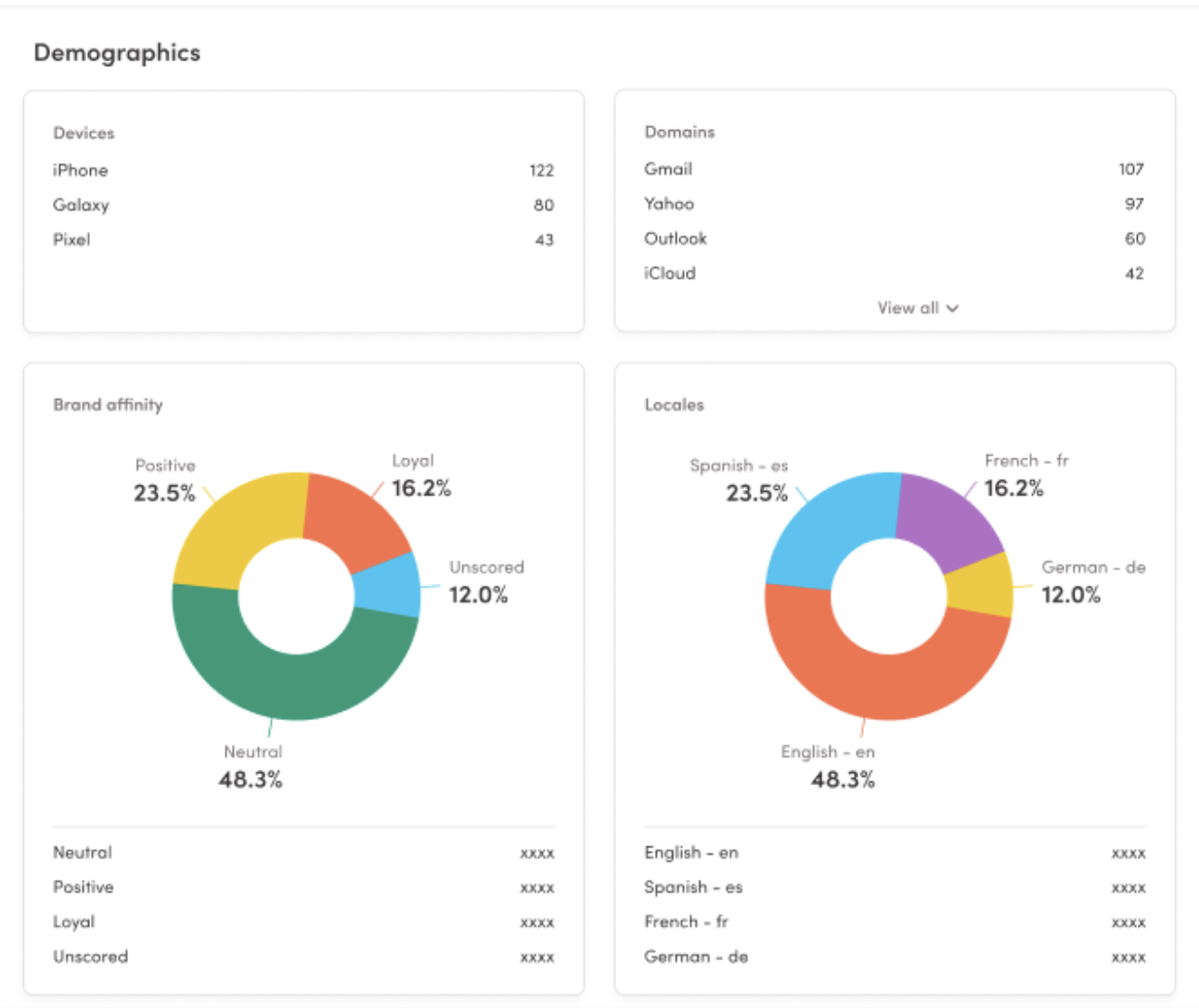
Core Strengths
Strong journey orchestration
Email, SMS, push, in-app in one place
Better data flexibility than SME tools
Good experimentation support
Limitations
Requires cleaner data
Less opinionated UX than Klaviyo
Implementation effort is higher
Pricing
Typically starts ~$1,500–$2,000/month
Scales based on events + profiles
Best Use Case
Brands with:
Multiple customer states
Subscriptions or usage events
A dedicated lifecycle owner
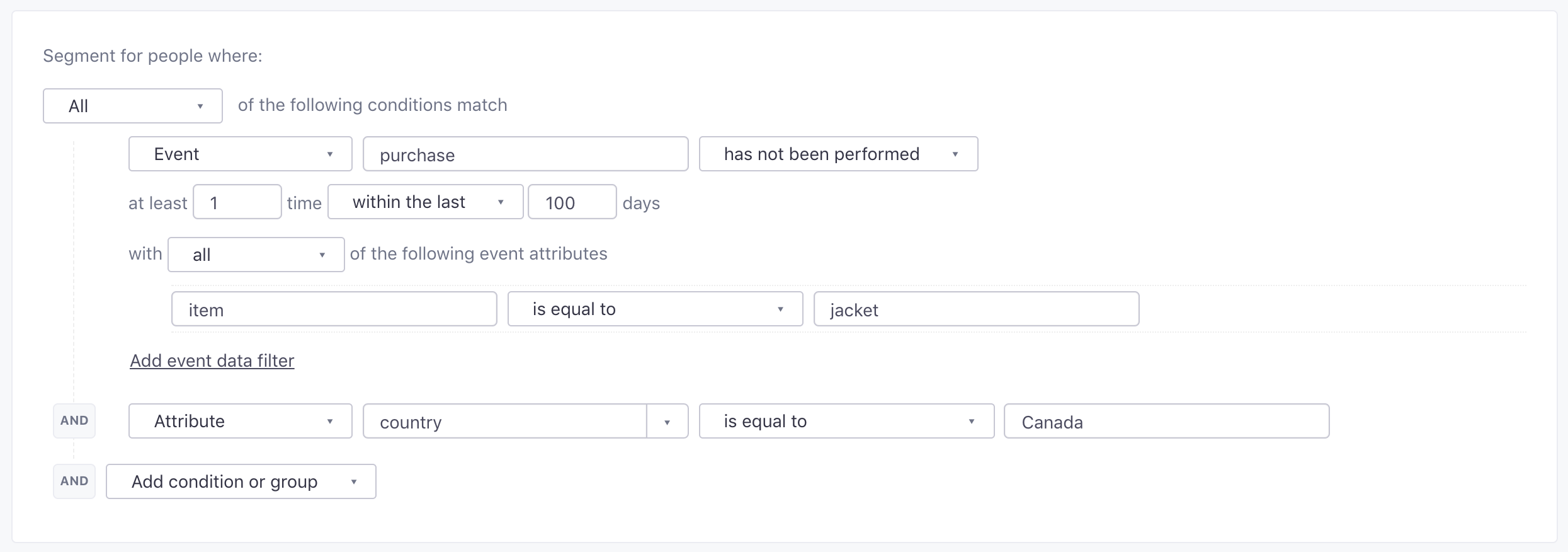
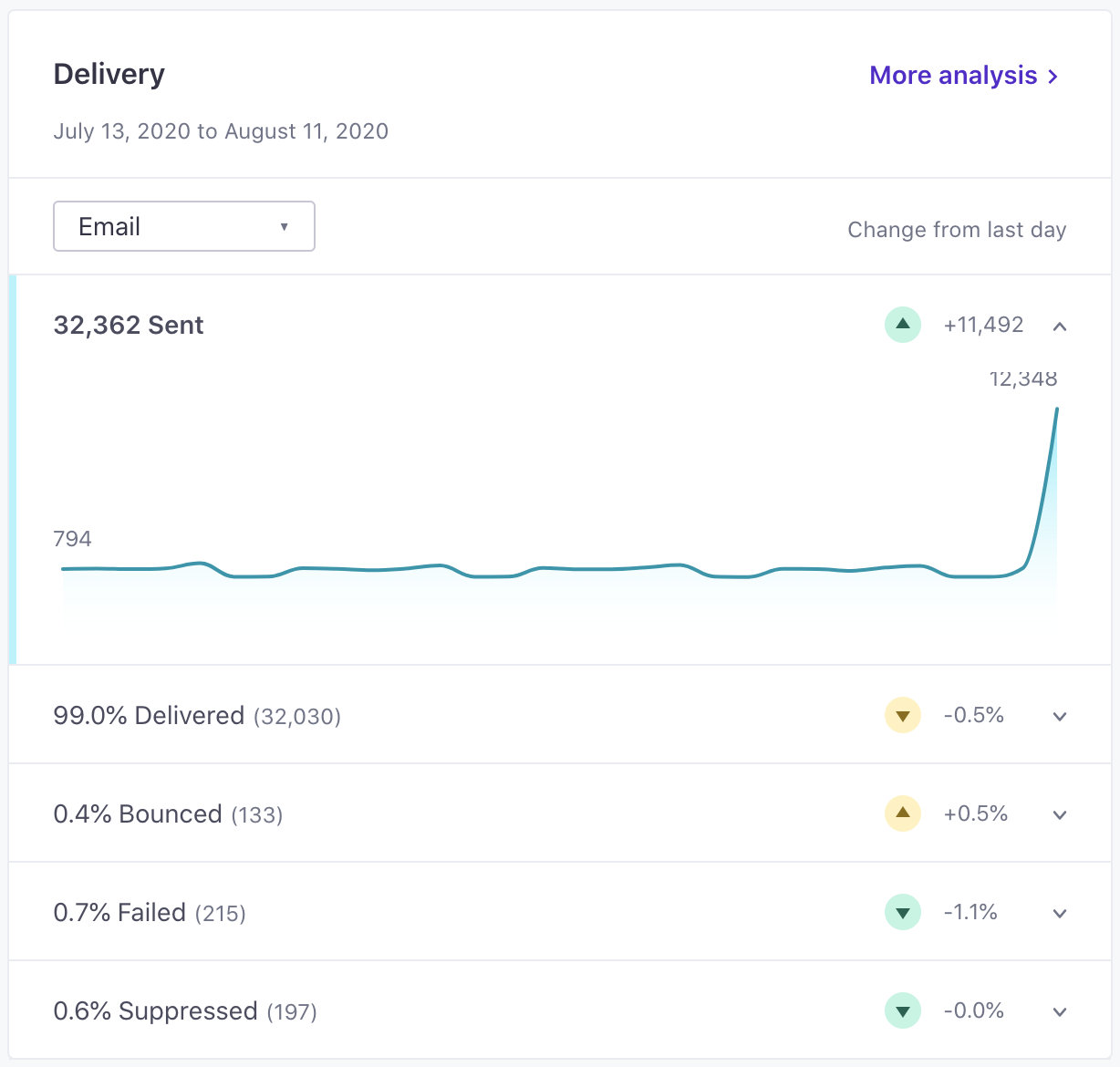
Customer.io
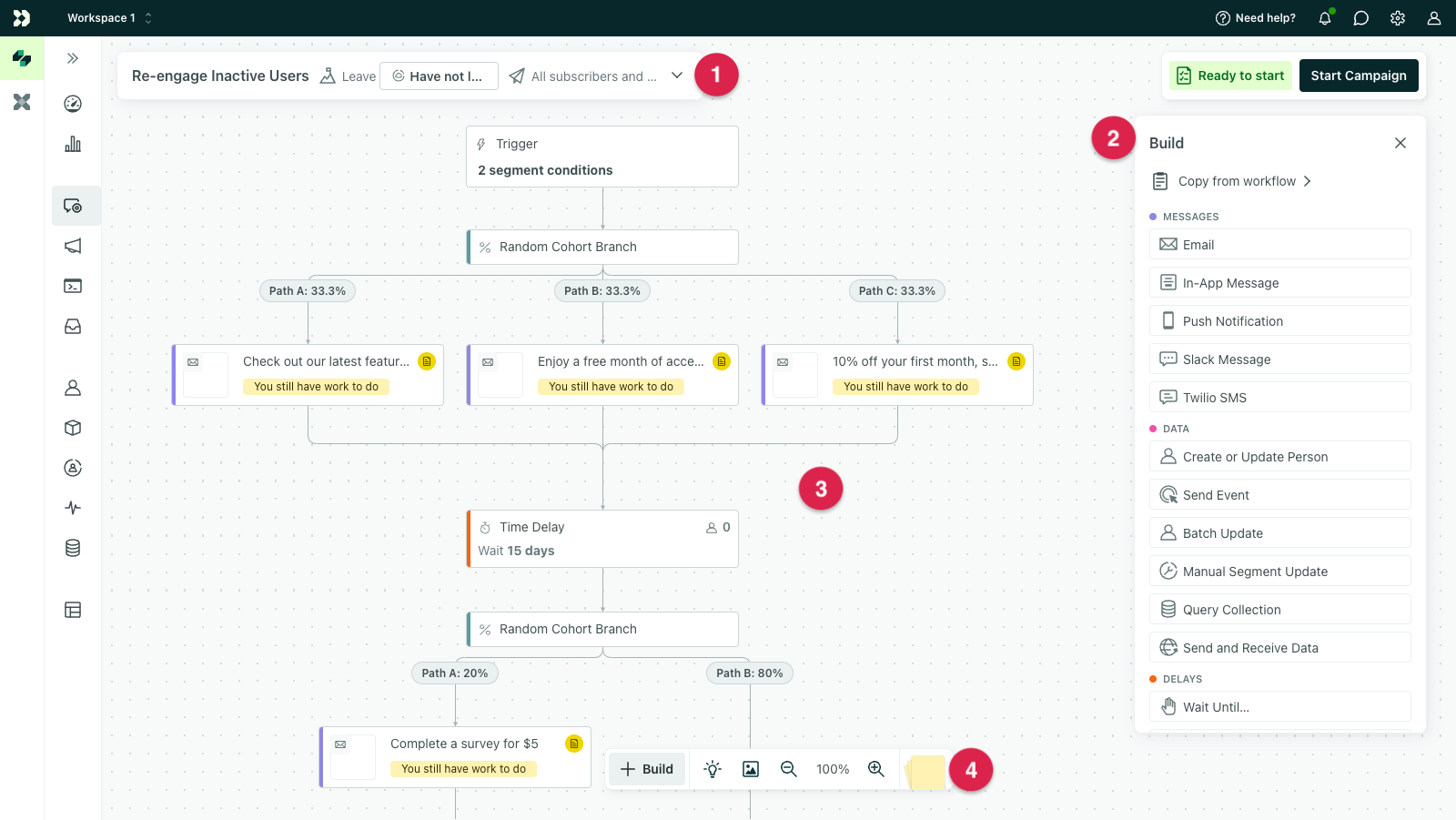
Core Strengths
Developer-friendly
Event-driven messaging
Strong control over logic
Limitations
Less polished UI
Requires engineering support
Not ecommerce-first
Best Use Case
Product-led or SaaS-style businesses with technical teams.
Category 3: Enterprise Platforms (Maximum Control, Maximum Complexity)
Enterprise platforms are not better by default. They’re better if you need deep data modeling, orchestration, and cross-channel ownership.
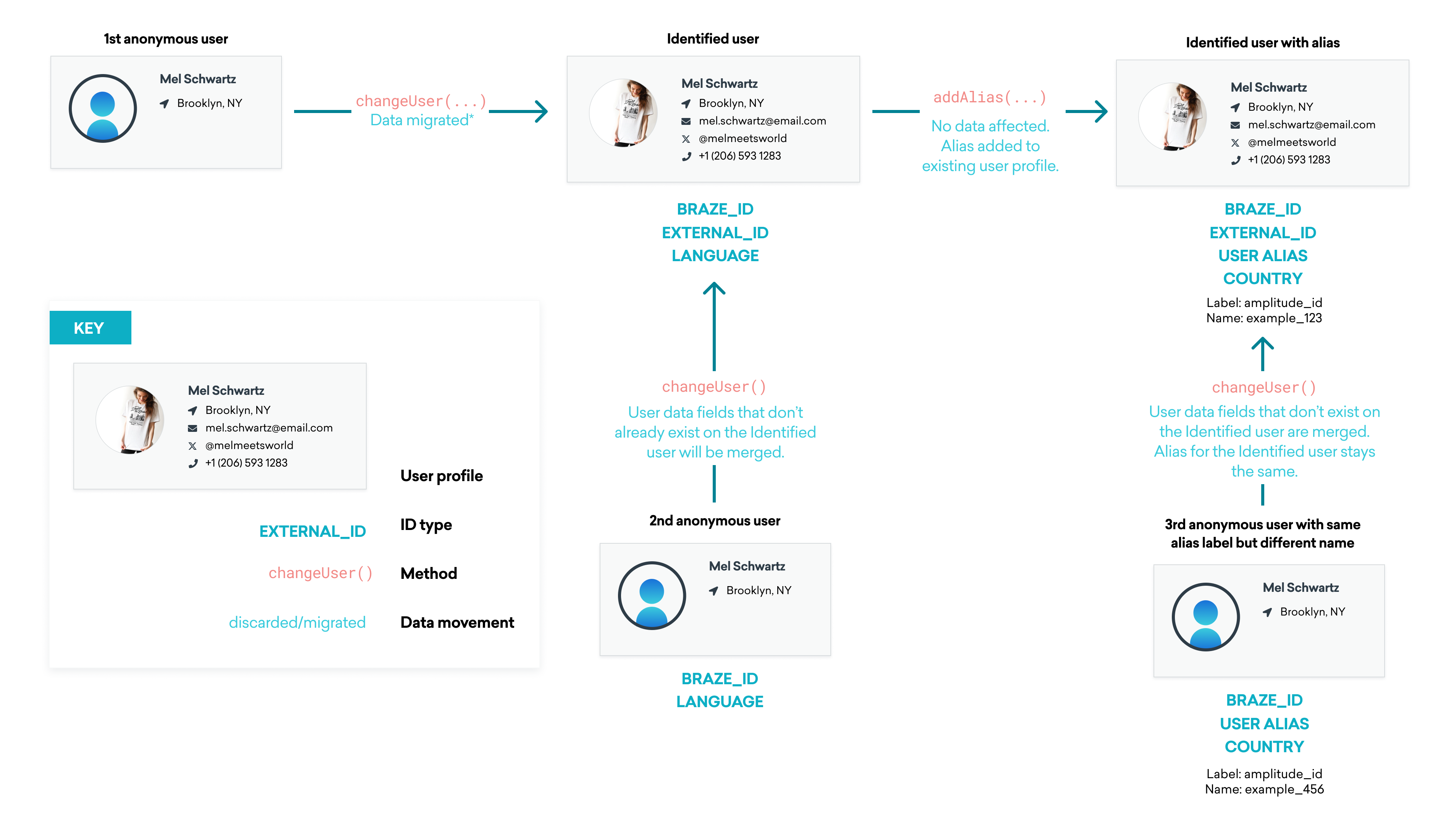
Braze

Core Strengths
Best-in-class journey orchestration and flow building
Deep real-time personalization
Handles massive event volumes
Excellent mobile + app support
Limitations
Expensive
Requires clean data pipelines
Needs a mature CRM team
Pricing
Typically $50k–$150k+/year
Based on MAUs, events, channels
Best Use Case
Mobile-first brands
High-frequency engagement
Dedicated lifecycle + data teams
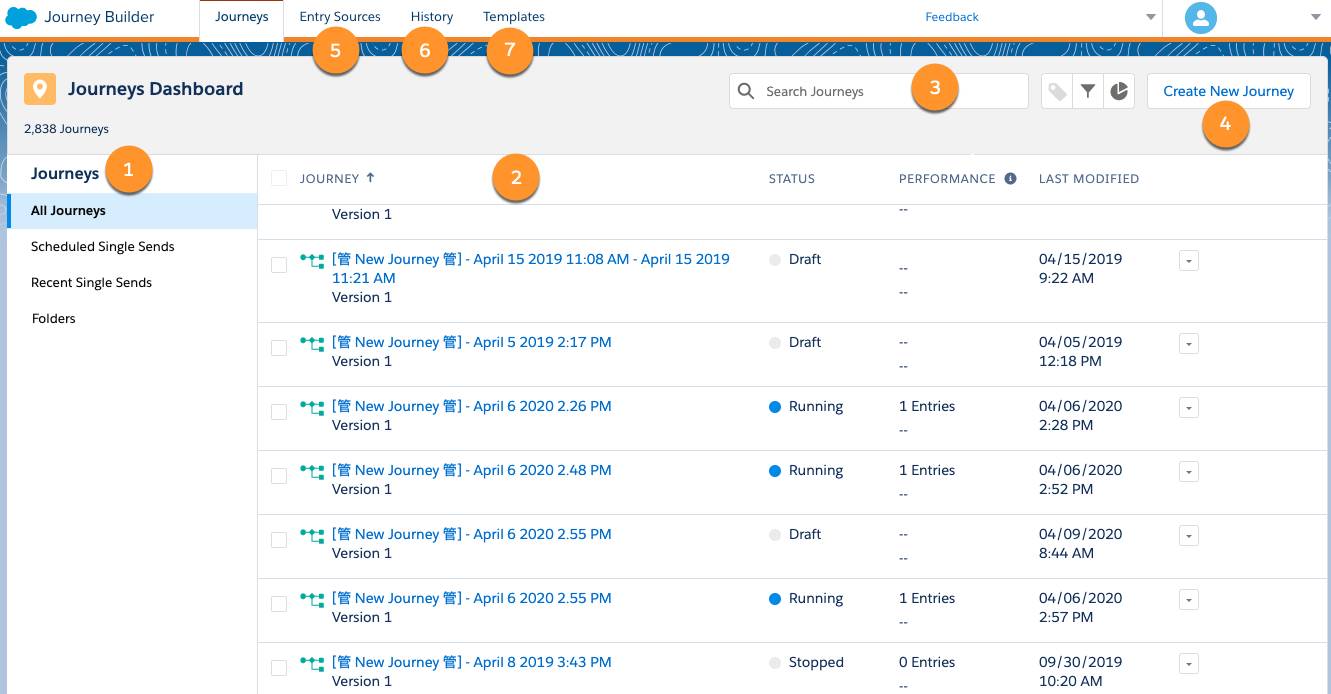
Salesforce Marketing Cloud
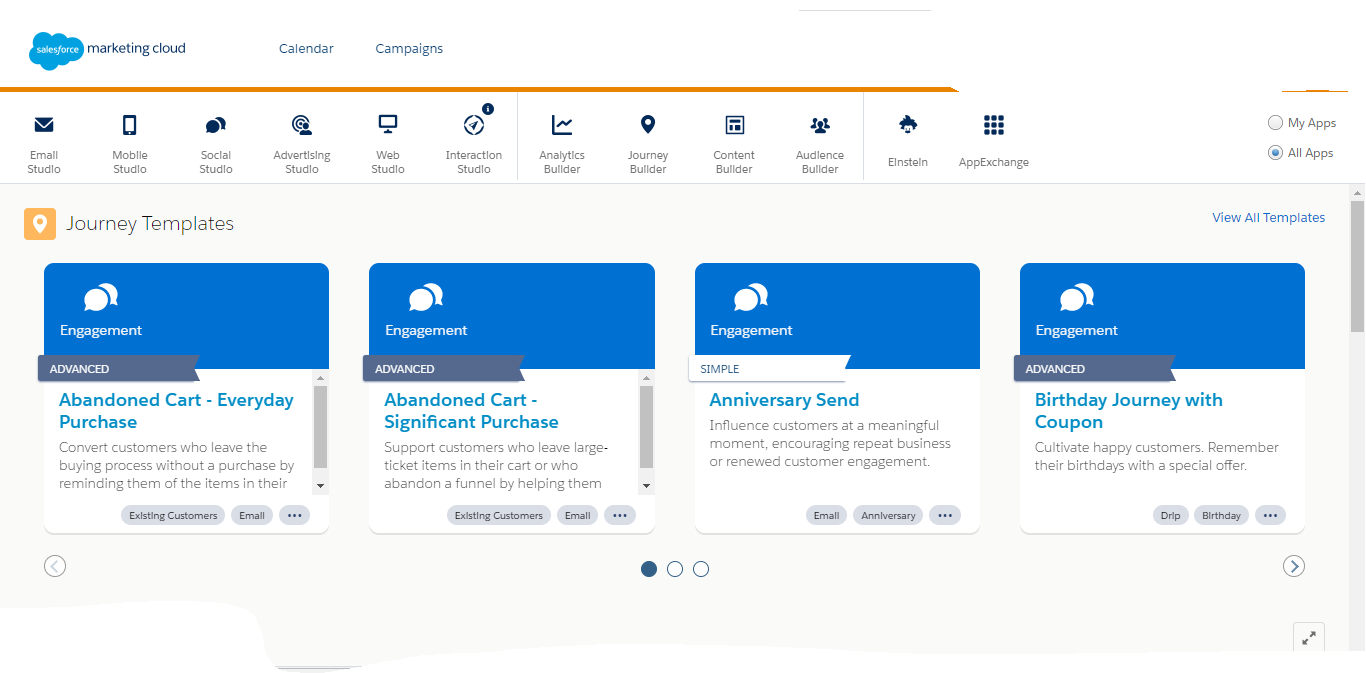
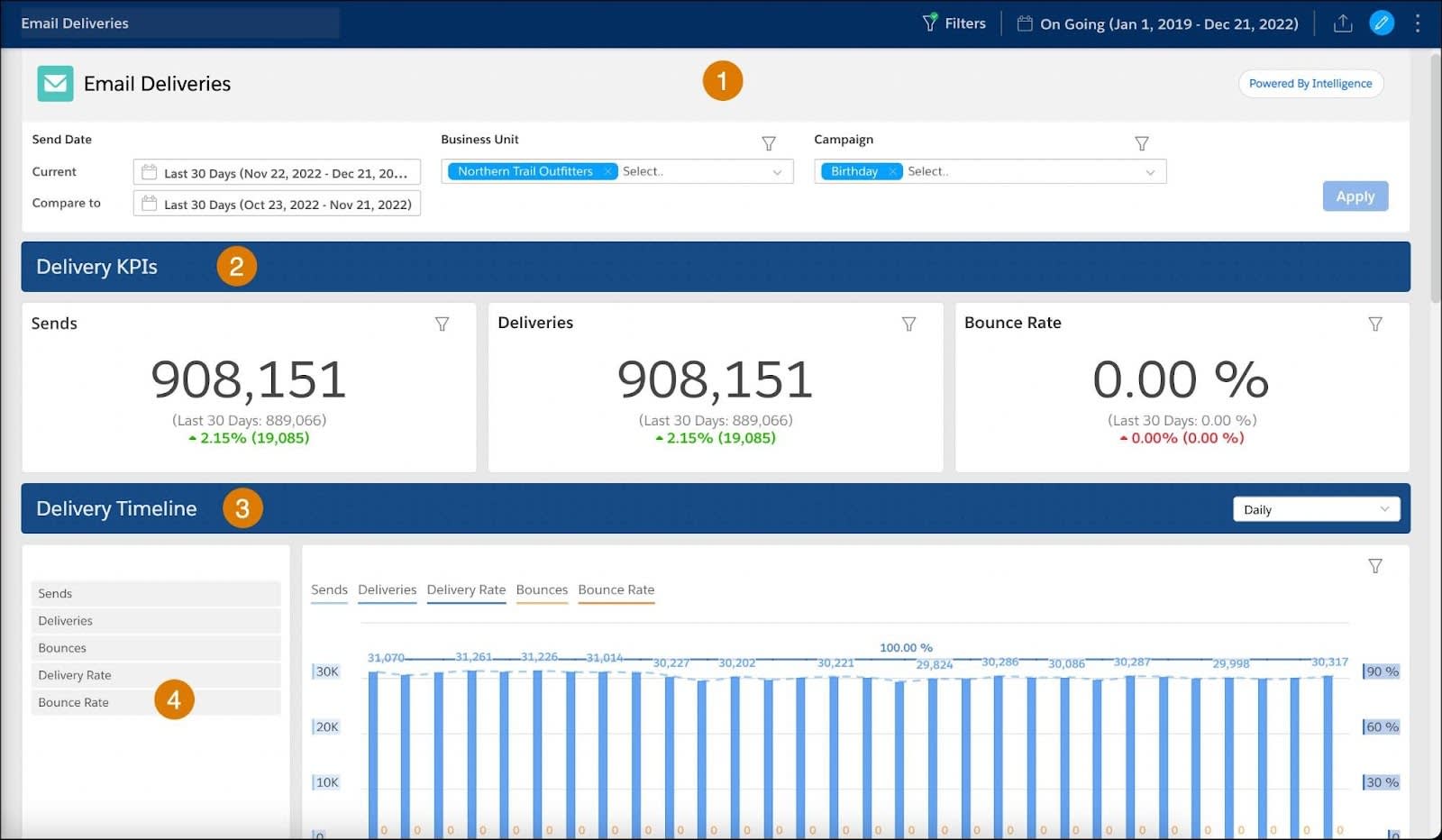
Core Strengths
Extremely powerful
Deep enterprise integrations
Mature ecosystem
Limitations
Steep learning curve
Slow execution
Requires specialists
Pricing
Often $100k+/year
Add-ons increase cost quickly
Verdict
SFMC is for large enterprises, not fast-moving brands.
The Most Common (Costly) Mistake
Brands often say:
“We’re growing fast, so we need enterprise tooling.”
What they actually need is:
Cleaner data
Better lifecycle strategy
Fewer tools doing more work
A well-run Klaviyo or Iterable account outperforms a poorly implemented Braze setup every time.
A Simple Decision Framework
Choose SME platforms if:
You’re ecommerce-first
Speed is more important to you than complexity
One person owns lifecycle strategy
Choose mid-market platforms if:
You’re scaling fast
Lifecycle marketing isn't just about email and touches multiple channels (as it should)
You want flexibility without enterprise pain
Choose enterprise platforms if:
You have complex real-time data pipelines
You have dedicated CRM + data teams
Lifecycle is a core company function and touches multiple channels
Choosing an email marketing platform is a big step and shows commitment to communicating well with your customers. Most teams don’t fail because they picked the “wrong” tool — they fail because the tool quietly dictated and limited how they built their lifecycle system. ESPs that don't send SMS right, email flows that don't allow you to resend to non-openers automatically... the list of shortcomings goes on and on. The right choice is the platform that lets you execute good communication today while clearly outlining what it can't do, so you don't run into a brick wall when you realize your platform can't do what you will soon need it to do.
