
SERVICES
Micro Cement Overlays
Seamless decorative cement finishes for modern residential and commercial interiors.
What Is Micro Cement Overlays?
Micro cement overlays are thin decorative cement based coatings applied over existing surfaces to create a seamless and modern finish. They can be installed over concrete, tiles, plaster, and other prepared substrates without the need for full demolition. The process involves detailed surface preparation followed by multiple hand applied layers that are sealed for durability and moisture resistance. In Melbourne homes and commercial spaces, micro cement is commonly used on floors, walls, bathrooms, kitchens, and feature areas where a clean and contemporary appearance is desired. The finish provides the look of polished concrete while remaining lightweight and versatile enough for renovation projects. Without proper surface preparation and sealing, older surfaces can remain difficult to maintain, dated in appearance, or vulnerable to moisture and staining, making micro cement a practical resurfacing solution.
Why Choose Epoxy Gurus Melbourne for Micro Cement Overlays
Experienced Decorative Surface Installers
The team has experience applying decorative flooring and wall systems across residential and commercial properties. Micro cement overlays require careful preparation and layering techniques to achieve a consistent finish. Each project is approached with attention to detail to ensure the final surface has a smooth appearance and reliable long term performance.
Careful Surface Preparation Process
Surface preparation is an essential part of micro cement installation. Existing substrates are inspected, cleaned, repaired, and prepared before any overlay is applied. This preparation helps create strong adhesion and reduces the risk of cracking or uneven finishes once the system cures and is sealed.
Suitable for Modern Renovation Projects
Micro cement overlays are commonly used in modern renovation and refurbishment projects because they can be applied over existing surfaces. This makes them suitable for kitchens, bathrooms, living spaces, retail interiors, and commercial fit outs where a seamless finish is preferred without extensive demolition work.
Focus on Seamless Finishes
Every overlay is applied with close attention to texture, consistency, and sealing quality. The process is managed carefully from the base preparation stage through to the final protective coating. The aim is to achieve a clean, seamless surface that is both practical and visually suited to contemporary interior spaces.
What Micro Cement Overlays Covers
Micro cement overlays cover the resurfacing of floors, walls, bathrooms, kitchens, and feature areas using thin cement based coatings. The process includes substrate preparation, crack repair where needed, hand application of multiple overlay layers, sanding, and protective sealing. These systems are designed to create seamless decorative finishes over existing surfaces without major demolition. They are commonly used in residential renovations, commercial interiors, and modern design projects where a smooth concrete style finish is desired.
Signs You Need Micro Cement Overlays
Signs you may need micro cement overlays include outdated tiles, worn surfaces, visible grout lines, or interior finishes that no longer suit the style of the property. In renovation projects, existing floors or walls that are structurally sound but visually dated can often be resurfaced rather than removed. Many Melbourne property owners also choose micro cement when they want a seamless modern finish without major construction work.
DISCOVER WHAT OUR CUSTOMERS HAVE TO SAY ABOUT US
REVIEWS
REVIEW US ON GOOGLE
our process
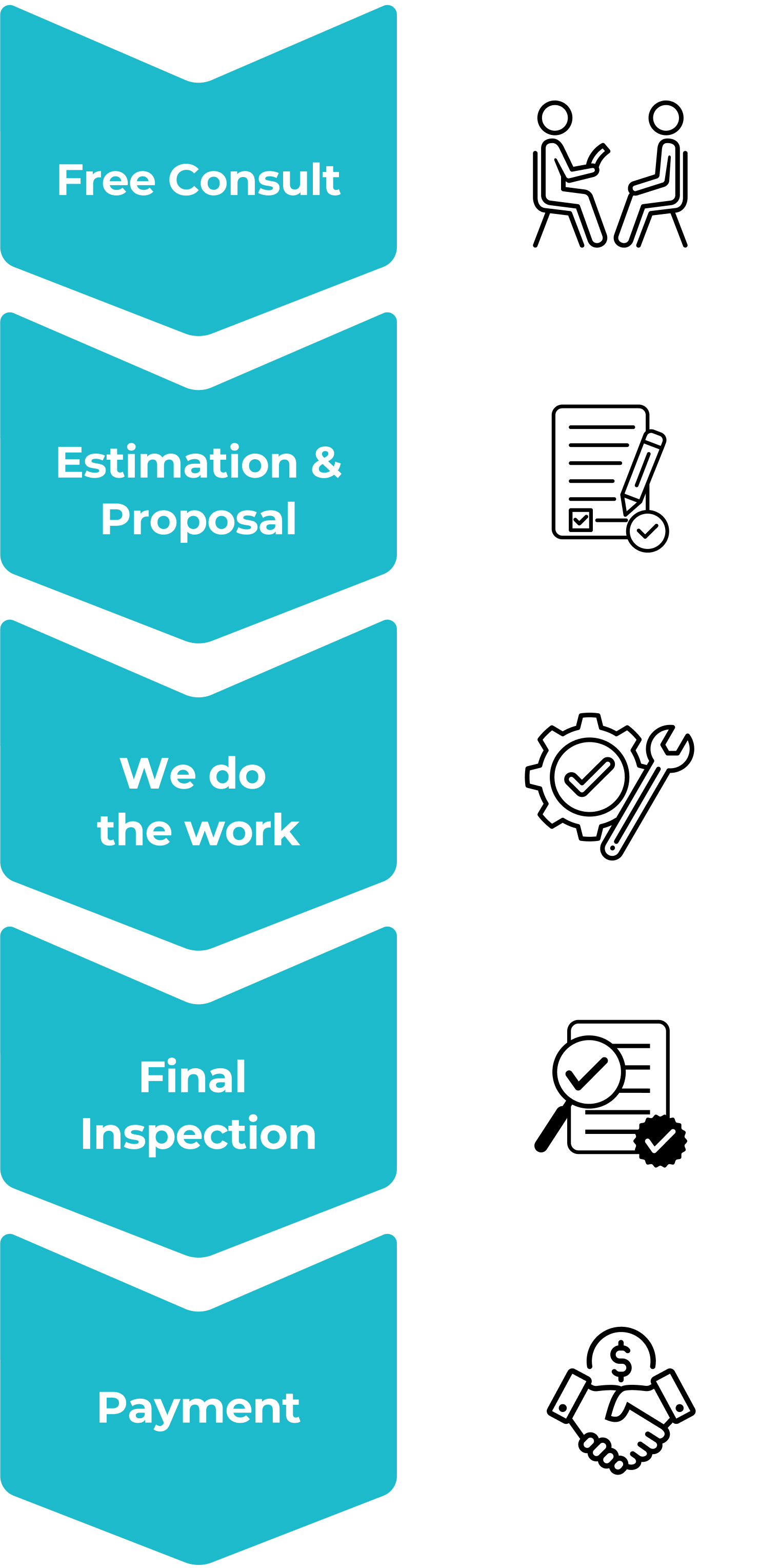
Our process is simple and only contains a few simple steps

frequently asked questions
What surfaces can micro cement be applied over?
Micro cement can be applied over properly prepared surfaces including concrete, tiles, plaster, cement sheeting, and existing rendered finishes. Preparation is important to ensure the overlay bonds correctly and performs well over time without cracking or lifting.
Is micro cement waterproof?
Micro cement systems are sealed after application to improve moisture resistance and surface protection. In wet areas such as bathrooms, proper sealing is essential to help protect the surface from water penetration and staining during everyday use.
Can micro cement overlays crack over time?
Micro cement overlays are designed to be durable, but movement in the underlying substrate can sometimes lead to cracking if surfaces are not prepared correctly. Proper preparation and installation methods help reduce this risk and improve long term performance.
How do you clean and maintain micro cement?
Micro cement surfaces are generally low maintenance and can be cleaned using mild cleaning products and a soft mop or cloth. Harsh chemicals and abrasive scrubbing should be avoided to help maintain the protective sealer and overall finish quality.
What is the difference between micro cement and polished concrete?
Micro cement is a thin overlay applied over existing surfaces, while polished concrete involves grinding and refining the existing concrete slab itself. Micro cement is often used in renovations where removing the original surface is not practical or necessary.
Trusted & Accredited Plumbers


READY TO take the next step?
get a free quote TODAY!

