
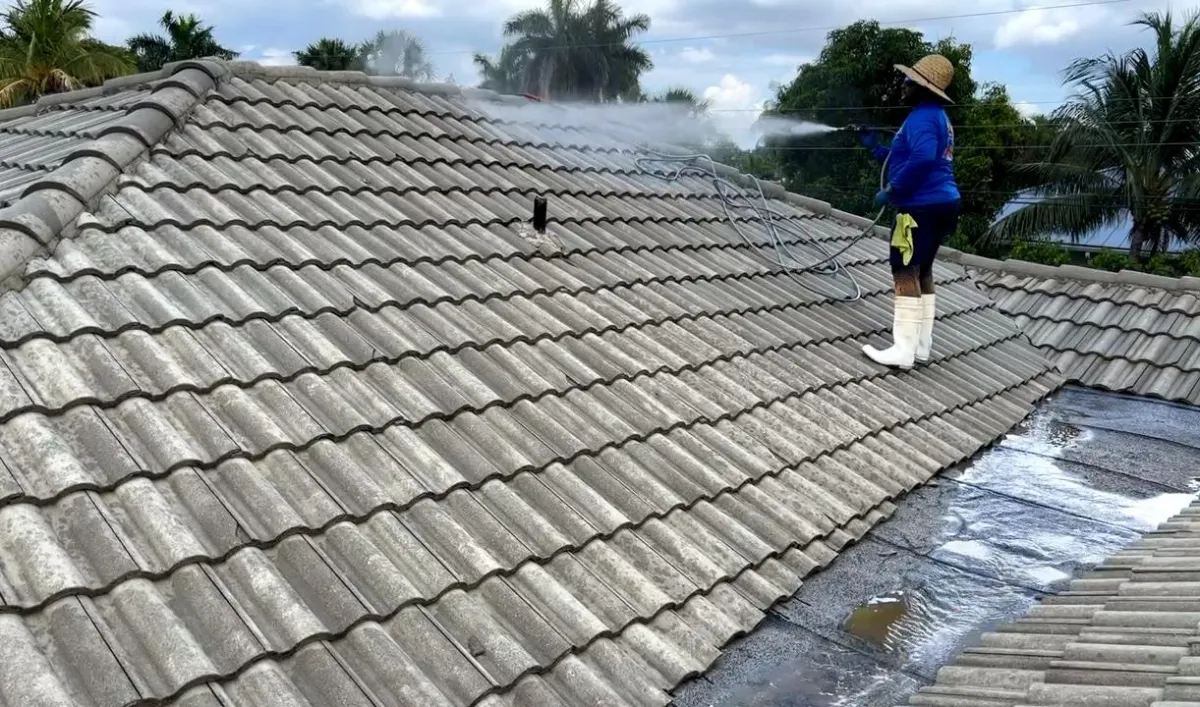
How Pressure Washing Benefits the Environment in Friendswood, Texas and Surrounding Areas
Pressure washing is often viewed as a cosmetic service, but it also offers important environmental benefits. In Friendswood, Texas, and surrounding areas, responsible pressure washing practices help reduce pollution, preserve surfaces, and promote healthier outdoor spaces. When performed correctly, pressure washing supports sustainability by minimizing chemical use, conserving water, and preventing harmful contaminants from spreading into the environment.
How does pressure washing help reduce environmental pollution?
Pressure washing removes pollutants such as mold, algae, grease, and dirt before they are washed into storm drains by rain. These contaminants can harm waterways and soil if left untreated. By cleaning surfaces in a controlled manner, pressure washing helps prevent the spread of harmful substances into the environment.
Why is pressure washing considered a water-efficient cleaning method?
Professional pressure washing uses pressurized water to clean effectively with less overall water usage compared to traditional cleaning methods like hoses or manual scrubbing. The concentrated force removes buildup quickly, reducing the amount of water needed to achieve thorough results.
How does pressure washing reduce the need for harsh chemicals?
High-pressure water alone is often enough to remove dirt, mold, and stains. This reduces reliance on chemical cleaners that can be harmful to plants, animals, and water systems. When cleaning solutions are needed, environmentally safe options are typically used to minimize ecological impact.
Can pressure washing help protect local water systems?
Yes, pressure washing helps protect water systems by preventing contaminants from accumulating on surfaces and entering runoff during storms. Proper wastewater control ensures that dirt and pollutants are removed responsibly instead of being carried into nearby streams or drainage systems.
How does pressure washing extend the life of outdoor surfaces?
By removing damaging substances like algae, mildew, and corrosive buildup, pressure washing helps preserve surfaces such as concrete, wood, and siding. Longer-lasting materials mean fewer replacements and less construction waste, which benefits the environment over time.
Does pressure washing contribute to healthier outdoor spaces?
Pressure washing eliminates mold, mildew, and allergens that can negatively affect air quality and outdoor comfort. Cleaner surfaces promote healthier surroundings for people, pets, and plants, especially in shared or high-traffic areas.
How does pressure washing support sustainable property maintenance?
Routine pressure washing is a preventive maintenance practice that reduces the need for major repairs or replacements. Preventive care lowers material consumption and energy use associated with manufacturing and transporting new building materials.
Can eco-friendly pressure washing practices protect landscaping?
Yes, professional pressure washing methods are designed to protect nearby plants and soil. Controlled water pressure and safe cleaning solutions ensure landscaping remains unharmed while surfaces are effectively cleaned.
How does pressure washing improve community cleanliness and safety?
Clean sidewalks, driveways, and public spaces reduce slip hazards and discourage the buildup of pollutants. Cleaner environments promote pride, encourage outdoor activity, and support healthier communities overall.
Why is professional pressure washing better for the environment than DIY cleaning?
Professional services use efficient equipment, proper techniques, and environmentally responsible methods. This prevents excessive water use, surface damage, and chemical runoff that can occur with improper DIY cleaning efforts.
Final Thoughts
Pressure washing offers more than just aesthetic improvements. When performed responsibly, it supports environmental protection, water conservation, and sustainable property maintenance. By reducing pollution, preserving surfaces, and promoting healthier outdoor spaces, pressure washing plays a valuable role in maintaining cleaner communities and protecting natural resources.
Is pressure washing environmentally safe?
Yes, when performed responsibly using proper equipment and eco-friendly practices.
Does pressure washing waste water?
Professional pressure washing uses less water than many traditional cleaning methods.
Are chemicals always required for pressure washing?
No, many cleanings rely primarily on water pressure alone.
Can pressure washing harm plants or soil?
When done correctly, it is safe for surrounding landscaping.
Does pressure washing help prevent long-term environmental damage?
Yes, it reduces surface deterioration and pollution over time.
- Here's some stuff
- Here's some stuff