REVISION ABDOMINOPLASTY, ATLANTA, GA | DR. WRIGHT JONES | MUSE PLASTIC SURGERY
When Your First
Result Wasn't the
Right One.
Tummy tuck revision corrects unsatisfying outcomes from a previous abdominoplasty, whether performed at Muse or elsewhere. Dr. Wright Jones specializes in revision cases, bringing the precision and honesty needed to identify what went wrong and deliver the result you should have had the first time.
Muse Plastic Surgery
Dr. Wright Jones, MD
Board-Certified Plastic Surgeon
Atlanta, Georgia
01
OVERVIEW
02
DR. JONES EXPLAINS
03
WHAT IT ADDRESSES
04
ALLIE'S STORY
05
PROCEDURE TYPES
06
DRAINLESS
07
BEFORE & AFTER
08
RECOVERY
09
FAQ

PROCEDURE OVERVIEW
Revision Abdominoplasty: The Most
Demanding Tummy Tuck.
Revision abdominoplasty is among the most technically demanding procedures in body contouring. It requires working with existing scar tissue, altered anatomy, and often, compromised blood supply from the first surgery. This is not a procedure where experience is optional.
Dr. Jones evaluates every revision case individually, identifying the specific issues and building a plan that accounts for the unique challenges of secondary surgery. The goal is straightforward, though the execution is complex: correct what went wrong the first time and deliver a result you can be confident in.
Revision is not always a complete fix. Some outcomes have limitations based on the degree of damage or scarring from the first procedure. But when revision is performed by someone who understands the anatomical complexity of secondary surgery, the results can be genuinely transformative.
DR. WRIGHT JONES, MD · BOARD-CERTIFIED PLASTIC SURGEON
What Is a Tummy Tuck?
Dr. Wright Jones Explains
REPLACE WITH YOUTUBE OR VIMEO EMBED
SURGEON AUTHORITY
Why Revision Differs
Working with scar tissue and altered anatomy from first surgery
Blood supply may be compromised from initial procedure
Requires detailed understanding of the first surgical approach
Higher complexity, longer operative time than primary surgery
Honesty about realistic expectations is paramount
COMMON REASONS FOR REVISION
Why Patients Seek
Tummy Tuck Revision.
Each revision case is unique. These are the most common reasons patients pursue abdominoplasty revision with Dr. Jones.
01
Persistent Skin Laxity
Inadequate skin removal in the first procedure left loose, sagging tissue. The abdominal contour still shows the pouch or bulge that the tummy tuck was meant to address.
02
Visible or Widened Scar
Poor incision closure technique or scar migration created a wider, more visible scar than expected. The scar may be raised, depressed, or asymmetrical.
03
Contour Irregularities
Asymmetry between the left and right sides, dog ears at the ends of the incision, or uneven surface texture. The result looks puckered or unnatural rather than smooth.
04
Recurrent Muscle Separation
The muscle repair from the first surgery failed or was incomplete, and the abdominal wall muscles are lax again. Core weakness has returned.
05
Unnatural Navel Appearance
Poor navel reconstruction, asymmetry, or placement that looks artificial rather than natural. The navel is the focal point and its appearance affects overall perception of the result.
06
Weight Changes After Surgery
Significant weight loss or gain after the first tummy tuck has altered the results. The contour that was correct at surgery no longer matches the patient's current anatomy.
CANDIDATE PROFILE
Who Is a Good Candidate
for Revision?
Not every patient who is unhappy with their tummy tuck result is a good candidate for revision. The following criteria help determine suitability.
01
Healing Complete from First Surgery
At least 12 months should have passed since the original abdominoplasty. Early revision risks complications and prevents accurate assessment of final outcomes.
02
Stable Weight
At or very near goal weight, not planning significant additional weight loss or gain. Revision performed on unstable weight rarely produces lasting results.
03
Good General Health
Medically optimized and cleared for surgery. Revision is more complex than primary tummy tuck, so overall health status matters.
04
Aligned Expectations
Understanding what revision can realistically achieve in your specific situation. Patients with unrealistic expectations should not proceed.
05
Clear Indication for Surgery
A specific, identifiable issue or issues that revision can meaningfully address. Vague dissatisfaction without clear anatomical goals is not a sufficient indication.
06
Adequate Tissue and Blood Supply
Dr. Jones must assess whether your anatomy has sufficient vascularization and tissue quality for safe revision. Some situations are contraindications.
You May Not Be a Candidate If
Less than 12 months have passed since your original tummy tuck (healing incomplete)
You are actively losing or gaining weight
Your expectations about what revision can achieve are unrealistic
You have significant medical issues that increase surgical risk
You are looking to completely change the result into something very different from what is anatomically possible
Your scar tissue or blood supply is compromised to a degree that makes safe revision impossible
Let's be honest about your situation. Book a consultation so Dr. Jones can evaluate your candidacy directly.
MUSE PLASTIC SURGERY · ATLANTA
Precision and honesty deliver transformation, even in the most complex cases.
TREATMENT AREAS
What Revision Can
Address.

APPROACH ONE
Scar Revision and Repositioning
Widened, visible, or poorly placed scars can be refined, re-excised, or repositioned for a more natural appearance.
APPROACH TWO
Additional Skin Removal
If inadequate skin was removed in the first procedure, revision can remove additional tissue to create a flatter contour.
APPROACH THREE
Muscle Re-Repair
Recurrent or incomplete muscle separation can be addressed by re-tightening the abdominal wall muscles with reinforced closure technique.
APPROACH FOUR
Contour Correction with Liposuction
Asymmetry, dog ears, irregularities, and residual fullness can be refined with strategic liposuction and tissue repositioning.
APPROACH FIVE
Navel Reconstruction
The navel can be repositioned, reshaped, or reconstructed to appear more natural and symmetrical if the first procedure left it appearing unnatural.
TRANSFORMATION EXPECTATIONS
Before and After: Honest Expectations.
What You'll See
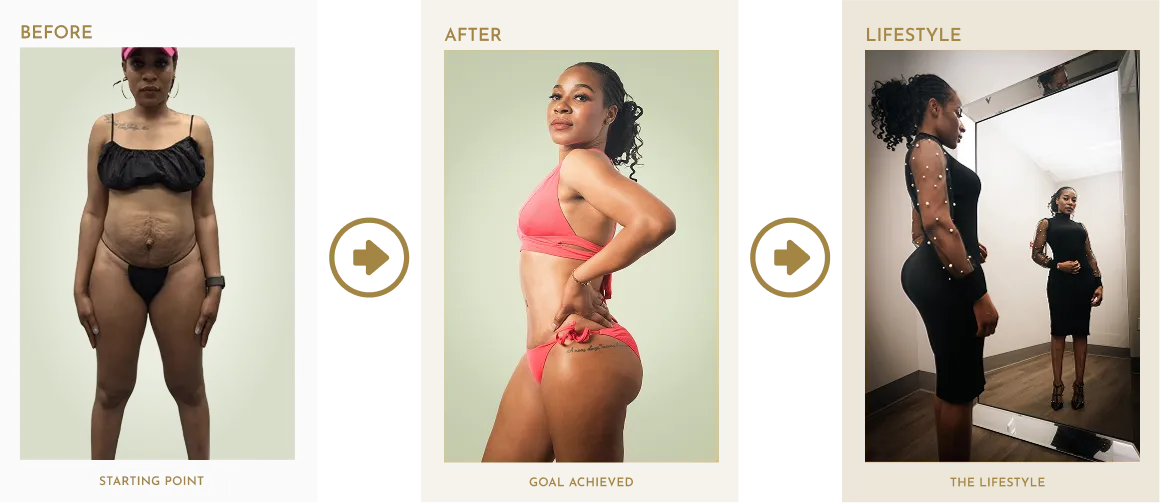
Successful revision improves contour, refines the scar, corrects asymmetry, and often restores confidence in your result. Many patients who undergo revision with Dr. Jones report that it feels like finally getting the tummy tuck they expected the first time.
The specific changes depend on your anatomy and what the first procedure left behind, but revision should move you closer to a natural, proportional, aesthetically pleasing abdominal contour.
What It Won't Do
Revision cannot always achieve a "first surgery" result due to scar tissue limitations and altered anatomy from the initial procedure. Some patients will have a slightly visible scar even after revision, though it should be better than before. Revision improves, but cannot always erase all evidence of previous surgery.
Additionally, revision may not be able to address every single issue if multiple problems exist. Prioritization is sometimes necessary, with some concerns addressed in this revision and others potentially requiring minor touch-ups later.


THE CUSTOMIZED APPROACH
Expected Outcomes
Improved abdominal contour and overall profile
Refined, less visible or widened scar
Corrected asymmetry and irregularities
Restored confidence in your surgical result
Natural appearance when you have realistic expectations aligned with surgical reality
SURGICAL OVERVIEW · DR. WRIGHT JONES, MD
How Revision Abdominoplasty
Works.
Revision tummy tuck is typically performed under general anesthesia at an accredited surgical facility. The procedure length varies depending on the extent of revision needed, typically ranging from 2 to 4 hours.
01
Comprehensive Assessment
Detailed evaluation of the previous surgery, including review of operative notes when available, examination of scar tissue, muscle integrity, and blood supply assessment to plan the safest approach.
02
Anesthesia
General anesthesia is administered. Your surgical team will review your health history and previous anesthesia experience to ensure safe management during this more complex procedure.
03
Scar Excision and New Incision Planning
The existing scar is excised and the incision is carefully re-planned, often incorporating the previous scar line to minimize additional scarring while allowing access to correctable issues.
04
Tissue Release and Repositioning
Scarred and adherent tissue is carefully released from underlying structures. The abdominal skin and tissue are repositioned to correct contour issues, asymmetry, and irregularities.
05
Correction of Specific Issues
Muscle re-repair if indicated, strategic liposuction for contour refinement, navel reconstruction if needed, and addressing of any dog ears or tissue irregularities.
06
Layered Closure
The tissue is closed in layers using Dr. Jones' progressive tension suturing technique, eliminating dead space. No drain required. Compression garment is applied before discharge.
The Drainless Advantage in Revision
Dr. Jones uses progressive tension suturing for revision just as in primary tummy tuck, eliminating the need for surgical drains entirely. This is especially beneficial in revision, where accurate assessment of swelling patterns and tissue healing is important. No tubes, no output logs, no drain management for this already complex recovery.
REAL RESULTS
Tummy Tuck Before & After
— Real Atlanta Results.
Drag to explore.
Each image a story.
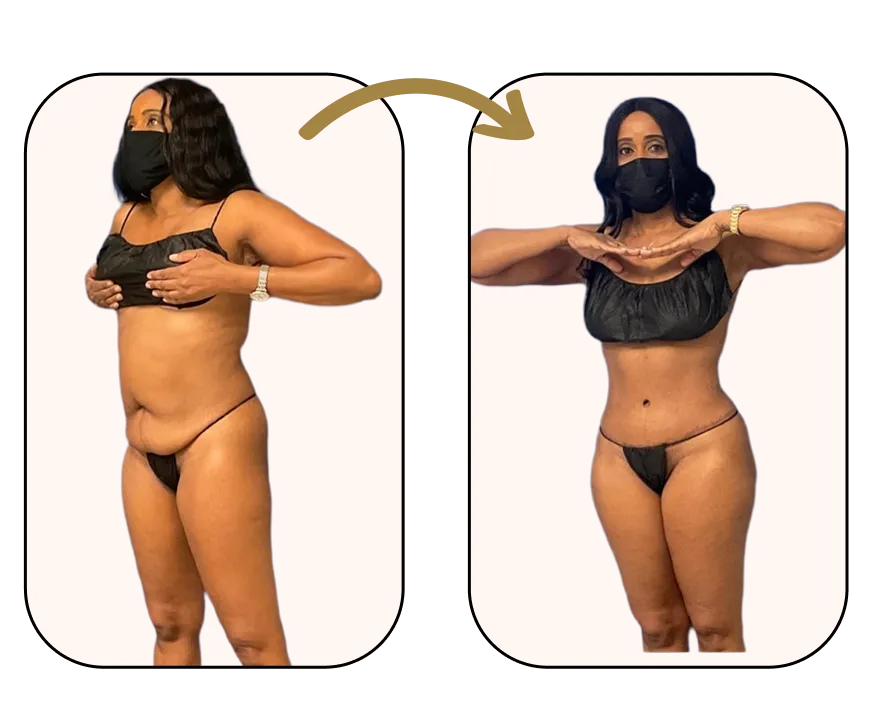
Before
TUMMY TUCK BEFORE & AFTER · FULL ABDOMINOPLASTY · DRAINLESS
Post-pregnancy, 2 children. Diastasis recti repair, lower skin removal, waist liposuction. Drainless protocol. Six months post-procedure.
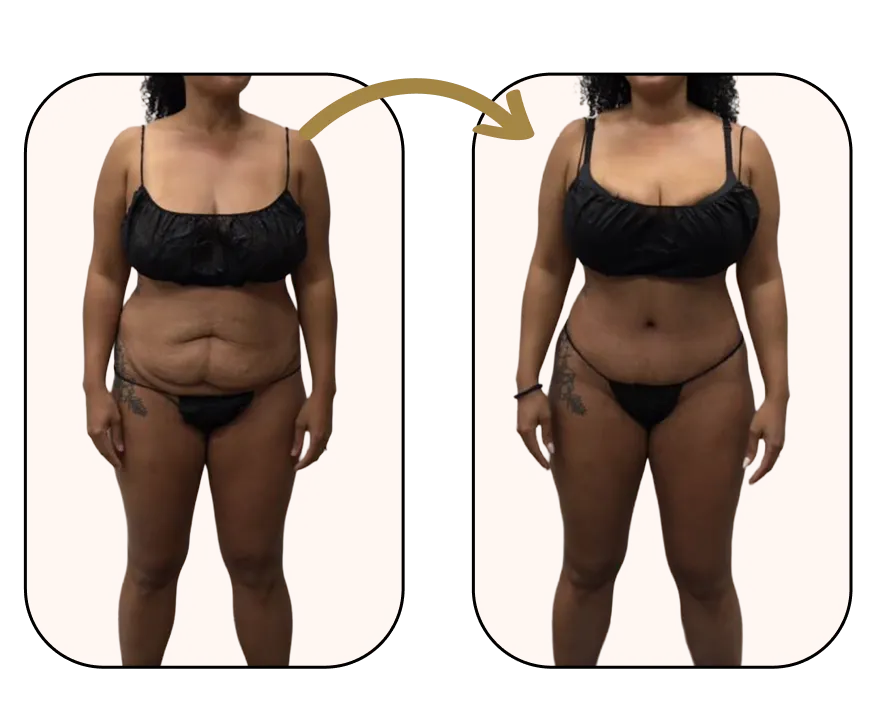
After · 6 MONTHS
MINI ABDOMINOPLASTY · LOWER ABDOMINAL FOCUS · DRAINLESS
Post-weight loss. Lower skin laxity only. No muscle repair required. Drainless approach. Returned to exercise at seven weeks.
A full gallery of tummy tuck before and after results is available during your private consultation with Dr. Jones.
RECOVERY TIMELINE
Recovery: Similar to or Slightly
Longer.
Revision recovery is typically similar to or slightly longer than primary tummy tuck because the procedure is more complex and involves working with compromised tissue. Your individual timeline depends on the extent of revision needed and your body's healing response.

DAYS 1–5
Rest at Home
Soreness, swelling, and tightness in the abdomen. Some discomfort is expected when working with scar tissue. Pain is managed with prescribed medication. Most patients are walking comfortably by day 2 to 3. A caregiver is helpful for the first 24 to 48 hours.
WEEK 1-2
Return to Light Activity
Most patients return to desk work within 7 to 10 days. Driving is typically cleared by week 2 if you are off narcotic pain medication. Swelling continues to reduce each day. Compression garment is worn during this period.
WEEK 2-4
Resuming Normal Life
Light activity and gentle movement are encouraged. Social activities become more comfortable. Early results are becoming visible, though significant swelling remains. Most patients feel substantially better but are still in early recovery.
WEEK 4-6
Full Activity Returns
Most patients are cleared for full exercise by weeks 6 to 8, depending on procedure extent. The scar is healing and beginning to fade. The result is approaching final appearance, though additional refinement continues for weeks afterward.
MONTH 3-6
Final Results
Residual swelling fully resolved. Final contour established. Scar continues fading and refining for up to 12 months. The improvement from revision becomes clear when compared to pre-revision appearance.
FREQUENTLY ASKED QUESTIONS
Revision
Answered.
Answered by Dr. Jones and the Muse clinical team.
How long should I wait before having tummy tuck revision?
At least 12 months should pass after your initial tummy tuck before revision. This allows complete healing and scar maturation, and gives you an accurate sense of the final result from the first procedure. Attempting revision too early risks complications and prevents clear assessment of what needs correction.
Can you fix a tummy tuck done by another surgeon?
Yes. Dr. Jones performs revision cases regardless of where the initial surgery was performed. The process begins with detailed evaluation, including review of your operative notes if available, careful physical examination, and honest discussion of what can be improved. Revision requires understanding the first surgeon's approach to plan the best secondary strategy.
Is revision abdominoplasty more painful than the original surgery?
Revision can be similar to or slightly more uncomfortable than primary tummy tuck because you are working with scar tissue and altered anatomy. Your pain management is individually tailored based on your needs and medical history. Most patients find the discomfort manageable with prescribed medication and supportive care.
How much does tummy tuck revision cost?
Revision costs are generally similar to or slightly more than primary abdominoplasty, depending on the complexity of the issues being corrected. Detailed surgical planning determines the final quote. Financing is available through CareCredit, Alphaeon Credit, and Prosper Healthcare Lending to make the procedure accessible.
Will I have a new scar from revision?
Yes, revision requires a new incision. However, Dr. Jones places this incision strategically, often incorporating the existing scar line to minimize additional scarring. The new scar should be better positioned, more refined, and more natural-looking than the original if the initial surgery resulted in visible scarring.
What if I'm unhappy with my revision results?
During your consultation, Dr. Jones sets realistic expectations about what revision can achieve based on your specific anatomy and previous surgery. When expectations are aligned with surgical reality, satisfaction is typically high. Further revision is rarely necessary because the goals and limitations have been discussed clearly before surgery.
TUMMY TUCK PROCEDURES AT MUSE
Explore Other
Approaches.
The mini tummy tuck is one of several abdominoplasty approaches at Muse. The right procedure depends on your anatomy, your concerns, and the result you're after. Dr. Jones will guide you to the right fit.
01
Tummy Tuck (Main Guide)
02
Mini Tummy Tuck
03
Extended Tummy Tuck
04
Fleur-de-Lis Tummy Tuck
05
Liposuction
06
Mommy Makeover
YOUR NEXT STEP
Ready for a
Second Opinion?.
An honest assessment of your anatomy, your previous surgery, and what revision can realistically achieve is the foundation of the right decision. Book a consultation with Dr. Jones and get clarity about your path forward.