
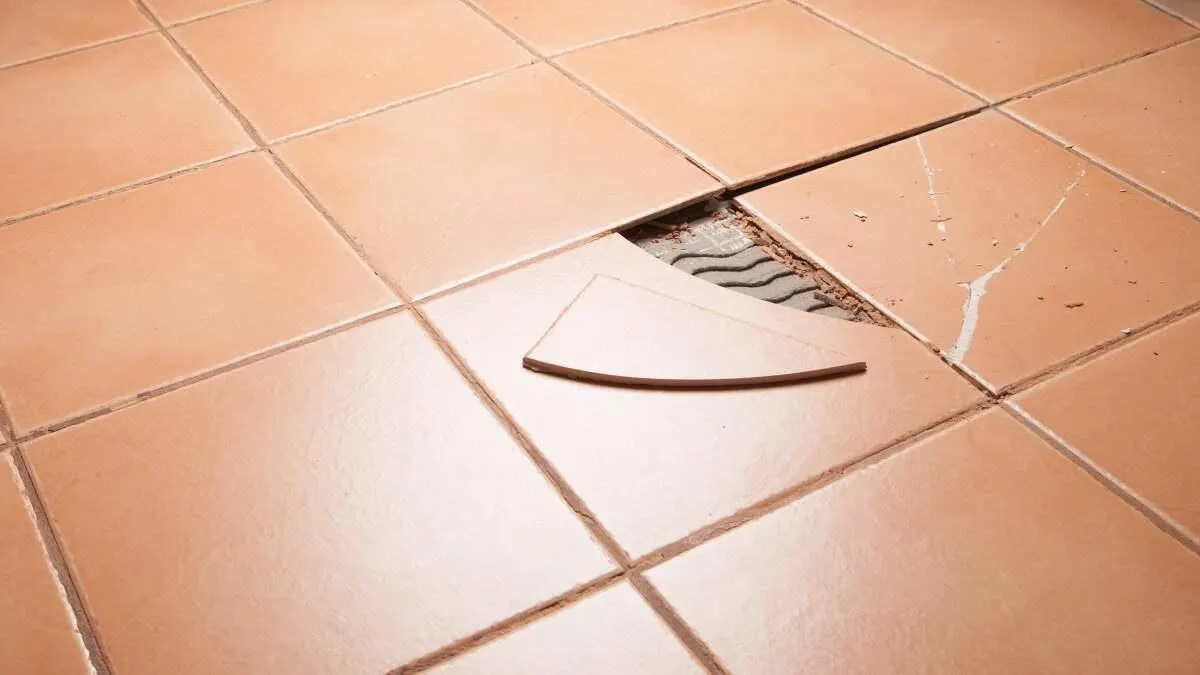
Understanding the Permit Process for Flooring Repairs in Fayetteville, Arkansas and Surrounding Areas
Flooring repairs are common improvement projects for both residential and commercial properties. While many flooring upgrades appear simple, certain projects may still fall under local building regulations. In Fayetteville, Arkansas, the permit process is designed to ensure that construction and repair work meets safety standards and building codes. Understanding when a permit is required and how the process works can help property owners complete flooring projects smoothly and avoid compliance issues.
Do flooring repairs require a permit in Fayetteville, Arkansas?
In many cases, simple flooring replacements such as installing carpet, tile, laminate, or hardwood do not require a building permit. These types of projects are often considered cosmetic improvements. However, if the repair involves structural floor components, electrical systems, or plumbing changes, a permit may be required. Local building officials can clarify whether a specific project needs approval.
What types of flooring projects may require a permit?
Projects that affect the building structure or underlying systems typically require permits. For example, repairs involving subfloor replacement, structural floor joists, or major renovations may need approval. Any work connected to plumbing, electrical, or mechanical systems will likely require permits as well. These regulations ensure that repairs meet safety and building code standards.
Who issues permits for flooring repairs in Fayetteville?
Permits are issued by the Building Safety Division within the city’s Development Services Department. This department reviews building plans, processes permit applications, and ensures compliance with local codes. Property owners, contractors, or authorized agents can apply for permits through the city’s permitting system.
How do property owners apply for a flooring repair permit?
To apply for a permit, applicants typically submit a permit application through the city’s online portal or in person. The application may require project details such as the property address, scope of work, and contractor information. In some cases, floor plans or documentation may also be requested. Once submitted, the application is reviewed for code compliance before approval.
What happens during the plan review process?
During the review process, city officials evaluate submitted plans to ensure they meet building and safety codes. The project is checked for compliance with the International Building Code and other relevant standards. If any issues are identified, applicants may be asked to revise their plans before the permit is approved. This step ensures that repairs meet structural and safety guidelines.
Are inspections required after flooring repairs?
If a permit is required for the project, inspections are usually part of the process. Inspectors verify that the repair work follows approved plans and complies with building codes. Inspections may occur during or after the repair process depending on the scope of work. Passing inspections is necessary to finalize the project legally.
Can contractors handle the permit process for flooring repairs?
Yes, licensed contractors often handle permit applications on behalf of property owners. Professional contractors are familiar with local building codes and permitting requirements. They can manage paperwork, coordinate inspections, and ensure the project follows city regulations. This can simplify the process for property owners.
What happens if flooring repairs are done without a permit?
Completing work that requires a permit without obtaining one can lead to penalties or project delays. Property owners may be required to stop work until the issue is resolved. In some cases, additional inspections or corrective work may be required. Obtaining proper permits helps avoid legal complications and ensures the project meets safety standards.
How long does the permit approval process take?
The timeframe for permit approval depends on the complexity of the project. Minor repair permits may be approved quickly, while larger renovations requiring plan reviews can take longer. Ensuring that applications include all required documents can help speed up the process.
How can property owners ensure compliance with local building codes?
Property owners can ensure compliance by working with licensed contractors and consulting the local building department before starting repairs. Checking permit requirements early in the planning stage helps prevent delays. Proper planning ensures that flooring repairs meet local safety and construction standards.
Final Thought
Understanding the permit process for flooring repairs in Fayetteville, Arkansas helps property owners complete renovation projects with confidence. While many flooring upgrades do not require permits, structural repairs or system modifications may need approval from local authorities. By working with experienced professionals and following the correct procedures, property owners can ensure safe, compliant, and successful flooring repairs.
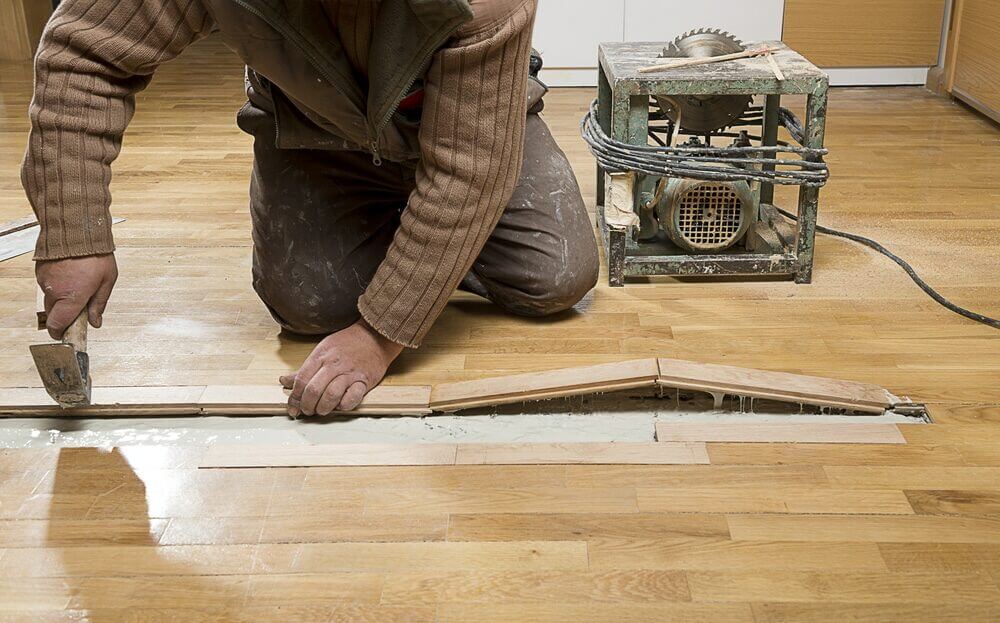
Do laminate or vinyl floor installations require permits?
In most cases, installing laminate or vinyl flooring does not require a permit because it is considered a cosmetic upgrade.
Can homeowners apply for permits themselves?
Yes, homeowners can apply for permits, but many choose to let contractors handle the process to ensure compliance.
Are inspections always required for flooring repairs?
Inspections are only required if the project involves structural changes or other systems that require a permit.
Where can I apply for a building permit in Fayetteville?
Permits can be applied for through the city’s Building Safety Division using its online permit portal.
Why is it important to follow the permit process?
Following the permit process ensures the project meets building codes, protects property safety, and prevents legal or financial issues.
Contact Us
Terms & Conditions
Privacy Policy