
How UV Exposure Impacts Asphalt Driveways in Plantation, FL & Surrounding Areas
Asphalt driveways in Plantation and surrounding areas face year-round sunlight, high heat, and intense humidity. These conditions accelerate surface fading, weakening, drying, and cracking. Understanding how UV exposure affects driveway surfaces helps homeowners protect their pavement and prevent costly repairs over time.
How Does UV Exposure Break Down Asphalt Over Time?
UV rays break down the binding oils in asphalt, causing the material to oxidize and harden. When asphalt becomes brittle, cracks begin forming across the surface. Over time, small cracks expand into larger structural issues. In hot regions like South Florida, this breakdown happens faster because UV levels remain high throughout the year.
Why Do Asphalt Driveways Fade So Quickly in Hot, Sunny Areas?
Fading occurs when the sun breaks down the top layer of asphalt, causing the rich black color to lighten into gray. In intense sunlight, this happens within months if the driveway is unsealed. While fading is mostly cosmetic at first, it is also an early sign of weakening surface integrity.
Can UV Damage Lead to Surface Cracking and Potholes?
Yes. Once UV exposure dries out the driveway, small cracks begin forming. Water seeps into those cracks, causing expansion, erosion, and deeper structural damage. If left untreated, the surface may form potholes, bumps, and uneven patches that affect both appearance and safety.
How Does UV Exposure Affect Driveway Temperature and Softening?
UV radiation increases surface temperature significantly. Asphalt absorbs heat, and in extremely sunny conditions, it can become soft. When softened, heavy vehicles or parked cars can leave impressions or dents, which later turn into permanent damage as the surface cools and hardens.
Is Sealcoating an Effective Way to Protect Asphalt From UV Rays?
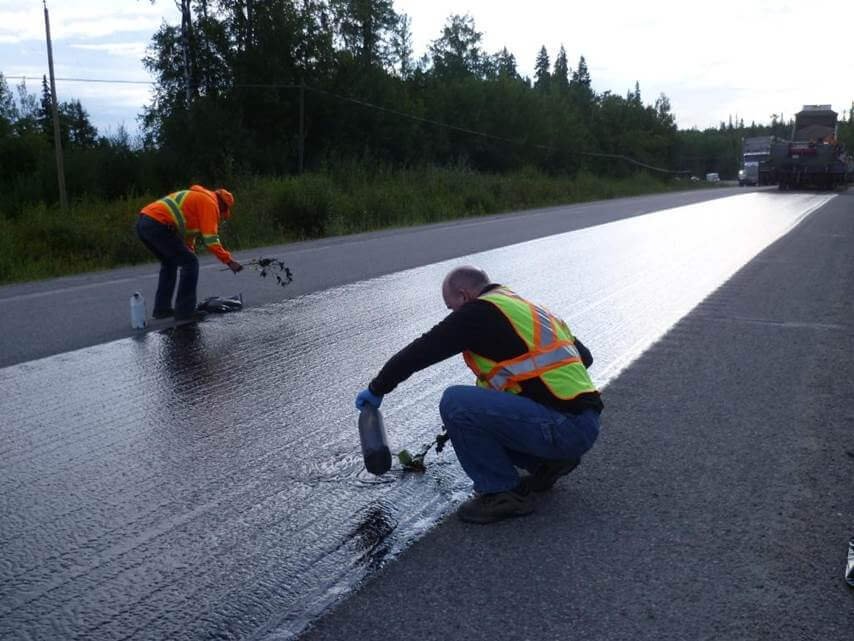
Yes. Sealcoating acts as a protective shield that blocks UV rays from penetrating the driveway. It restores color, slows oxidation, and reduces cracking. In high-sun areas, homeowners benefit from sealcoating every 2–3 years to keep the surface protected and resilient.
Why Is Regular Maintenance Important in Sun-Exposed Areas?
Without maintenance, UV damage layers over time, causing long-term deterioration. Regular cleaning, crack filling, and sealing help the surface remain flexible and durable. Preventive care always costs less than full resurfacing or replacement.
What Other Environmental Factors Increase UV Damage?
Heat, humidity, rainwater, and vehicle load all contribute to faster degradation. When combined with intense sunlight, these elements reduce driveway lifespan, making routine protection essential.
Final Thoughts
UV exposure is one of the biggest threats to asphalt driveways in Plantation and surrounding areas. Constant sunlight weakens the surface, fades color, and leads to cracking. With the right protective steps—especially sealcoating and routine maintenance—homeowners can significantly extend the life of their driveway and preserve its appearance for years.
How often should an asphalt driveway be sealed?
ry 2–3 years helps protect against UV oxidation and moisture damage
Does fading mean the driveway needs replacement?
Not always. Fading typically signals early UV damage and can often be corrected with sealcoating
What signs indicate UV damage has already started
Fading color, brittleness, small surface cracks, and uneven texture are early warnings
Is UV damage worse in coastal or inland regions?
Areas with consistent heat and sunlight experience stronger oxidation regardless of proximity to the coast
Can UV exposure shorten the lifespan of a newly installed driveway?
Yes. UV rays begin affecting asphalt immediately, which is why sealing within the first year is recommended.