Heal Berry's Wellness Event in New York
Valhalla Vitality's Wellness Event in New York

Discover a Unique Wellness Experience
We invite you to embark on a transformative wellness journey at our exclusive event, hosted by Valhalla Vitality in partnership with The Rockaway Hotel. Join us for an immersive experience designed to elevate your well-being and empower you to take control of your health and vitality.
This exciting event offering IV and IM services brings a holistic approach to well-being and personal health. It is intended to provide treatments for rehydration, health rejuvenation, energy surplus and to maximize your health status.
About Valhalla Vitality
Valhalla Vitality is a concierge holistic wellness provider network dedicated to giving patients convenient access to integrative and holistic medical treatment. The Valhalla Vitality team is with you every step of the way from registration and medical intake to ensuring your medication is delivered to your door and providing treatment oversight.
We combine customer service with medicine, using cutting-edge science and technology to improve our patients’ health and well-being.
Chat with us to learn about how you can get more out of life with Valhalla Vitality!

Purpose and Benefits of the Event
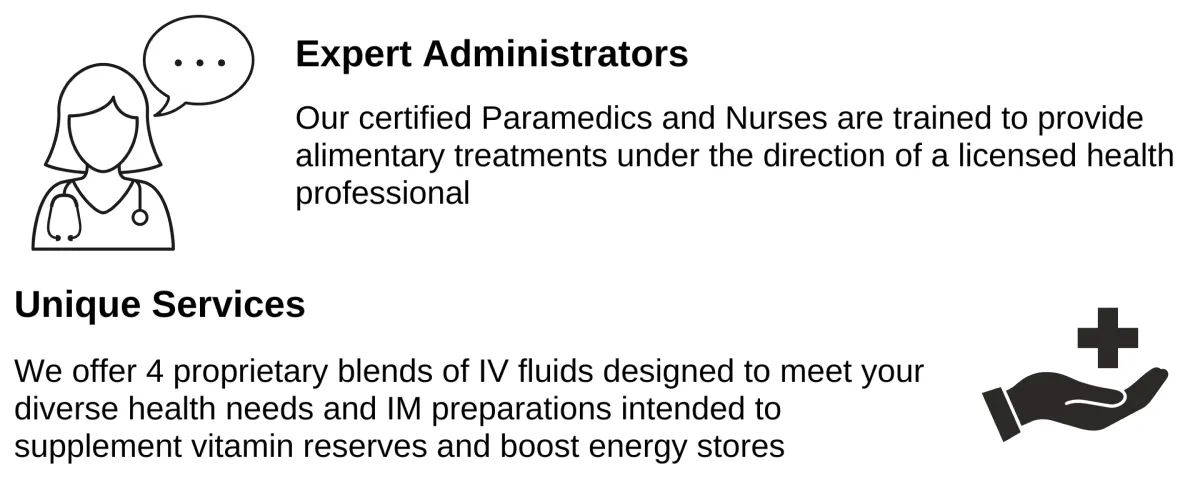
We encourage you to explore our additional diverse treatment services through a Risk Free consultation. We also provide convenient access to critical therapies for weight loss, infertility, men’s health, hormonal imbalances and peptides for building muscle mass.
IV Therapies available!
February Special – 50% off all IV services!
Keeping our bodies healthy is a priority, but it can be a stressful, time consuming, and frustrating process.
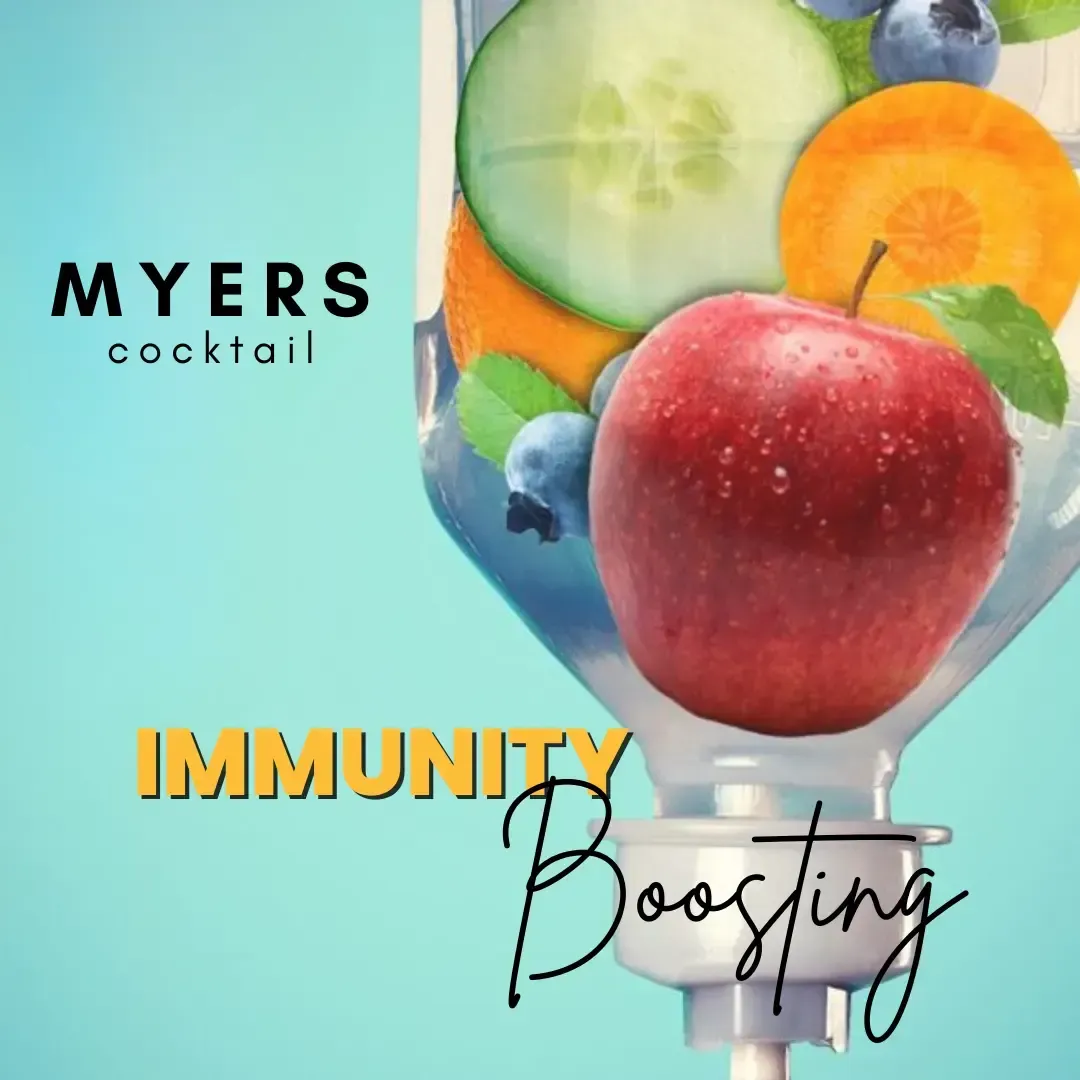
Valhalla Vitality Drip brings our specially created IV blends, infused with vitamins and nutrients designed to promote and sustain wellness, to you!
Headache? Had a long night? Recovering from the cold or flu? Tired of daily aches and pains and low energy? Don’t have time to adequately hydrate during your long work days? Need an extra layer of protection against the cold weather? Our IV bags are crafted to combat all of your nutritional needs and keep you hydrated. 100% of the fluids, vitamins, nutrients and minerals infused into your body will be absorbed directly from your circulation. Our treatments take a half hour and will leave you feeling hydrated, and nutritionally satisfied. We make your health our priority on your time!

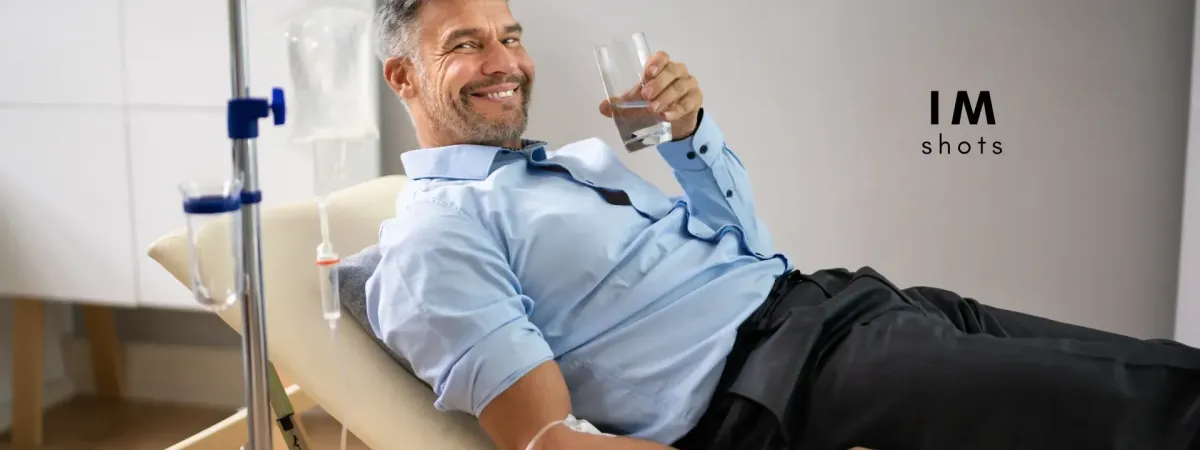
IM shots available on-site!
Tri-Imune Boost– a combination of Glutathione, Vitamin C, and Zinc that strengthens the immune system.
Glutathione– an antioxidant supplement that fights inflammation and boosts the immune system.
Mic B12– an injection that treats Vitamin B12 deficiency.
The Venue
Our event takes place in the heart of New York at the serene and enchanting The Rockaway Hotel. This exquisite venue provides the perfect backdrop for your journey to vitality, offering a tranquil escape from the urban hustle and bustle.


The Heart of the Event – Free Consultations
Don’t miss this exclusive opportunity to take care of your health needs – take the first step towards a brighter future today!
Meet Our Wellness Ambassador
Rosanna Paknoush, NP, has helped many patients make a significant impact on their overall well-being and has provided responsible and caring counsel during their wellness journeys. She brings her expertise, compassion, knowledge and experience to lead the treatment efforts during this Wellness Event, and provides the clinical oversight for the delivery of our IV and IM services.

Nurse Practitioner
Rosanna Paknoush
FAQs
Why is it important to maintain adequate hydration during cold and flu season?
During cold and flu season, staying hydrated is crucial for several reasons. Adequate hydration helps regulate body temperature, essential in managing fevers, and aids in thinning mucus, which eases congestion and coughing. It also prevents dehydration, aids in digestion and nutrient absorption, and detoxifies the body. Most importantly, hydration supports the immune system, enhancing the body’s ability to fight infections.
What are the signs of Vitamin B12, Thiamine (B1), and Folic Acid (B9) deficiency?
Vitamin deficiencies present distinct signs, depending on the specific vitamin lacking. Here are the signs for deficiencies in Vitamin B12, Thiamine (Vitamin B1), and Folic Acid (Vitamin B9):
1- Vitamin B12 Deficiency:
Fatigue and Weakness
Anemia
Nerve Problems (like numbness or tingling)
Mood Changes (irritability, depression, memory problems)
Glossitis and Mouth Ulcers
2- Thiamine (Vitamin B1) Deficiency:
Symptoms of Beriberi (affecting cardiovascular and nervous systems)
Wernicke-Korsakoff Syndrome (in chronic alcoholics)
Muscle Weakness and Fatigue
Poor Appetite and Digestive Problems
3- Folic Acid (Vitamin B9) Deficiency:
Anemia
Mouth Sores and Swollen Tongue
Changes in Skin, Hair, and Nail Pigmentation
Growth Problems (in children and adolescents)
Birth Defects (in pregnant women)
These symptoms can overlap with other conditions, so a healthcare professional should be consulted for accurate diagnosis and treatment.
Why might vitamins and medications not be fully absorbed in the gastrointestinal tract?
1- Chemical Properties and Formulation: Some substances aren’t easily soluble or stable in the digestive system, and the specific form of a medication (like a tablet or liquid) can affect absorption.
2- Interactions with Other Substances: Certain foods, drinks, or medications can interfere with absorption, like calcium affecting some antibiotics.
3- GI Tract Health: Conditions like Crohn’s disease or changes from surgeries can impair absorption.
4- Metabolic and Age Factors: Individual metabolism and age-related changes can influence how efficiently substances are absorbed.
5- Bioavailability: The amount of a substance that actually enters circulation can vary based on factors like time of day taken, formulation, and individual metabolism.


OUR COMPANY
OFFICE HOURS
Monday
Tuesday
Wednesday
Thursday
Friday
Saturday
a
9:00 AM - 5:00 PM
9:00 AM - 5:00 PM
9:00 AM - 5:00 PM
9:00 AM - 5:00 PM
9:00 AM - 5:00 PM
By Appointment Only
Copyright 2025. HealBerry. All Rights Reserved.